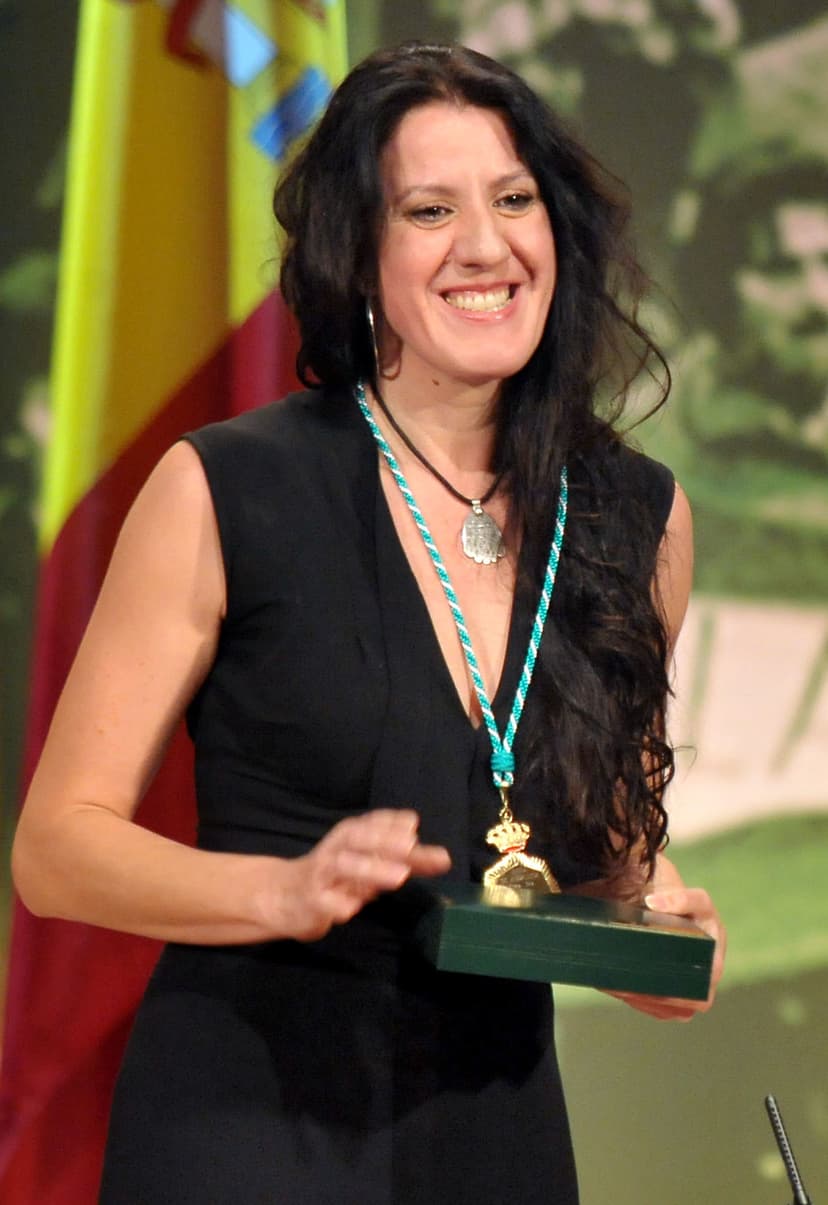
Performer · Choreographer · Innovator · Stage Icon
Maria Pages
Flamenco's Poetic Modernist
Why They Matter
She expanded flamenco into a vehicle for sophisticated artistic expression while maintaining its emotional core, proving the form could support full-evening theatrical works.
Known For
Watch
María Pagés - Autorretrato
Sadler's Wells
Documents a major autobiographical work and Pagés's solo stage presence.
María Pagés: An Ode to Flamenco (Excerpt)
Sadler's Wells
Offers process-oriented context rather than an isolated spectacle clip.
MARÍA PAGÉS COMPAÑÍA - YO CARMEN | Official Trailer
Sadler's Wells
Introduces a major Pagés/El Harti work and its reinterpretation of Carmen.
66 Festival de Granada. María Pagés Compañía. Yo Carmen
Festival Internacional de Música y Danza de Granada
Provides a Spanish institutional presentation of Yo Carmen with production credits.
Flamenco Festival Miami 2020: María Pagés Compañía: Yo Carmen
Adrienne Arsht Center / Flamenco Festival Miami
Shows how the work was framed for an international presenter.
Carmen Linares y María Pagés, Premio Princesa de Asturias de las Artes 2022
Fundación Princesa de Asturias
Authoritative context for the joint 2022 award and its rationale.
Biography
María Pagés is a Spanish flamenco dancer, choreographer, stage director and company founder who has expanded the theatrical, poetic and social range of flamenco while retaining the form's movement and rhythmic foundations. Born María Jesús Pagés Madrigal on 28 July 1963 in Seville, she began dancing as a child and developed her artistry within the working ecology of Spanish dance and flamenco rather than along a single institutional path. She danced with companies led by Antonio Gades, Mario Maya, Rafael Aguilar and María Rosa, roles that exposed her to touring performance, theatrical Spanish dance and flamenco practice. She also appeared in film work with Carlos Saura and participated in *Riverdance*, experiences that extended her international visibility.
Pageés founded her own company in 1990, creating *Sol y sombra* as its first production. The company became the structural foundation for long-form theatrical research and choreographic development. Her 1998 *La Tirana*, inspired by Goya's portrait of the performer María del Rosario Fernández, exemplifies her collaborative method: Jacob's Pillow credits Pagés as choreographer with contributions by Manolo Marín and Fernando Romero, concept and direction by José María Sánchez, four named dancers, and a live musical team. This structure—where Pagés's authorial identity is central but the stage result involves many hands—defines her working practice.
During the 2000s, Pagés developed a repertory treating flamenco as a complete theatre language. Works including *Flamenco Republic*, *Canciones antes de una guerra*, *Sevilla* and *Autorretrato* joined dance to poetry, visual composition and music from beyond a single flamenco canon. *Autorretrato*, created following a residency at the Baryshnikov Arts Center, placed her own performing body at the center of a reflection on identity and artistic time. Spain's National Dance Award in the creation category, which she received in 2002, recognized this choreographic vision.
Her international collaborations deepened an outward-looking artistic method. *Dunas*, created with Belgian-Moroccan choreographer Sidi Larbi Cherkaoui, brought flamenco and contemporary-dance practices into reciprocal conversation rather than presenting one form as decoration for the other; the Spanish Ministry of Culture attributes the work to both artists equally. Pagés also collaborated with Mikhail Baryshnikov, Tamara Rojo, Ángel Corella and Carlos Saura, partnerships described by specific works and roles rather than vague claims of stylistic fusion.
From 2011, writer and dramaturg El Arbi El Harti became a defining creative partner. Centro Danza Matadero credits Pagés and El Harti jointly with a sustained sequence of stage works: *Utopía*, *Siete golpes y un camino*, *Yo, Carmen*, *Óyeme con los ojos*, *Una oda al tiempo*, *Fronteras*, *Paraíso de los negros*, *De Scheherazade* and *Tierra prometida*. In these productions the body enters dialogue with literature, philosophical questions and social subjects including migration, gender, racism, borders and the possibility of coexistence. El Harti's dramaturgical and conceptual authorship is integral to the works, not auxiliary.
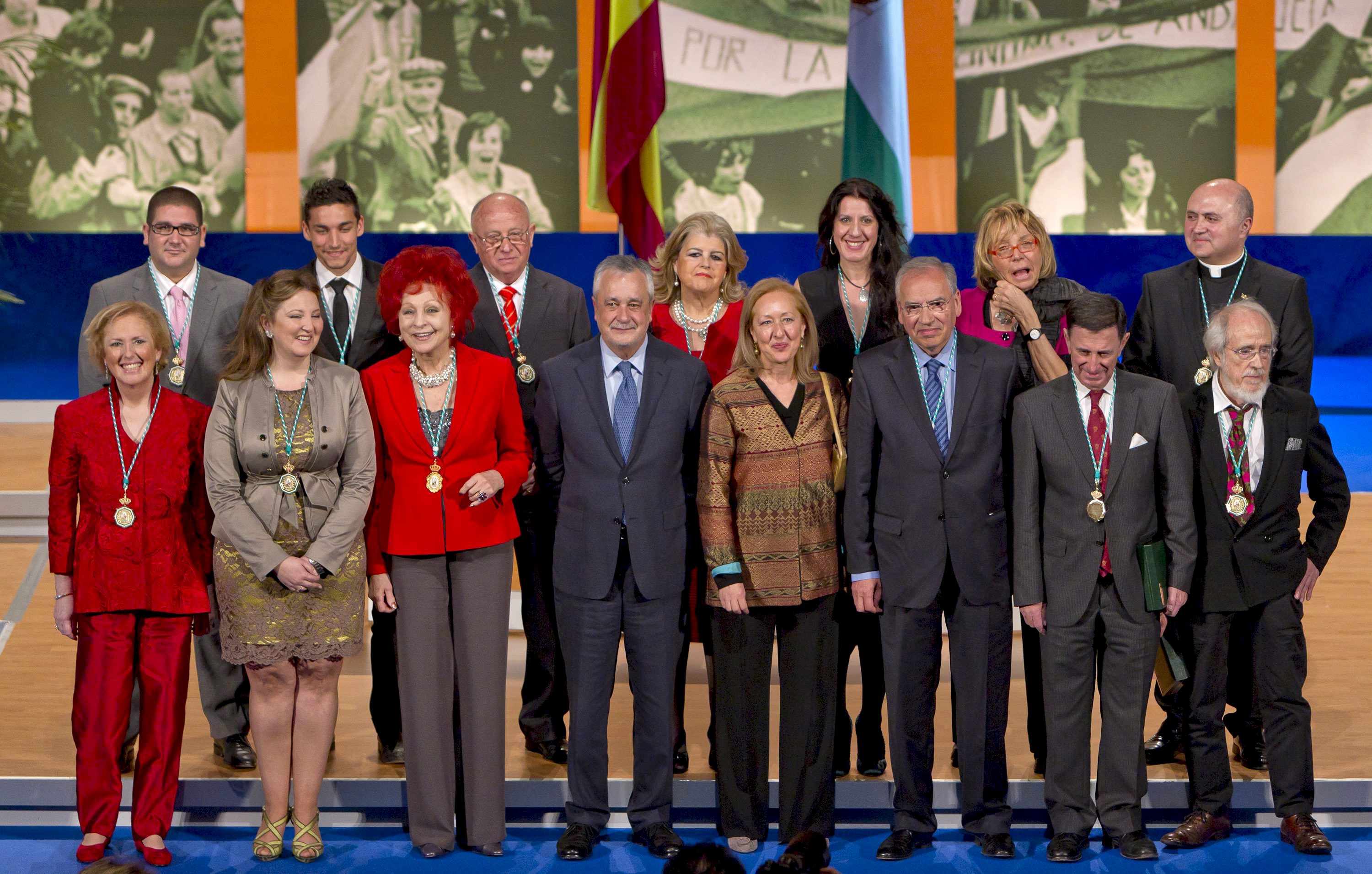
Pageés's institutional recognition accumulated alongside the repertory. She received the Medal of Andalusia in 2011 and was awarded Spain's Gold Medal of Merit in the Fine Arts for 2014, with the formal presentation occurring in 2015. In 2022 she and singer Carmen Linares jointly received the Princess of Asturias Award for the Arts, an honor recognizing two separate careers that renewed flamenco while respecting its roots. As of July 2026, Pagés continues to serve as artistic director of Centro Danza Matadero in Madrid, sharing that leadership with El Arbi El Harti. The position extends their work from producing repertory to creating an institution for dance presentation, exchange and public thought.
Career Highlights
Founded the María Pagés Company and created Sol y sombra. Princess of Asturias Foundation
Created La Tirana, with choreographic contributions by Manolo Marín and Fernando Romero and concept/direction by José María Sánchez. Jacob’s Pillow Dance Interactive
Received Spain’s National Dance Award in the Creation category. Spanish Ministry of Culture
Received the Léonide Massine Prize, one of the international honors listed in her official Princess of Asturias biography. Princess of Asturias Foundation
Developed Autorretrato following a residency at the Baryshnikov Arts Center. Princess of Asturias Foundation
Collaborated with Sidi Larbi Cherkaoui on Dunas, a duet between artists grounded in different movement traditions. Spanish Ministry of Culture
Received the Medal of Andalusia and began the sustained creative partnership with El Arbi El Harti reflected in Utopía and later works. Princess of Asturias Foundation
Was awarded Spain’s Gold Medal of Merit in the Fine Arts; the public presentation occurred in 2015. Spanish Ministry of Culture
Premiered Una oda al tiempo, co-created with El Arbi El Harti. Princess of Asturias Foundation
Developed Tribulaciones de Simbad through workshops with young people at the Centro Coreográfico María Pagés. Princess of Asturias Foundation
Shared the Princess of Asturias Award for the Arts with cantaora Carmen Linares; De Scheherazade premiered at Barcelona’s Gran Teatre del Liceu in May. Princess of Asturias Foundation
Continued to share the artistic direction of Centro Danza Matadero with El Arbi El Harti; this is a time-sensitive present-tense role verified in July 2026. Centro Danza Matadero
Gallery

Legacy & Impact
Pagés demonstrates that flamenco can function as contemporary repertory theatre without surrendering the form's rhythmic discipline, expressive density or historical memory. Her company provided an enduring production base; her collaborations connected flamenco to international networks; her partnership with El Arbi El Harti made dramaturgy and civic questions structural to the choreography. Her legacy is not that she single-handedly modernized flamenco—a collective tradition with many innovators—but that she built a coherent body of work in which flamenco converses with other arts and public concerns on equal terms.


Explore More Legends
Discover the dancers, teachers, choreographers, and cultural icons who shaped how the world moves.
Keep the thread going
Dance history, technique, and the occasional rabbit hole — in your inbox. Thoughtful, infrequent, unsubscribe anytime.
Free. No spam. One click to leave.