Performer
Francesca Marlene de Czanyi von Gerber
Ballet-trained dancer
Why They Matter
Gaynor matters to dance because she demonstrates how a dancer could remain the organizing force of a popular-entertainment career even when the venue changed. Her film roles preserved the full-body, camera-aware musical performance of the 1950s; her television specials reconfigured that vocabulary f
Known For
Biography
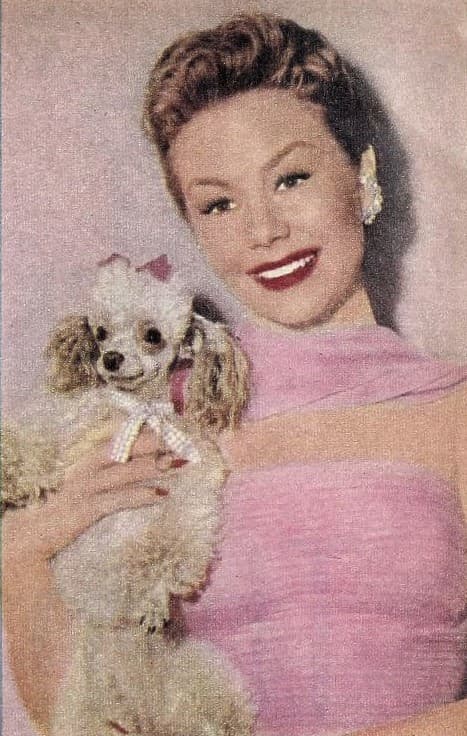
Born Francesca Marlene de Czanyi von Gerber in Chicago on September 4, 1931, Mitzi Gaynor grew up in a musical household—her mother was a dancer, her father a violinist and musical director. After the family moved to California, she trained in ballet and joined the Los Angeles Civic Light Opera while still a teenager, an experience she later described as the bridge between childhood training and professional entertainment.
Twentieth Century-Fox signed her after studio representatives saw her stage work. She made her screen debut in *My Blue Heaven* (1950), entering the studio system when musical performers were expected to move fluently among acting, singing, partnering, and ensemble choreography. Her professional name was adopted at the studio's suggestion, but the career that followed continued to depend on the dance training that had first brought her notice.
During the 1950s, Gaynor became a leading performer in screen musicals. Her credits included *There's No Business Like Show Business* (1954), *Anything Goes* (1956) with Bing Crosby and Donald O'Connor, *Les Girls* (1957) with Gene Kelly and Kay Kendall, and *The Joker Is Wild* (1957). She performed alongside Ethel Merman, Marilyn Monroe, and Frank Sinatra, gaining repeated opportunities to combine character acting with presentational dance.
Her defining role was Navy nurse Nellie Forbush in the 1958 film adaptation of Rodgers and Hammerstein's *South Pacific*, which brought her a 1959 Golden Globe nomination for actress in a leading role, musical or comedy. The performance is important to dance history because Gaynor's physicalized musical acting—rhythmic, athletic, comic, and emotionally direct—made choreography central to her characterization.
As Hollywood's production of large musicals contracted, Gaynor redirected her career toward nightclubs, concert venues, and television. Her specials of the 1960s and 1970s featured rapid changes of character, costume, song, and dance, with important contributions from choreographer Tony Charmoli and designer Bob Mackie. She continued performing live for decades, including the autobiographical stage show *Razzle Dazzle! My Life Behind the Sequins*, into her eighties. In 2017 she donated show music, arrangements, and career materials to the Great American Songbook Foundation and was inducted into its Songbook Hall of Fame. Gaynor died in Los Angeles on October 17, 2024, after an eight-decade career spanning screen, television, and stage.
Career Highlights
After ballet training, joined the Los Angeles Civic Light Opera as a teenage performer. Television Academy Interviews
Made her credited film debut in the Twentieth Century-Fox musical My Blue Heaven. Reuters
Appeared in There's No Business Like Show Business, one of the decade's major ensemble movie musicals. Reuters
Starred with Bing Crosby and Donald O'Connor in Anything Goes. Reuters
Performed with Gene Kelly and Kay Kendall in George Cukor's Les Girls. Reuters
Starred as Nellie Forbush in the film adaptation of South Pacific. Golden Globes
Received a Golden Globe nomination for actress in a leading role, musical or comedy, for South Pacific. Golden Globes
Headlined annual television variety specials and maintained a major nightclub and concert career after her principal film period. Reuters
Toured versions of the autobiographical stage program Razzle Dazzle! My Life Behind the Sequins. Reuters
Donated career materials to the Great American Songbook Foundation and entered its Songbook Hall of Fame. Great American Songbook Foundation
Gallery
Legacy & Impact
Gaynor matters to dance because she remained the organizing force of a popular-entertainment career across changing venues and media. Her film roles preserved the full-body, camera-aware musical performance of the 1950s; her television specials reconfigured that vocabulary for close-ups, rapid edits, elaborate costumes, and episodic character turns; her nightclub work depended on sustained live command. She was not primarily a choreographer or technique founder. Her legacy is performative and medial: a durable example of how trained dancing, musical timing, comic attack, and star presence can hold together a career across cinema, television, and the stage.


Explore More Legends
Discover the dancers, teachers, choreographers, and cultural icons who shaped how the world moves.
Keep the thread going
Dance history, technique, and the occasional rabbit hole — in your inbox. Thoughtful, infrequent, unsubscribe anytime.
Free. No spam. One click to leave.