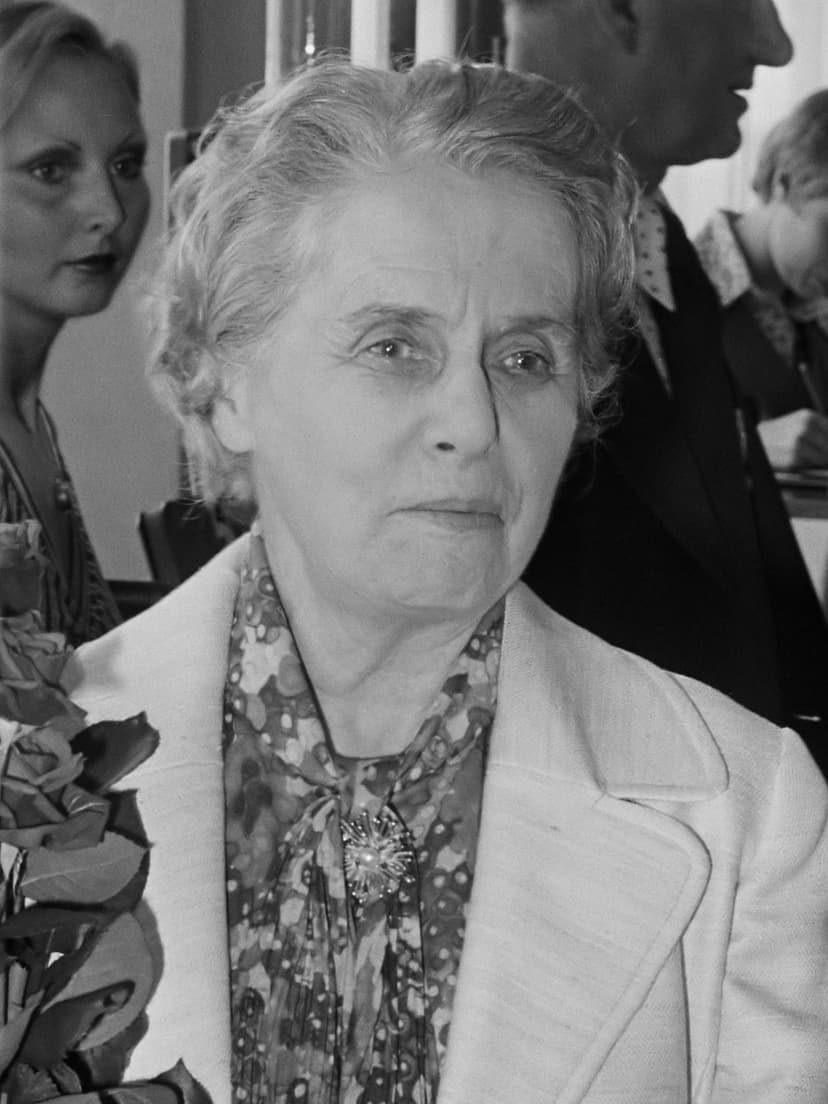
Ninette De Valois
Legend of Dance
Why They Matter
De Valois matters because she converted an ambitious training project into a durable ballet ecology: a school, a flagship company, a touring company, a repertory and an audience-development strategy. Her legacy is therefore larger than any single choreography. She created conditions in which Ashton,
Watch
100 stories for 100 years: Dame Ninette de Valois
The Royal Ballet School
Official School-linked centenary account of the founder
Biography
Edris Stannus was born on 6 June 1898 at Baltyboys in County Wicklow, Ireland, and moved to England as a child. Training at the Lila Field Academy for Children led to professional theatre work and further study with Edouard Espinosa, Enrico Cecchetti and Nicolas Legat, alongside the stage name Ninette de Valois. Her early employment included revues and music-hall work, practical environments that exposed her to theatrical production alongside ballet technique.
From 1923 to 1926, de Valois danced with Serge Diaghilev's Ballets Russes. The engagement gave her direct experience of a touring repertory company in which choreography, music, design and performance were planned as an integrated whole. That model informed her later organisational thinking, though the institution she built in Britain was not simply a copy of the Ballets Russes.
In 1926 she opened the Academy of Choreographic Art and began working with theatre manager Lilian Baylis at the Old Vic. The partnership gave students performance experience and tied training to a working theatre. When Sadler's Wells reopened in 1931, the school moved there and the Vic-Wells Ballet was established. De Valois combined inherited classical repertory with new British work, hiring Nikolay Sergeyev to stage Mariinsky ballets and appointing Frederick Ashton as resident choreographer in 1935.
Her own choreography was central to the company's early identity. *Job* (1931), *The Rake's Progress* (1935) and *Checkmate* (1937) used British composers, designers or visual sources while treating ballet as dramatic theatre. These works demonstrate that de Valois could organise movement around character, allegory and stage picture with unusual economy.
The Sadler's Wells Ballet became resident at the Royal Opera House in 1946, reopening the theatre after the Second World War with *The Sleeping Beauty*. A second touring company established that year later developed into Birmingham Royal Ballet. In 1956 a Royal Charter formally linked the companies and school under the Royal Ballet name, consolidating a system that deliberately joined professional performance, touring and education rather than treating them as separate enterprises.
De Valois also advised ballet development abroad, notably in Turkey. The 1974 Erasmus Prize recognised her formative international influence. She stepped down as company director in 1963, continued to direct the School, and retired from that role in 1970. She died on 8 March 2001 in Barnes, London, aged 102, leaving an institutional legacy that continues through the Royal Ballet organisations and the School's choreographic programme.
Career Highlights
Joined Serge Diaghilev's Ballets Russes, remaining through 1926. Royal Ballet and Opera Royal Ballet and Opera
Opened the Academy of Choreographic Art and began her Old Vic collaboration with Lilian Baylis. Royal Ballet School Royal Ballet and Opera Royal Ballet School
Founded the Vic-Wells Ballet at the reopened Sadler's Wells and choreographed Job. Royal Ballet and Opera Royal Opera House Collections Royal Ballet and Opera
Appointed Frederick Ashton resident choreographer and created The Rake's Progress. Royal Ballet and Opera Praemium Erasmianum Foundation Royal Ballet and Opera
Created Checkmate, one of her most durable dramatic ballets. Royal Opera House Collections Royal Opera House Collections
Took the Sadler's Wells Ballet into residence at the Royal Opera House and established a second touring company. Royal Ballet and Opera Royal Ballet School Royal Ballet and Opera
Was appointed Dame Commander of the Order of the British Empire. Royal Ballet and Opera Royal Ballet and Opera
The Royal Charter named The Royal Ballet and formally linked the companies and School. Royal Ballet School Royal Ballet School
Stepped down as director of The Royal Ballet and continued leading The Royal Ballet School. Royal Ballet and Opera Royal Ballet and Opera
Retired from directing The Royal Ballet School. Royal Ballet and Opera Royal Ballet and Opera
Shared the Erasmus Prize and directed part of the award toward ballet schools and Ankara State Ballet grants. Praemium Erasmianum Foundation Praemium Erasmianum Foundation
Received the Order of Merit. Royal Ballet and Opera Royal Ballet and Opera
Gallery
Works
One stage work credited to Ninette De Valois.
- Checkmate (1937)Ballet · Choreographer
Credits sourced from Wikidata (CC0), one citation per field. Works without a recorded premiere date are listed last. Titles link to the work in Limelight.
Legacy & Impact
De Valois matters because she converted an ambitious training project into a durable ballet ecology: a school, a flagship company, a touring company, a repertory and an audience-development strategy. Her legacy is therefore larger than any single choreography. She created conditions in which Ashton, Fonteyn, MacMillan and later generations could develop, while insisting that Britain should absorb international classical traditions and generate its own theatrical voice. The institutions changed names and leadership, but the triangular relationship among school and companies remains central to her achievement.


Explore More Legends
Discover the dancers, teachers, choreographers, and cultural icons who shaped how the world moves.
Keep the thread going
Dance history, technique, and the occasional rabbit hole — in your inbox. Thoughtful, infrequent, unsubscribe anytime.
Free. No spam. One click to leave.