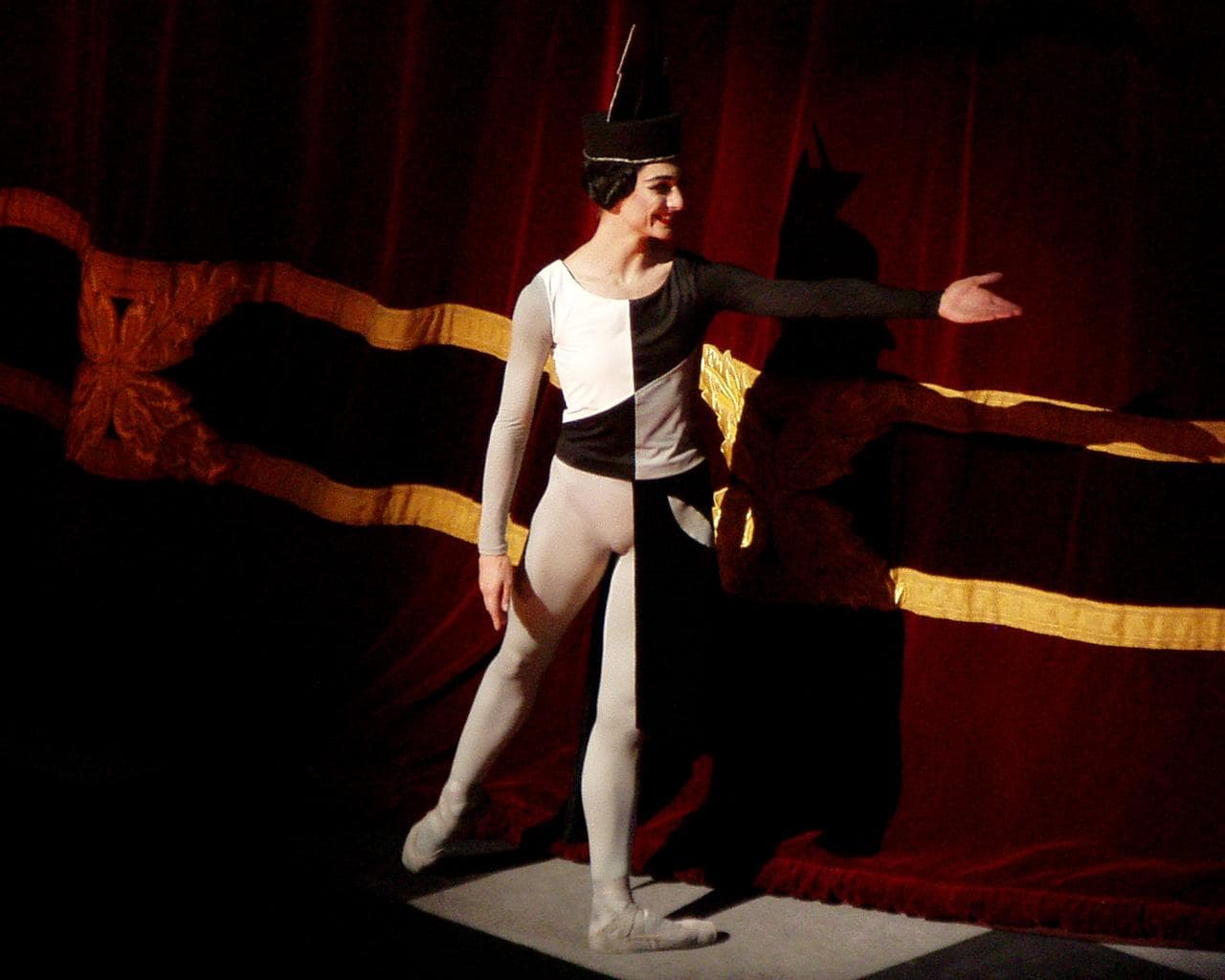
Scillystuff at English Wikipedia — Transferred from en.wikipedia to Commons by Scillystuff using CommonsHelper. · Public domain
Checkmate is a one-act ballet made in 1937 by choreographer Ninette de Valois to a commissioned score by Arthur Bliss, produced for the Vic-Wells Ballet (the company that became Sadler's Wells Ballet and later the Royal Ballet). It dramatises a game of chess as a human conflict between Love (the Red side) and Death (the Black side), built around the doomed infatuation of the Red Knight with the Black Queen.
What it contains
- Mazurka — The Red Knight's Mazurka · The Red Knight's Mazurka, a named solo number for the Red Knight — A discrete dance number is explicitly titled as a mazurka, indicating the Red Knight's solo is set to mazurka rhythm and character within the larger classical framework, rather than pure academic step vocabulary. Source: "The Red Knight's Mazurka: Moderato giojosamente"
What is danced
The ballet is structured as a sequence of formally named dance numbers that mirror the pieces on a chessboard: entries and dances for the Red Pawns, the Four Knights, the Black Queen, the Red Bishops, the Red Castles, and the Red King and Queen, followed by a central conflict (The Attack, The Duel) and a Finale. This entry-by-entry architecture is the classic grand-ballet pattern of formal processional dances for corps and demi-caractère groups building toward principal set pieces — here a solo mazurka for the Red Knight, a duel/confrontation between the Red Knight and the Black Queen that stands in for a pas de deux, and a final confrontation between the Black Queen and the Red King.
Context
Checkmate belongs to the first generation of British-made narrative ballets produced for the Vic-Wells company as it built an indigenous repertoire distinct from the touring Ballets Russes tradition Bliss had encountered after the First World War. Its premiere in Paris in 1937, ahead of a UK showing at Sadler's Wells, situates it as part of the effort to establish British ballet on the international stage rather than only at home; the original cast drew on the company's leading dancers, including Robert Helpmann, Margot Fonteyn (as leader of the Black Pawns) and Frederick Ashton himself dancing the allegorical role of Death.
Staging history
The article records the Vic-Wells/Sadler's Wells premiere cast and a UK premiere later the same year, and states that the work has since been performed regularly by the Royal Ballet and Birmingham Royal Ballet, describing it as de Valois' signature ballet and a cornerstone of the British repertoire. A complete video recording exists from the Sadler's Wells Royal Ballet (VAI DVD 4379) with Margaret Barbieri as the Black Queen and David Bintley as the Red King, evidence of at least one later full staging, but the article gives no detail of intervening revivals, cast changes, or choreographic revision.
How to watch it
Watch how the choreography turns chess moves into stage action — massed, geometric entries for the pawns and knights against the individualised, seductive entrance of the Black Queen — and note how the central Duel functions as the ballet's dramatic and choreographic climax rather than a conventional pas de deux. The allegorical framing device (a Prologue with two chess players representing Love and Death) tells you to read the piece-groups as characters with fixed temperaments rather than as abstract corps patterning.
Structure
- Prologue—The PlayersTwo chess players are shown before battle; the gold player represents Love and takes the Red side, the black player represents Death and takes the Black side.
- Dances of the Red PawnsThe ballet proper opens with the Red Pawns assembling on the chessboard.
- Dance of the Four KnightsThe Red Knights arrive, followed by the Black Knights.
- Entry of the Black QueenThe Black Knights prostrate themselves in fear as the Black Queen enters; she seduces the Red Knight and gives him a rose, and he becomes infatuated with her.
- The Red Knight's MazurkaA named solo dance number for the Red Knight; the article gives no further plot detail beyond the title and tempo marking.
- Ceremony of the Red BishopsA named ceremonial number; the article gives no further plot detail.
- Entry of the Red CastlesA named entry number; the article gives no further plot detail.
- Entry of the Red King and QueenThe Red King and Red Queen arrive, the aged Red King requiring assistance.
- The AttackAn initial 'game' between the two sides ends with the Black Queen putting the Red King in a 'check' position.
- The DuelThe Red Knight duels the Black Queen and defeats her but cannot kill her out of love; distracted, he is fatally stabbed by her.
- The Black Queen DancesA funeral cortège for the Red Knight ('Death leading, Love at the end of the procession') is followed by the Black Queen turning on the Red King as Black forces surround him.
- Finale—CheckmateThe Red King has a last moment recalling his youth before the Black Queen stabs him in the back with a spear, delivering checkmate.
Structure read from an encyclopaedia article, not from a libretto or score we hold. Confirm against a programme before treating the numbering as authoritative.
Credits
- composer: Arthur Bliss
More from Arthur Bliss
Other staged works in the register connected to this one by author or lineage.
 Adam ZeroBallet · 1946Music by Bliss · video
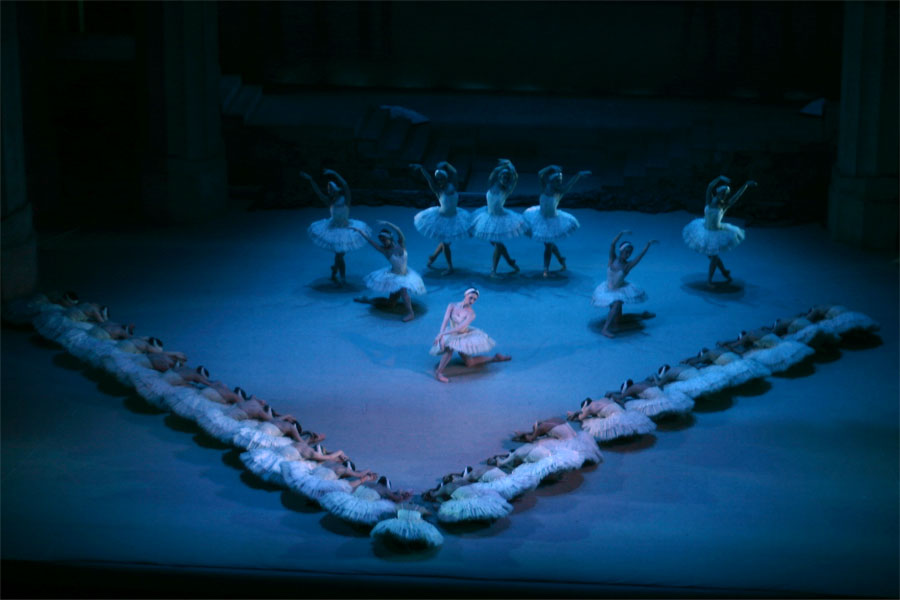 Swan LakeBallet · 1877Same lineage · video
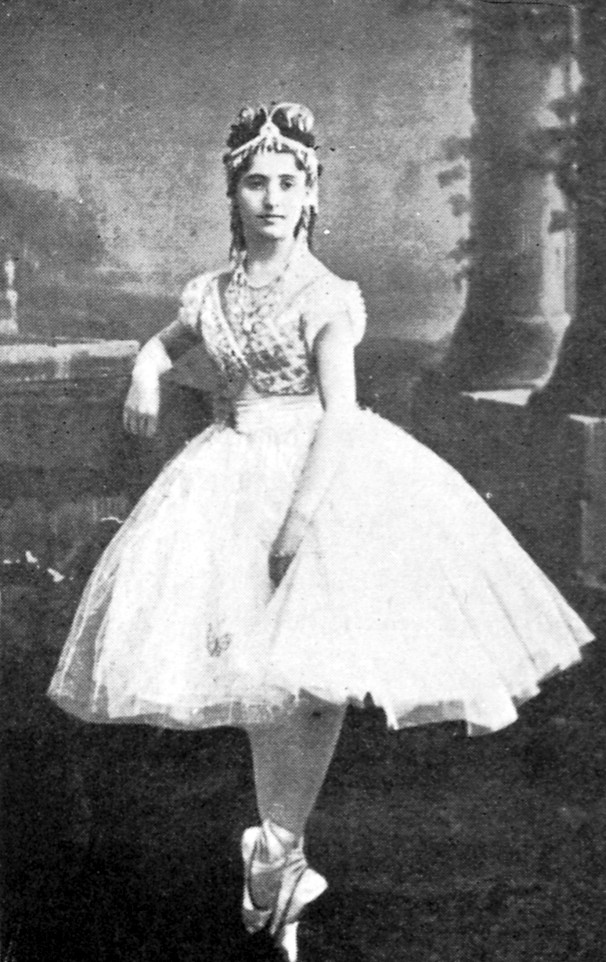 CoppéliaBallet · 1870Same lineage · video
 RaymondaBallet · 1898Same lineage · video
 PaquitaBallet · 1846Same lineage · video
- La Boutique fantasqueBallet · 1926Same lineage · video
 L'Île EnchantéeBallet · 1864Same lineage
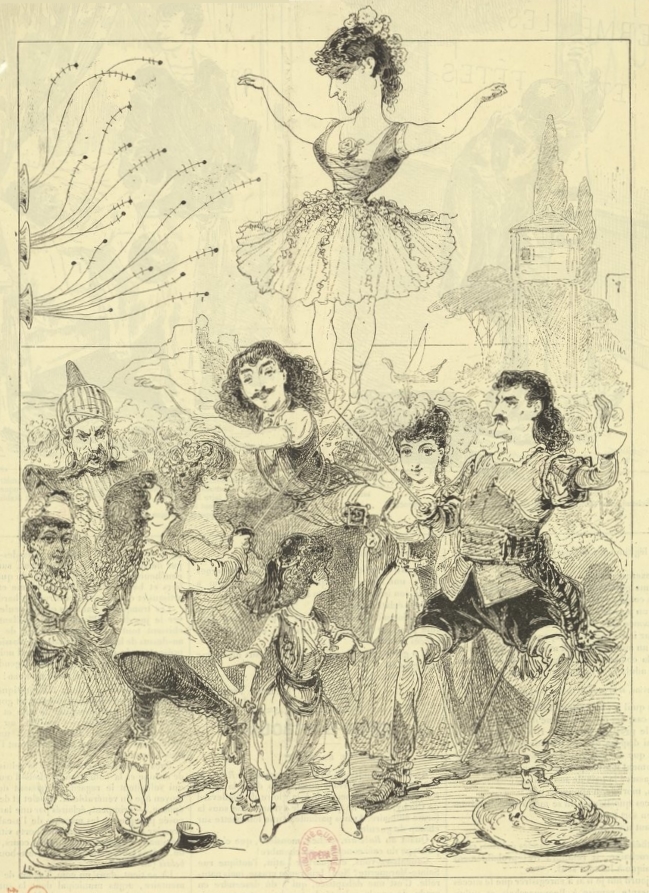 NamounaBallet · 1882Same lineage · video
