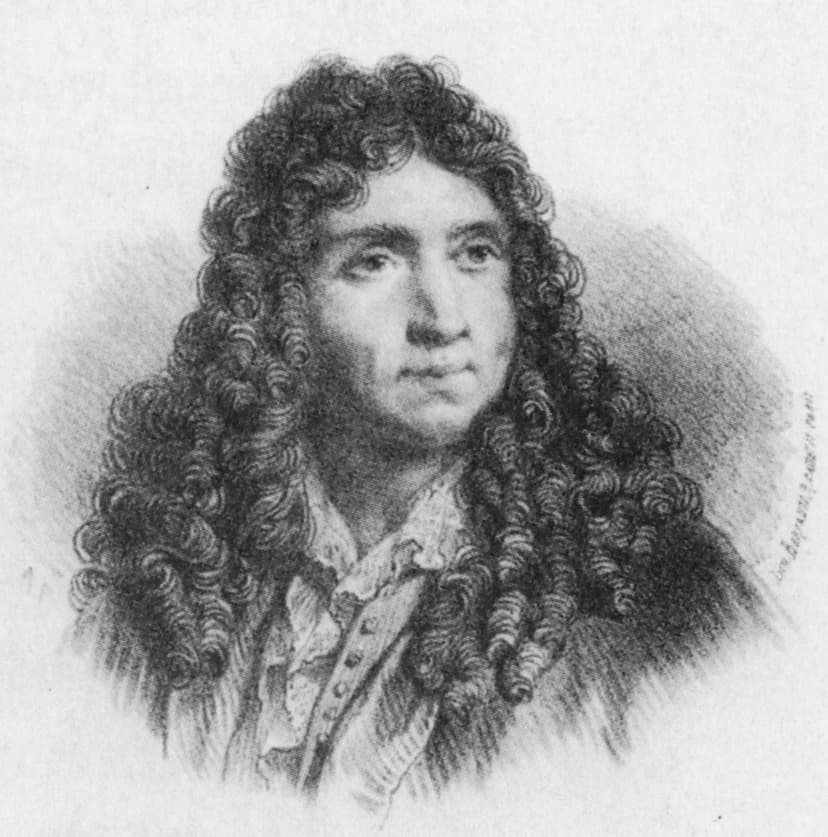
Pierre Beauchamp
Legend of Dance
Why They Matter
Beauchamp's legacy sits at the junction of performance, pedagogy and information design. He helped build the collaborative court theatre from which French opera and ballet institutions emerged; later teachers credited him with organizing the five positions; and the notation associated with his name
Styles Pierre Beauchamp shaped
Each one links to the style’s own page — its origins, music, tempo and video.
Biography
Pierre Beauchamp was born on 30 October 1631 in the Paris–Versailles region of France into a musical family; his father served as a violinist in the royal chamber, placing him within the institutions that shaped court spectacle. He entered performance during the reign of Louis XIV and built a career in which dancing, music and theatrical composition overlapped. By the 1660s he was working with Molière's troupe and Jean-Baptiste Lully in the emerging genre of the *comédie-ballet*, contributing choreography and music to works including *Les Fâcheux*, *Le Mariage forcé* and *Le Bourgeois gentilhomme*.
Beauchamp's institutional influence expanded in the 1670s. He became director of the Académie Royale de Danse in 1671 and worked as ballet master in the orbit of the Académie Royale de Musique, the ancestor of the Paris Opera. He taught Louis XIV over many years and collaborated with Lully on major stage works including *Alceste*, *Atys* and *Le Triomphe de l'Amour*. These posts placed him where elite performance standards, pedagogy and theatrical practice were being consolidated into a recognizable French school.
Beauchamp's most enduring technical contributions involved the five positions of the feet and dance notation. Pierre Rameau's 1725 *Le maître à danser* credited him with codifying the five positions. Separately, Beauchamp developed a graphic notation system for dance under royal patronage. In the 1680s he created this system; Raoul-Auger Feuillet later refined and published a detailed version in 1700 under the title *Chorégraphie*. The system is now called Beauchamp–Feuillet notation to distinguish the contributions of its originator from its decisive systematization and dissemination. Beauchamp formally challenged Feuillet's credit in 1704. The notation captured what earlier systems could not: pathways for multiple dancers, detailed step actions and their precise relation to musical measure.
Beauchamp remained active in court and educational contexts until the end of the seventeenth century and died in Paris in February 1705. Only a small number of surviving dances are attributed to him, and even those require careful source analysis. His legacy therefore rests not on a large securely preserved choreographic catalog, but on the institutions, techniques and representational systems that shaped how ballet was taught, organized and transmitted across generations.
Career Highlights
Beauchamp was born on 30 October in the Paris/Versailles court region; the exact locality remains disputed in secondary sources.
A later biographical tradition places his court debut in the Ballet du dérèglement des passions; verify the role against the original libretto.
He contributed choreography and music to Molière's Les Fâcheux, an early landmark of the comédie-ballet collaboration.
Beauchamp served as principal choreographic collaborator for Molière's troupe during a period that included Le Mariage forcé, Le Bourgeois gentilhomme and Le Malade imaginaire.
He became director of the Académie Royale de Danse; he should not be called a founding member of the 1661 academy.
Beauchamp created choreography for Pomone, often described as the first French opera.
He worked with Lully on major stage works including Alceste, Atys and Le Triomphe de l'Amour, the last also associated with Pécour.
He developed the graphic dance-notation system later published by Feuillet.
Feuillet printed the system in Chorégraphie, enabling wide circulation while obscuring Beauchamp's contribution in some later accounts.
Beauchamp formally challenged Feuillet's claim to the system.
Beauchamp died in Paris in February.
Gallery
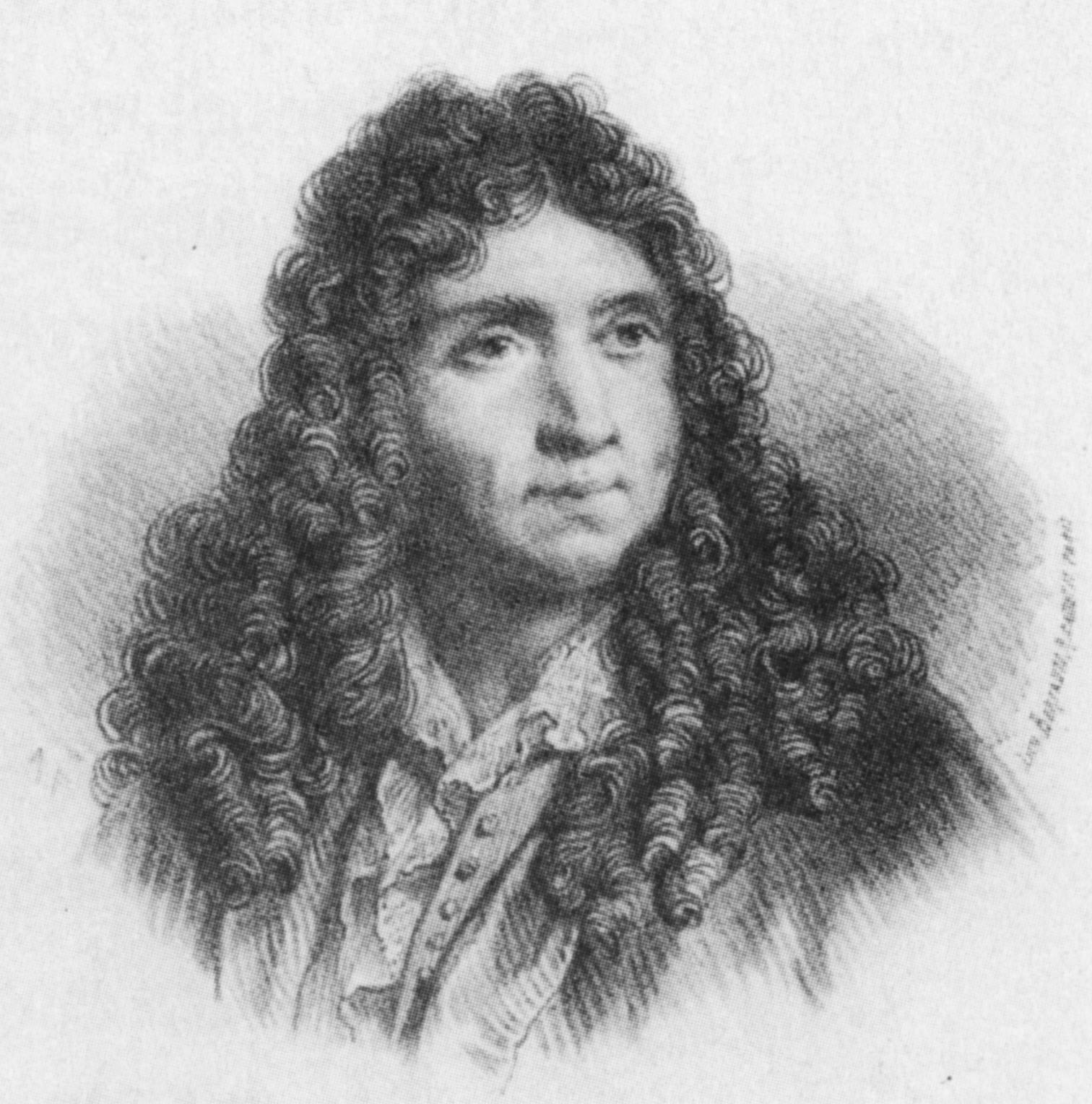
Works
4 stage works credited to Pierre Beauchamp, 1653–1670.
- Ballet Royal de la Nuit (1653)Ballet · Choreographer
- Les Fâcheux (1661)Ballet · Choreographer
- Pastorale comique (1666)Ballet · Choreographer
- Les amants magnifiques (1670)Musical theatre · Choreographer
Credits sourced from Wikidata (CC0), one citation per field. Works without a recorded premiere date are listed last. Titles link to the work in Limelight.
Legacy & Impact
Beauchamp's influence persists at the intersection of performance, pedagogy and notation. He helped build the collaborative court theatre from which French opera and ballet institutions emerged. Later teachers credited him with codifying the five positions of the feet within an evolving practice. The notation system bearing his name gave choreographic pathways and steps a reproducible written form, transforming dance from ephemeral event into a system that could be taught, documented and transmitted. These contributions explain his enduring influence despite the small number of securely attributable dances.


Explore More Legends
Discover the dancers, teachers, choreographers, and cultural icons who shaped how the world moves.
Keep the thread going
Dance history, technique, and the occasional rabbit hole — in your inbox. Thoughtful, infrequent, unsubscribe anytime.
Free. No spam. One click to leave.