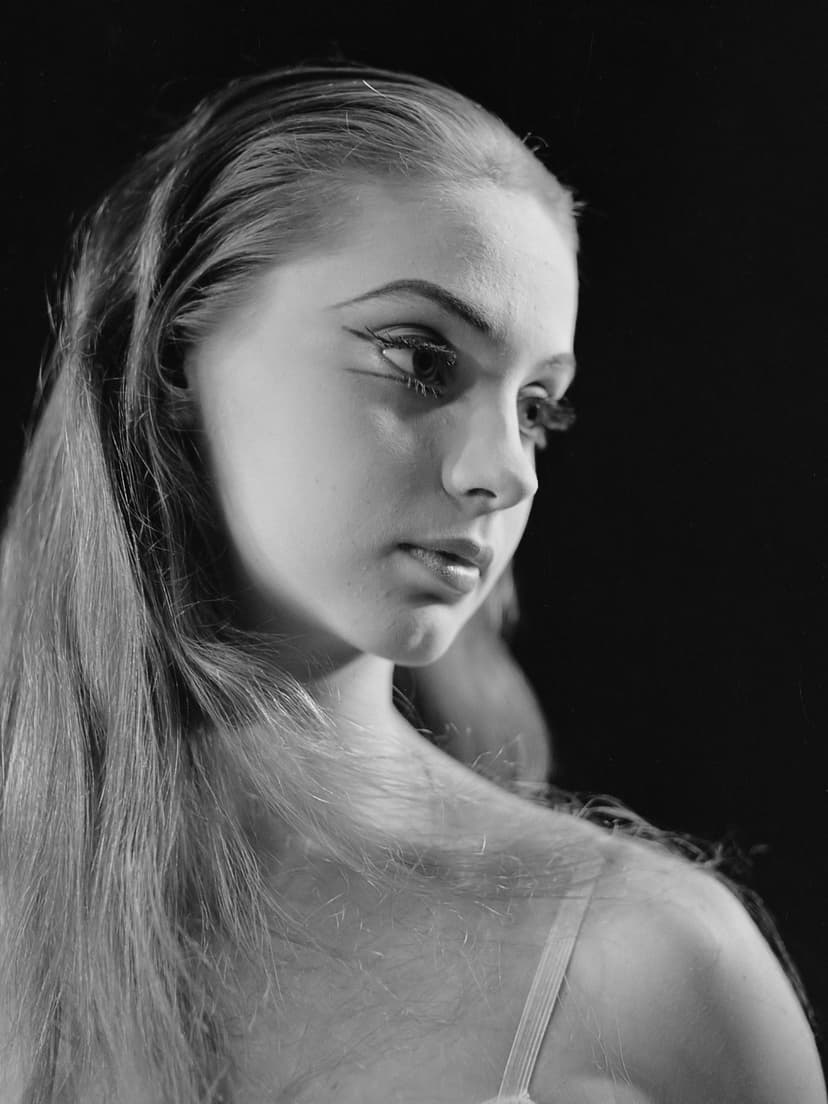
Suzanne Farrell
Legend of Dance
Why They Matter
Farrell matters not only because Balanchine and other choreographers made major roles for her, but because her career joins creation, interpretation, and transmission. Her dancing helped define the scale, musical responsiveness, and daring associated with late Balanchine performance; her later work
Styles Suzanne Farrell shaped
Each one links to the style’s own page — its origins, music, tempo and video.
Watch
SAB Alumni Spotlight: Suzanne Farrell
School of American Ballet
Farrell speaks in an official School of American Ballet alumni feature, providing first-person context for her training and career.
Biography
Suzanne Farrell, born Roberta Sue Ficker in Cincinnati, Ohio in 1945, became one of the defining interpreters of George Balanchine's choreography and a central figure in twentieth-century classical ballet. She began dance training in childhood and studied at the Cincinnati Conservatory of Music before receiving a Ford Foundation scholarship in 1959 to the School of American Ballet in New York. She joined New York City Ballet in fall 1961, rising from corps member to principal dancer by the middle of the decade with unusual speed.
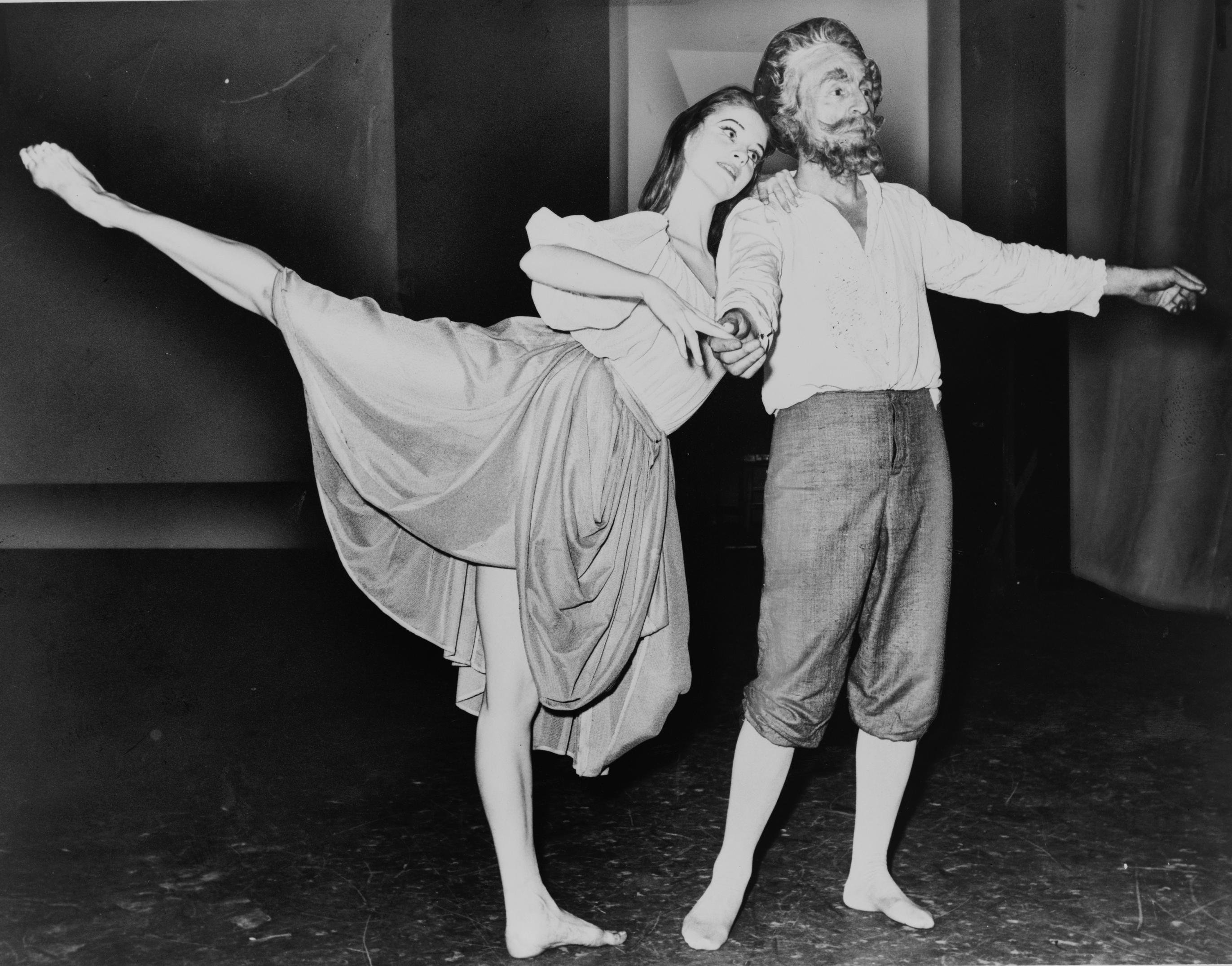
Farrell's artistic partnership with George Balanchine shaped her career trajectory. John Taras created the role of Arcade for her in 1963, and Balanchine soon began making work around her distinctive musicality and physical range. Her 1965 performance as Dulcinea in Balanchine's *Don Quixote* established her as a leading ballerina. Across a 28-year stage career, she danced more than one hundred ballets, with nearly a third created for her by Balanchine—including the *Diamonds* section of *Jewels*, *Chaconne*, and *Mozartiana*.
Her career extended beyond a single company and choreographer. After leaving New York City Ballet in 1969, Farrell joined Maurice Béjart's Brussels-based Ballet of the 20th Century, working in his more theatrical repertory before returning to New York City Ballet in 1975. She resumed creating roles with Balanchine while also dancing work by Jerome Robbins and others, performing in ballets such as *Vienna Waltzes* and Balanchine's late *Mozartiana*.
Hip arthritis affected Farrell increasingly in the 1980s, yet she continued performing until her retirement from the stage in 1989. She then shifted her contribution from interpreting roles to transmitting choreographic knowledge, serving as a coach and répétiteur for New York City Ballet dancers and the George Balanchine Trust. She staged Balanchine ballets for companies across Europe, Russia, and the United States, making preservation an active practice of performance rather than archival documentation alone.
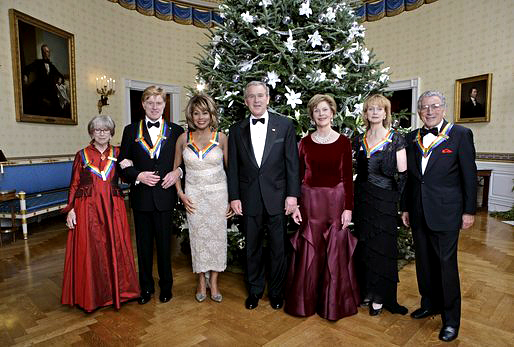
Farrell joined the Florida State University dance faculty in 2000 and founded the Suzanne Farrell Ballet in 2001, based at the Kennedy Center. The company toured nationally and internationally until 2017. Her honors include the National Medal of Arts (2003) and the Kennedy Center Honors (2005). Through university teaching, company direction, and her work with the Balanchine Preservation Initiative, established in 2006, Farrell has ensured that the embodied knowledge of Balanchine's choreography reaches new generations of dancers.
Career Highlights
Awarded a full Ford Foundation scholarship to study at the School of American Ballet. School of American Ballet
Joined New York City Ballet in the fall season. School of American Ballet
Originated John Taras's Arcade and danced the lead in Balanchine and Stravinsky's Movements for Piano and Orchestra. Suzanne Farrell official biography
Created Dulcinea in Balanchine's Don Quixote and was promoted to principal dancer before the company's overseas tours. Suzanne Farrell official biography
Began her creative partnership with Maurice Béjart with Bach Sonate. Suzanne Farrell official biography
Returned to New York City Ballet and renewed her collaboration with Balanchine. Suzanne Farrell official biography
Retired from stage performance after a 28-year career. Suzanne Farrell official biography
Founded the Suzanne Farrell Ballet, based at the Kennedy Center. FSU College of Fine Arts
Received the National Medal of Arts. National Endowment for the Arts
Received the Kennedy Center Honors. FSU College of Fine Arts
Established the Balanchine Preservation Initiative to revive and document less frequently performed works. Suzanne Farrell official biography
The Suzanne Farrell Ballet concluded after touring nationally and internationally. FSU College of Fine Arts
Legacy & Impact
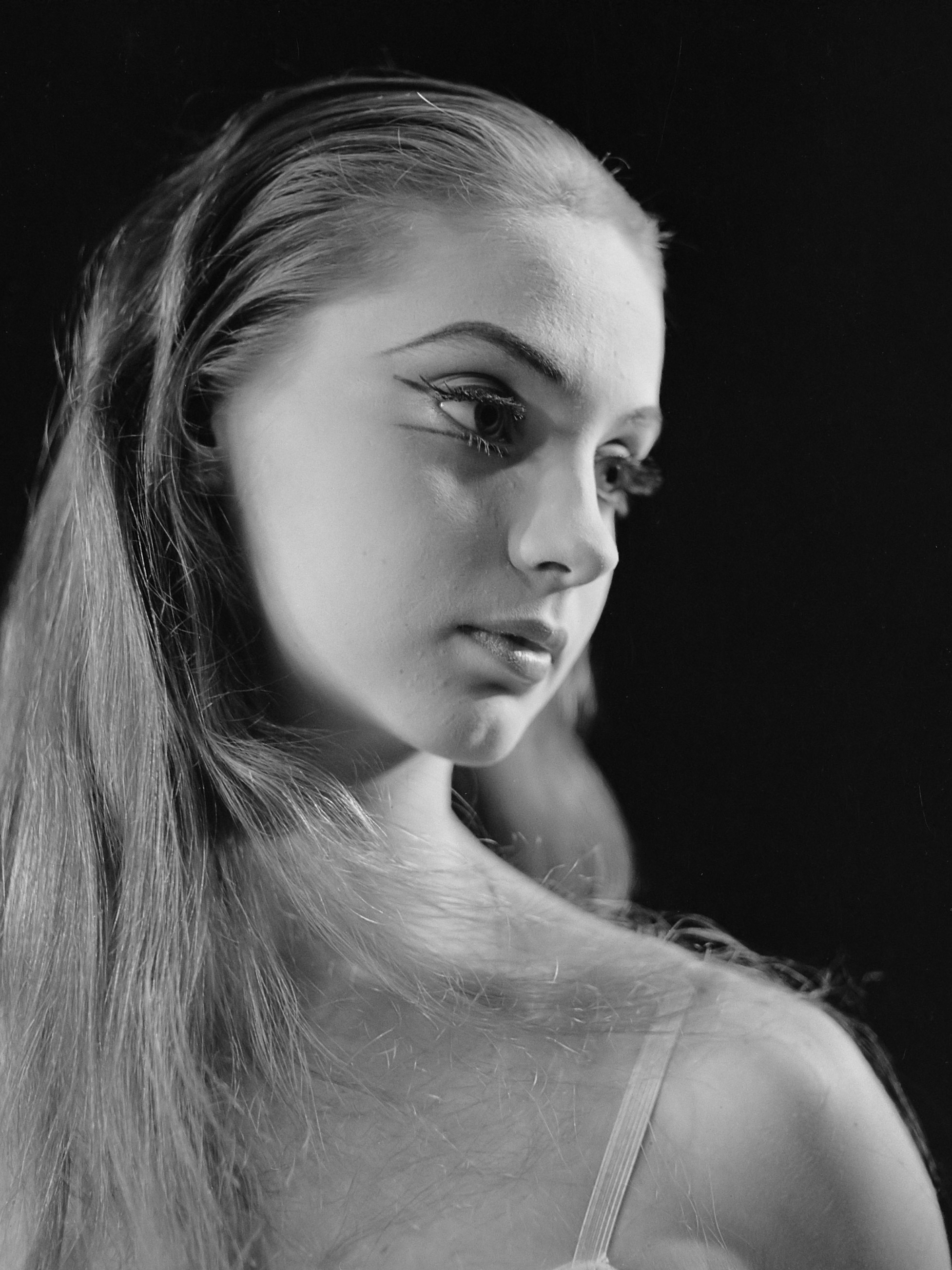
Farrell's significance extends across three distinct but related roles: originating major works, interpreting them with musical and dramatic conviction, and later stewarding the repertory through teaching, staging, and direction. Her dancing helped define the scale and responsiveness associated with late Balanchine performance; her work as a coach and répétiteur gave dancers access to embodied knowledge that notation and film cannot fully convey. She demonstrates that repertory preservation is an interpretive responsibility, requiring fidelity to structure while cultivating living performers rather than museum replicas.


Explore More Legends
Discover the dancers, teachers, choreographers, and cultural icons who shaped how the world moves.
Keep the thread going
Dance history, technique, and the occasional rabbit hole — in your inbox. Thoughtful, infrequent, unsubscribe anytime.
Free. No spam. One click to leave.