Balanchine Method
Also known as: Balanchine technique, the SAB style, New York City Ballet style, American neoclassical training
History & Cultural Context
George Balanchine (1904-1983) was trained in the Imperial school in Petrograd and carried that grounding with him when Lincoln Kirstein brought him to the United States, where the School of American Ballet opened in January 1934. Over the following decades he adjusted the classroom to what his choreography needed as the choreography itself changed, so the training that produced dancers in the 1950s is not identical to the training of the late 1970s. He wrote no manual and issued no syllabus; the method exists as an oral tradition passed on by teachers such as Suki Schorer and by generations of former company dancers now teaching across America and abroad. It spread through the regional American companies founded by Balanchine alumni and through the licensing of his ballets, which brings repetiteurs and their expectations into other companies. Its status is contested by some who argue that it is a house style rather than a method, and that argument is itself part of the honest account.
Cultural Significance
The training was built inside a company culture that treated the classical vocabulary as raw material to be recombined rather than a heritage to be preserved, and that ran on plotless one-act works, often to Stravinsky. Its aesthetic came to stand for a distinctly American ballet at a moment when American cultural institutions were consciously establishing themselves against European ones. Because Balanchine's ballets are licensed through a trust that sends stagers with them, the technique travels with the repertoire.
Characteristic Movement & Technique
The hip is allowed to open and release so that extensions go higher and the leg travels further, and the dancer is expected to move through and past the vertical rather than protecting balance. The foot in tendu and in the air is often winged, the hands are open with fingers separated rather than classically rounded, and arms can be angular, elongated or held in positions no earlier school would sanction. Attack is immediate, with steps started without visible preparation, weight carried forward on a high demi-pointe, and the accent placed so that the dancer arrives on the music rather than approaching it.
Partnering Dynamics
Pas de deux in this tradition is fast, weight-shared and often unconventional in its handholds, with the woman taken far off her own axis and returned, and lifts that read as continuations of momentum rather than as displayed feats. The partnering in the leotard ballets in particular treats the two dancers as a single moving structure, with supported promenades taken at speed and shapes that would be impossible for either alone. It is trained in the studio alongside repertoire rather than as a separate examined subject.
Competitive Context
There is no examination system attached to this training; assessment is by audition, by placement within the school, and by the annual workshop performances that function as the entry point to the company. Balanchine repertoire appears less often in international competitions than Petipa, partly because the ballets are licensed and cannot simply be taken up as a variation. Youth America Grand Prix and similar events have nonetheless become a route into American schools, so competition-trained students increasingly enter this training rather than emerging from it.
Regional Variations
What is taught in New York differs from what is taught in the regional companies founded by former Balanchine dancers, because each teacher carries the version of the technique current when they danced. Teachers from the 1950s emphasise different things than those from the 1970s, and there is real disagreement among alumni about which is authentic. Outside the United States the label is often applied loosely to any fast, high-extension, neoclassical training with no direct lineage at all.
Common Misconceptions
It is not a rejection of classical technique; it is an outgrowth of Imperial Russian training pushed toward speed and range, and the vocabulary underneath is orthodox. There is no official codified syllabus, so any claim that a particular set of exercises is the method should be treated as one teacher's account. The thin, long-limbed Balanchine body was a casting preference and an aesthetic of his company, not a requirement produced by or necessary for the training, and conflating the two has done real harm.
Peak Popularity
Signature Figures
- Pirouettes from a wide fourth with a straight back leg
- The winged foot in tendu
- Open, separated fingers
- Arrival on the beat rather than preparation for it
- High demi-pointe and forward weight
Notable Codifiers
- George Balanchine
- Lincoln Kirstein
- Muriel Stuart
- Alexandra Danilova
- Stanley Williams
- Suki Schorer
- Suzanne Farrell
Who governs Balanchine Method
Federations, councils and examining bodies with a recorded role in this style. No single organisation can tell you this — each one knows only itself.
Legends of Balanchine Method
Dancers, choreographers and teachers whose work shaped this style.
Balanchine Method on screen
Films and television where Balanchine Method appears, with the sequences worth watching for.
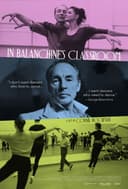
Poster artwork from TMDB.
 This site uses TMDB and the TMDB APIs but is not endorsed, certified, or otherwise approved by TMDB.
Balanchine Method in performance
17 staged works in the Limelight catalogue contain Balanchine Method, 1870–1978 — 2 of them in a named act or number.
- Coppélia1870Ballet · Arthur Saint-Léon, George Balanchine · defining styleAct III · Grand Pas de deux
Act III, in Balanchine's 1974 New York City Ballet production — Balanchine replaced the Act III finale with new choreography and added a corps of 24 young girls dancing the Waltz of the Hours, Dawn, Prayer and Work variations in his own idiom Source: "Balan…
- La Valse1951Ballet · George BalanchineEighth Waltz
Eighth Waltz solo variation for the ballerina in white — Balanchine directed the dancer toward torso contraction and a quality of 'plastique' rather than pure academic line, illustrating his method's blending of classical steps with expressive distortion. S…
- Mozartiana1933Ballet · George Balanchine · defining style
Whole work — A plotless, small-cast structure built directly from the music's movements — principal ballerina, two men, a corps of four women, and four young girls — typical of Balanchine's spare, musically driven ensemble design. Source: "Mozartiana is dan…
- Serenade1934Ballet · George Balanchine · defining style
the whole ballet, as a graded teaching structure — Choreographed explicitly as pedagogical material for School of American Ballet students, escalating in technical demand so it could serve as both classroom and graduation exercise. Source: "the ballet was f…
- Concerto Barocco1941Ballet · George Balanchine · defining style
the entire ballet — Fast, musically exacting phrasing with syncopated accents laid over classical steps, characteristic of Balanchine's own developing choreographic method at the School of American Ballet. Source: "In the original choreography, Balanchine i…
- Ballet · George Balanchine · defining style
The whole ballet's choreographic vocabulary — Choreography built directly from the music's pulse, with characteristic weight-shifts and foot/leg articulation later identified as core to Balanchine's own developing technique. Source: "The choreography stems…
- Ballet · George Balanchine · defining style
the lead couple's pas de deux material throughout the ballet — Balanchine reportedly directed the male lead away from dramatic, prince-like interpretation and toward the steps themselves, escalating technical complexity to suppress personal interpretation i…
- Ballet · George Balanchine · defining style
the entire ballet, principal couple and corps of eight — fast turns, beats and pirouettes demanding exactness and control beneath apparent freedom, described by the originating dancers as requiring 'strong, broad dancing spaced in very little time' Source:…
- Ballet · George Balanchine · defining style
The entire ballet, across all five movements — Choreographed by Balanchine himself as an abstract, score-driven structure of solos and ensembles for a plotless cast of principals and corps, described by a Balanchine scholar as characteristic of his purest w…
- Ballet · George Balanchine · defining style
The entire pas de deux — Fast attack, sharp footwork and expanded amplitude in lifts and jumps characteristic of Balanchine's choreography for New York City Ballet dancers, as described through the variations and coda. Source: "Tschaikovsky Pas de Deux open…
- Tarantella1964Ballet · George Balanchine · defining style
The whole pas de deux — Choreography built explicitly around Villella's speed and jump and McBride's matching technique, described by the dancer as physically punishing bravura passages performed at full-out attack. Source: "to showcase New York City Ballet…
- Jewels1967Ballet · George Balanchine · defining style
the whole work — This is Balanchine's own choreography made for the company he founded to realise his method; the article credits him as sole choreographer and 'founding choreographer' of NYCB. Source: "Jewels is a three-act ballet created for the New York…
- Who Cares?1970Ballet · George Balanchine · defining style
The whole ballet — Balanchine's own choreography throughout, described by an original cast member as pointe technique carrying jazz-derived musicality rather than a conventional jazz-dance treatment of Gershwin. Source: "he put it on pointe – it's sort of l…
- Ballet · George Balanchine · defining style
The whole ballet, danced by NYCB principals and corps — Dancers describe the choreography as a defining test of the Balanchine idiom itself, requiring the speed, attack and musicality specific to his method rather than a generic classical vocabulary. Source…
- Union Jack1976Ballet · George Balanchine · defining style
the whole work — A full-company ensemble ballet built by Balanchine for New York City Ballet, using his ensemble ballet-vocabulary throughout rather than a narrative dramatic idiom. Source: "Union Jack is a ballet made by New York City Ballet co-founder and…
- Ballet · George Balanchine · defining style
Whole ballet, especially the lead ballerina's variations and coda — Fast, torque-driven pointe work with spiralling épaulement through the limbs, built specifically to exploit one dancer's speed, precision and extreme range of movement. Source: "The squaren…
- Sylvia1876Ballet · Frederick Ashton, Louis Mérante
Sylvia Pas de Deux, New York City Ballet, 1950 (excerpted concert piece, separate from the full-length stagings) — a stand-alone concert pas de deux extracted and choreographed independently of the full-length narrative productions Source: "the New York Cit…
Every claim above is quoted from a cited source and names where in the work the style appears. Claims we could not place or could not quote are held back from this list and shown on the work’s own page instead. Browse the full performance catalogue →
Sources & Further Reading
Cultural & Historical Context
Balanchine Method emerged from New York City, United States during 1934—present day. Understanding the cultural roots, musical traditions, and social circumstances of this era enriches appreciation for the dance's characteristics and significance.
Formative Influences
Codifiers & Standardizers:
George Balanchine, Lincoln Kirstein, Muriel Stuart, Alexandra Danilova, Stanley Williams, Suki Schorer, Suzanne Farrell
Signature Movement Vocabulary:
Pirouettes from a wide fourth with a straight back leg, The winged foot in tendu, Open, separated fingers, Arrival on the beat rather than preparation for it, High demi-pointe and forward weight
Primary Source Documents
The Library of Dance contains public-domain primary sources for dance history. Copyrighted modern syllabi are indexed with purchase links to their respective copyright owners. Search by dance name or codifier to discover primary source documents.
Last reviewed: September 2026 — This dance profile synthesizes historical research, cultural documentation, and contemporary practice knowledge to provide authoritative context.
More in Ballet
Ballet de Cour (Court Ballet)
The aristocratic court spectacle from which ballet grew, danced by nobles (including Louis XIV) and codified into the five positions and turnout under Beauchamp at the Académie Royale de Danse (1661).
Romantic Ballet
The early-19th-century era that introduced pointe work, the ethereal 'white ballet,' and the ballerina as central figure, exemplified by La Sylphide (1832) and Giselle (1841).
Classical Ballet
The full-evening story-ballet style perfected by Marius Petipa in Imperial Russia—Swan Lake, The Sleeping Beauty, The Nutcracker—that defines the core ballet repertory and codified virtuoso classical technique.
Neoclassical Ballet
The 20th-century style—pioneered by George Balanchine with Apollo (1928)—that retained classical technique while stripping narrative and scenery for speed, line, extension, and pure response to music.
Contemporary Ballet
The late-20th-century-onward fusion of classical ballet technique with modern and contemporary dance, associated with choreographers such as William Forsythe and Jiří Kylián.
Pre-Ballet & Creative Movement
The early-childhood foundation class that introduces rhythm, spatial awareness and basic ballet vocabulary through imaginative, imagery-led movement rather than formal syllabus work.
Vaganova Method
A pedagogical system for training classical ballet dancers, not a choreographic style or a period repertoire. Agrippina Vaganova built it by analysing what the French, Italian and older Russian teachers of the Imperial school had each done well, and fixing the result as a progressive year-by-year course. It is the training behind the Kirov and Bolshoi companies and, in diluted or borrowed form, behind a large share of ballet teaching worldwide.
Cecchetti Method
A training method rather than a style of choreography, built on a fixed weekly cycle of set exercises so that the whole vocabulary is covered every six days and no muscle group is overworked. Enrico Cecchetti taught it to a generation that included Pavlova, Nijinsky and Karsavina; it was written down by his London pupils and admirers in the 1920s. Its concern is anatomical economy: strength built without strain, and the same effort available on the sixth day as on the first.
Royal Academy of Dance (RAD) Method
A graded teaching and examination syllabus rather than a technical school descended from one master, assembled in 1920 by teachers of five different national traditions who wanted a common standard for ballet teaching in Britain. Its structure is a ladder of examined levels, each with set exercises, taken by children and by vocational students. It is now the most widely examined ballet syllabus in the world.
Bournonville Method
The training developed by August Bournonville for the Royal Danish Ballet, built to serve his own ballets and preserved in Copenhagen long after the French style it descends from had disappeared in Paris. It trains a jump that appears to cost nothing, intricate beaten footwork, and an upper body that stays modest while the legs do difficult things. It is the closest surviving link to early nineteenth-century French classroom practice.
Ballet in art
Browse the gallery →Works from the wider Ballet tradition — we have not yet identified enough that depict Balanchine Method specifically.
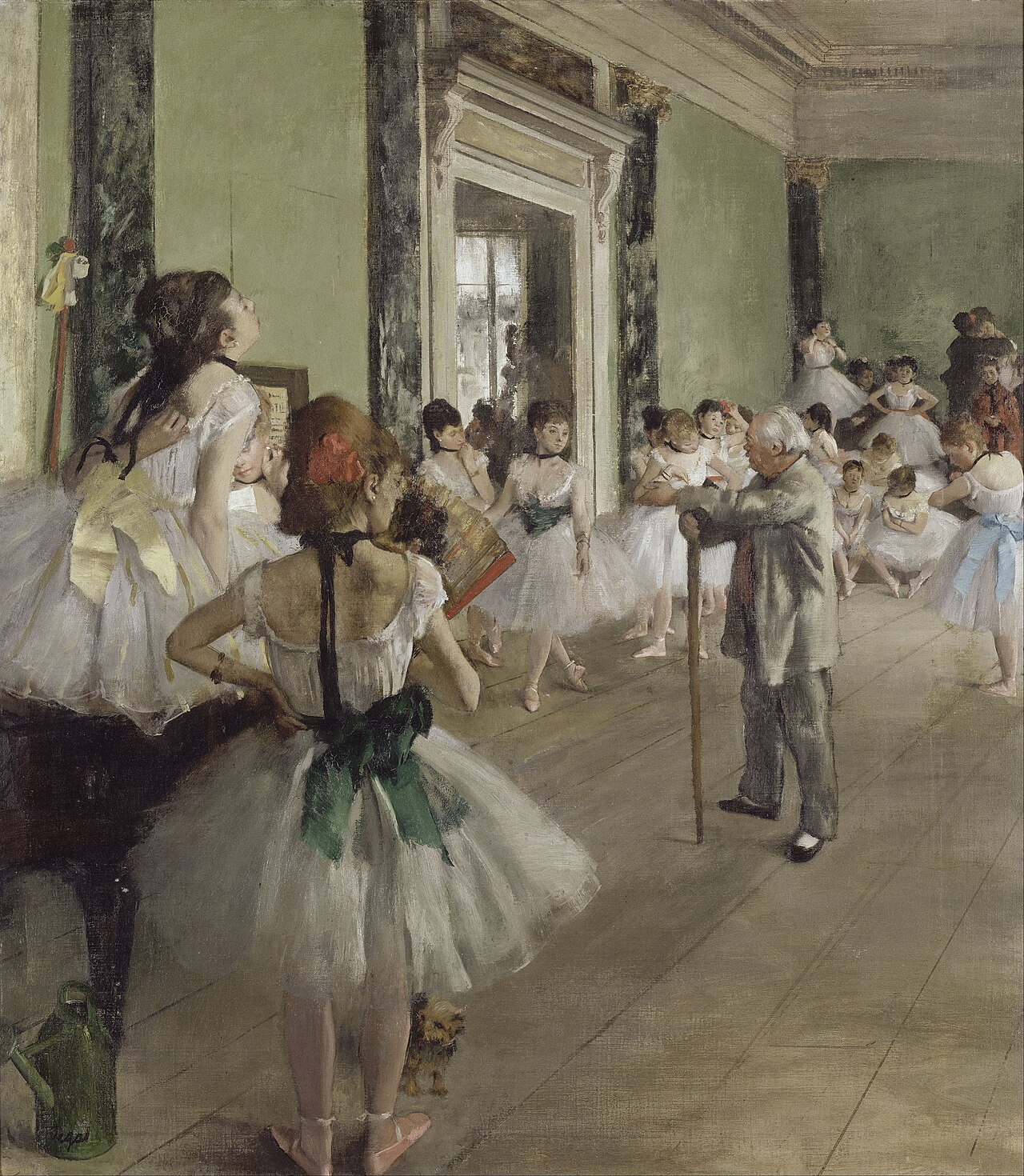
The Dance Class
Edgar Degas
public_domain
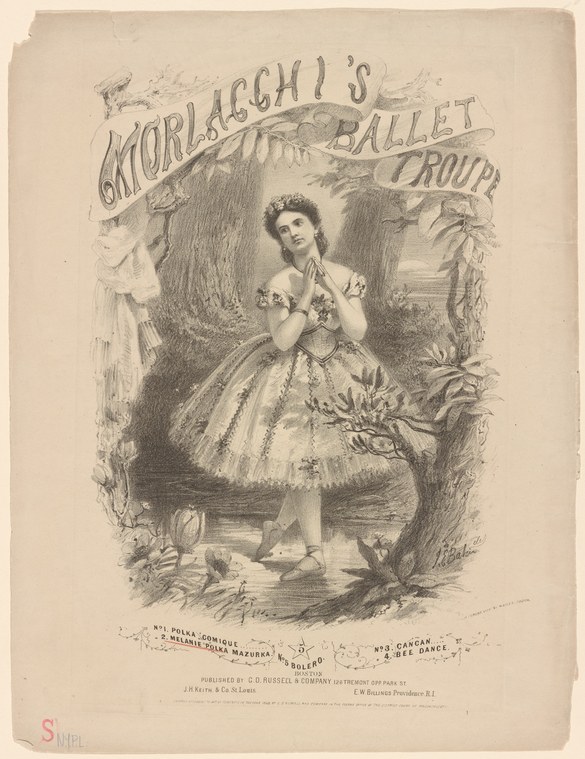
Morlacchi's Ballet Troupe
Unknown artist · 2019
public_domain
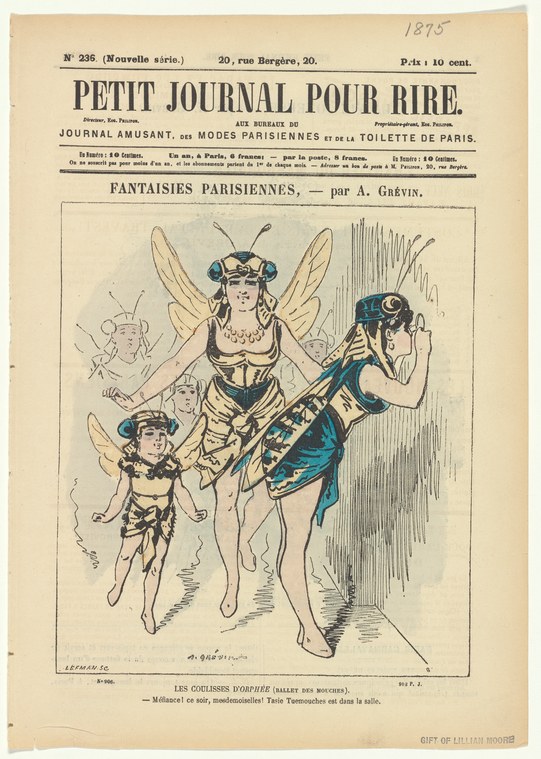
Dance cartoons
Unknown artist · 2019
public_domain
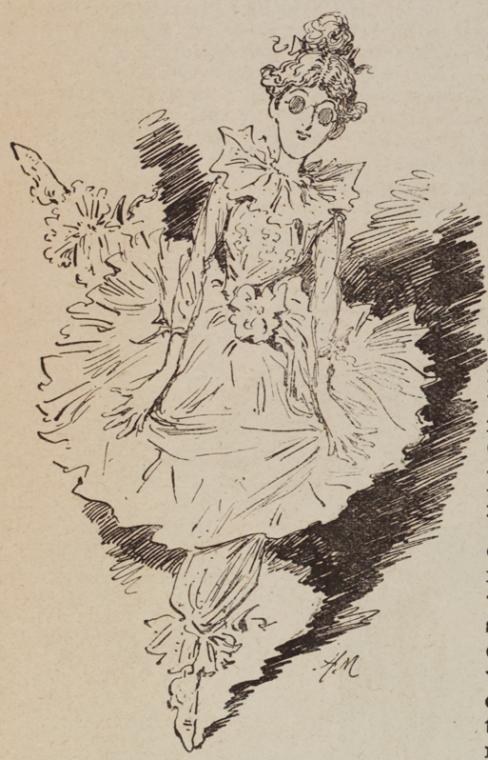
Ballet dancer
Unknown artist
public_domain
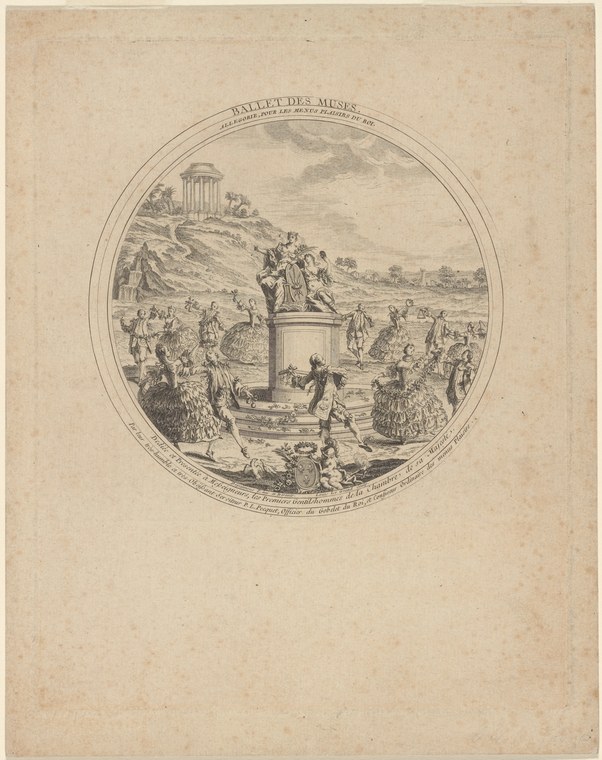
Ballet des muses
Unknown artist
public_domain
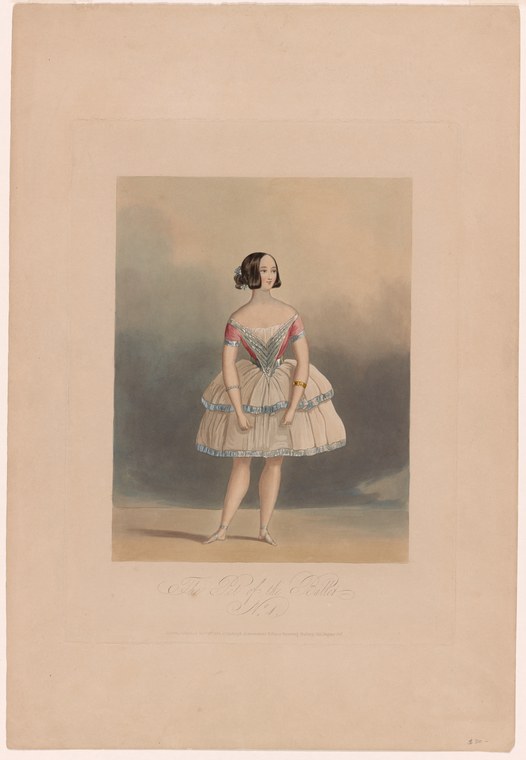
The Pet of the Ballet
Unknown artist · 2023
public_domain
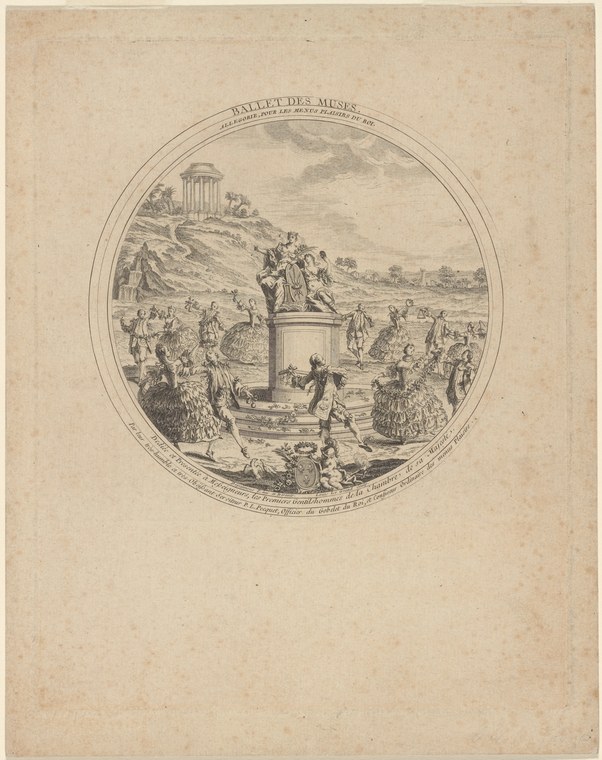
Ballet des muses
Unknown artist · 2013
public_domain
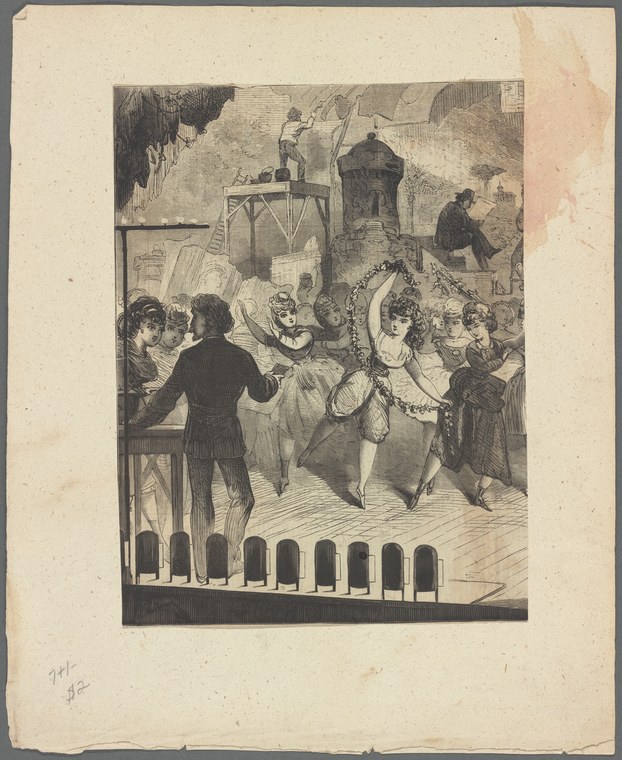
Ballet rehearsal onstage
Unknown artist
public_domain
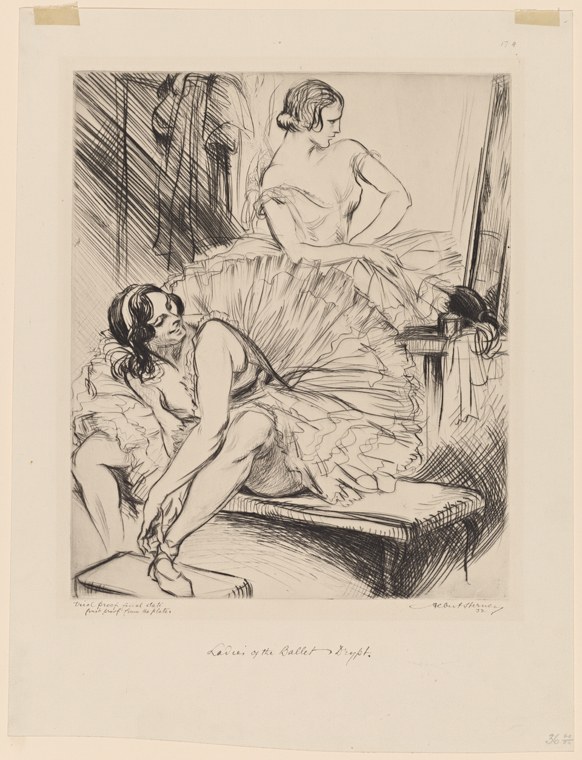
Ladies of the ballet
Unknown artist
public_domain
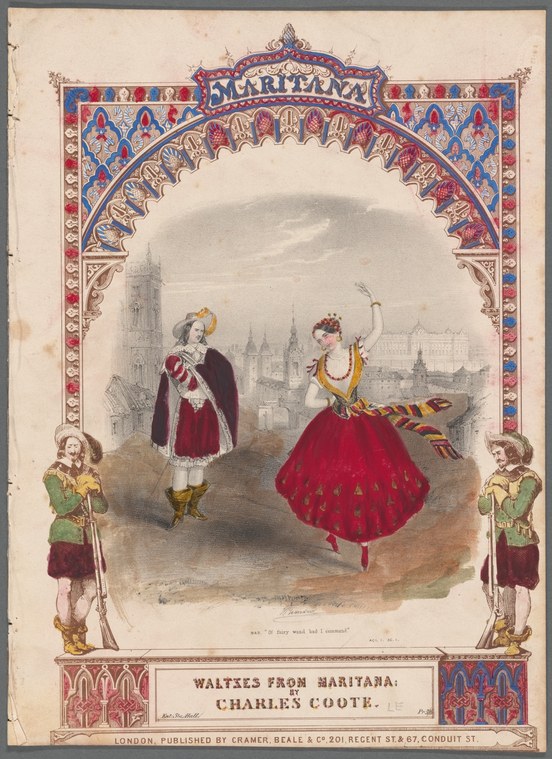
Waltzes from Maritana
Unknown artist
public_domain
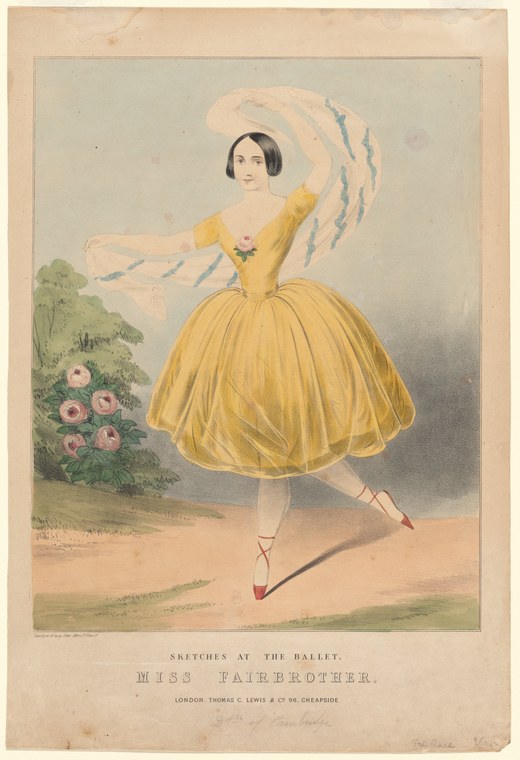
Sketches at the ballet
Unknown artist · 2019
public_domain
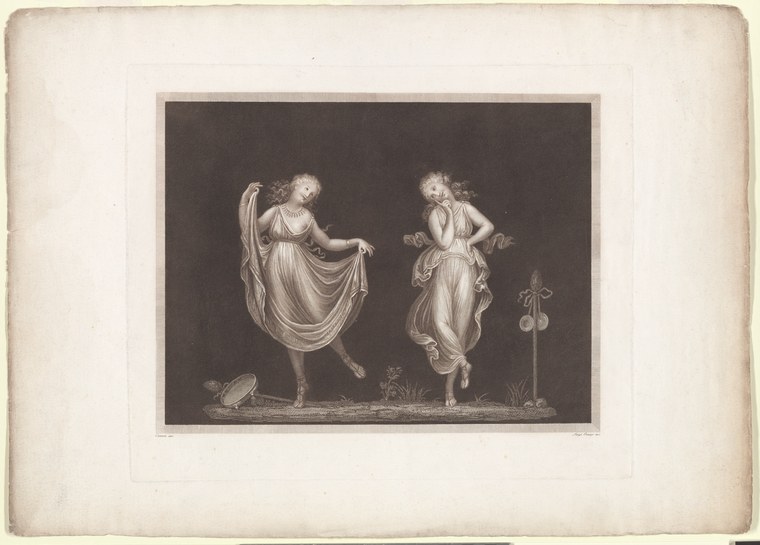
Ancient dancing
Unknown artist · 2019
public_domain
Continue Exploring
Lineage of Dance
500 years of dance evolution
Champions of Dance
Winners of marquee national & world titles
Language of Dance
161 dance terms & translations
Listening of Dance
Tempo, timing & musicality tools
Gallery of Dance
5,700+ artworks from museum collections
Attire of Dance
Evolution of dance dress across eras
Keep the thread going
Dance history, technique, and the occasional rabbit hole — in your inbox. Thoughtful, infrequent, unsubscribe anytime.
Free. No spam. One click to leave.