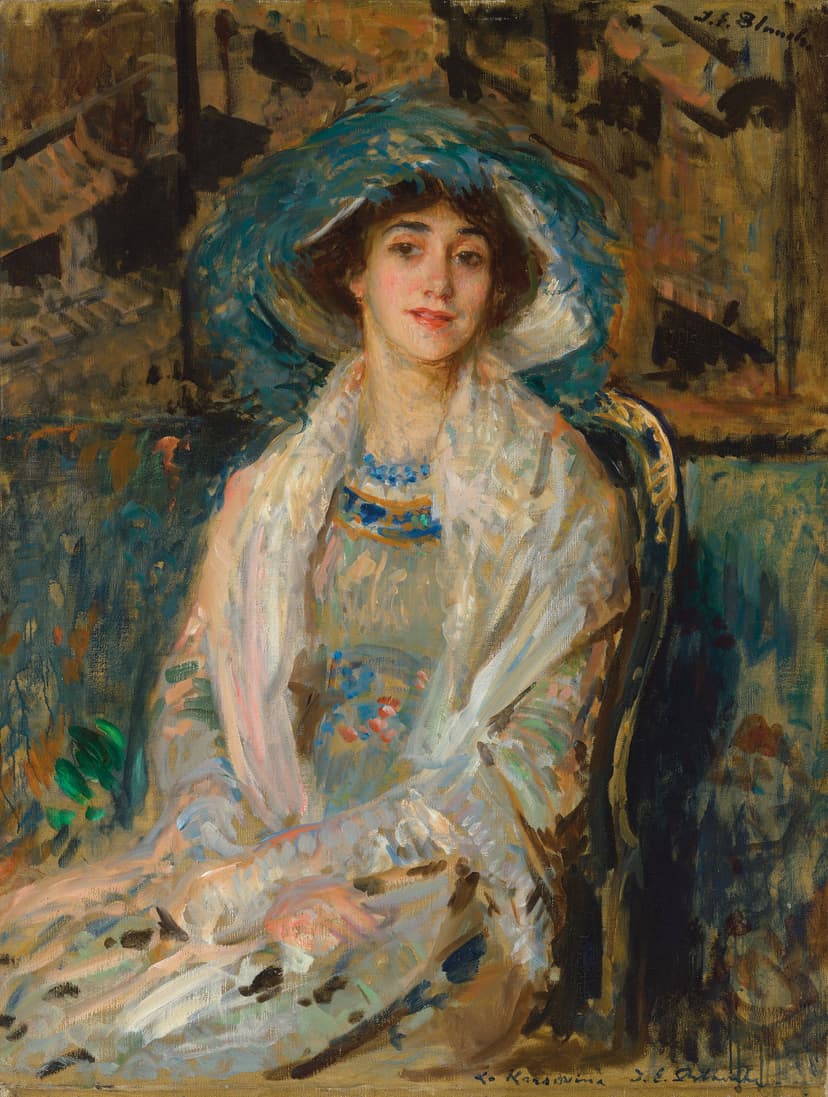
Tamara Karsavina
Legend of Dance
Why They Matter
Karsavina matters because her career links three histories often narrated separately: Imperial Russian classical schooling, the Ballets Russes’ early interdisciplinary experiments, and the institutional growth of British ballet. Her stage authority helped Fokine’s roles register as living drama, but
Styles Tamara Karsavina shaped
Each one links to the style’s own page — its origins, music, tempo and video.
Biography
Tamara Platonovna Karsavina was born in Saint Petersburg in 1885 and trained at the Imperial Ballet School, beginning her professional career at the Maryinsky Theatre. She became a central interpreter of Imperial Russian classical ballet before joining Serge Diaghilev's Paris venture in 1909, where she worked closely with choreographer Michel Fokine. In 1910 she created the title role in *The Firebird*, premiered on 25 June to Igor Stravinsky's score, with designs by Aleksandr Golovin and Léon Bakst. The following year brought two landmark roles: she danced with Vaslav Nijinsky in the original cast of Fokine's *Le Spectre de la Rose*, premiered on 19 April in Monte Carlo, and created a role in Fokine's *Petrushka*. She continued performing with the Maryinsky Theatre until 1918, and in 1920 appeared with Léonide Massine in the original cast of *Pulcinella*, with music by Stravinsky and designs by Henri Matisse.
Karsavina's significance lay not only in her stage performances but in her role as a conduit between Imperial training and Ballets Russes experimentation. The roles created for her—from *The Firebird*'s swift shifts between animal alertness and lyrical release, to *Le Spectre de la Rose*'s intimate, suspended phrasing, to the character clarity demanded by *Petrushka* and *Pulcinella*—reveal an artistry that integrated line, épaulement, mime, musical timing, and dramatic intention within classical technique.
In 1920 Karsavina joined the founding committee of the Association of Teachers of Operatic Dancing of Great Britain, later the Royal Academy of Dance, a decision that reoriented her influence from performance toward institutional growth and pedagogy. She undertook European recital tours during the 1920s and published her autobiography *Theatre Street* in 1930. From 1920 to 1955 she served as vice-president of the Royal Academy of Dancing. She contributed numerous articles and books on technique and in 1954 devised the Karsavina Syllabus for the Academy's teacher-training course.
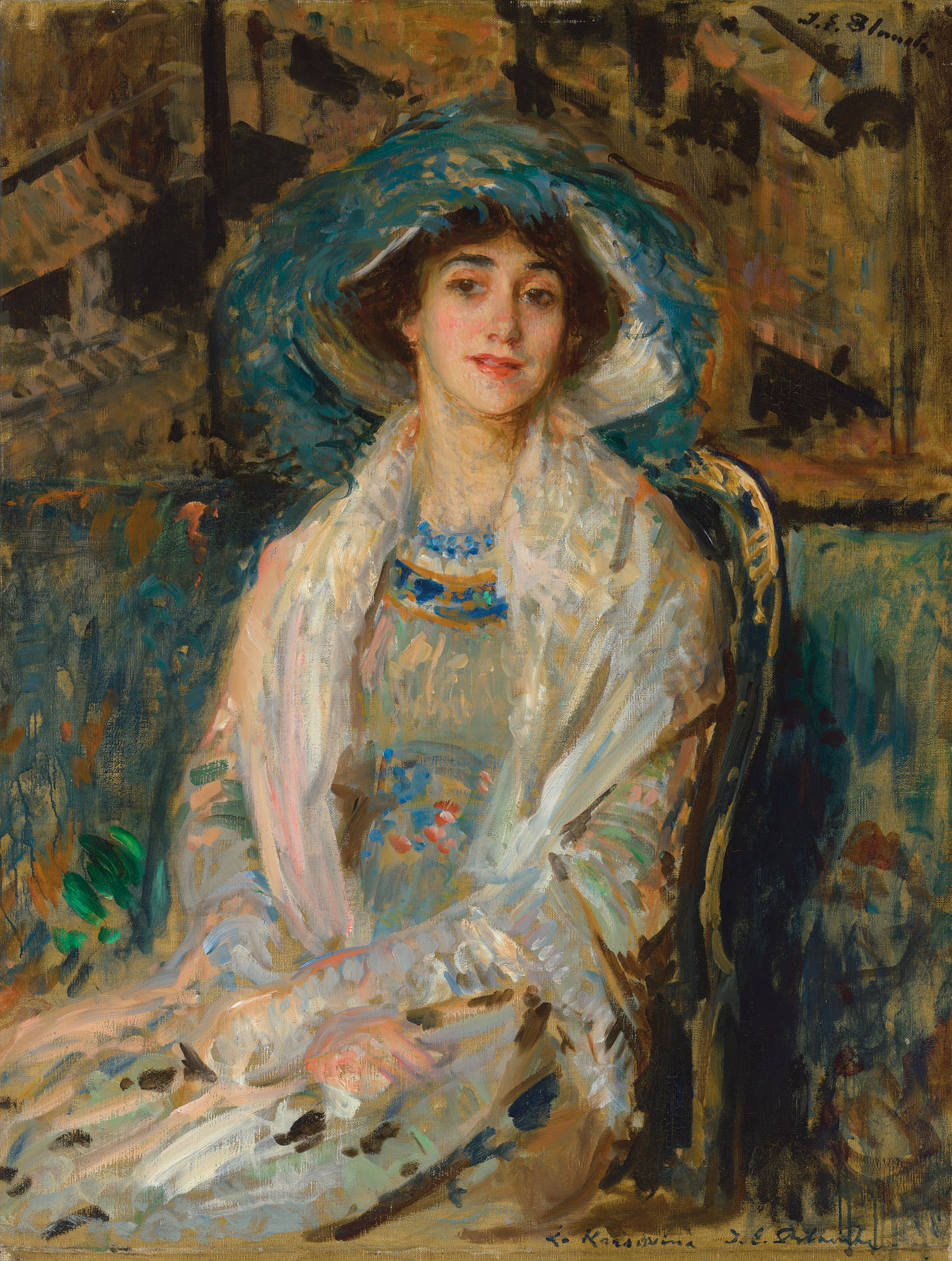
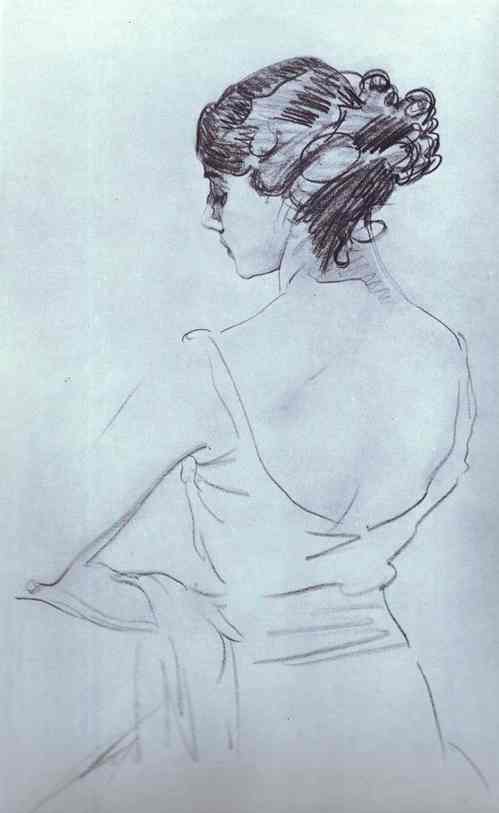
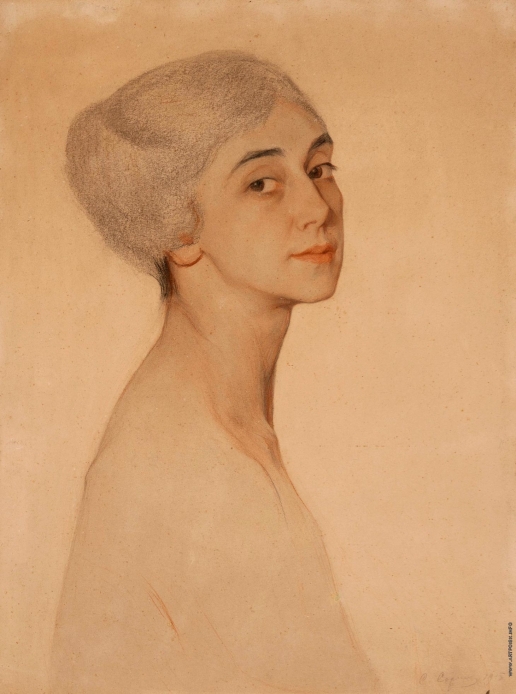
Karsavina's later years were devoted to transmission: coaching dancers, writing about technique, developing teaching syllabi, and assisting with revivals of early twentieth-century works. These activities preserved practical knowledge that might otherwise have disappeared. She died in 1978 in Beaconsfield, England. Her surviving portraits, archival documents, and institutional collections continue to make it possible to study how an Imperial ballerina became both a central Ballets Russes interpreter and a contributor to the foundations of British ballet training.
Career Highlights
Graduated from the Imperial Ballet School and began her professional career at the Maryinsky Theatre; the graduation year is widely reported, while the institutional National Portrait Gallery page confirms the training and career sequence. National Portrait Gallery National Portrait Gallery
Joined Diaghilev’s first Paris season and appeared in Fokine’s Cléopâtre. Royal Academy of Dance Library of Congress Royal Academy of Dance
Created the title role in The Firebird, premiered in Paris on 25 June, in a production choreographed by Michel Fokine to Igor Stravinsky’s score. Library of Congress Library of Congress
Danced with Vaslav Nijinsky in the original cast of Fokine’s Le Spectre de la Rose, premiered in Monte Carlo on 19 April. Library of Congress Library of Congress
Created a role in Fokine’s Petrushka, one of the works singled out in the National Portrait Gallery’s career summary. National Portrait Gallery National Portrait Gallery
Performed in the Ballets Russes production Salomé in a costume preserved by the Victoria and Albert Museum. Victoria and Albert Museum Victoria and Albert Museum
Ended her documented period of continuing performance with the Maryinsky Theatre. National Portrait Gallery National Portrait Gallery
Appeared with Léonide Massine in the original cast of Pulcinella, premiered in Paris on 15 May. Library of Congress Library of Congress
Joined the founding committee of the Association of Teachers of Operatic Dancing of Great Britain, later the Royal Academy of Dance. Royal Academy of Dance Royal Academy of Dance
Published her autobiography Theatre Street. National Portrait Gallery National Portrait Gallery
The Karsavina Syllabus was devised for the Royal Academy of Dance’s teacher-training course. Royal Academy of Dance Royal Academy of Dance
Gallery
Legacy & Impact
Karsavina matters because her career bridges three histories usually told separately: Imperial Russian classical training, the early Ballets Russes' interdisciplinary experiments, and the institutional formation of British ballet. Her authority on stage helped Fokine's roles register as dramatic truth, but her teaching, writing, syllabus work, and Royal Academy service converted personal experience into repeatable professional knowledge. The legacy belongs to a network of collaborators—Fokine, Stravinsky, Nijinsky, Diaghilev, designers, and fellow dancers—rather than to a single figure, and it remains active in how ballet schools teach and how early twentieth-century works are reconstructed.


Explore More Legends
Discover the dancers, teachers, choreographers, and cultural icons who shaped how the world moves.
Keep the thread going
Dance history, technique, and the occasional rabbit hole — in your inbox. Thoughtful, infrequent, unsubscribe anytime.
Free. No spam. One click to leave.