Royal Academy of Dance (RAD) Method
Also known as: Royal Academy of Dancing, Association of Operatic Dancing of Great Britain, RAD syllabus, the English style
History & Cultural Context
The Association of Operatic Dancing of Great Britain was founded in London in 1920 at a meeting convened by Philip Richardson of the Dancing Times, with the Danish-trained Adeline Genée as its first president and a founding committee representing the Danish, French, Italian, Russian and English traditions. Its purpose was regulatory as much as artistic: to raise the standard of ballet teaching by certifying teachers and examining pupils against a common syllabus. It received a royal charter in 1936 and became the Royal Academy of Dancing, changing to Royal Academy of Dance in 1999; Genée was succeeded as president by Margot Fonteyn, then Antoinette Sibley, then Darcey Bussell. The syllabus has been revised repeatedly, most substantially in the graded work in the early 2010s, and the qualifications are regulated in England within the national framework. Its reach today is institutional rather than stylistic, with examinations, teacher training and a faculty of education spanning some eighty countries.
Cultural Significance
The Academy was created in a Britain that had no national ballet company and a commercial dance-teaching sector of very uneven quality, and its founding purpose was to fix that through certification. It grew alongside the Royal Ballet and the Royal Ballet School but has always been a separate body with a separate remit. Its later expansion through the Commonwealth and beyond made it an examining institution as much as a teaching method, and its qualifications carry weight in education systems that recognise formal accreditation.
Characteristic Movement & Technique
The training favours clarity of line and a calm, held upper body with softly rounded arms carried at a moderate height, épaulement present but understated rather than dramatic. Placement is taught conservatively from the ground up, with the pelvis square and turnout worked to what the individual joint allows; extensions are not pushed early. Head and arm coordination is set precisely by the syllabus, and allegro is trained for accuracy of foot and clean fifth positions before height or attack.
Partnering Dynamics
Pas de deux is not part of the graded children's syllabus and appears only in the upper vocational work, where supported adage and simple lifts are introduced. The Academy's contribution to partnering is indirect, through placement, musical accuracy and a secure centre. Students heading for a professional career normally learn partnering in a vocational school or company rather than through examination work.
Competitive Context
This is the examination-based method par excellence. Candidates take Pre-Primary and Primary in Dance, then Grades 1 to 8, and in a parallel vocational stream Intermediate Foundation, Intermediate, Advanced Foundation, Advanced 1 and Advanced 2, with the Solo Seal award at the top; results are awarded as Pass, Merit or Distinction by a visiting RAD examiner against published criteria. The two streams run alongside each other rather than in a single line, so a student may be in a graded class and a vocational class at once. The Academy also runs an international competition for vocational students, founded in 1931 as the Genée and renamed the Margot Fonteyn International Ballet Competition in 2020.
Regional Variations
The syllabus is centrally set and examiners travel, which keeps the technical content unusually consistent across countries, but the surrounding culture varies enormously: in some countries RAD is a general children's activity, in others a vocational pathway. Character dance in the graded syllabus is taught with noticeably different flavour depending on local teaching lineage. Individual schools also differ in how much they supplement the syllabus with free class.
Common Misconceptions
It is often called a school of technique in the same sense as Vaganova or Bournonville, but it was designed as a common standard drawing on several existing schools, not as one master's system. The grades are not a straight ladder of difficulty leading into the vocational grades; the two streams are parallel and serve different purposes. And the English style associated with the Royal Ballet comes from Ninette de Valois and the Royal Ballet School, which is a separate institution from the Academy.
Peak Popularity
Signature Figures
- Graded examinations from Pre-Primary to Grade 8
- Vocational grades through to Solo Seal
- Set exercises with prescribed music
- Free movement and character within the graded syllabus
- Certified teacher training
Notable Codifiers
- Adeline Genée
- Philip J. S. Richardson
- Edouard Espinosa
- Tamara Karsavina
- Phyllis Bedells
- Margot Fonteyn
Who governs Royal Academy of Dance (RAD) Method
Federations, councils and examining bodies with a recorded role in this style. No single organisation can tell you this — each one knows only itself.
Legends of Royal Academy of Dance (RAD) Method
Dancers, choreographers and teachers whose work shaped this style.
Sources & Further Reading
Cultural & Historical Context
Royal Academy of Dance (RAD) Method emerged from London, England during the 1920s—present day. Understanding the cultural roots, musical traditions, and social circumstances of this era enriches appreciation for the dance's characteristics and significance.
Formative Influences
Codifiers & Standardizers:
Adeline Genée, Philip J. S. Richardson, Edouard Espinosa, Tamara Karsavina, Phyllis Bedells, Margot Fonteyn
Signature Movement Vocabulary:
Graded examinations from Pre-Primary to Grade 8, Vocational grades through to Solo Seal, Set exercises with prescribed music, Free movement and character within the graded syllabus, Certified teacher training
Primary Source Documents
The Library of Dance contains public-domain primary sources for dance history. Copyrighted modern syllabi are indexed with purchase links to their respective copyright owners. Search by dance name or codifier to discover primary source documents.
Last reviewed: September 2026 — This dance profile synthesizes historical research, cultural documentation, and contemporary practice knowledge to provide authoritative context.
More in Ballet
Ballet de Cour (Court Ballet)
The aristocratic court spectacle from which ballet grew, danced by nobles (including Louis XIV) and codified into the five positions and turnout under Beauchamp at the Académie Royale de Danse (1661).
Romantic Ballet
The early-19th-century era that introduced pointe work, the ethereal 'white ballet,' and the ballerina as central figure, exemplified by La Sylphide (1832) and Giselle (1841).
Classical Ballet
The full-evening story-ballet style perfected by Marius Petipa in Imperial Russia—Swan Lake, The Sleeping Beauty, The Nutcracker—that defines the core ballet repertory and codified virtuoso classical technique.
Neoclassical Ballet
The 20th-century style—pioneered by George Balanchine with Apollo (1928)—that retained classical technique while stripping narrative and scenery for speed, line, extension, and pure response to music.
Contemporary Ballet
The late-20th-century-onward fusion of classical ballet technique with modern and contemporary dance, associated with choreographers such as William Forsythe and Jiří Kylián.
Pre-Ballet & Creative Movement
The early-childhood foundation class that introduces rhythm, spatial awareness and basic ballet vocabulary through imaginative, imagery-led movement rather than formal syllabus work.
Vaganova Method
A pedagogical system for training classical ballet dancers, not a choreographic style or a period repertoire. Agrippina Vaganova built it by analysing what the French, Italian and older Russian teachers of the Imperial school had each done well, and fixing the result as a progressive year-by-year course. It is the training behind the Kirov and Bolshoi companies and, in diluted or borrowed form, behind a large share of ballet teaching worldwide.
Cecchetti Method
A training method rather than a style of choreography, built on a fixed weekly cycle of set exercises so that the whole vocabulary is covered every six days and no muscle group is overworked. Enrico Cecchetti taught it to a generation that included Pavlova, Nijinsky and Karsavina; it was written down by his London pupils and admirers in the 1920s. Its concern is anatomical economy: strength built without strain, and the same effort available on the sixth day as on the first.
Balanchine Method
A way of training dancers for a specific body of choreography, developed by George Balanchine at the School of American Ballet from 1934 and refined over five decades to serve New York City Ballet. It prizes speed, clarity at high tempo, extreme range of movement and a willingness to go off the vertical and recover. Unlike the older European schools it was never written into a syllabus by its founder, and is transmitted by teachers who danced for him.
Bournonville Method
The training developed by August Bournonville for the Royal Danish Ballet, built to serve his own ballets and preserved in Copenhagen long after the French style it descends from had disappeared in Paris. It trains a jump that appears to cost nothing, intricate beaten footwork, and an upper body that stays modest while the legs do difficult things. It is the closest surviving link to early nineteenth-century French classroom practice.
Ballet in art
Browse the gallery →Works from the wider Ballet tradition — we have not yet identified enough that depict Royal Academy of Dance (RAD) Method specifically.
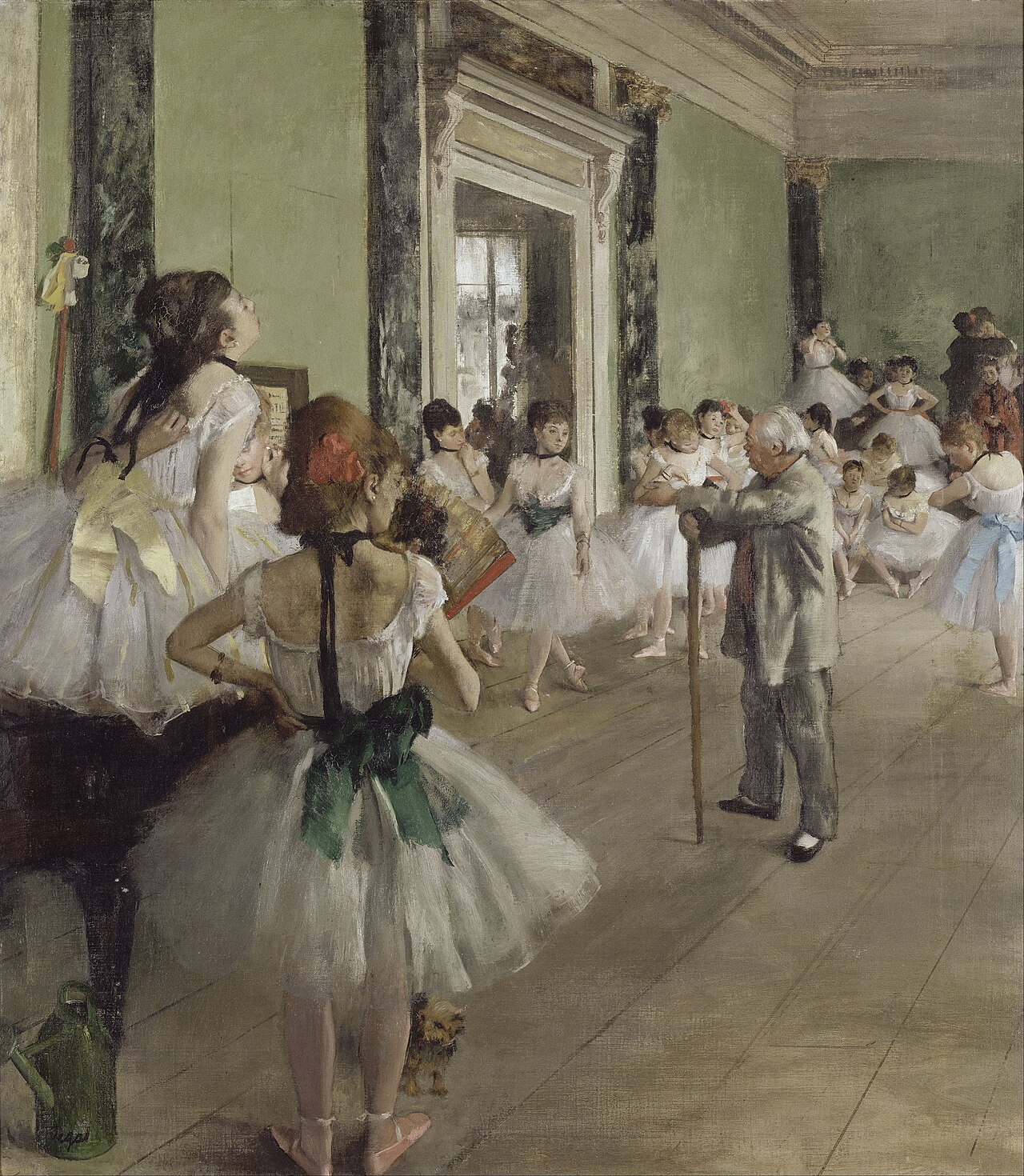
The Dance Class
Edgar Degas
public_domain
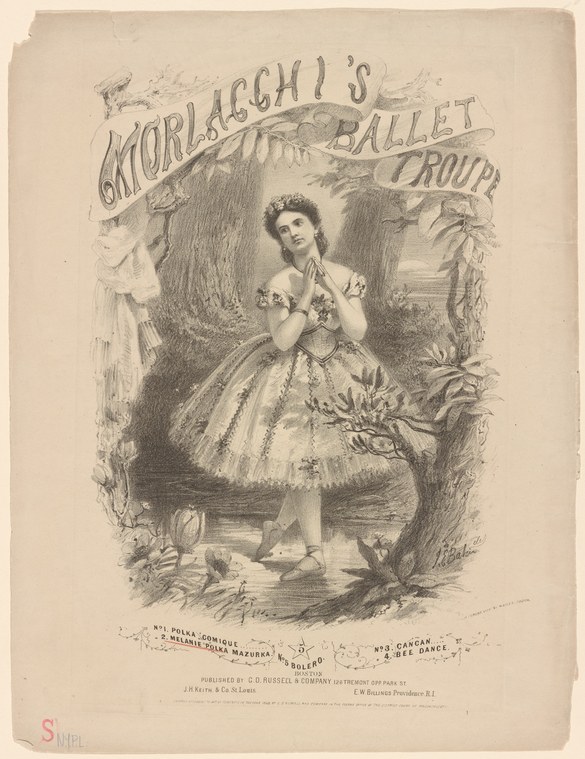
Morlacchi's Ballet Troupe
Unknown artist · 2019
public_domain
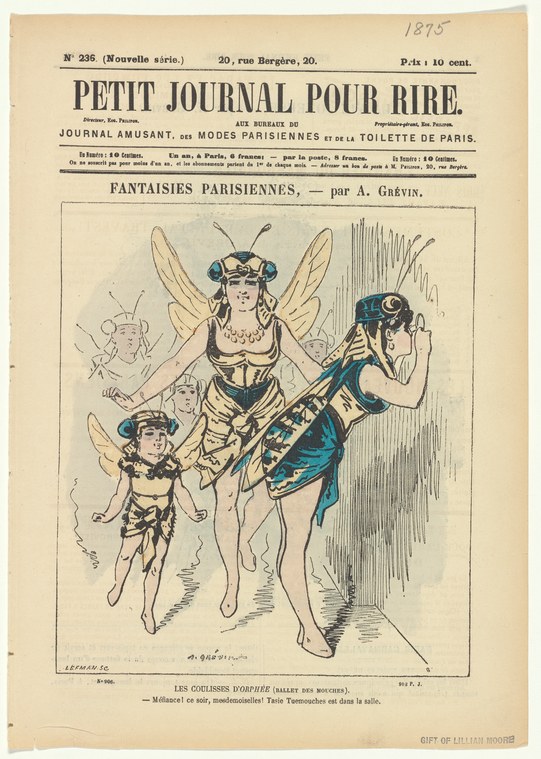
Dance cartoons
Unknown artist · 2019
public_domain
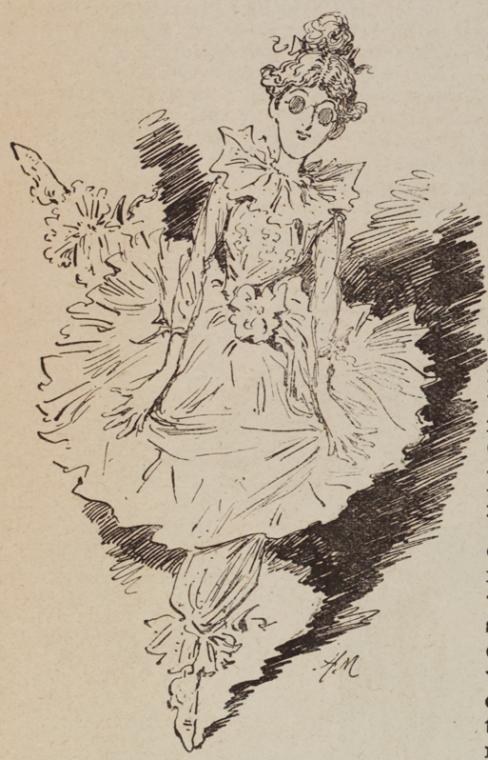
Ballet dancer
Unknown artist
public_domain
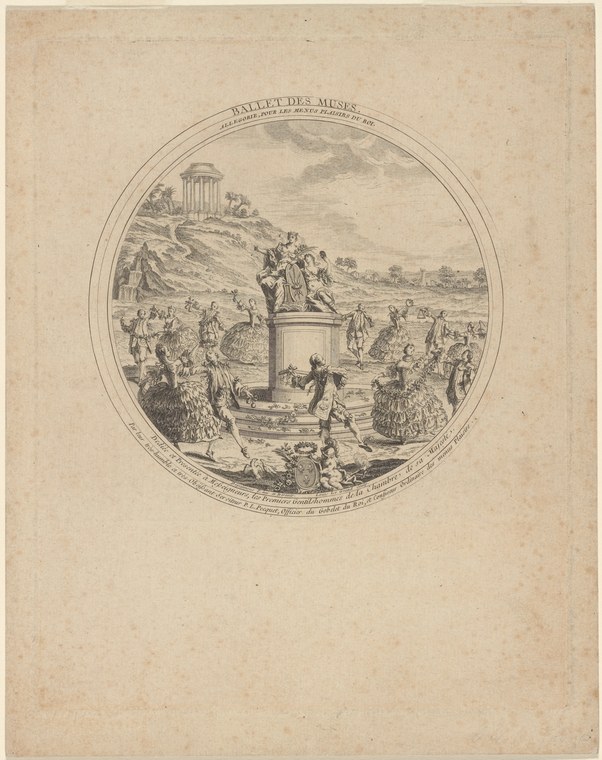
Ballet des muses
Unknown artist
public_domain
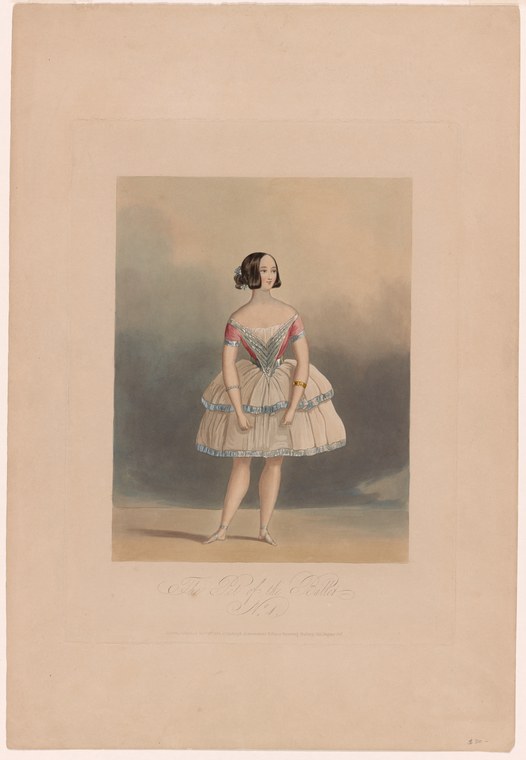
The Pet of the Ballet
Unknown artist · 2023
public_domain
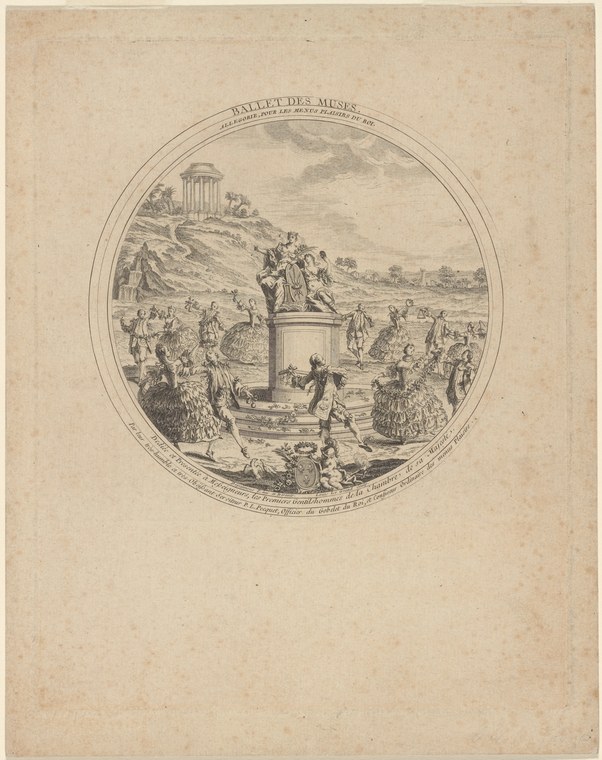
Ballet des muses
Unknown artist · 2013
public_domain
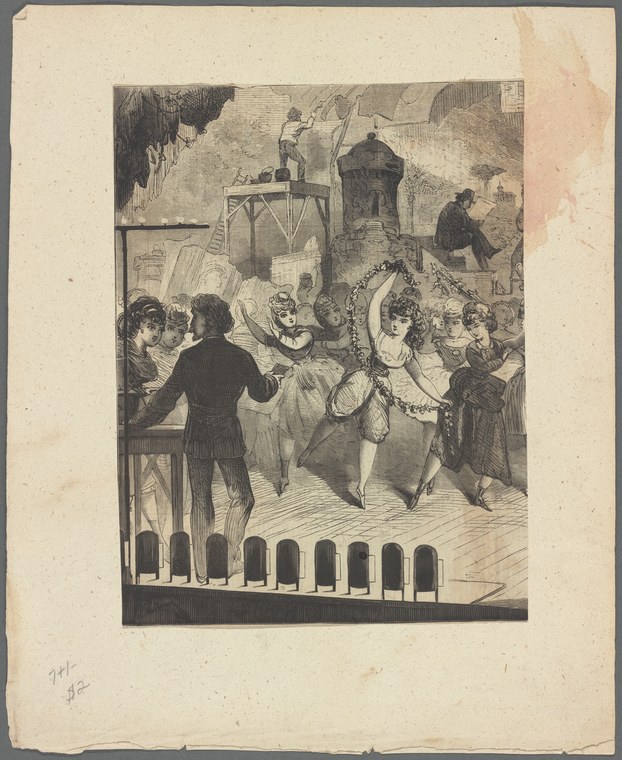
Ballet rehearsal onstage
Unknown artist
public_domain
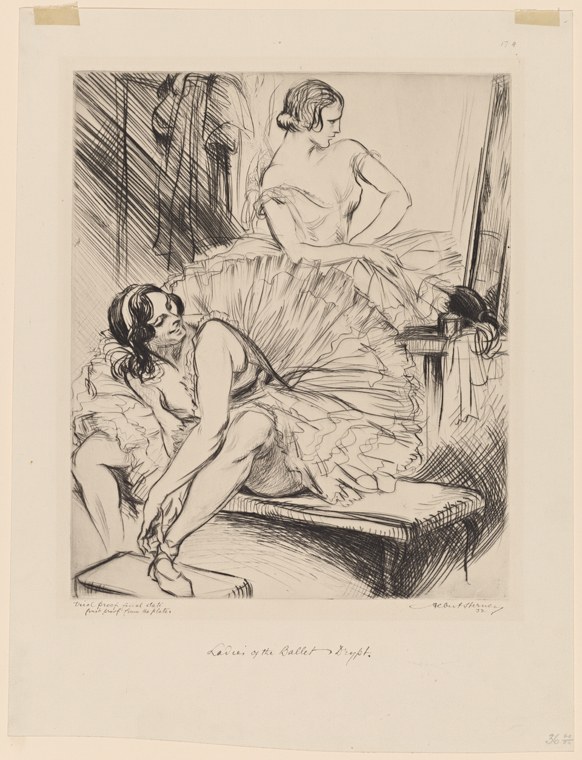
Ladies of the ballet
Unknown artist
public_domain
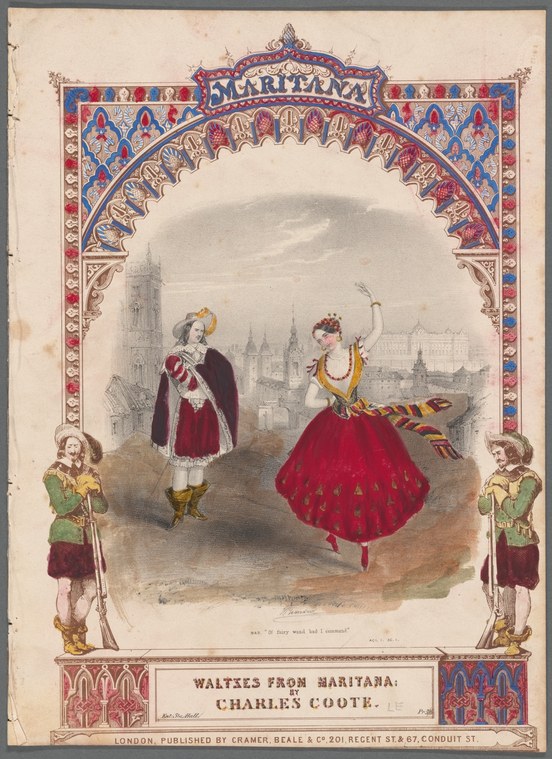
Waltzes from Maritana
Unknown artist
public_domain
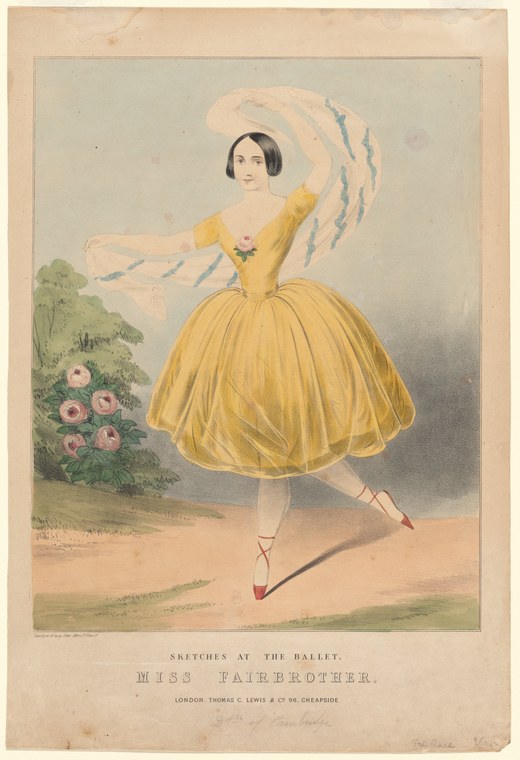
Sketches at the ballet
Unknown artist · 2019
public_domain
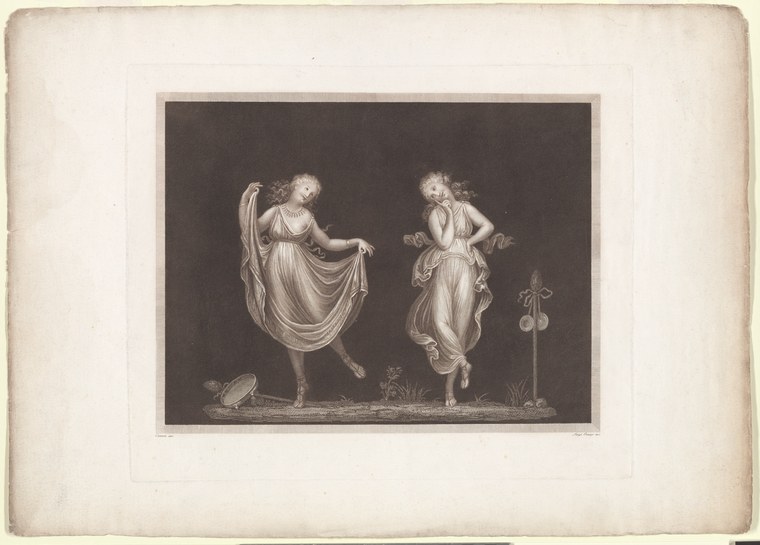
Ancient dancing
Unknown artist · 2019
public_domain
Continue Exploring
Lineage of Dance
500 years of dance evolution
Champions of Dance
Winners of marquee national & world titles
Language of Dance
161 dance terms & translations
Listening of Dance
Tempo, timing & musicality tools
Gallery of Dance
5,700+ artworks from museum collections
Attire of Dance
Evolution of dance dress across eras
Keep the thread going
Dance history, technique, and the occasional rabbit hole — in your inbox. Thoughtful, infrequent, unsubscribe anytime.
Free. No spam. One click to leave.