Innovator · Cultural Preserver · Popularizer
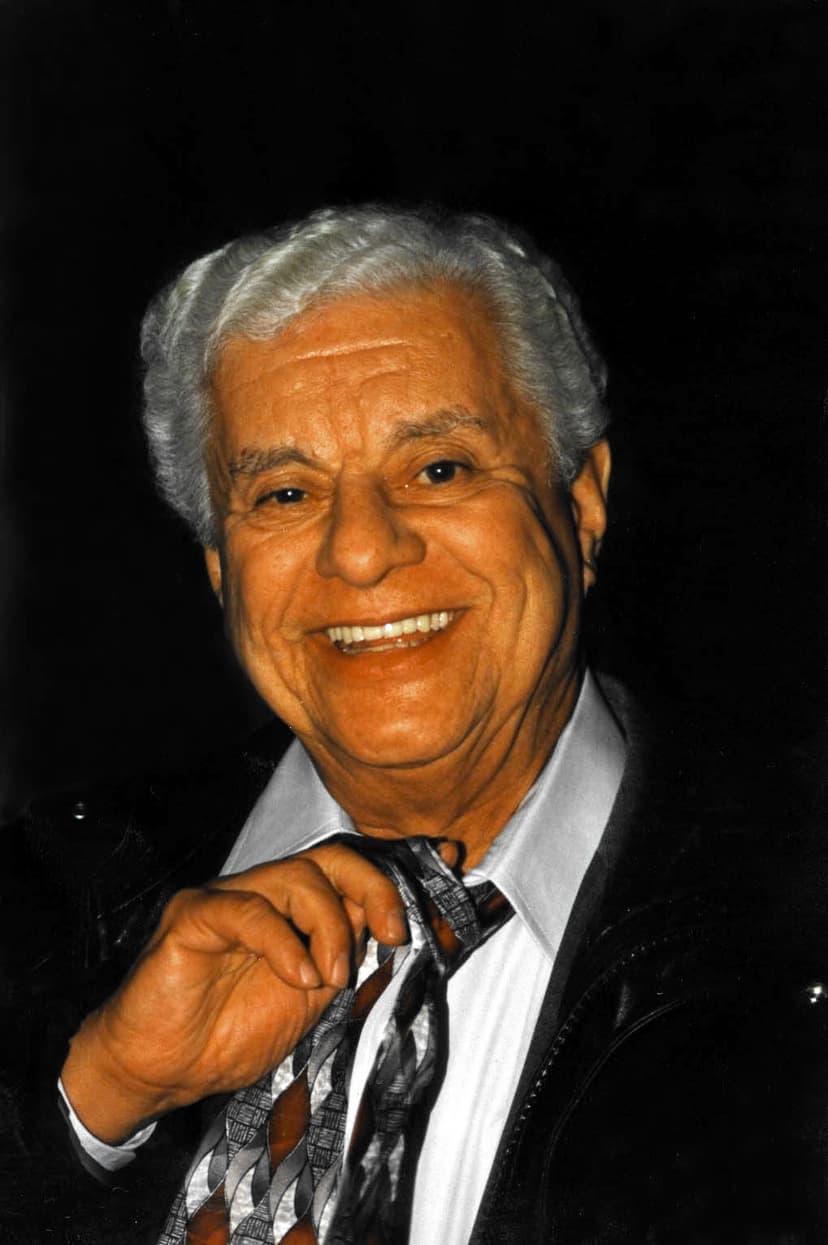
Tito Puente
El Rey de los Timbales
Why They Matter
His music was inseparable from Latin social dance culture, providing the rhythmic foundation that drove mambo and salsa dancing in New York and worldwide.
Known For
Watch
Oye Como Va (Official Video)
VivaNation
Officially distributed presentation of Puente's best-known composition
Oye Como Va (Official Visualizer)
VivaNation
Alternative official presentation useful if the primary video is unavailable
Oye Cómo Va (Official Audio)
Fania Records
Label-hosted audio suited to close rhythmic listening
Ran Kan Kan (Official Audio)
Tito Puente official channel
Early signature repertory showing Puente's dance-orchestra architecture
Mambo Gozón (Official Video)
VivaNation
Core Dance Mania repertory and a strong example of floor-facing arrangement
Para Los Rumberos (Official Trailer)
Craft Recordings
Shows how the catalogue is framed in an authorized reissue context
Picadillo A Lo Puente — Tito Puente
Clear option for choreography or musical analysis after manual phrase mapping.
Mambo Diablo — Tito Puente
Title track represents Puente's continued engagement with mambo in the 1980s.
Biography
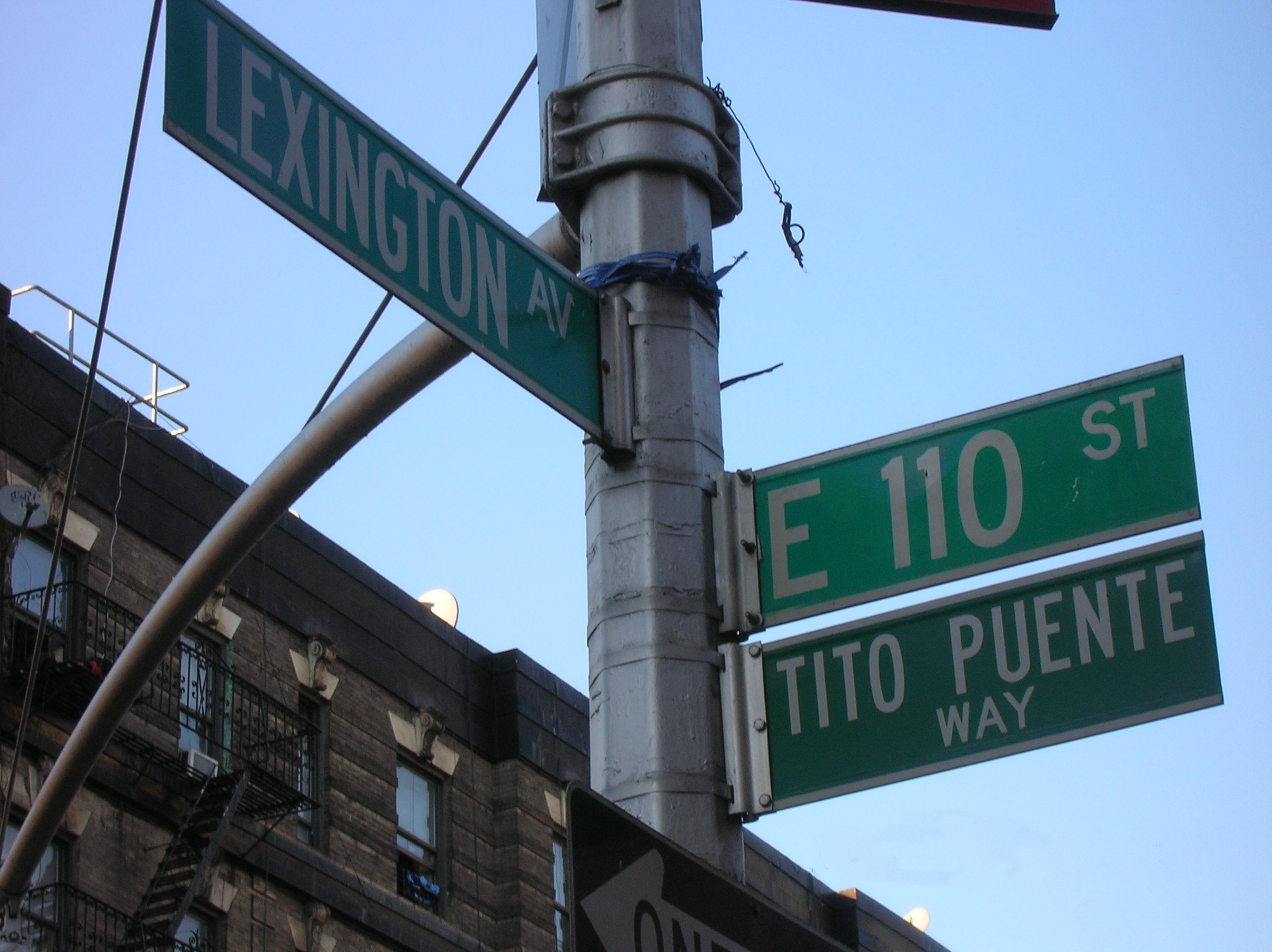
Ernest Anthony Puente Jr., professionally known as Tito Puente, was born on April 20, 1923, in New York City and raised in Spanish Harlem by Puerto Rican parents. The neighborhood placed him inside a dense exchange among Caribbean music, African American jazz, theater and social dancing. He played percussion early, absorbed swing-era big bands, and had enough dance experience that his musical instincts later reflected an acute understanding of dancers' needs—he learned to hear an arrangement from the floor as well as from the bandstand.
Before leading his own orchestra, Puente worked in the New York Latin-music network associated with Machito and other bandleaders. He served in the United States Navy during the Second World War, then used the GI Bill to study at the Juilliard School, where his education in conducting, orchestration and theory strengthened the formal command already developing through performance. The combination proved decisive: his music could be rhythmically immediate without being orchestrationally simple. He wrote and arranged brass and reed figures as structural partners to the percussion rather than as decoration placed over it.
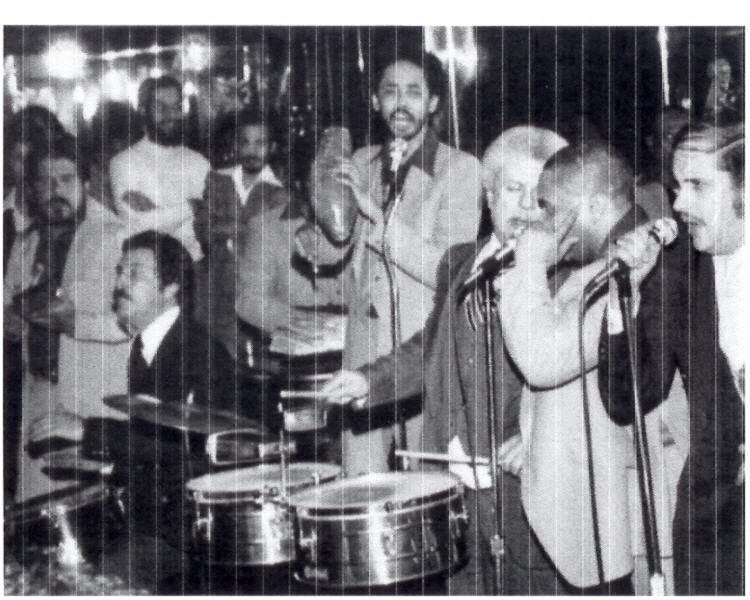
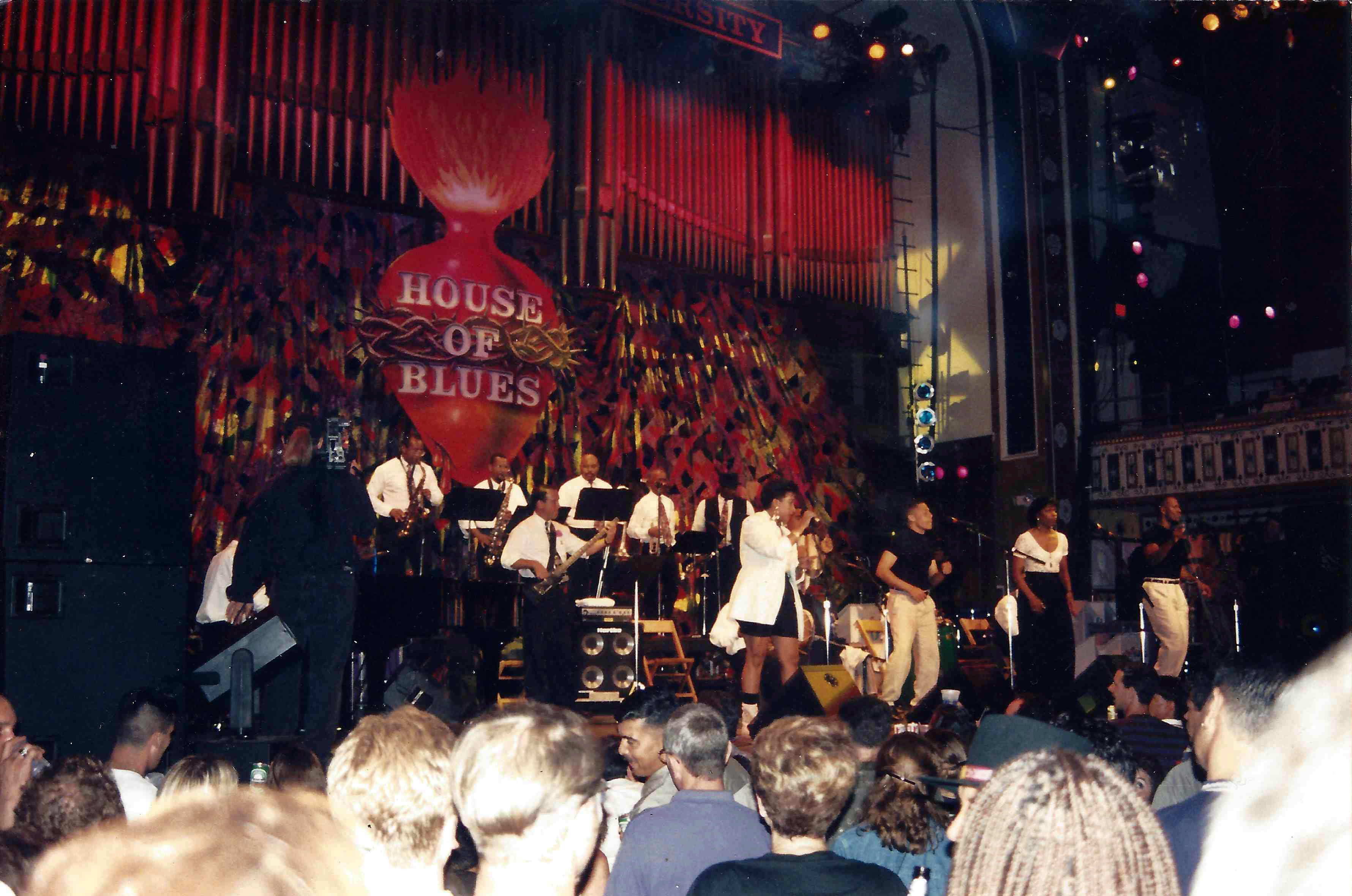
Puente formed his own working ensemble in the late 1940s and became a defining presence at the Palladium Ballroom, where New Yorkers danced mambo and related Afro-Cuban forms to the orchestras of Puente, Machito, Tito Rodríguez and their peers. His orchestra was marked by bright, tightly voiced ensemble writing, abrupt breaks, driving montuno-based passages and a bandleader who placed the timbales at the visual and acoustic front. In a period when dance halls brought together audiences across racial and ethnic lines, his orchestra helped turn New York Latin music into a major public culture.
The 1958 album *Dance Mania* is the clearest single document of Puente's mature dance-orchestra language. The Library of Congress selected it for the National Recording Registry in 2002, recognizing it as a landmark of 1950s New York Latin jazz. Its arrangements make percussion audible as architecture: cowbell and timbales articulate form; piano, bass and hand percussion maintain a layered groove; horns answer singers or deliver riffs whose accents invite turns, suspensions and directional changes. Dancers receive strong phrase endings, contrasting textures and recurring rhythmic landmarks while the band retains room for improvisatory excitement.
Puente's composition "Oye Como Va" became his most internationally recognized work after Santana recorded a distinct arrangement in 1970. Puente wrote and first recorded the piece in the early 1960s, creating a composition whose recurring vamp and cha-cha-chá-oriented pulse shows how economical he could be: the dance invitation arises through repetition, spacing and timbral clarity rather than constant orchestral density.
When popular labels changed—from mambo and pachanga to boogaloo and then salsa—Puente continued recording without allowing one marketing term to erase his broader musical identity. He collaborated with singers and instrumentalists including Celia Cruz and, late in life, Eddie Palmieri, while maintaining a strong Latin-jazz practice. His Grammy-recognized albums include *Homenaje a Beny Moré*, *On Broadway*, *Mambo Diablo*, *Lambada Timbales* and *Mambo Birdland*. The Recording Academy lists six Grammy wins and twelve nominations across his career, including the 2001 award for *Masterpiece/Obra Maestra* with Palmieri.
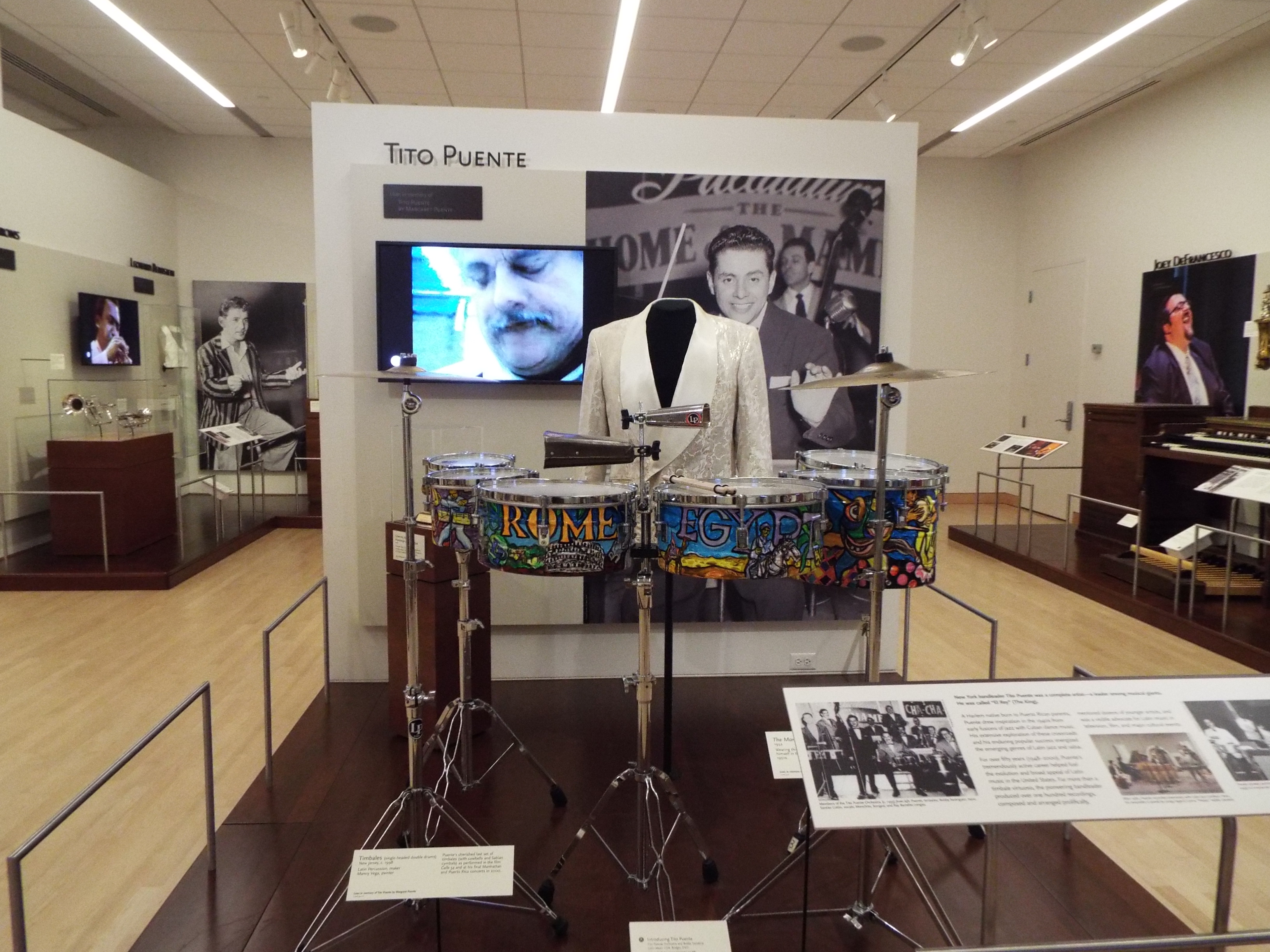
Puente died in New York on May 31, 2000, after heart surgery. His timbales, papers and recordings survive as evidence of how a dance orchestra is built to serve movement. The Smithsonian preserves both his instruments and a large archival collection. His career offers a particular lesson for dancers and choreographers: an orchestra's contribution to dance lies not in a single genre label but in how arrangements make form, energy and invitation audible with unusual precision.
Career Highlights
Served in the United States Navy during the Second World War; after service, studied at Juilliard with support from the GI Bill. Smithsonian NMAH Smithsonian NMAH
Established the orchestra that would carry his name through the Palladium era and beyond. Smithsonian Latin Music Legends Smithsonian Latin Music Legends
Became a regular attraction at New York’s Palladium Ballroom, a crucial venue for mambo-era social dancing. Smithsonian Latin Music Legends Smithsonian Latin Music Legends
Released Dance Mania, later described by the Library of Congress as a landmark of New York’s 1950s Latin-jazz scene. Library of Congress Library of Congress
Wrote and recorded “Oye Como Va”; Santana’s 1970 version later brought the composition to a wider rock audience. Smithsonian NMAH Smithsonian NMAH
Won his first Grammy, for Homenaje a Beny Moré. Recording Academy Recording Academy
Won the Grammy for On Broadway. Recording Academy Recording Academy
Won the Grammy for Mambo Diablo. Recording Academy Recording Academy
Won the Grammy for Lambada Timbales. Recording Academy Recording Academy
Received the National Medal of Arts, recognizing his contribution to American culture. Smithsonian SOVA Smithsonian SOVA
Won the Grammy for Mambo Birdland and died on May 31 after heart surgery. Recording Academy The Guardian Recording Academy
Masterpiece/Obra Maestra with Eddie Palmieri received a Grammy after Puente’s death; Dance Mania was selected for the 2002 National Recording Registry. Recording Academy Library of Congress Recording Academy
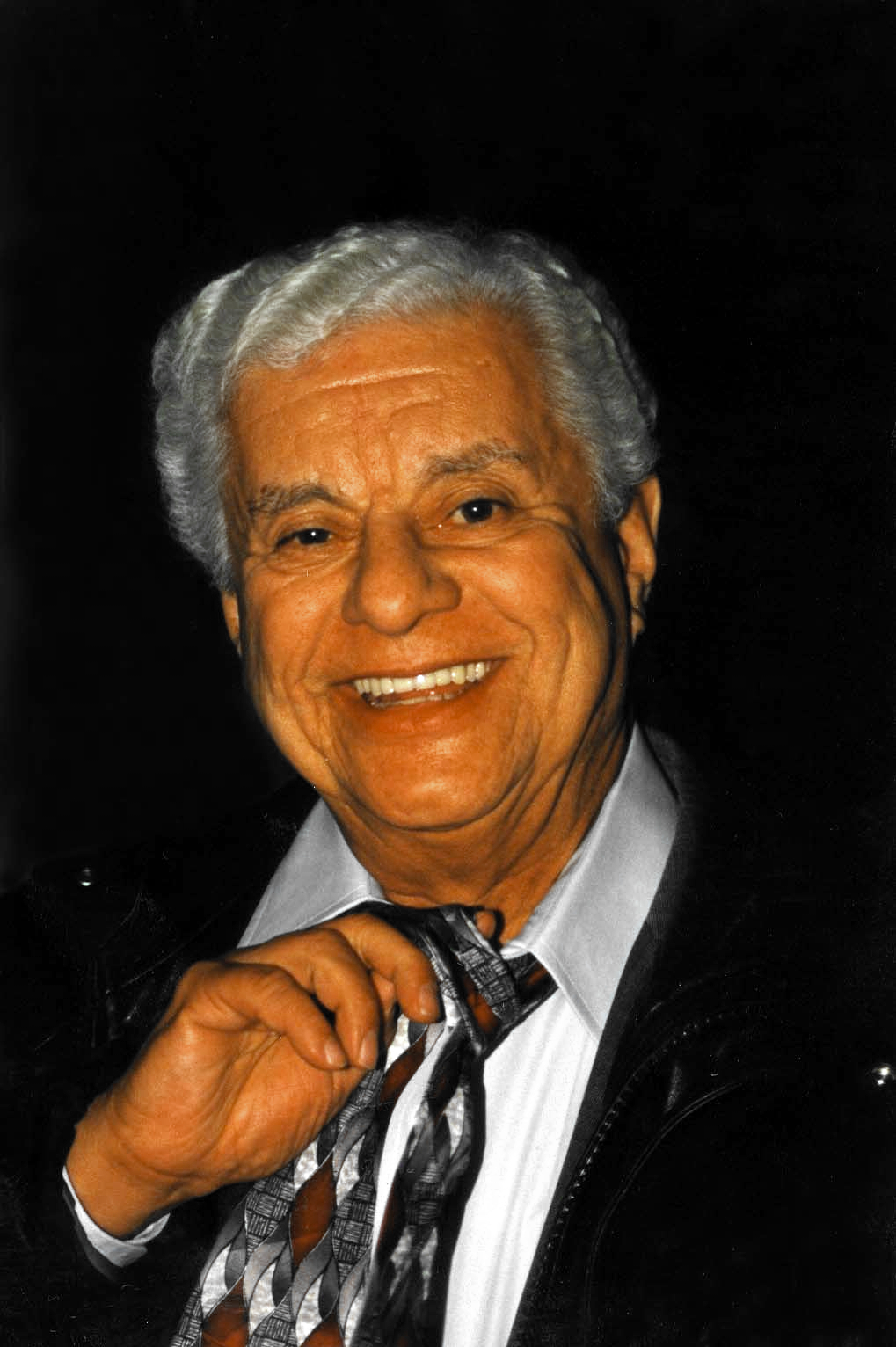
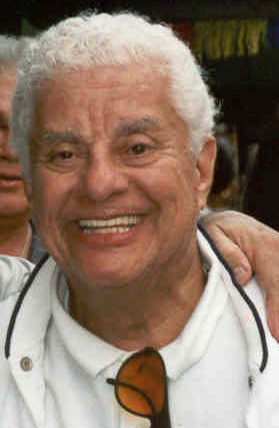
Gallery
Legacy & Impact
Puente matters to dance because he treated an orchestra as a kinetic system. His arrangements translate layered Afro-Cuban rhythm into legible large-scale form without flattening its complexity: percussion marks transitions, horn writing shapes momentum, vocals establish call-and-response, and breaks create expectation. That craft served social dancers at the Palladium, supported later salsa communities and gave jazz listeners a vivid entry into Caribbean-derived rhythmic practice. His stature also demonstrates why American dance history must include Puerto Rican New York and the Cuban-rooted musical vocabularies that its musicians studied, transformed and circulated. His legacy is not ownership of mambo or salsa; it is an exceptional, well-documented mastery of how rhythm, arrangement, performance charisma and dancers' attention can meet.


Explore More Legends
Discover the dancers, teachers, choreographers, and cultural icons who shaped how the world moves.
Keep the thread going
Dance history, technique, and the occasional rabbit hole — in your inbox. Thoughtful, infrequent, unsubscribe anytime.
Free. No spam. One click to leave.