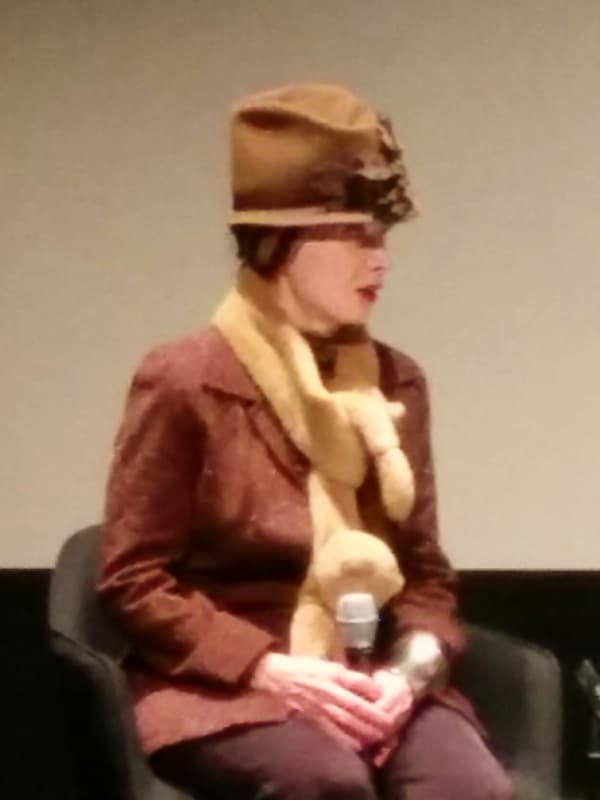
Toni Basil
Legend of Dance
Why They Matter
Basil matters because she treated dance, directing, editing, performance persona, and popular-music presentation as one field of authorship. She helped bring locking to broad entertainment audiences while maintaining relationships with street-dance practitioners, used experimental-film thinking insi
Styles Toni Basil shaped
Each one links to the style’s own page — its origins, music, tempo and video.
Watch
Mickey
ToniBasilsHouse
Basil conceived, choreographed, directed, and performed the career-defining screen work.
Street Beat
ToniBasilsHouse
Authorized library upload featuring Toni Basil, Poppin Pete, Poppin Taco, and Skeeter Rabbit.
Word of Mouth — Video Album
ToniBasilsHouse
Shows Basil's integrated work as recording artist, producer, director, choreographer, performer, and filmmaker.
Once in a Lifetime
Talking Heads
Official video credits Toni Basil and David Byrne as directors and provides a key collaboration case study.
Biography
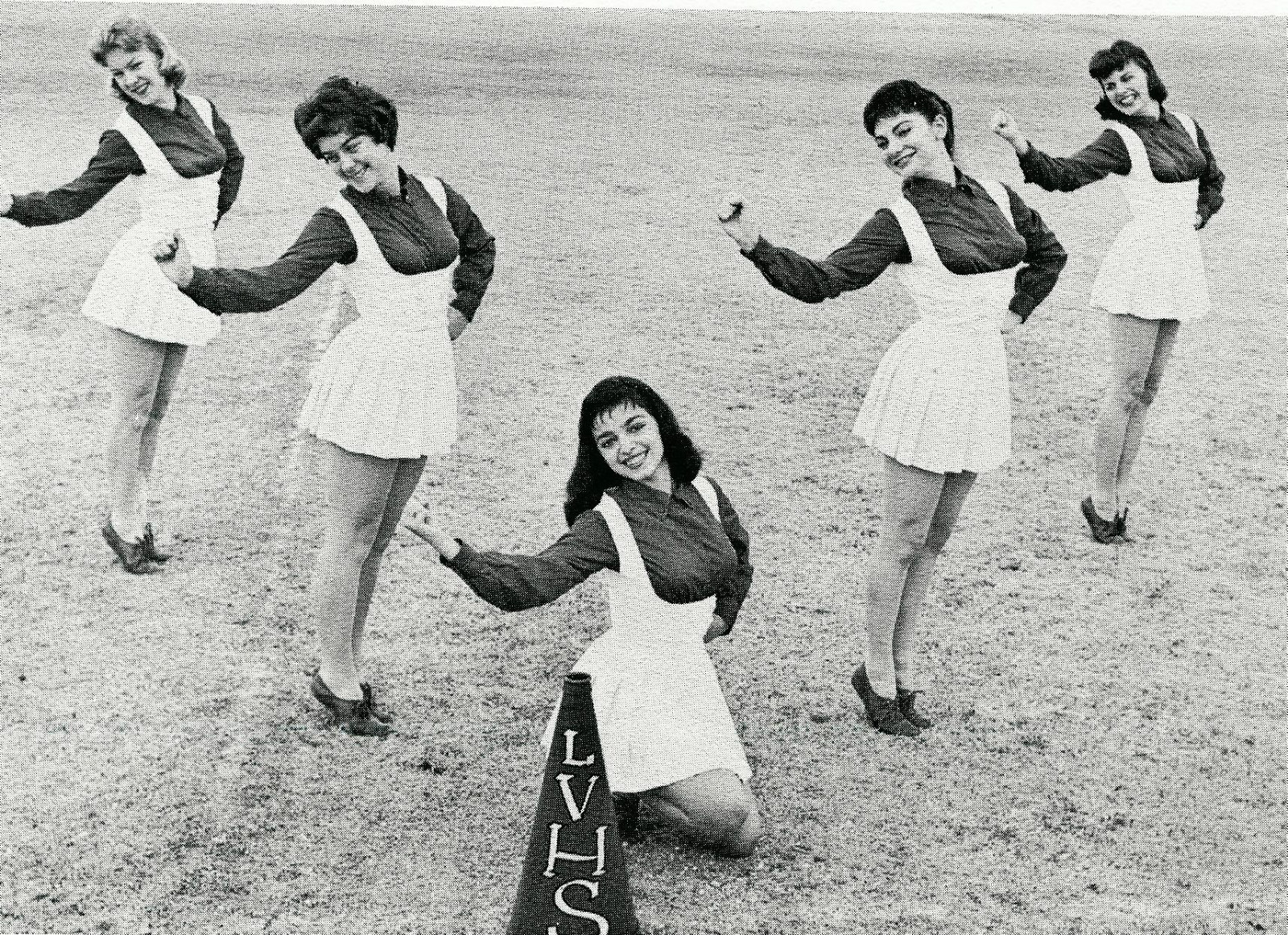
Toni Basil, born Antonia Christina Basilotta, connected 1960s screen dance, the Lockers' 1970s street-dance visibility, pre-MTV video authorship, arena-scale choreography, and later dance-history stewardship across more than six decades. Growing up in an entertainment family, she graduated from Las Vegas High School as a cheerleader—an early experience that later became creative source material, its compositional clarity of line, group spacing, chant, and emblematic gesture reappearing in her best-known work.
Basil entered professional screen entertainment in the 1960s as a dancer, actress, assistant choreographer, and emerging filmmaker. Her credits crossed televised pop performance and Hollywood productions at a moment when go-go, social-dance, and youth-culture vocabularies were becoming part of mainstream screen language. She also made experimental films, establishing an editorial eye that would matter when choreography and music video converged.
In the 1970s Basil became associated with the Lockers, the influential group built around locking. She performed, managed, and helped frame the group for television and concert audiences. Don Campbell is credited with originating locking, and the dancers developed their own voices; Basil's historical importance lies in performance, organization, staging, and mediation.
Her choreography moved easily between subcultural movement knowledge and commercial scale. Basil worked with artists including David Bowie, Bette Midler, Tina Turner, and David Byrne. Her co-direction and choreography for Talking Heads' "Once in a Lifetime" translated researched gesture and Byrne's deliberately dislocated performance into a spare, repeatable screen vocabulary.
The video album *Word of Mouth* made Basil the recording artist, performer, choreographer, director, and producer of an integrated audiovisual project before music video became a standardized promotional format. "Mickey" became its defining popular image. Basil reworked cheer vocabulary into a graphic, camera-facing performance built from formations, chants, hard accents, and deliberately legible character. The song reached number one on the U.S. Billboard chart.
Basil continued choreographing for film, television, and touring productions long after the single's commercial peak. Her later credits include *Legally Blonde*, Bette Midler and Tina Turner stage work, and Quentin Tarantino's *Once Upon a Time in Hollywood*. She has also appeared as an educator, judge, historian, and advocate for street-dance communities. That long arc makes her more consequential to dance history than the "one-hit wonder" shorthand applied to her recording career.
Career Highlights
Appeared in a Las Vegas High School cheerleading photograph now held on Wikimedia Commons; the image documents the cheer background later transformed in “Mickey.”
Worked in televised and filmed pop performance, including The T.A.M.I. Show era, as dancer and assistant choreographer.
Created and performed in Bruce Conner’s short film Breakaway, linking experimental film, pop music, and dancing.
Became part of the Lockers’ formative period, contributing as performer, manager, and presenter of the group’s stage and television work.
Choreographed for David Bowie’s Diamond Dogs tour, beginning a recurring professional association with Bowie projects.
Brought the Lockers and her own hybrid screen ideas to early Saturday Night Live appearances.
Co-directed and choreographed Talking Heads’ “Once in a Lifetime” video with David Byrne.
Released the audiovisual project Word of Mouth, which the GRAMMY Museum describes as produced, choreographed, and directed by Basil.
“Mickey” reached number one on the U.S. Billboard chart; Basil conceived, directed, choreographed, and performed its cheer-centered video.
Received a Grammy nomination for the Word of Mouth long-form video album, according to the Recording Academy and GRAMMY Museum.
Received a Television Academy nomination for Outstanding Achievement in Choreography for The Smothers Brothers Comedy Hour.
Choreographed period movement for Quentin Tarantino’s Once Upon a Time in Hollywood.
Gallery
Legacy & Impact
Basil matters because she treated dance, directing, editing, performance persona, and popular-music presentation as one field of authorship. She helped bring locking to broad entertainment audiences while maintaining relationships with street-dance practitioners, used experimental-film thinking inside commercial video, and proved that choreography could organize an artist's entire audiovisual identity. Her career also resists tidy genre boundaries: go-go, commercial work, locking, cheer, concert spectacle, and period movement become distinct tools rather than interchangeable labels.

Explore More Legends
Discover the dancers, teachers, choreographers, and cultural icons who shaped how the world moves.
Keep the thread going
Dance history, technique, and the occasional rabbit hole — in your inbox. Thoughtful, infrequent, unsubscribe anytime.
Free. No spam. One click to leave.