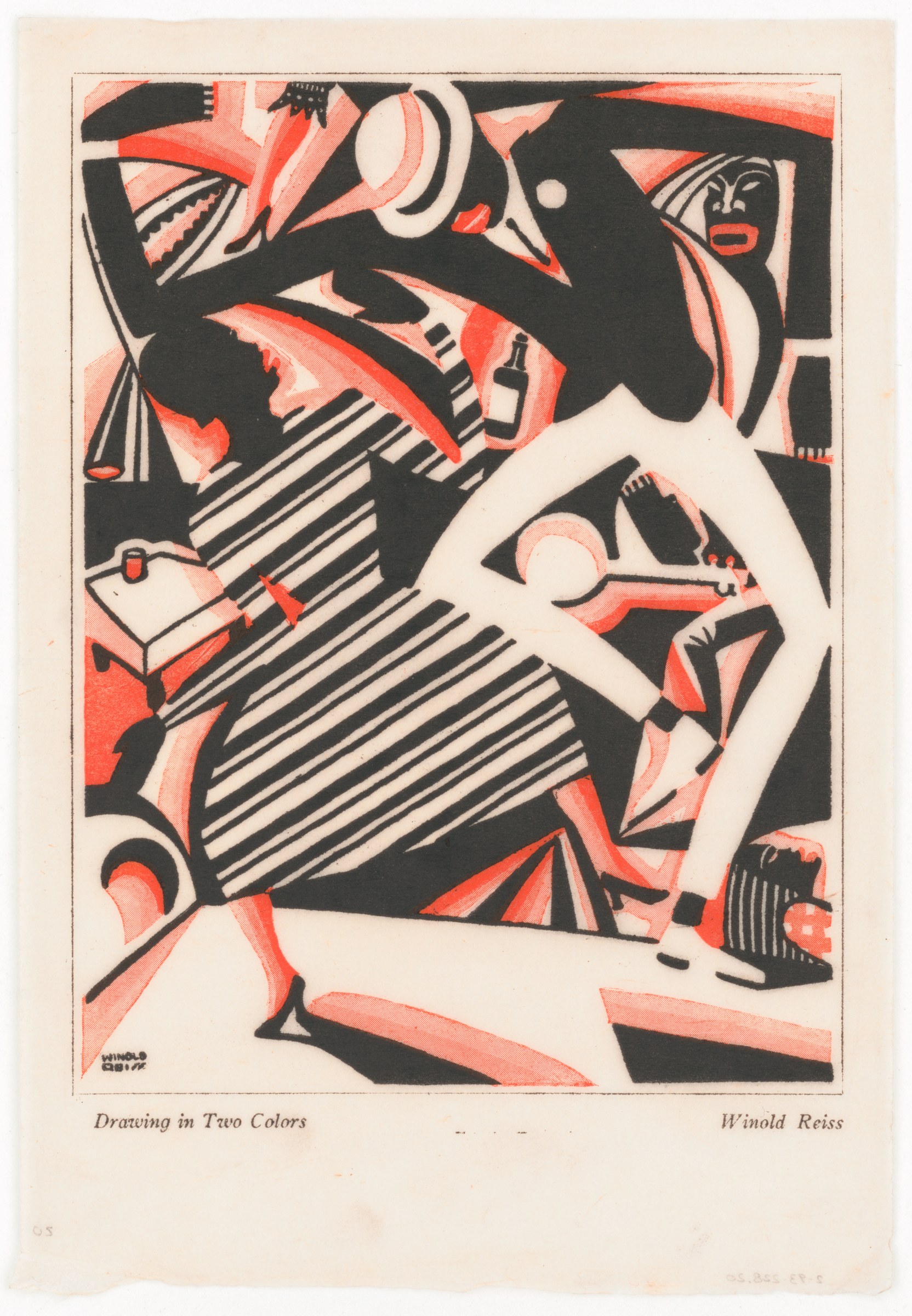
Street & Funk Styles
African-American street and funk dance styles born in California in the 1970s and after—popping, locking, boogaloo, gliding/floating, and the later krumping—built on isolation, groove, illusion, and battle, danced to funk, soul, and hip-hop.
5 dance styles in this genre
Historical Origins
These styles originate in Black American communities on the U.S. West Coast. Locking was created by Don Campbell in Los Angeles around 1969–1970; popping and its boogaloo relatives developed in Fresno and the Bay Area in the 1970s (Boogaloo Sam and the Electric Boogaloos). Together they are often called 'funk styles' because they were danced to funk music and predate, but were later absorbed into, hip-hop culture. Krumping emerged separately in South Central Los Angeles in the early 2000s out of clowning. Television (Soul Train) and later film and competition spread them worldwide.
Cultural Significance
Funk styles are foundational African-American social and performance dances and a core part of the broader hip-hop/street-dance world, with their own pioneers, crews, and battle culture. Accurate attribution matters: these are not generic 'hip-hop moves' but named traditions with specific originators and originating Black communities. Krumping in particular is an intense, expressive, often spiritual release rooted in its LA community, not the 'clowning' caricature it is sometimes mistaken for.
Musical Characteristics
Danced to funk, soul, disco, and hip-hop. Movement is tightly tied to the groove—hits land on accents (popping), locks freeze on the beat, and krump phrasing rides aggressive, syncopated rhythms.
Core Movement Principles
Isolation and control (popping's muscle contractions, the 'hit'), freezes and exaggerated points (locking), illusion and smoothness (gliding/floating, including the move popularly called the 'moonwalk'), and explosive, grounded power and chest-pops (krumping). Battle and call-and-response are central.
Modern Usage
Taught in studios and street-dance scenes worldwide, central to competitive battles (e.g. Juste Debout) and to commercial choreography for music videos and stage. Still transmitted within crew and battle culture as well as formal classes.
Dance Styles
Locking
Also known as: Campbellocking
Funk-era street style of sudden freezes ('locks'), exaggerated points, and comic charisma created by Don Campbell in early-1970s LA.
Popping
Also known as: Pop, Boogaloo (popping family)
Funk style based on the 'hit'—quick muscle contractions snapped to the beat—developed in 1970s California, with many sub-styles.
Boogaloo
Also known as: Electric Boogaloo
Fluid, rolling funk style of the popping family emphasizing soft, continuous, illusionary body movement and angles.
Gliding & Floating
Also known as: Floating, Sliding, Moonwalk (backslide)
Illusion footwork of the popping family that makes the dancer appear to float or slide frictionlessly—home of the move popularly called the 'moonwalk.'
Krumping
Also known as: Krump
Explosive, expressive, highly energetic street dance from early-2000s LA built on chest pops, stomps, arm swings, and emotional release.
Legends of Street & Funk Styles
Dancers, choreographers and teachers whose work shaped the styles in this genre.
Street & Funk Styles on screen
Films and television where street & funk styles appears, with the sequences worth watching for.
 Rize (2005)11 sequences indexedKrump street sessionBattle ZoneFinal body tableaux
 Breakin' (1984)7 sequences indexedRadio-Tron rematch — TKO performs for James · 00:45:46 · chor. Jaime RogersTurbo teaches the neighborhood kids · 00:58:58 · chor. Jaime RogersOzone and Turbo take over Franco’s class · chor. Jaime Rogers
 Stomp the Yard (2007)3 sequences indexedGoon Squad answers Thug Unit · 00:02:38 · chor. Dave Scott; Chuck MaldonadoDouble-or-nothing rematch · 00:06:07 · chor. Dave Scott; Chuck MaldonadoOpening underground crew battle · chor. Dave Scott
 America's Best Dance Crew (2008–2015)2 sequences indexedI AM QUEST — “The Saints” super-groupQuest Crew — “Take Ü There” bench story
 Climax (2018)1 sequence indexedOpening “Supernature” rehearsal — Krumping passages · chor. Nina McNeelyJam (1992)1 sequence indexedMoonwalk lesson for Michael Jordan
Poster artwork from TMDB.
 This site uses TMDB and the TMDB APIs but is not endorsed, certified, or otherwise approved by TMDB.
Street & Funk Styles FAQs
Street & Funk Styles in art
Browse the gallery →Works our catalogue identifies as depicting street & funk styles.