Willa Mae Ricker
Legend of Dance
Why They Matter
Ricker matters because the record shows excellence across roles too often separated in dance histories: social dancer, competition champion, screen performer, aerial partner, manager, labor advocate, and fashion professional. Descriptions of her strength should not reduce her to a base for male part
Biography
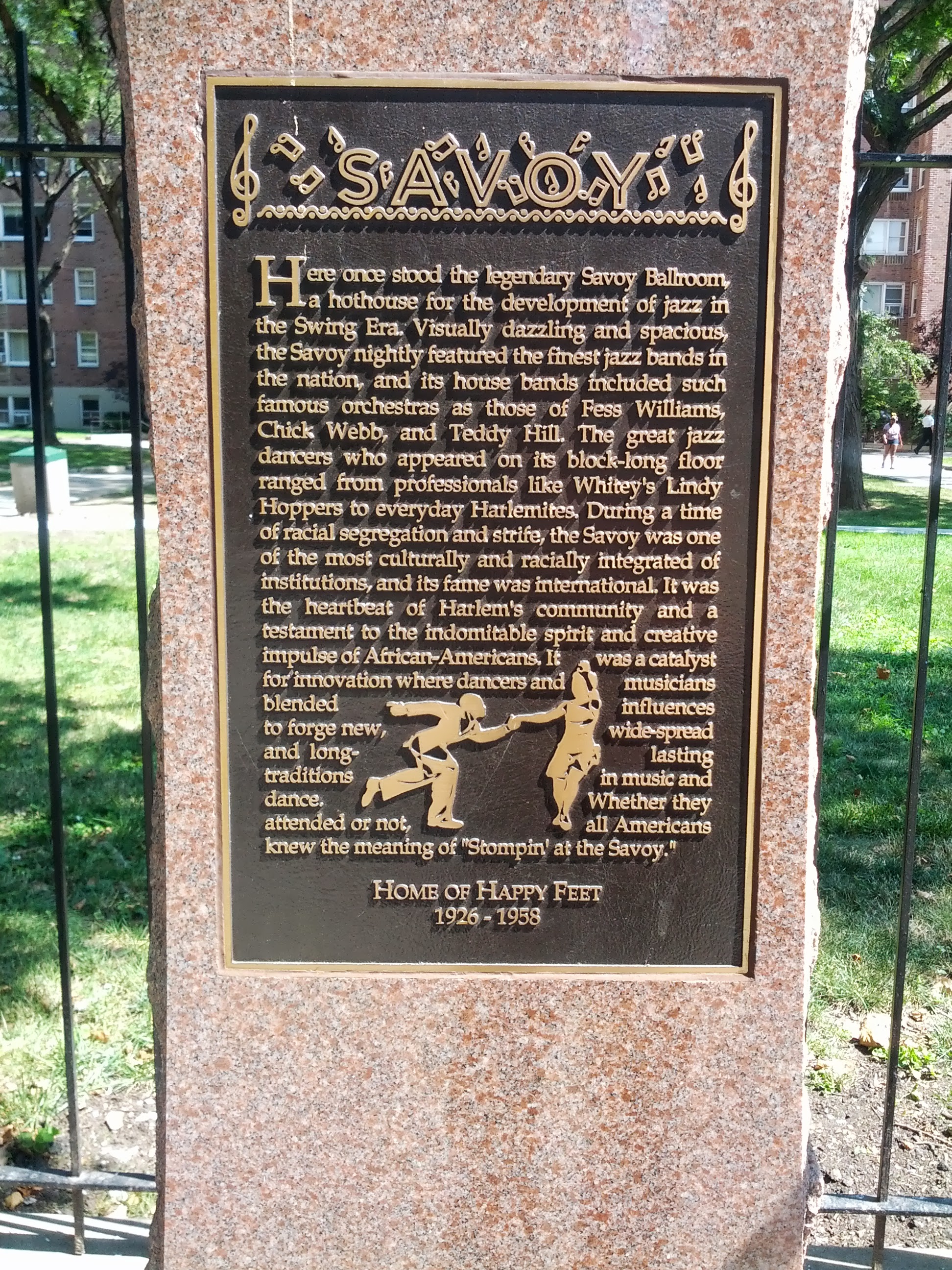
Willa Mae Ricker was a leading Lindy Hopper of the Savoy era whose strength, versatility, and business acumen reshaped what partnership and leadership could mean for women in swing dance. Born Willa Mae Briggs, she entered Harlem's dance world in the early 1930s alongside childhood friend Frankie Manning, soon becoming a member of Whitey's Lindy Hoppers, the professional company that drew its dancers from the Savoy Ballroom's most accomplished social dancers. She worked with multiple partners including Leon James, Al Minns, Frankie Manning, and Russell Williams—a working method that defined her career across three decades.
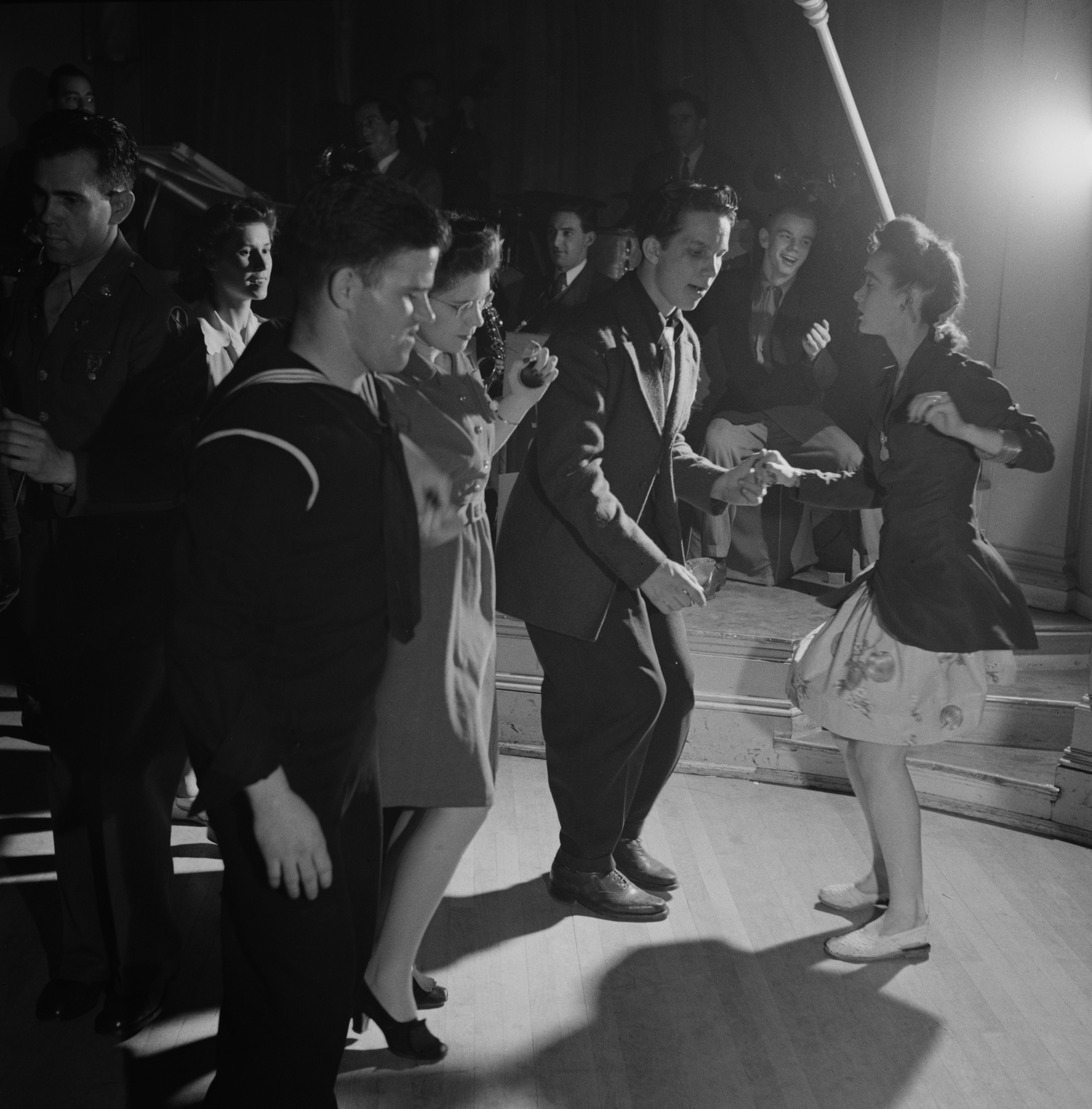
Ricker's competitive and theatrical profile developed quickly. By most accounts, she and Leon James won the first Harvest Moon Ball in 1935. Screen work placed her among the period's most influential Lindy Hop records: she appeared in *A Day at the Races* (1937), and in 1941 danced in the celebrated Lindy Hop sequence in *Hellzapoppin'* with Al Minns, as well as in the soundie *Hot Chocolate*. In 1943, photographer Gjon Mili documented her and Leon James in a *Life* magazine feature on Lindy Hop, capturing full-body aerials in still photography that made partnered technique visible in a single suspended moment.
Ricker also assumed organizational responsibility during World War II, managing the Harlem Congeroos while many male dancers served in the armed forces. When Frankie Manning returned in 1947 and took over management, Ricker continued as a performer with the reorganized Congaroo Dancers. After emergency surgery during an Atlantic City engagement, she rebuilt her strength and returned to perform. She later moved into fashion modeling, extending a public image already associated with distinctive dress and shrewd business judgment. Norma Miller credited her with confronting Whitey White over dancers' compensation—labor advocacy that placed her among the architects of fair pay in the form. She married fellow Lindy Hopper Billy Ricker, though the couple rarely partnered professionally. The World Swing Dance Council inducted both into its Hall of Fame in 2022, with the explicit note that each was most often seen dancing with other partners.
Career Highlights
Ricker became a Savoy Ballroom dancer and joined the professional world around Whitey’s Lindy Hoppers. World Swing Dance Council World Swing Dance Council
She and Leon James won the first Harvest Moon Ball, according to the Frankie Manning Foundation archive. Frankie Manning Foundation Frankie Manning Foundation
WSDC credits Ricker with an appearance in A Day at the Races. World Swing Dance Council World Swing Dance Council
She appeared with Whitey’s dancers in the celebrated Lindy Hop sequence in Hellzapoppin’, partnered there by Al Minns. World Swing Dance Council World Swing Dance Council
Ricker also appeared in the soundie Hot Chocolate. World Swing Dance Council World Swing Dance Council
Gjon Mili photographed Ricker and Leon James for Life magazine’s feature on Lindy Hop. Frankie Manning Foundation Frankie Manning Foundation
After Manning returned from military service, Ricker continued dancing in the reorganized Congaroo Dancers. Frankie Manning Foundation Frankie Manning Foundation
She appeared in Killer Diller. Frankie Manning Foundation Frankie Manning Foundation
Willa Mae and Billy Ricker were inducted into the World Swing Dance Council Hall of Fame. World Swing Dance Council World Swing Dance Council
Gallery
Legacy & Impact
Ricker's significance lies in her excellence across roles too often kept separate in dance histories: social dancer, competition champion, screen performer, aerial partner, troupe manager, and labor advocate. Her documented strength in partnership did not diminish her partners—it revealed technical agency: the ability to sustain, redirect, and display shared weight while preserving swing timing. Her management during wartime and her pay advocacy place her equally in the institutional and movement history of Lindy Hop. Dancers study her because she shows how a single artist can build and maintain power across multiple domains.


Explore More Legends
Discover the dancers, teachers, choreographers, and cultural icons who shaped how the world moves.
Keep the thread going
Dance history, technique, and the occasional rabbit hole — in your inbox. Thoughtful, infrequent, unsubscribe anytime.
Free. No spam. One click to leave.