Gliding & Floating
Also known as: Floating, Sliding, Moonwalk (backslide)
History & Cultural Context
Gliding and floating are illusion techniques within the popping/funk-styles family in which footwork is used to make the dancer appear to drift across the floor without walking. The best-known example is the backslide, popularized worldwide as the 'moonwalk.' These moves rely on precise weight shifts and foot mechanics to sell the frictionless illusion.
Cultural Significance
Part of the West-Coast funk illusion vocabulary; popularized globally through performance.
Characteristic Movement & Technique
Backslide ('moonwalk'), side glides, and floats built on hidden weight shifts.
Partnering Dynamics
Solo.
Competitive Context
Used in battles and showcases as illusion highlights.
Regional Variations
Many named glide variants worldwide.
Common Misconceptions
The 'moonwalk' was not invented by any single pop star—it is the backslide, a street/funk illusion that predates its famous mainstream performances.
Dance Lineage
Gliding & Floating Music & Tempo
Drawn from 15 Gliding & Floating tracks in the LODance music library.
Example tracks at practice tempo
- Street Dance - Original Version 1984 — Break Machine116 BPM
- Dance Floor — Zapp111 BPM
- Unfinished Business — The Blackbyrds123 BPM
- Cold Sweat, Pt. 1 — James Brown & The Famous Flames112 BPM
- More Bounce to the Ounce — Zapp105 BPM
- Pick Up the Pieces — Average White Band108 BPM
Gliding & Floating on screen
Films and television where Gliding & Floating appears, with the sequences worth watching for.
 This site uses TMDB and the TMDB APIs but is not endorsed, certified, or otherwise approved by TMDB.
Sources & Further Reading
Cultural & Historical Context
Gliding & Floating emerged from California, United States during the 1970s—present day. Understanding the cultural roots, musical traditions, and social circumstances of this era enriches appreciation for the dance's characteristics and significance.
Primary Source Documents
The Library of Dance contains public-domain primary sources for dance history. Copyrighted modern syllabi are indexed with purchase links to their respective copyright owners. Search by dance name or codifier to discover primary source documents.
Last reviewed: September 2026 — This dance profile synthesizes historical research, cultural documentation, and contemporary practice knowledge to provide authoritative context.
Related Dances
More in Street & Funk Styles
Locking
Funk-era street style of sudden freezes ('locks'), exaggerated points, and comic charisma created by Don Campbell in early-1970s LA.
Popping
Funk style based on the 'hit'—quick muscle contractions snapped to the beat—developed in 1970s California, with many sub-styles.
Boogaloo
Fluid, rolling funk style of the popping family emphasizing soft, continuous, illusionary body movement and angles.
Krumping
Explosive, expressive, highly energetic street dance from early-2000s LA built on chest pops, stomps, arm swings, and emotional release.
Street & Funk Styles in art
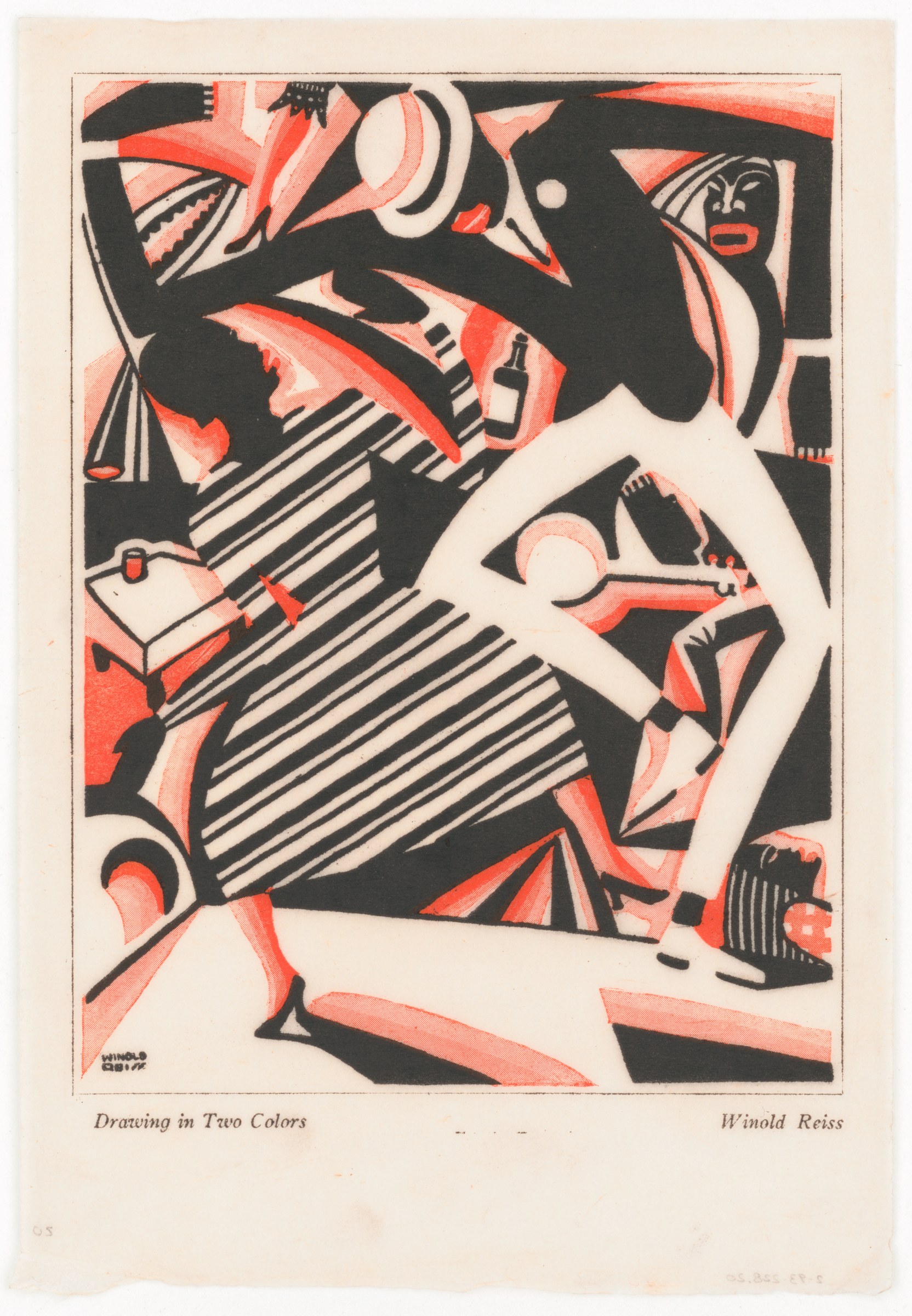
Browse the gallery →Works from the wider Street & Funk Styles tradition — we have not yet identified enough that depict Gliding & Floating specifically.
Continue Exploring
Lineage of Dance
500 years of dance evolution
Champions of Dance
Winners of marquee national & world titles
Language of Dance
161 dance terms & translations
Listening of Dance
Tempo, timing & musicality tools
Gallery of Dance
5,700+ artworks from museum collections
Attire of Dance
Evolution of dance dress across eras
Keep the thread going
Dance history, technique, and the occasional rabbit hole — in your inbox. Thoughtful, infrequent, unsubscribe anytime.
Free. No spam. One click to leave.