Locking
Also known as: Campbellocking
History & Cultural Context
Locking is a funk style created by Don Campbell in Los Angeles around 1969–1970. It is defined by the 'lock'—a sudden, brief freeze in the middle of fast, loose movement—combined with points, claps, wrist rolls, and an exaggerated, crowd-engaging, comedic performance quality. Spread widely by Campbell's group The Lockers and by Soul Train, it became one of the foundational funk/street styles later embraced within hip-hop culture.
Cultural Significance
A foundational African-American funk style with a specific originator (Don Campbell) and originating LA community.
Characteristic Movement & Technique
Locks (sudden freezes), points, claps, wrist rolls, splits, and big charismatic performance.
Partnering Dynamics
Solo and crew; battle and routine.
Competitive Context
Battles, showcases, and crew routines; staple of street-dance competitions.
Regional Variations
Originated in LA; practiced worldwide.
Common Misconceptions
Locking is its own named style with a known creator—not a generic 'old-school hip-hop' move; it predates hip-hop and arose in funk culture.
Dance Lineage
Locking Music & Tempo
Drawn from 15 Locking tracks in the LODance music library.
Example tracks at practice tempo
- Ai No Corrida — Quincy Jones123 BPM
- Clap Your Hands Together — FUNKY BUREAU117 BPM
- Dance to the Music — Sly & The Family Stone128 BPM
- Chelsea Rodgers — Prince124 BPM
- Movin' Up — Dayton125 BPM
- It's Serious — Cameo122 BPM
Who governs Locking
Federations, councils and examining bodies with a recorded role in this style. No single organisation can tell you this — each one knows only itself.
Legends of Locking
Dancers, choreographers and teachers whose work shaped this style.
Locking on screen
Films and television where Locking appears, with the sequences worth watching for.
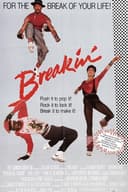
Poster artwork from TMDB.
 This site uses TMDB and the TMDB APIs but is not endorsed, certified, or otherwise approved by TMDB.
Sources & Further Reading
Cultural & Historical Context
Locking emerged from Los Angeles, United States during 1969—present day. Understanding the cultural roots, musical traditions, and social circumstances of this era enriches appreciation for the dance's characteristics and significance.
Primary Source Documents
The Library of Dance contains public-domain primary sources for dance history. Copyrighted modern syllabi are indexed with purchase links to their respective copyright owners. Search by dance name or codifier to discover primary source documents.
Last reviewed: September 2026 — This dance profile synthesizes historical research, cultural documentation, and contemporary practice knowledge to provide authoritative context.
Related Dances
More in Street & Funk Styles
Popping
Funk style based on the 'hit'—quick muscle contractions snapped to the beat—developed in 1970s California, with many sub-styles.
Boogaloo
Fluid, rolling funk style of the popping family emphasizing soft, continuous, illusionary body movement and angles.
Gliding & Floating
Illusion footwork of the popping family that makes the dancer appear to float or slide frictionlessly—home of the move popularly called the 'moonwalk.'
Krumping
Explosive, expressive, highly energetic street dance from early-2000s LA built on chest pops, stomps, arm swings, and emotional release.
Street & Funk Styles in art
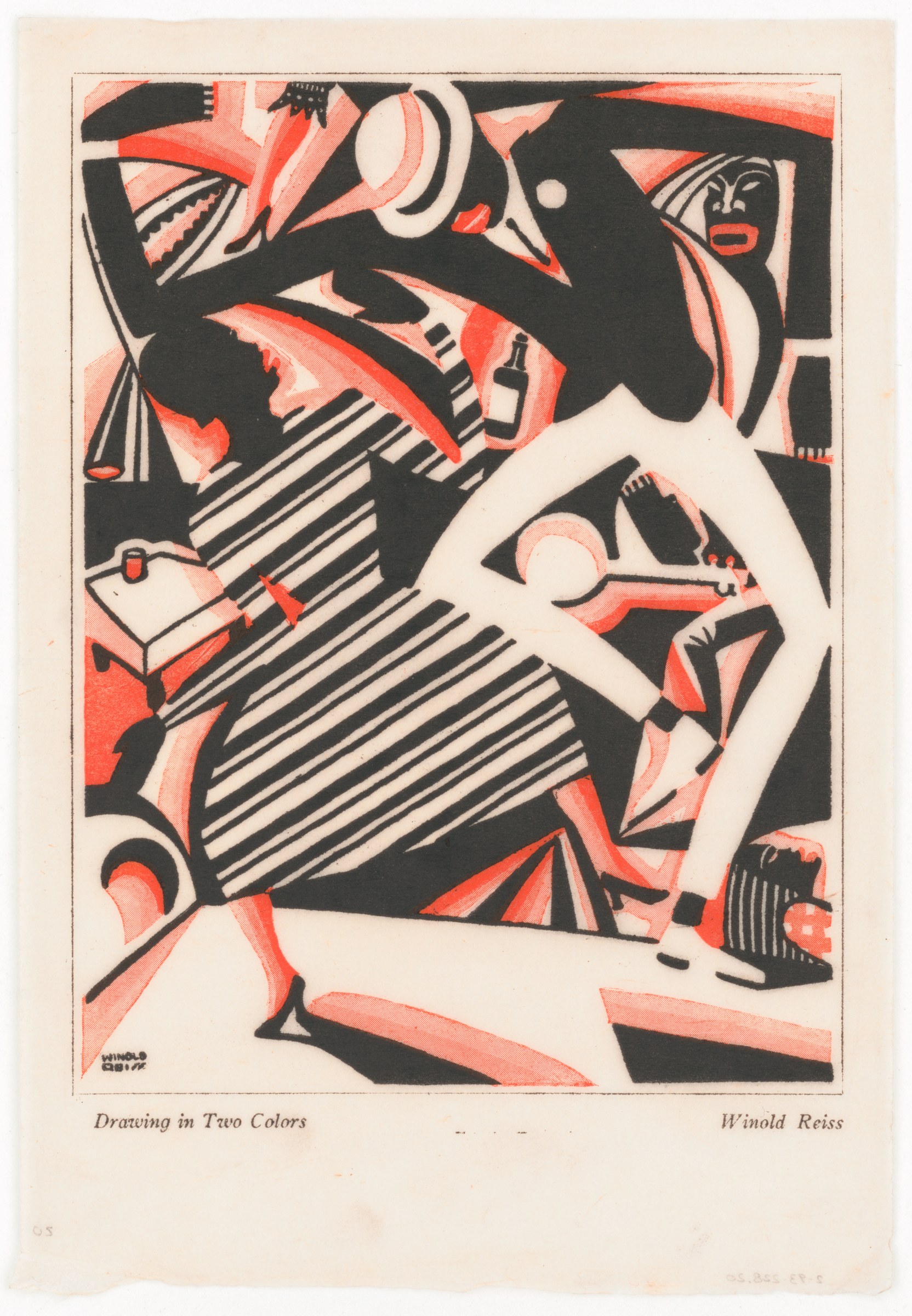
Browse the gallery →Works from the wider Street & Funk Styles tradition — we have not yet identified enough that depict Locking specifically.
Continue Exploring
Lineage of Dance
500 years of dance evolution
Champions of Dance
Winners of marquee national & world titles
Language of Dance
161 dance terms & translations
Listening of Dance
Tempo, timing & musicality tools
Gallery of Dance
5,700+ artworks from museum collections
Attire of Dance
Evolution of dance dress across eras
Keep the thread going
Dance history, technique, and the occasional rabbit hole — in your inbox. Thoughtful, infrequent, unsubscribe anytime.
Free. No spam. One click to leave.