Neoclassical Ballet
Also known as: Balanchine ballet
History & Cultural Context
Neoclassical ballet emerged in the 20th century as choreographers retained the classical vocabulary but abandoned elaborate plot and decor in favor of abstraction, musicality, and expanded line. George Balanchine's Apollo (1928) is widely regarded as the first neoclassical ballet; he founded the School of American Ballet (1934) and New York City Ballet (1948) and developed the speed, off-balance attack, and extreme extension of the 'Balanchine method.' Related figures include Serge Lifar and Frederick Ashton.
Cultural Significance
Balanchine's collaborations with Stravinsky (Apollo, Agon) made music-driven abstraction central to American ballet.
Characteristic Movement & Technique
Plotless, music-driven choreography with heightened speed, extension, and attack on the classical base.
Signature Figures
- George Balanchine
- Igor Stravinsky
- Serge Lifar
- Frederick Ashton
Notable Codifiers
- George Balanchine
Neoclassical Ballet Music & Tempo
Drawn from 23 Neoclassical Ballet tracks in the LODance music library.
Example tracks at practice tempo
- Dance of the Sugar Plum Fairy — Lindsey Stirling144 BPM
- Allegro #1 — Suki Schorer & Nancy McDill102 BPM
- Grand Battement — Suki Schorer & Nancy McDill
- Transcendence — Lindsey Stirling
- Degage — Suki Schorer & Nancy McDill
- Reverence — Suki Schorer & Nancy McDill
Legends of Neoclassical Ballet
Dancers, choreographers and teachers whose work shaped this style.
Neoclassical Ballet on screen
Films and television where Neoclassical Ballet appears, with the sequences worth watching for.
 The Turning Point (1977)4 sequences indexedEtudes finale — touring-company performance · 00:02:12 · chor. Harald LanderEtudes studio rehearsal · chor. Harald LanderAnniversary gala — Tchaikovsky Pas de Deux · chor. George Balanchine
 Restless Creature: Wendy Whelan (2016)2 sequences indexedLa Sonnambula farewell excerpt · chor. George BalanchineDances at a Gathering farewell excerpt · chor. Jerome Robbins
 The Paris Opera (2017)2 sequences indexedLa Nuit s’achève lovers’ duet rehearsal · chor. Benjamin MillepiedLa Nuit s’achève performance from the wings · chor. Benjamin Millepied
 Breaking Pointe (2012–2013)1 sequence indexedEmeralds company performance · chor. George Balanchine
 Flesh and Bone (2015)1 sequence indexedRubies opening-night passage · chor. George Balanchine
 The Company (2003)1 sequence indexed“Light Rain” · chor. Gerald ArpinoThe Heart Dances (2018)1 sequence indexedAda’s closed neoclassical movement language · chor. Jiří Bubeníček
Poster artwork from TMDB.
 This site uses TMDB and the TMDB APIs but is not endorsed, certified, or otherwise approved by TMDB.
Neoclassical Ballet in performance
49 staged works in the Limelight catalogue contain Neoclassical Ballet, 1924–2016 — 14 of them in a named act or number.
- Mozartiana1933Ballet · George Balanchine · defining styleTheme and Variations
Theme and Variations, the principal pas de deux — Opens with separate solos for the man and woman rather than a partnered duet throughout, and the closing duet avoids conventional male/female support patterns, per Farrell's own account of dancing 'separatel…
- Orpheus1948Ballet · George Balanchine · defining styleAct II
Tableau II, the central Pas de deux — A formal pas de deux for Orpheus and Eurydice set among named episodes (Pas des furies, Pas d'action, Interlude), the classical duet unit around which the tableau's action is structured. Source: "Pas d’action; Pas de de…
- La Valse1951Ballet · George Balanchine · defining styleLa Valse
Throughout the ballet, across both the Valses Nobles et Sentimentales and La Valse sections — Corps de ballet, soloist trios, and a central pas de deux built from waltz meter, extended with backbends and an increasingly frantic solo ending in the ballerina'…
- Fanfare1953Ballet · defining styleEnsemble of the orchestra
The ensemble sequence following the majordomo's spoken introduction — Small mixed-gender groups stand in for instrument families and move as coordinated ensemble units through the shape of Britten's variations, with no featured solo dancer - a plotless, mus…
- Episodes1959Ballet · George Balanchine · defining styleAct II · Episodes II
Episodes II, Balanchine's plotless half of the ballet — Plotless, music-driven ensemble and pas de deux choreography for NYCB dancers in practice clothes, built to mirror the structure of Webern's serial scores and Webern's Bach arrangement, with dancers de…
- Concerto1966Ballet · Kenneth MacMillan · defining styleSecond movement (pas de deux)
Second movement, the central pas de deux — The male partner is choreographed to function as a literal ballet barre, holding positions for the woman to balance against and stretch from, rather than performing conventional lifts and turns. Source: "The man ac…
- Ballet · defining stylePas de deux (Pink Girl and Mauve Boy)
the pas de deux between Pink Girl and Mauve Boy — A lyrical classical pas de deux for one couple, singled out from the surrounding ensemble writing as the ballet's most recognisable and emotionally weighted passage. Source: "The most well-known part of the…
- In the Night1970Ballet · defining styleFirst pas de deux (Nocturne in C sharp minor, Op. 27, No. 1)
All three pas de deux, from the opening duet through the closing group exit — sustained off-balance partnering built from lifts, deep supported balances, kneeling supports and dramatic carries, used to characterize emotional states rather than display set s…
- Ballet · George Balanchine · defining styleFirst movement
First movement — Sixteen women in a diagonal line, then overlapping entrances of six principals and five soloist couples leaping and spinning against a continuously moving corps de ballet. Source: "Dancers leap on, followed by small entourages, or spin thei…
- In G Major1975Ballet · defining styleCentral pas de deux (second movement)
The central pas de deux, second movement — Sustained, lyrical partnering built on approach-and-retreat and unfolding, with parallel holds and lifts characteristic of NYCB's plotless, music-driven concerto-ballet tradition of the period. Source: "their duet…
- Piano Pieces1981Ballet · defining styleSolos and pas de deux
The solo and pas de deux block among the principal dancers — Described by a contemporary critic as advancing Robbins's partnering technique to 'a new peak', with dense, inventive pas de deux work for the seven leads Source: "Piano Pieces is a brilliant step…
- Glass Pieces1983Ballet · Jerome Robbins · defining styleRubric
"Rubric," the first movement — Three principal couples dance contrasting classical choreography against a corps de ballet whose movement pattern resets with each couple's entrance, a music-structure-driven, plotless treatment typical of neoclassical ballet.…
- Ballet · defining styleFirst movement
First movement — Hierarchical ensemble writing — soloist set against demi-soloist ranks and a twelve-woman corps de ballet — is the classic Balanchine-derived symphonic-ballet structure that organizes plotless concerto ballets by musical form rather than st…
- Jazz Calendar1968BalletTuesday
Tuesday section, a pas de trois — Modelled explicitly on Ashton's Monotones, implying restrained, plotless, geometric partnering and pure academic line rather than pantomime or character work. Source: "Tuesday is a pas de trois in a style of Ashton's Monoto…
- Les biches1924Ballet · defining style
The whole ballet — Academic ballet steps reworked with inventive port de bras, flexed arms, a new kind of pas de bourrée, altered épaulement and asynchronous torso-leg movement, per Oberzaucher-Schüller's analysis of Nijinska's choreography. Source: "Like t…
- Apollo1928Ballet · Adolph Bolm, George Balanchine · defining style
The whole ballet, both tableaux — Structured as a suite of solo variations and a pas de deux built on classical vocabulary but stripped of narrative, psychological or expressive intent, matched by monochrome costuming and bare staging. Source: "Apollo ... i…
- Serenade1934Ballet · George Balanchine · defining style
the whole ballet — Plotless structure, ensemble-driven formations shaped directly by the music rather than by narrative, positioned as a step away from episodic Diaghilev-era ballet toward Balanchine's later abstract American style. Source: "The work can be…
- Ballet · George Balanchine · defining style
The whole ballet, especially the 1973 retitled version — Plotless choreography made to run continuously against a symphonic concerto rather than a narrative score, with mime and pictorial allusion stripped out so that steps relate directly to the music alon…
- Concerto Barocco1941Ballet · George Balanchine · defining style
the entire ballet — Plotless, structured entirely by musical form rather than narrative, with pointe work, principal/corps hierarchy and classical line stripped of decorative scenery or story. Source: "Concerto Barocco is a neoclassical ballet choreographed…
- Suite en Blanc1943Ballet · Serge Lifar · defining style
the whole ballet — A plotless suite of pure-dance movements built on classical ballet technique, explicitly characterised as abstract and neo-classical rather than narrative or character-based. Source: "It was an abstract neo-classical ballet produced durin…
- Ballet · George Balanchine · defining style
1972 New York City Ballet remounting for the Stravinsky Festival — Almost entirely new steps replacing the 1944 choreography, but kept within the same academic, plotless, formally patterned idiom, structured again around parades, a pas de trois sequence and…
- Ballet · George Balanchine · defining style
The whole ballet, across the Theme and all four variations — Plotless, music-driven structure built from pas de deux and soloist variations emphasizing pulse, weight-shift and articulate footwork rather than mime or story. Source: "choreographed it as a neo…
- Ballet · Frederick Ashton · defining style
the whole one-act ballet — Six dancers perform a plotless, abstract ballet built entirely around musical structure rather than mime or character; ensemble roles are near-equal rather than star-led, staged against a bare backcloth with no narrative or scenic…
- Symphony in C1947Ballet · George Balanchine · defining style
Whole ballet, across its four movements and finale — Plotless, music-structured ensemble ballet: each movement built on a principal couple, two demi-soloist couples and corps de ballet, resolving in a full-company finale rather than narrative action. Source…
- Ballet · George Balanchine · defining style
the entire ballet — A plotless, abstract structure for principals, soloists and corps in which steps and musical structure replace narrative or characterization as the organizing principle. Source: "The ballet is plotless and abstract."
- Élégie1948Ballet · George Balanchine · defining style
The whole work, across all three choreographic versions (1948, 1966, 1982) — Plotless, score-driven choreography made directly for a solo viola piece, staged first as an adagio pas de deux then twice as a solo, in the idiom the article itself labels neoclas…
- Ballet · defining style
The entire one-act ballet, from the man's opening solo sleep through the pas de deux to the closing kiss and return to sleep — Barre warm-up, restrained partnering without lifts or bravura steps, and gestures drawn from real rehearsal-room behaviour rather…
- Western Symphony1954Ballet · George Balanchine · defining style
The whole ballet — A plotless, episodic structure of successive dance statements rather than mimed narrative, explicitly compared by the article to Serenade, Balanchine's own foundational plotless ballet. Source: "The ballet follows no plot but presents sev…
- Ivesiana1954Ballet · George Balanchine · defining style
The whole work, across all four movements of the settled version — A plotless suite of short, mood-driven movements performed in practice clothes rather than classical costume, using abstracted partnering, pedestrian gesture and kneeling processionals in pl…
- Ballet · George Balanchine · defining style
the entire ballet, a single continuous movement — plotless choreography built directly to concerto structure, with continuous, musically-driven phrasing described as 'dancey and flowing' rather than narrative or mimed Source: "I had no narrative idea for th…
- Ballet · George Balanchine · defining style
The entire ballet, across all five movements — A plotless, purely musical structure of solos, ensembles and pas de deux with muted emotional overtones and little virtuoso display, danced straight through the movements of the score with no story. Source: "Ba…
- Agon1957Ballet · George Balanchine · defining style
The whole ballet — A plotless structure of twelve dances in which groups of dancers of varying size interact in pairs, trios and quartets, replacing narrative pantomime with abstract, musically-driven ensemble patterning. Source: "The ballet has no story, b…
- Ballet · George Balanchine · defining style
The whole ballet — Plotless, abstract patriotic spectacle built on classical technique fused with drill and march vocabulary throughout, rather than a narrative ballet. Source: "Stars and Stripes is a neoclassical ballet choreographed by George Balanchine"
- Ballet · George Balanchine · defining style
The entire pas de deux — A plotless display piece stripped of narrative, driven purely by musicality, speed and virtuosic display - darting footwork, big jumps, high lifts - rather than mime or story. Source: "an eight-minute display of ballet bravura and t…
- Ballet · George Balanchine · defining style
the whole ballet, both parts — Balanchine-made choreography for four couples that moves between social ballroom partnering and pointe-based classical vocabulary within a single, plotless structure built directly on the Brahms score. Source: "Liebeslieder Wa…
- Ballet · George Balanchine · defining style
The entire ballet, from opening ensemble through coda and finale — A plotless suite for two principals and twelve women structured as entrée, adagio, nine solo variations, and coda/finale, danced purely to the music's 'grand and generous manner' with no pan…
- Jewels1967Ballet · George Balanchine · defining style
all three acts — Described as plotless and abstract rather than narrative-mimetic, structured as three musically distinct movements rather than a story ballet; the Emeralds pas de deux is explicitly built on plain walking rather than virtuoso steps. Source:…
- Who Cares?1970Ballet · George Balanchine · defining style
The whole ballet — Classical pointe vocabulary fused with syncopated, jazz-age musicality across the ensemble suite and the principal solos and duets, rather than narrative or purely academic classicism. Source: "You think it's so unlike Balanchine, it's so…
- Ballet · Jerome Robbins · defining style
The whole ballet, across the Theme and both parts of the variations — A plotless work built entirely from Bach's own musical divisions — solos scaling up through sextets and full-group numbers, without narrative, in the musical-visualization mode typical of…
- Ballet · George Balanchine · defining style
The whole ballet, across Toccata, Aria I, Aria II and Capriccio — Plotless, abstract choreography made as a direct response to the concerto's structure, danced in practice clothes rather than period or narrative costuming, with steps generated from the musi…
- Ballet · Hans Van Manen · defining style
the whole ballet, continuous through the single Adagio movement — Plotless choreography for three couples built on unison partnering, women curling and drooping to the floor rather than lifted, and walks breaking into stamps — restrained, detail-driven ball…
- Ballet · George Balanchine · defining style
The entire ballet, danced by two separated groups of eight couples — Plotless ensemble structure with no principal roles or soloistic focus; two groups of paired couples move through geometric formations keyed to the score, described as retaining 'the aura…
- Vienna Waltzes1977Ballet · George Balanchine · defining style
the whole ballet — A Balanchine-choreographed evening ballet built entirely from stylised social dance forms (waltz, polka) reworked into theatrical, plotless or lightly-plotted ensemble and pas de deux structures. Source: "Vienna Waltzes is a ballet choreo…
- Ballet · George Balanchine · defining style
The whole ballet, for two principal couples and a corps of eight men — Fast, angular, plotless choreography built in close rhythmic counterpoint to a dense modernist chamber score, with corps and principals tracked simultaneously through contrasting materia…
- Ballet · George Balanchine · defining style
Whole ballet: prologue, pas de deux, variations, coda — A plotless suite built on the classical divertissement skeleton — pas de deux and variations for leads and soloists framed by an all-female corps, with no mime or narrative action. Source: "Ballo della…
- Andantino1981Ballet · Jerome Robbins · defining style
The whole work, a single continuous pas de deux — A pas de deux that abandons the classical entrée-variation-coda form entirely, built instead as continuous, skating-like partnering with sustained lifts and embraces rather than discrete display steps. Sourc…
- Brandenburg1997Ballet · Jerome Robbins · defining style
The whole ballet — Plotless ensemble choreography alternating principal duets with large corps formations, built from what Teachout describes as Robbins' recurring 'signature moves' within a classically structured framework. Source: "Brandenburg is a neocla…
- Polyphonia2001Ballet · Christopher Wheeldon · defining style
the whole ballet, which is plotless throughout — Danced by four couples in an abstract, non-narrative format that reviewers linked directly to Balanchine's spare, unison-and-duet 'leotard ballets,' where choreography answers the music rather than mime or pl…
- Blake Works I2016Ballet · William Forsythe · defining style
the whole ballet — critical description of a classical step vocabulary reworked with historical citation rather than narrative, danced to a pop/electronic score rather than a story ballet score Source: "Forsythe's vast classical vocabulary puts to shame man…
Every claim above is quoted from a cited source and names where in the work the style appears. Claims we could not place or could not quote are held back from this list and shown on the work’s own page instead. Browse the full performance catalogue →
Sources & Further Reading
Cultural & Historical Context
Neoclassical Ballet emerged from Europe / United States during the 1920s—1980s. Understanding the cultural roots, musical traditions, and social circumstances of this era enriches appreciation for the dance's characteristics and significance.
Formative Influences
Codifiers & Standardizers:
George Balanchine
Signature Movement Vocabulary:
George Balanchine, Igor Stravinsky, Serge Lifar, Frederick Ashton
Primary Source Documents
The Library of Dance contains public-domain primary sources for dance history. Copyrighted modern syllabi are indexed with purchase links to their respective copyright owners. Search by dance name or codifier to discover primary source documents.
Last reviewed: September 2026 — This dance profile synthesizes historical research, cultural documentation, and contemporary practice knowledge to provide authoritative context.
More in Ballet
Ballet de Cour (Court Ballet)
The aristocratic court spectacle from which ballet grew, danced by nobles (including Louis XIV) and codified into the five positions and turnout under Beauchamp at the Académie Royale de Danse (1661).
Romantic Ballet
The early-19th-century era that introduced pointe work, the ethereal 'white ballet,' and the ballerina as central figure, exemplified by La Sylphide (1832) and Giselle (1841).
Classical Ballet
The full-evening story-ballet style perfected by Marius Petipa in Imperial Russia—Swan Lake, The Sleeping Beauty, The Nutcracker—that defines the core ballet repertory and codified virtuoso classical technique.
Contemporary Ballet
The late-20th-century-onward fusion of classical ballet technique with modern and contemporary dance, associated with choreographers such as William Forsythe and Jiří Kylián.
Pre-Ballet & Creative Movement
The early-childhood foundation class that introduces rhythm, spatial awareness and basic ballet vocabulary through imaginative, imagery-led movement rather than formal syllabus work.
Vaganova Method
A pedagogical system for training classical ballet dancers, not a choreographic style or a period repertoire. Agrippina Vaganova built it by analysing what the French, Italian and older Russian teachers of the Imperial school had each done well, and fixing the result as a progressive year-by-year course. It is the training behind the Kirov and Bolshoi companies and, in diluted or borrowed form, behind a large share of ballet teaching worldwide.
Cecchetti Method
A training method rather than a style of choreography, built on a fixed weekly cycle of set exercises so that the whole vocabulary is covered every six days and no muscle group is overworked. Enrico Cecchetti taught it to a generation that included Pavlova, Nijinsky and Karsavina; it was written down by his London pupils and admirers in the 1920s. Its concern is anatomical economy: strength built without strain, and the same effort available on the sixth day as on the first.
Royal Academy of Dance (RAD) Method
A graded teaching and examination syllabus rather than a technical school descended from one master, assembled in 1920 by teachers of five different national traditions who wanted a common standard for ballet teaching in Britain. Its structure is a ladder of examined levels, each with set exercises, taken by children and by vocational students. It is now the most widely examined ballet syllabus in the world.
Balanchine Method
A way of training dancers for a specific body of choreography, developed by George Balanchine at the School of American Ballet from 1934 and refined over five decades to serve New York City Ballet. It prizes speed, clarity at high tempo, extreme range of movement and a willingness to go off the vertical and recover. Unlike the older European schools it was never written into a syllabus by its founder, and is transmitted by teachers who danced for him.
Bournonville Method
The training developed by August Bournonville for the Royal Danish Ballet, built to serve his own ballets and preserved in Copenhagen long after the French style it descends from had disappeared in Paris. It trains a jump that appears to cost nothing, intricate beaten footwork, and an upper body that stays modest while the legs do difficult things. It is the closest surviving link to early nineteenth-century French classroom practice.
Neoclassical Ballet in art
Browse the gallery →Works our catalogue identifies as depicting neoclassical ballet.
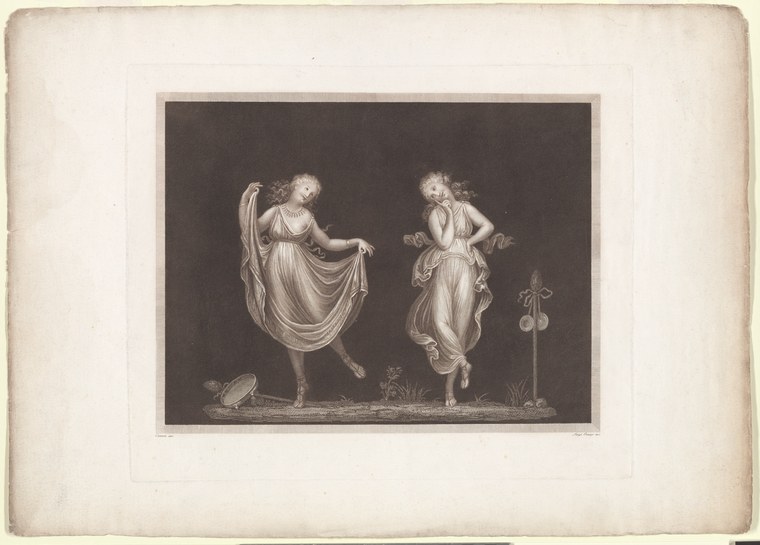
Ancient dancing
Unknown artist · 2019
public_domain
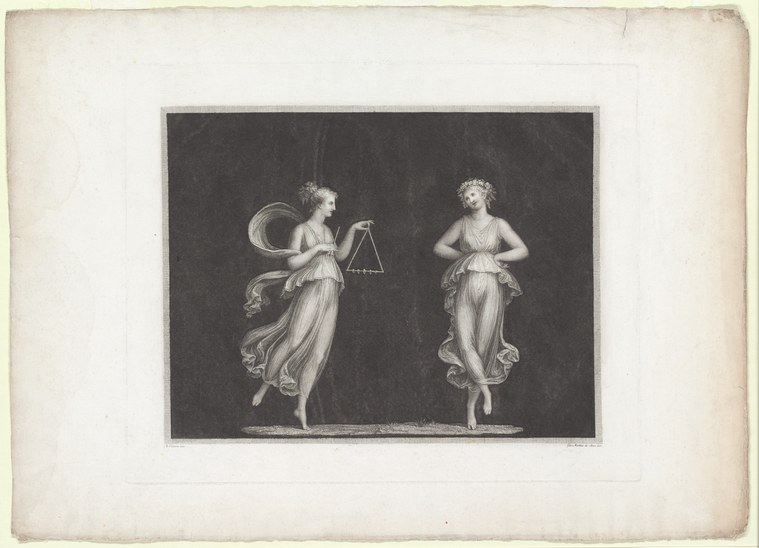
Ancient dancing
Unknown artist
public_domain
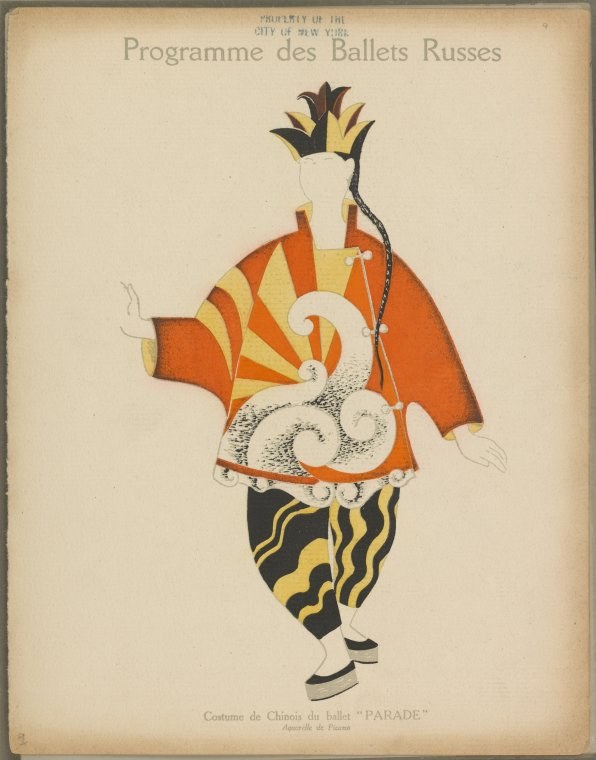
Programme des Ballet Russes
Unknown artist
public_domain
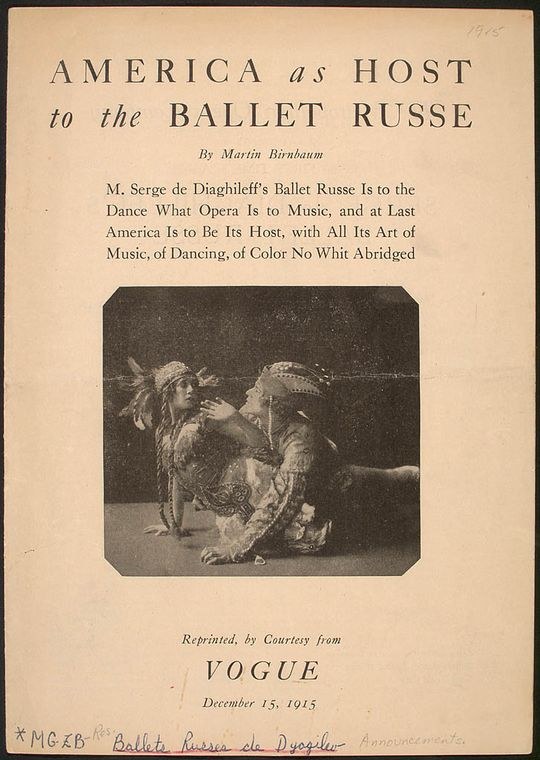
America as host to the Ballet Russe
Unknown artist
public_domain
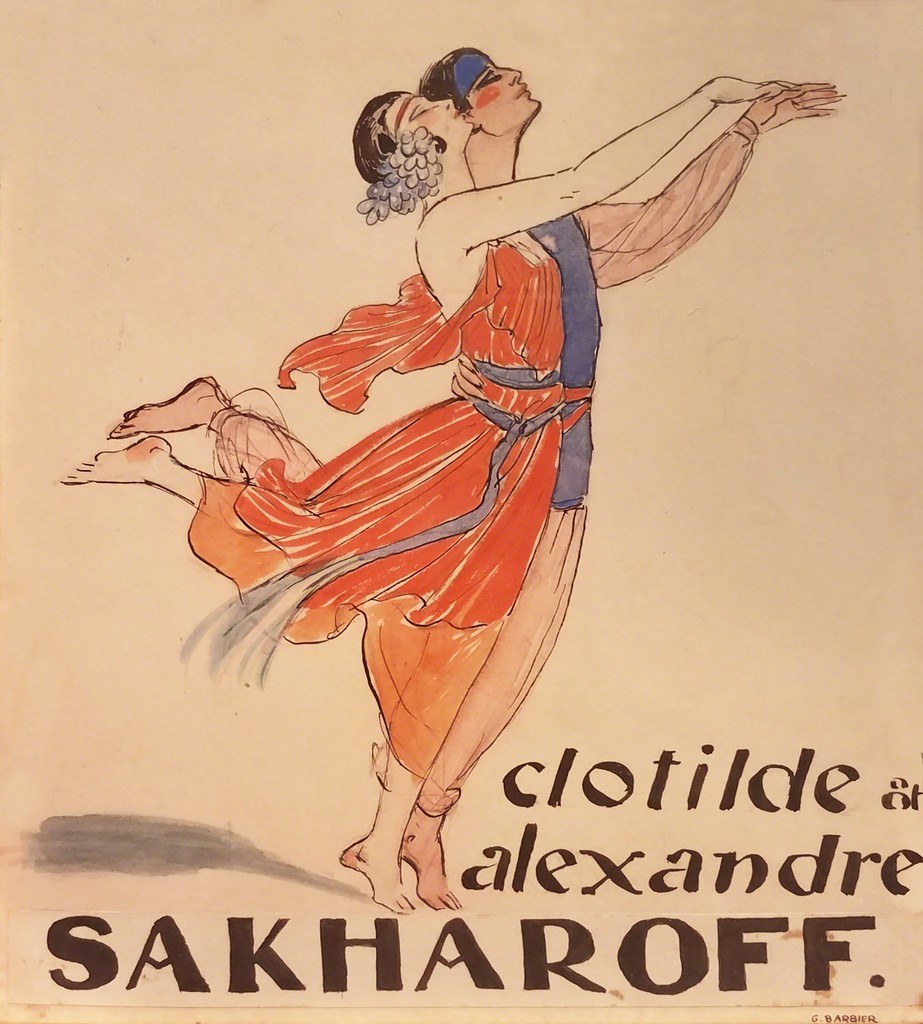
Sakharoffs les (2)
George Barbier · 1921
Public Domain
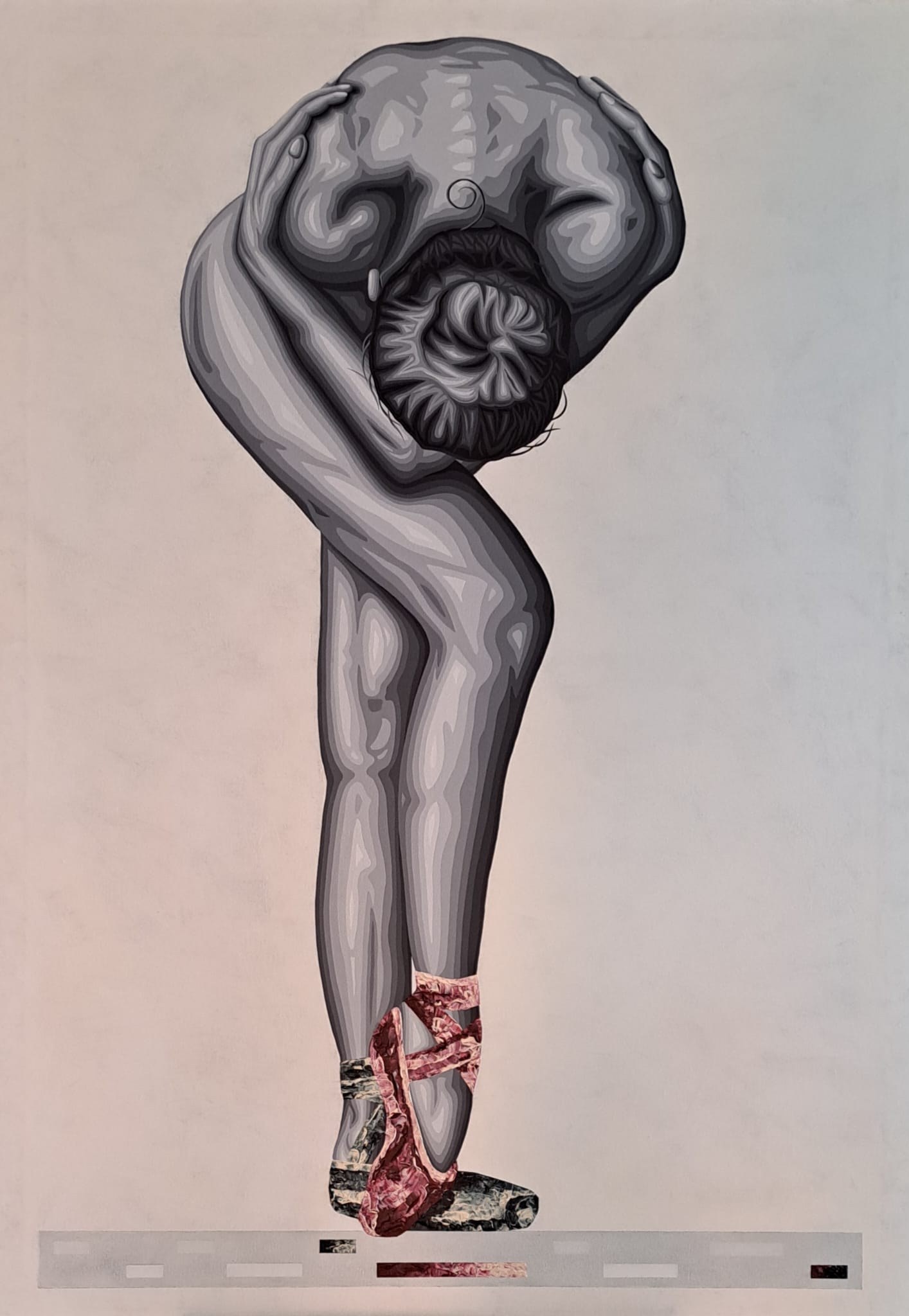
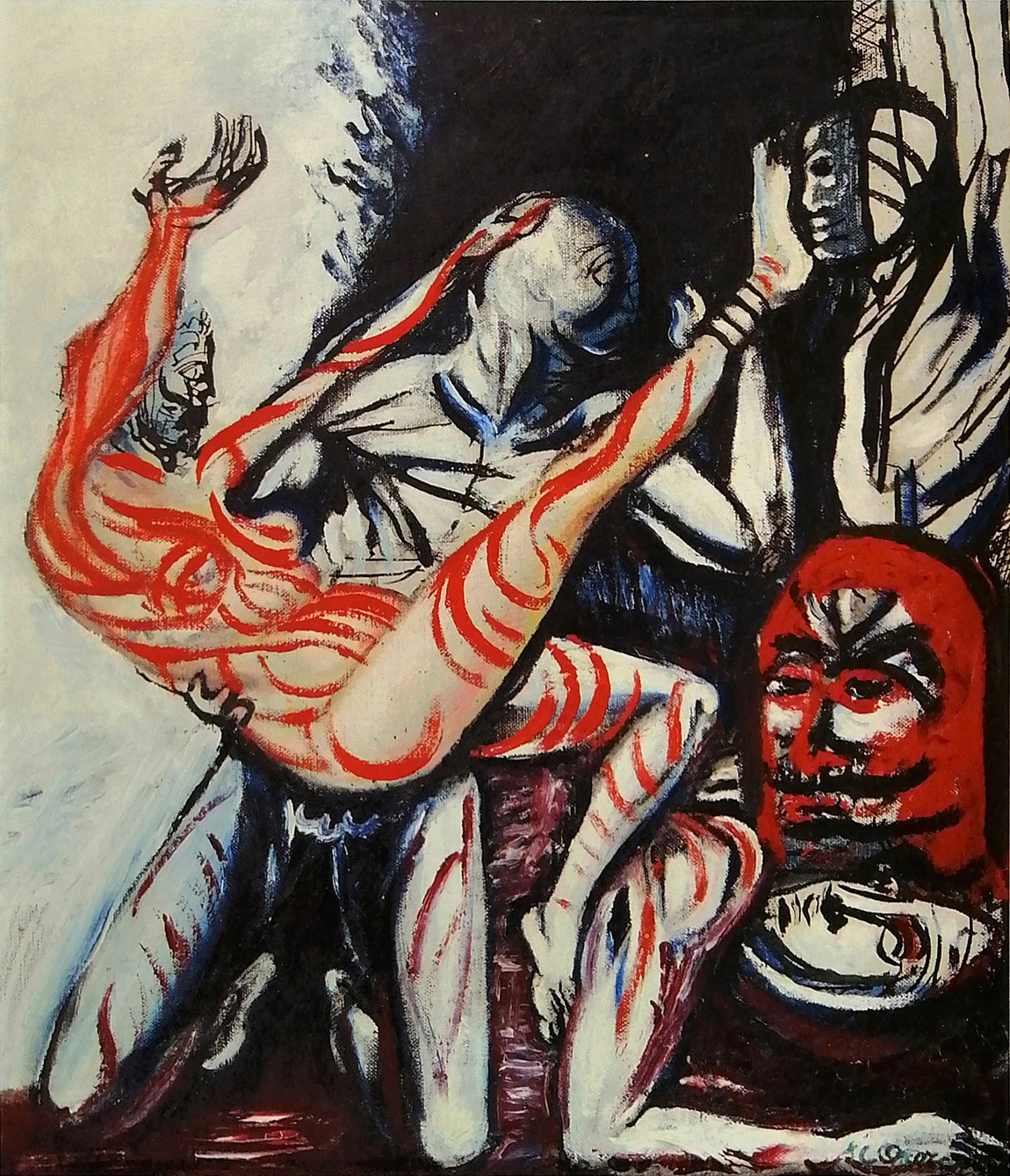
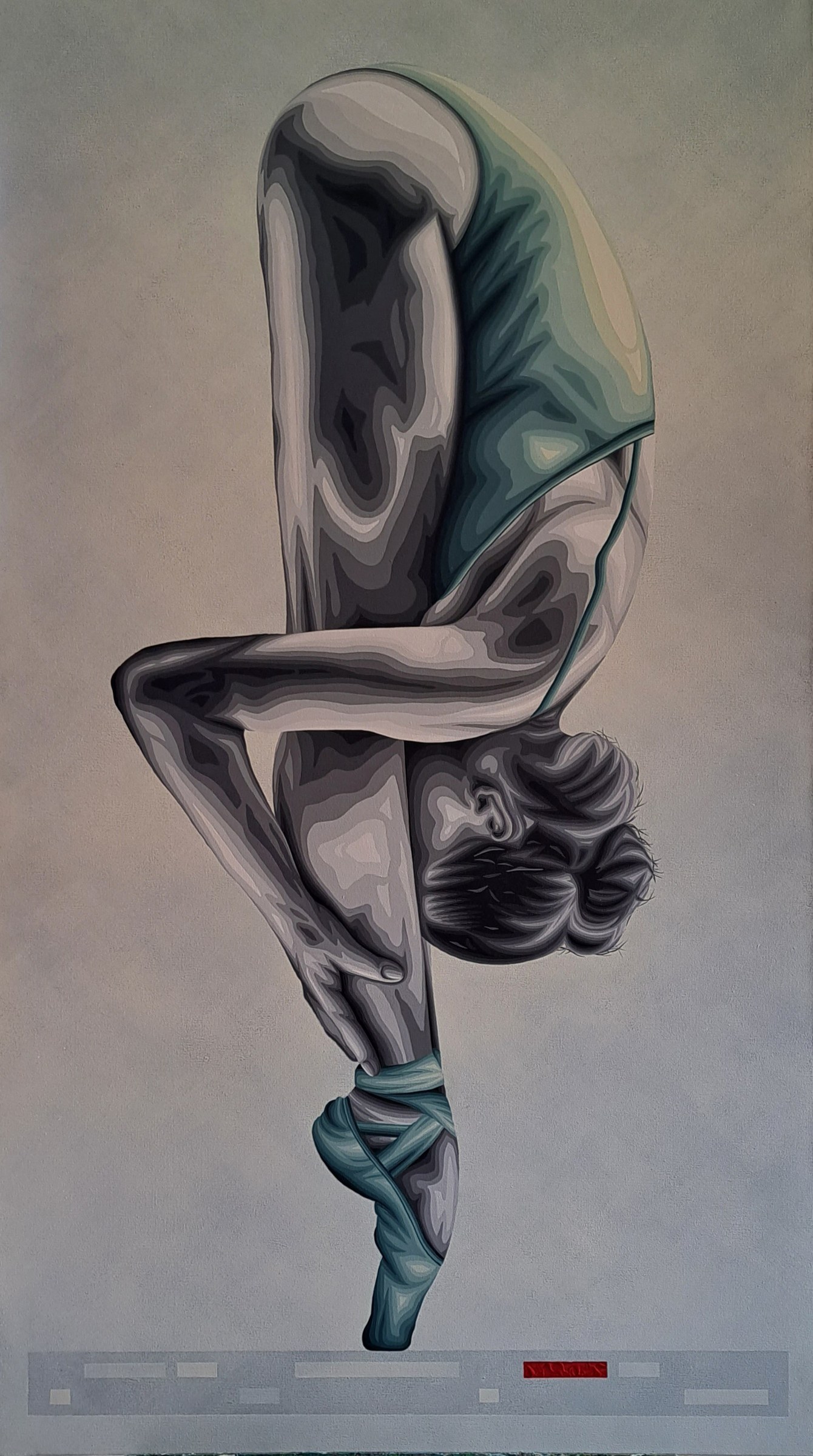
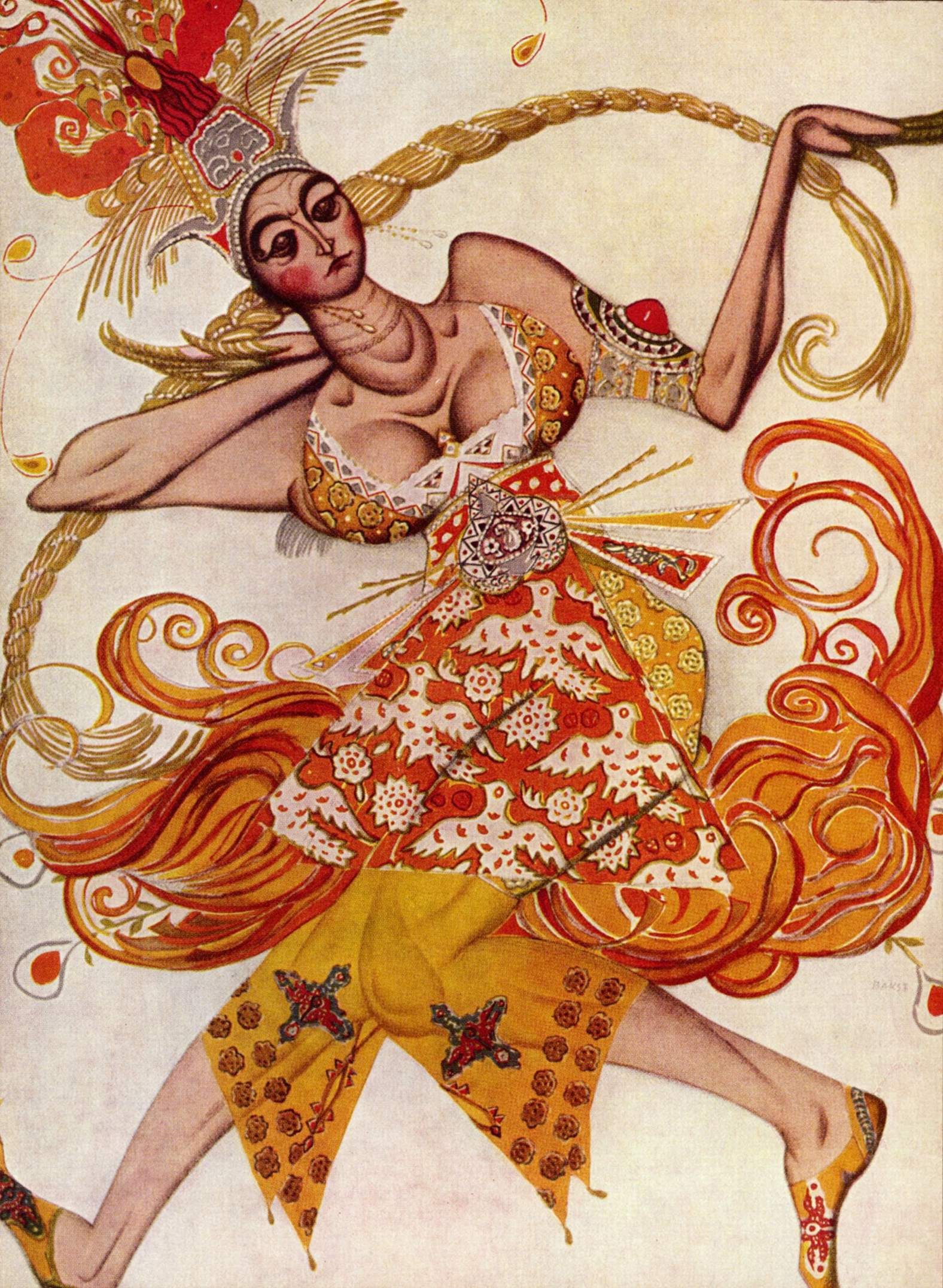
Léon Bakst 001
Léon Bakst · 1910
Public Domain
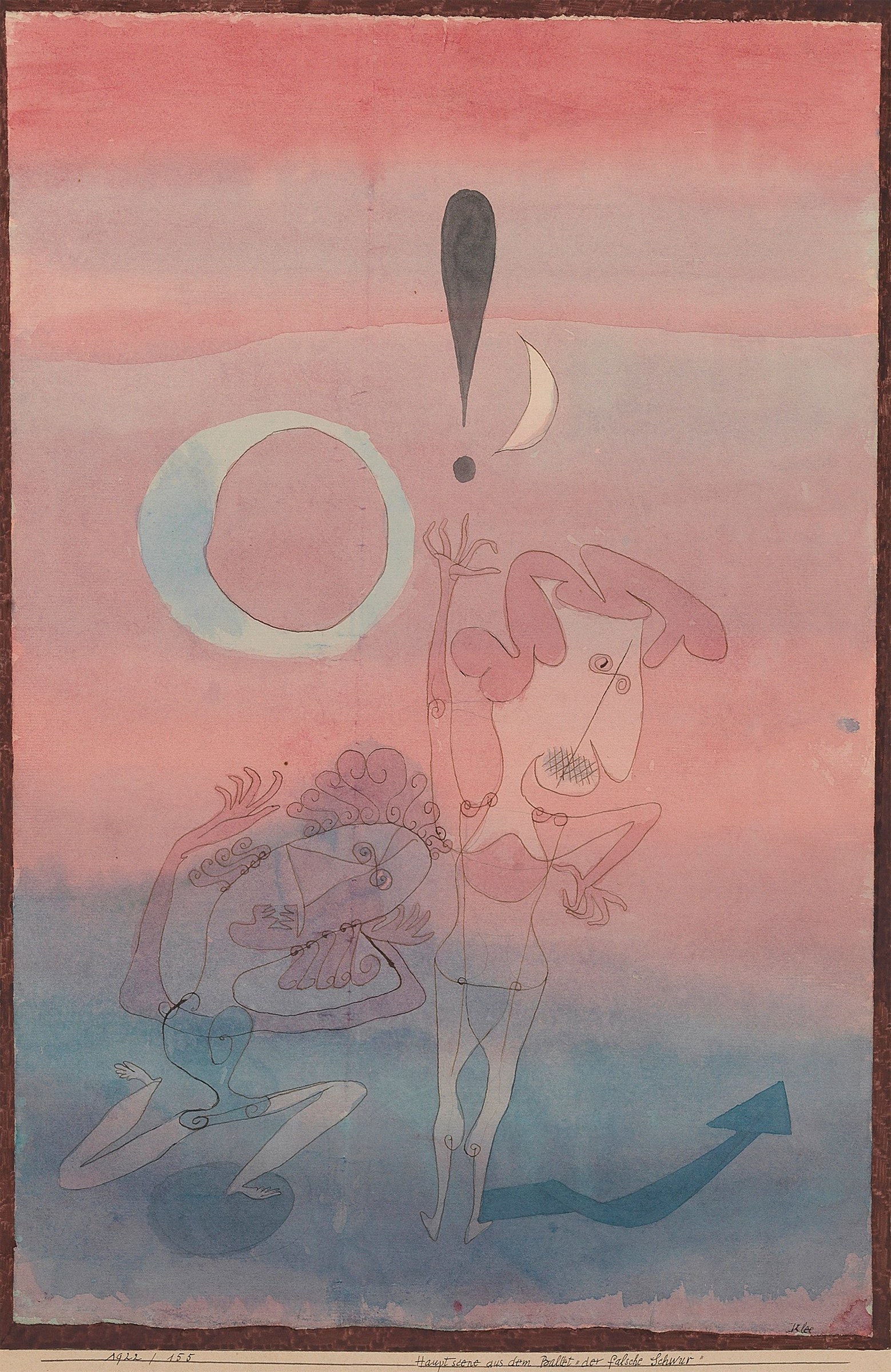
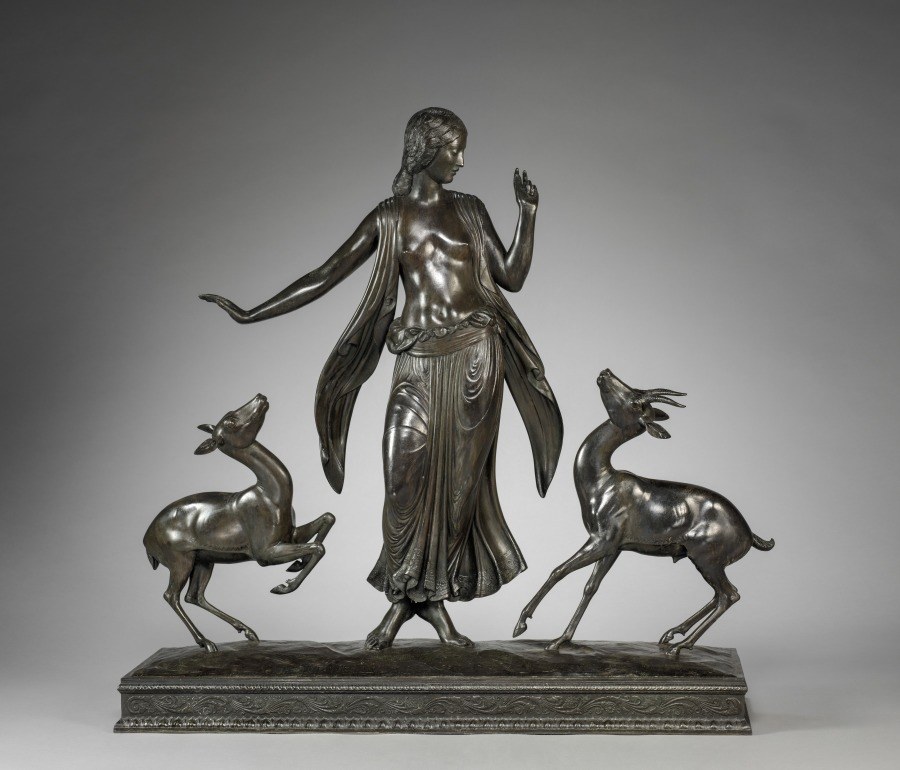
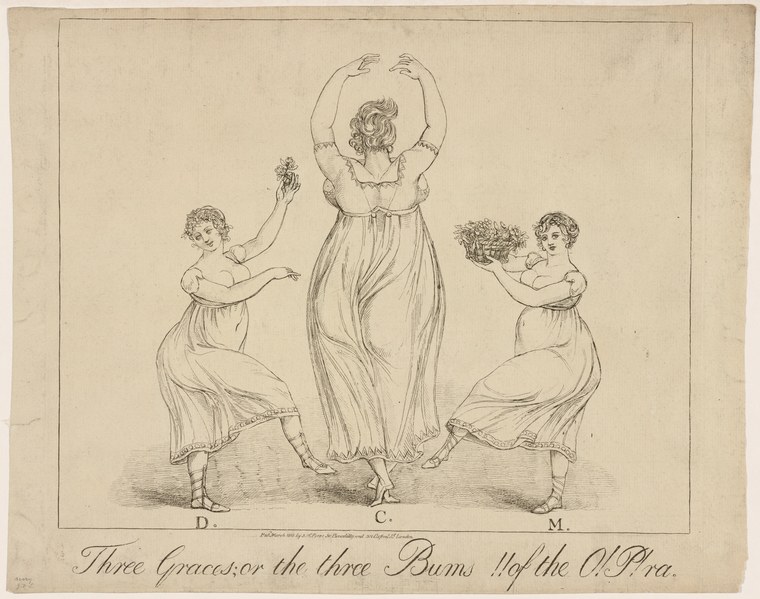
Continue Exploring
Lineage of Dance
500 years of dance evolution
Champions of Dance
Winners of marquee national & world titles
Language of Dance
161 dance terms & translations
Listening of Dance
Tempo, timing & musicality tools
Gallery of Dance
5,700+ artworks from museum collections
Attire of Dance
Evolution of dance dress across eras
Keep the thread going
Dance history, technique, and the occasional rabbit hole — in your inbox. Thoughtful, infrequent, unsubscribe anytime.
Free. No spam. One click to leave.