Broadway / Theatrical Jazz
Also known as: Theatre jazz, Show jazz
History & Cultural Context
Theatrical jazz dance took shape from the 1940s as Hollywood and Broadway absorbed vernacular jazz into staged choreography. Jack Cole—often called the father of theatrical jazz dance—fused American jazz with East Indian and Caribbean movement and influenced Matt Mattox, Gwen Verdon, Jerome Robbins, and Bob Fosse, whose distinctive angular, isolated style became iconic. Broadway jazz prizes presentation, attack, and line for the proscenium stage.
Cultural Significance
Broadway jazz is the jazz idiom most familiar to general audiences through musical theater and film.
Characteristic Movement & Technique
Sharp isolations, strong lines and attack, theatrical presentation; Fosse's turned-in knees, rolled shoulders, and hat-and-glove styling.
Signature Figures
- Jack Cole
- Bob Fosse
- Jerome Robbins
- Gwen Verdon
- Matt Mattox
Notable Codifiers
- Jack Cole
Dance Lineage
Broadway / Theatrical Jazz Music & Tempo
Drawn from 20 Broadway / Theatrical Jazz tracks in the LODance music library.
Example tracks at practice tempo
- At the Ballet — Deidre Goodwin, Alisan Porter, Mara Davi
- Cool — New Broadway Cast of West Side Story (2009)
- Hot Honey Rag — Orchestra - Broadway Cast of Chicago The Musical
- Dance: Ten; Looks: Three — Jessica Lee Goldyn
- We Both Reached for the Gun — 1996 Broadway Cast of Chicago
- One (Reprise) / Finale — A Chorus Line Ensemble (2006)
Legends of Broadway / Theatrical Jazz
Dancers, choreographers and teachers whose work shaped this style.
Broadway / Theatrical Jazz on screen
Films and television where Broadway / Theatrical Jazz appears, with the sequences worth watching for.
 Chicago (2002)4 sequences indexedWhen You're Good to Mama · 00:17:38 · chor. Rob Marshall; John DeLuca (choreographic supervisor)Razzle Dazzle · 01:19:25 · chor. Rob Marshall; John DeLuca (choreographic supervisor)Nowadays solo audition · 01:37:18 · chor. Rob Marshall; John DeLuca (choreographic supervisor)
 Bunheads (2012–2013)1 sequence indexedMichelle's Joffrey audition simulation · chor. Marguerite Derricks
 Center Stage (2000)1 sequence indexedJazz class · chor. Susan Stroman
Poster artwork from TMDB.
 This site uses TMDB and the TMDB APIs but is not endorsed, certified, or otherwise approved by TMDB.
Broadway / Theatrical Jazz in performance
2 staged works in the Limelight catalogue contain Broadway / Theatrical Jazz, 1957–1975 — 2 of them in a named act or number.
- West Side Story1957Musical theatre · Jerome Robbins · defining styleAct I · Cool
Act I, the number 'Cool' — A controlled, tension-driven jazz dance in which suppressed aggression is expressed physically by the Jets, later excerpted by Bernstein as the 'Cool' Fugue. Source: "When a gang leader advises his cohorts to play it "Cool", the i…
- In G Major1975Ballet · defining styleOuter movements
The outer, faster first and third movements — Presentational, theatrical stepping drawn from Broadway vocabulary, deliberately echoing familiar showbiz idiom in keeping with the concerto's jazz-inflected orchestration. Source: "Performed by a cast of fourte…
Every claim above is quoted from a cited source and names where in the work the style appears. Claims we could not place or could not quote are held back from this list and shown on the work’s own page instead. Browse the full performance catalogue →
Sources & Further Reading
Cultural & Historical Context
Broadway / Theatrical Jazz emerged from United States during the 1940s—present day. Understanding the cultural roots, musical traditions, and social circumstances of this era enriches appreciation for the dance's characteristics and significance.
Formative Influences
Codifiers & Standardizers:
Jack Cole
Signature Movement Vocabulary:
Jack Cole, Bob Fosse, Jerome Robbins, Gwen Verdon, Matt Mattox
Primary Source Documents
The Library of Dance contains public-domain primary sources for dance history. Copyrighted modern syllabi are indexed with purchase links to their respective copyright owners. Search by dance name or codifier to discover primary source documents.
Last reviewed: September 2026 — This dance profile synthesizes historical research, cultural documentation, and contemporary practice knowledge to provide authoritative context.
More in Jazz Dance
Vernacular Jazz
The African American social-dance 'trunk' of jazz dance—ragtime steps, the Charleston, and the Lindy Hop—from which the theatrical branches grew.
Lyrical Jazz
A late-20th-century fusion branch combining jazz technique with the continuity and emotional expression of ballet and contemporary dance, danced to lyrics-driven music.
Jazz Funk
A commercial, street-influenced branch of jazz dance set to hip-hop, R&B, and pop, prominent in music videos and concert choreography.
Dunham Technique
Katherine Dunham's codified technique drawing on Caribbean and African dance, foregrounding torso isolations, polyrhythm, and a wider rhythmic range than other Western dance of its time.
Latin Jazz
The branch of American theatrical jazz dance whose rhythmic and movement basis is Afro-Cuban and Afro-Caribbean rather than Anglo-American swing. It took shape as Cuban musicians and dancers, and researchers who had worked in the Caribbean, brought clave-based rhythm and a mobile pelvis and torso into jazz dance from the 1940s onward. It matters because it is one of the few places in commercial jazz training where the African diasporic source is still explicit in the movement itself.
Vaudeville Jazz
The dance of the American variety stage from roughly the 1880s to the 1930s, where tap, eccentric dance, acrobatic and flash acts, and much of the vocabulary later called jazz dance were invented, tested nightly and professionalised. It was a working system as much as an art form: acts refined material across thousands of performances under booking agents who controlled where and for how much a dancer could work. Most of the vocabulary that survives in tap and musical theatre today was created by Black performers inside a segregated industry that paid them least and credited them last.
Jazz Dance in art
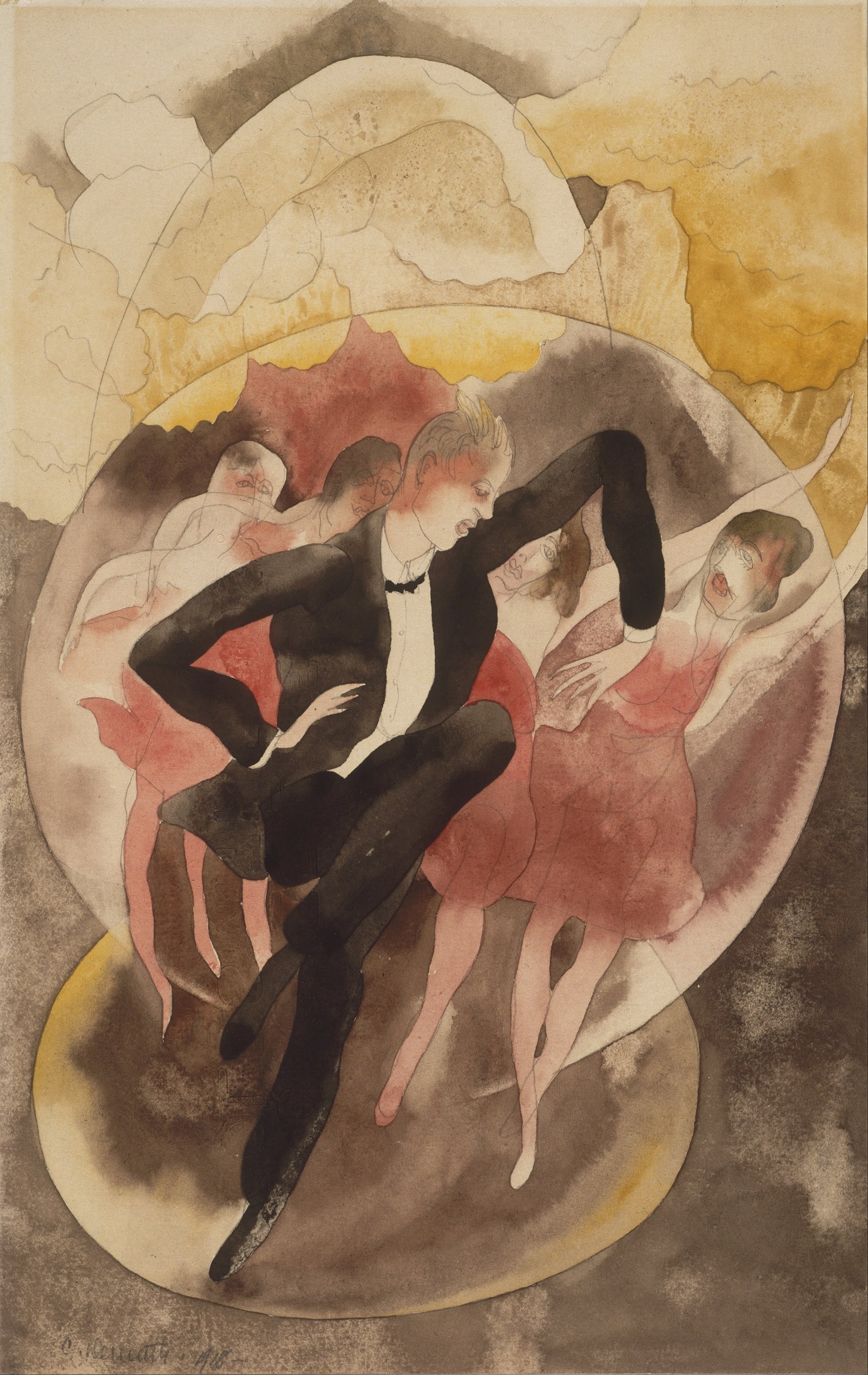
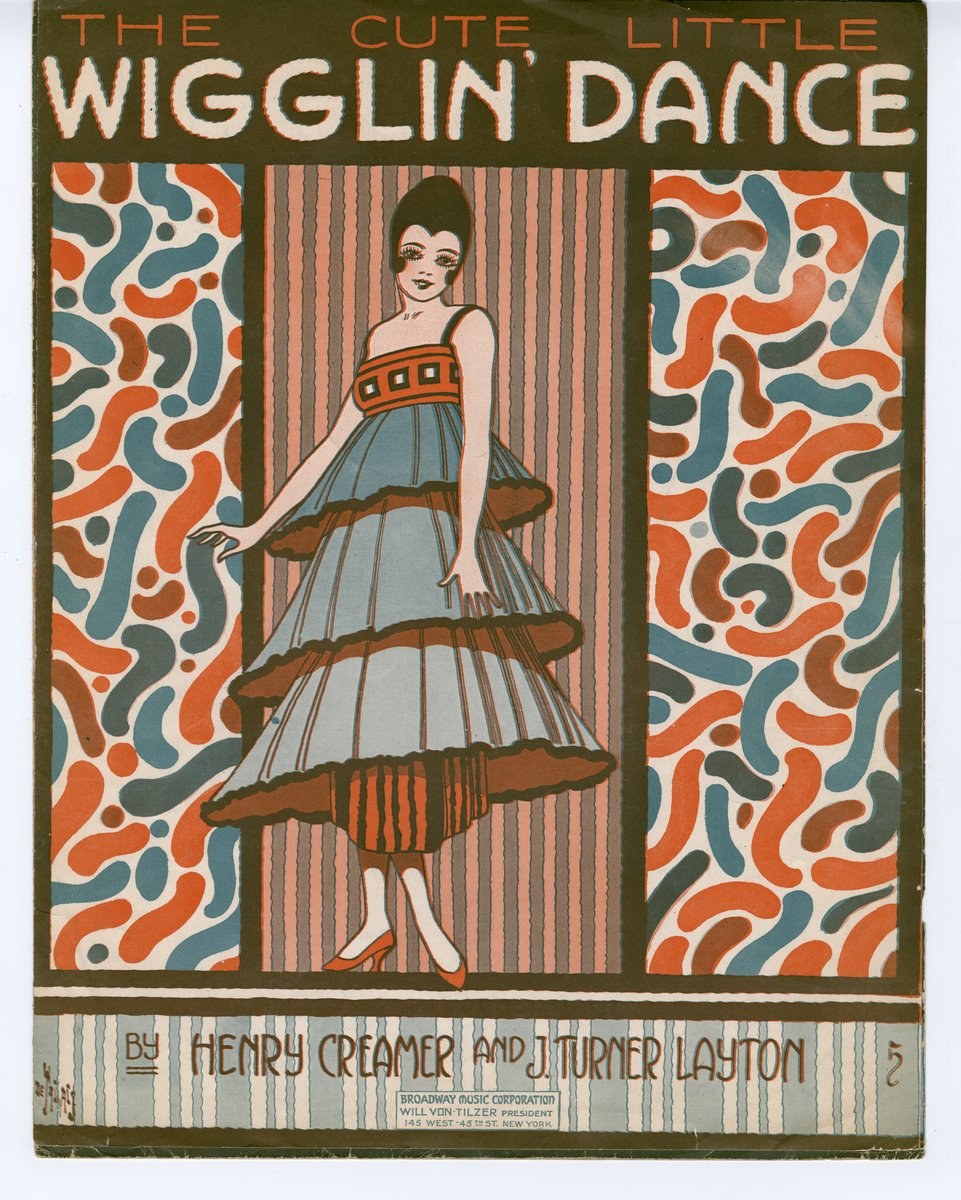
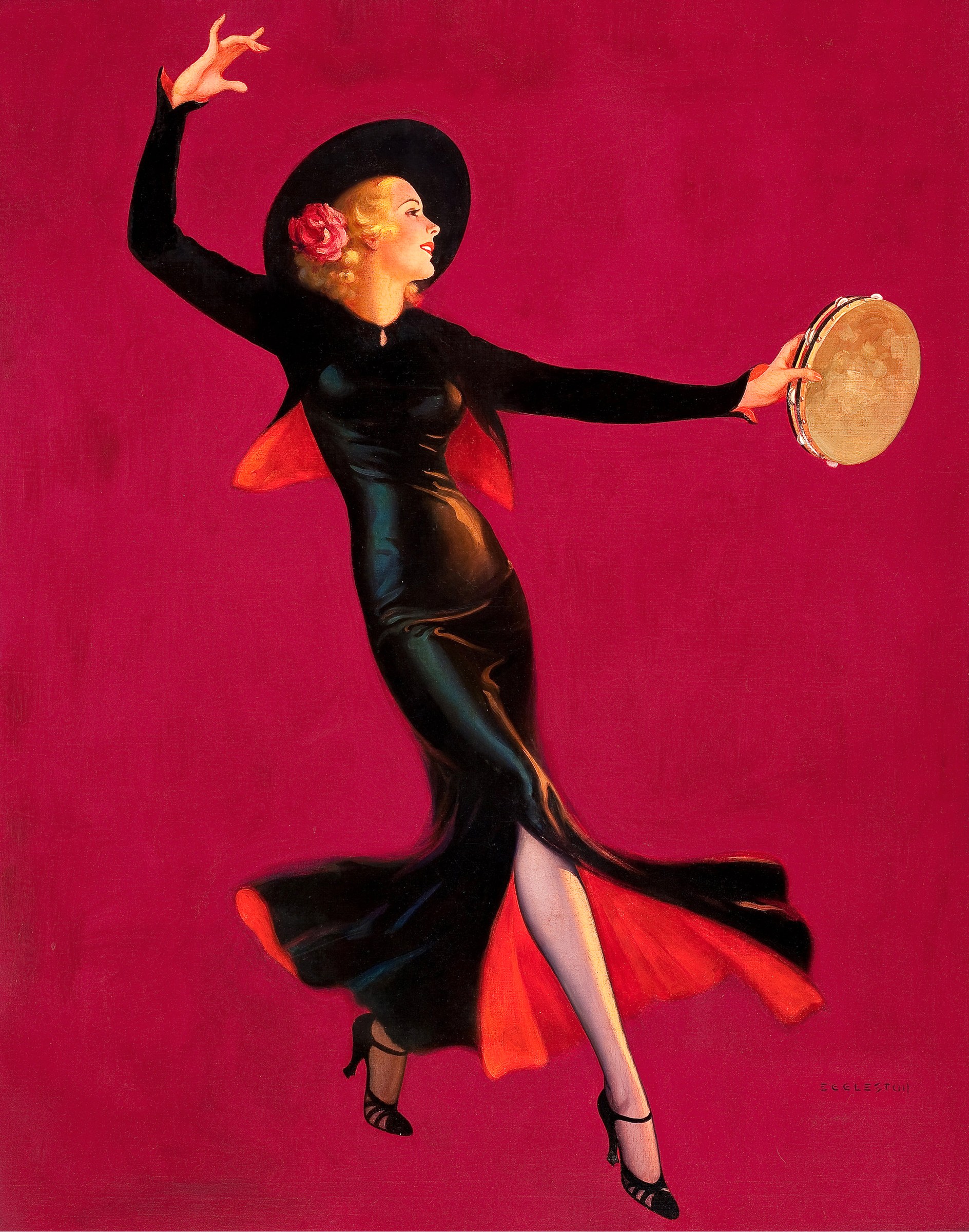
Browse the gallery →Works from the wider Jazz Dance tradition — we have not yet identified enough that depict Broadway / Theatrical Jazz specifically.
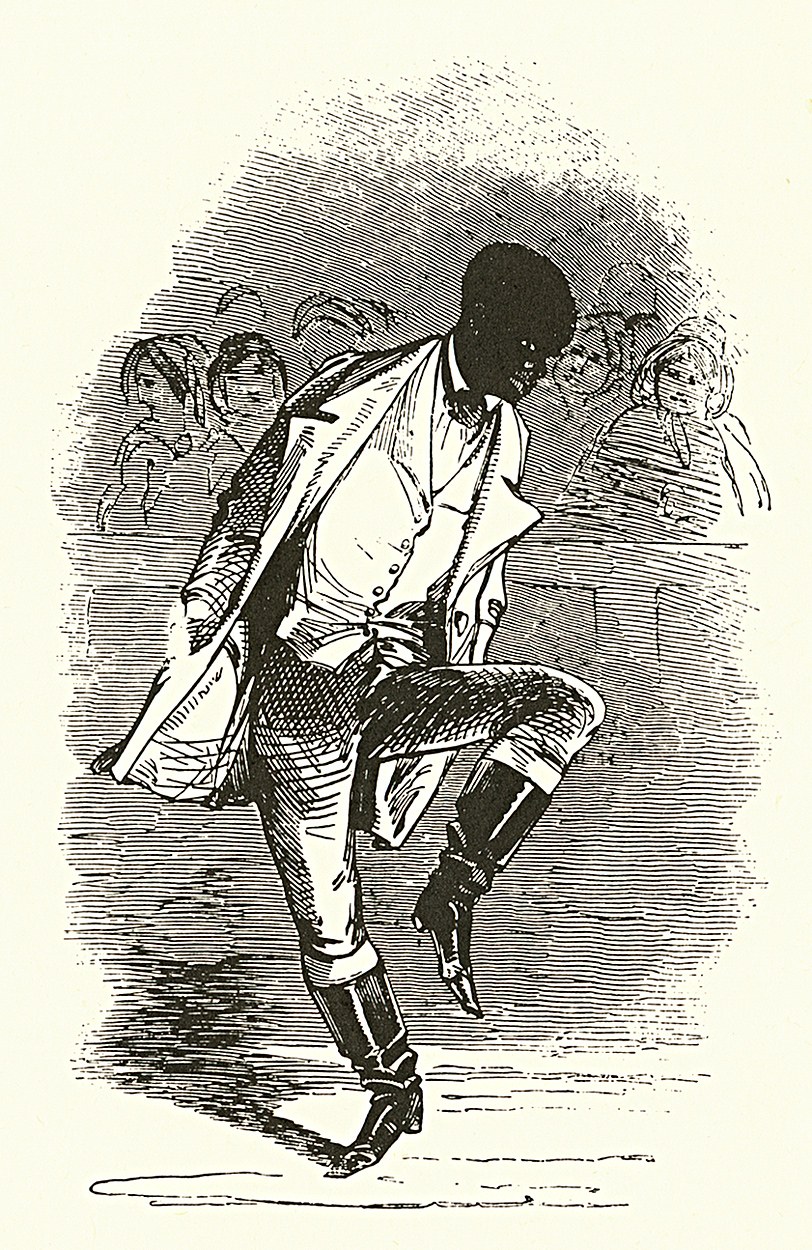
Master Juba
Hans Nathan · 1848
Public Domain
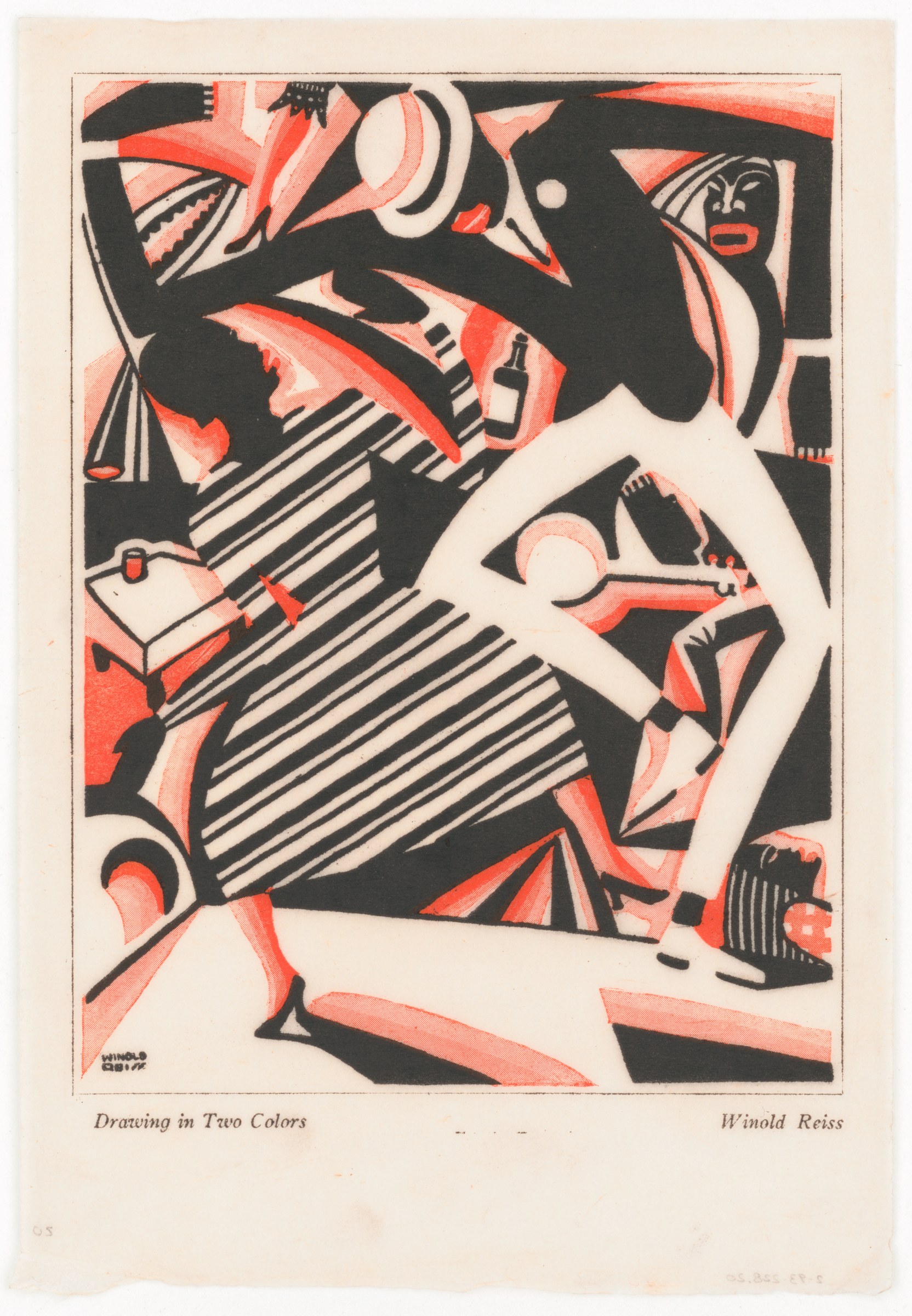
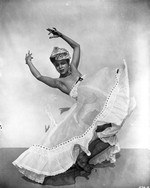
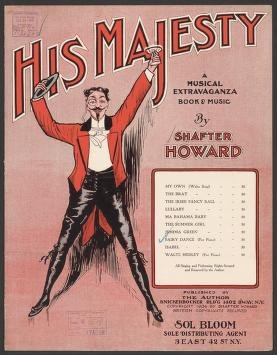
Fairy dance : Valse lente
Unknown artist · 1904
Public Domain
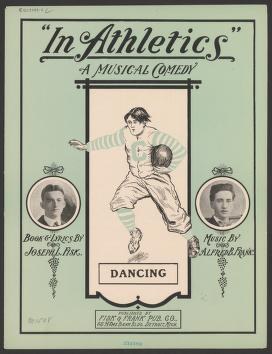
Dancing
Unknown artist · 1910
Public Domain
Continue Exploring
Lineage of Dance
500 years of dance evolution
Champions of Dance
Winners of marquee national & world titles
Language of Dance
161 dance terms & translations
Listening of Dance
Tempo, timing & musicality tools
Gallery of Dance
5,700+ artworks from museum collections
Attire of Dance
Evolution of dance dress across eras
Keep the thread going
Dance history, technique, and the occasional rabbit hole — in your inbox. Thoughtful, infrequent, unsubscribe anytime.
Free. No spam. One click to leave.