Dunham Technique
Also known as: Katherine Dunham technique, Afro-Caribbean jazz
History & Cultural Context
Anthropologist and choreographer Katherine Dunham, a pioneer of Black concert dance, developed the Dunham technique from her field research in the Caribbean. It introduced polyrhythmic torso and hip isolations, articulate spine, and a broad range of tempos and rhythms into codified Western theatrical dance, profoundly shaping jazz and modern dance and the recognition of African-diasporic movement on the concert stage.
Cultural Significance
Dunham brought Afro-Caribbean movement and a scholarly, anthropological foundation into American theatrical dance.
Characteristic Movement & Technique
Independent, polyrhythmic isolation of torso, hips, and spine; grounded weight; wide rhythmic range.
Signature Figures
- Katherine Dunham
Notable Codifiers
- Katherine Dunham
Dance Lineage
Dunham Technique Music & Tempo
Drawn from 20 Dunham Technique tracks in the LODance music library.
Example tracks at practice tempo
- Mascaron Dance — Two drummers with basse (tambourine)
- Petro Kita — Katherine Dunham
- Petro Dance — Two drummers
- Vodoun Dance — Three drummers
- Salongo Dance — Two drummers
- Baboule Dance — Three drummers
Who governs Dunham Technique
Federations, councils and examining bodies with a recorded role in this style. No single organisation can tell you this — each one knows only itself.
Dunham Technique on screen
Films and television where Dunham Technique appears, with the sequences worth watching for.
 Carnival of Rhythm (1941)4 sequences indexedCiudad Maravillosa · chor. Katherine DunhamLos Indios · chor. Katherine DunhamBatucada · chor. Katherine Dunham
 Uprooted: The Journey of Jazz Dance (2020)1 sequence indexedKatherine Dunham profile and archival work · 00:31:11 · chor. Katherine Dunham
Poster artwork from TMDB.
 This site uses TMDB and the TMDB APIs but is not endorsed, certified, or otherwise approved by TMDB.
Sources & Further Reading
Cultural & Historical Context
Dunham Technique emerged from United States / Caribbean during the 1940s—present day. Understanding the cultural roots, musical traditions, and social circumstances of this era enriches appreciation for the dance's characteristics and significance.
Formative Influences
Codifiers & Standardizers:
Katherine Dunham
Signature Movement Vocabulary:
Katherine Dunham
Primary Source Documents
The Library of Dance contains public-domain primary sources for dance history. Copyrighted modern syllabi are indexed with purchase links to their respective copyright owners. Search by dance name or codifier to discover primary source documents.
Last reviewed: September 2026 — This dance profile synthesizes historical research, cultural documentation, and contemporary practice knowledge to provide authoritative context.
More in Jazz Dance
Vernacular Jazz
The African American social-dance 'trunk' of jazz dance—ragtime steps, the Charleston, and the Lindy Hop—from which the theatrical branches grew.
Broadway / Theatrical Jazz
The presentational, musical-theater branch of jazz dance shaped by choreographers such as Jack Cole, Jerome Robbins, and Bob Fosse.
Lyrical Jazz
A late-20th-century fusion branch combining jazz technique with the continuity and emotional expression of ballet and contemporary dance, danced to lyrics-driven music.
Jazz Funk
A commercial, street-influenced branch of jazz dance set to hip-hop, R&B, and pop, prominent in music videos and concert choreography.
Latin Jazz
The branch of American theatrical jazz dance whose rhythmic and movement basis is Afro-Cuban and Afro-Caribbean rather than Anglo-American swing. It took shape as Cuban musicians and dancers, and researchers who had worked in the Caribbean, brought clave-based rhythm and a mobile pelvis and torso into jazz dance from the 1940s onward. It matters because it is one of the few places in commercial jazz training where the African diasporic source is still explicit in the movement itself.
Vaudeville Jazz
The dance of the American variety stage from roughly the 1880s to the 1930s, where tap, eccentric dance, acrobatic and flash acts, and much of the vocabulary later called jazz dance were invented, tested nightly and professionalised. It was a working system as much as an art form: acts refined material across thousands of performances under booking agents who controlled where and for how much a dancer could work. Most of the vocabulary that survives in tap and musical theatre today was created by Black performers inside a segregated industry that paid them least and credited them last.
Jazz Dance in art
Browse the gallery →Works from the wider Jazz Dance tradition — we have not yet identified enough that depict Dunham Technique specifically.
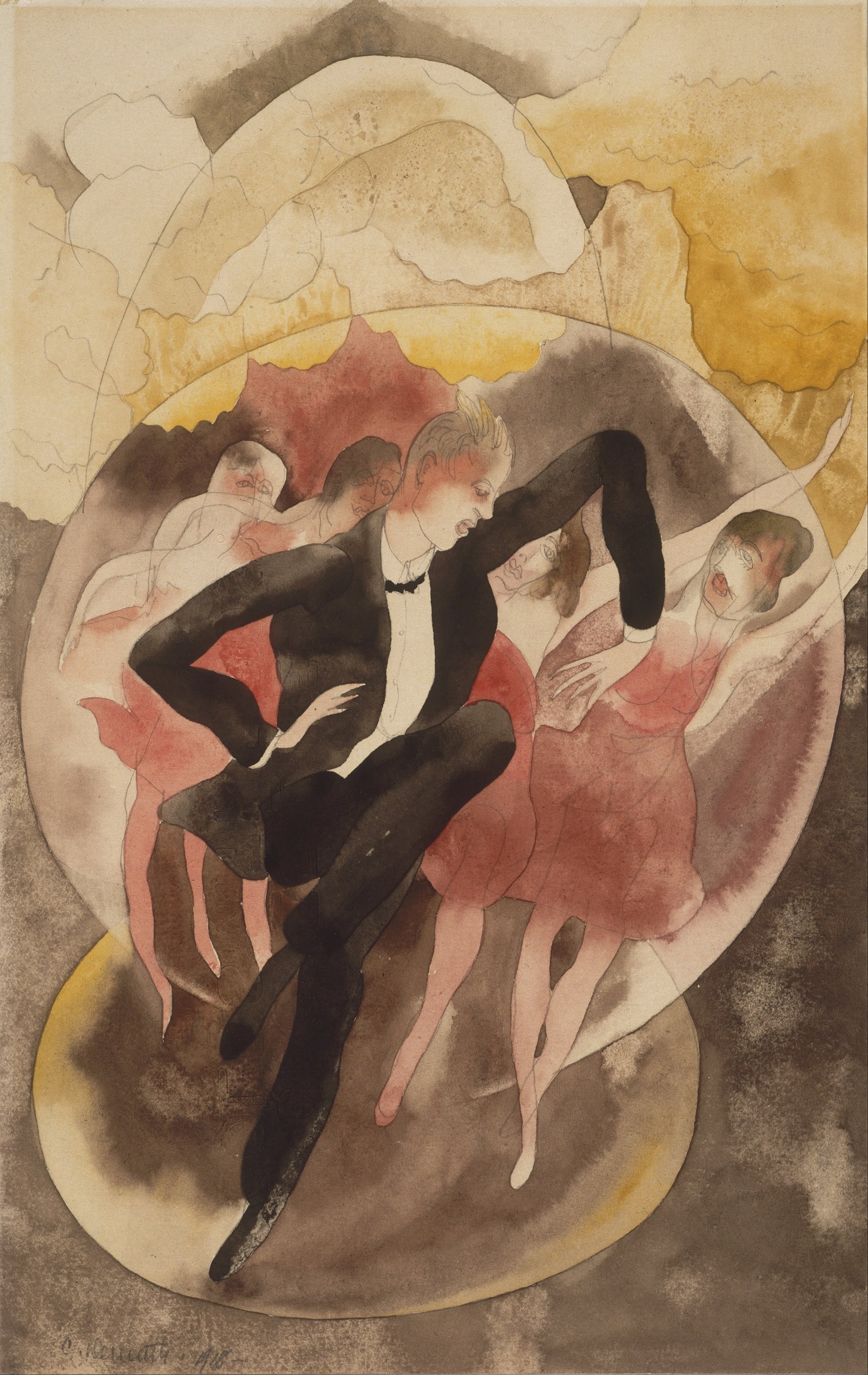
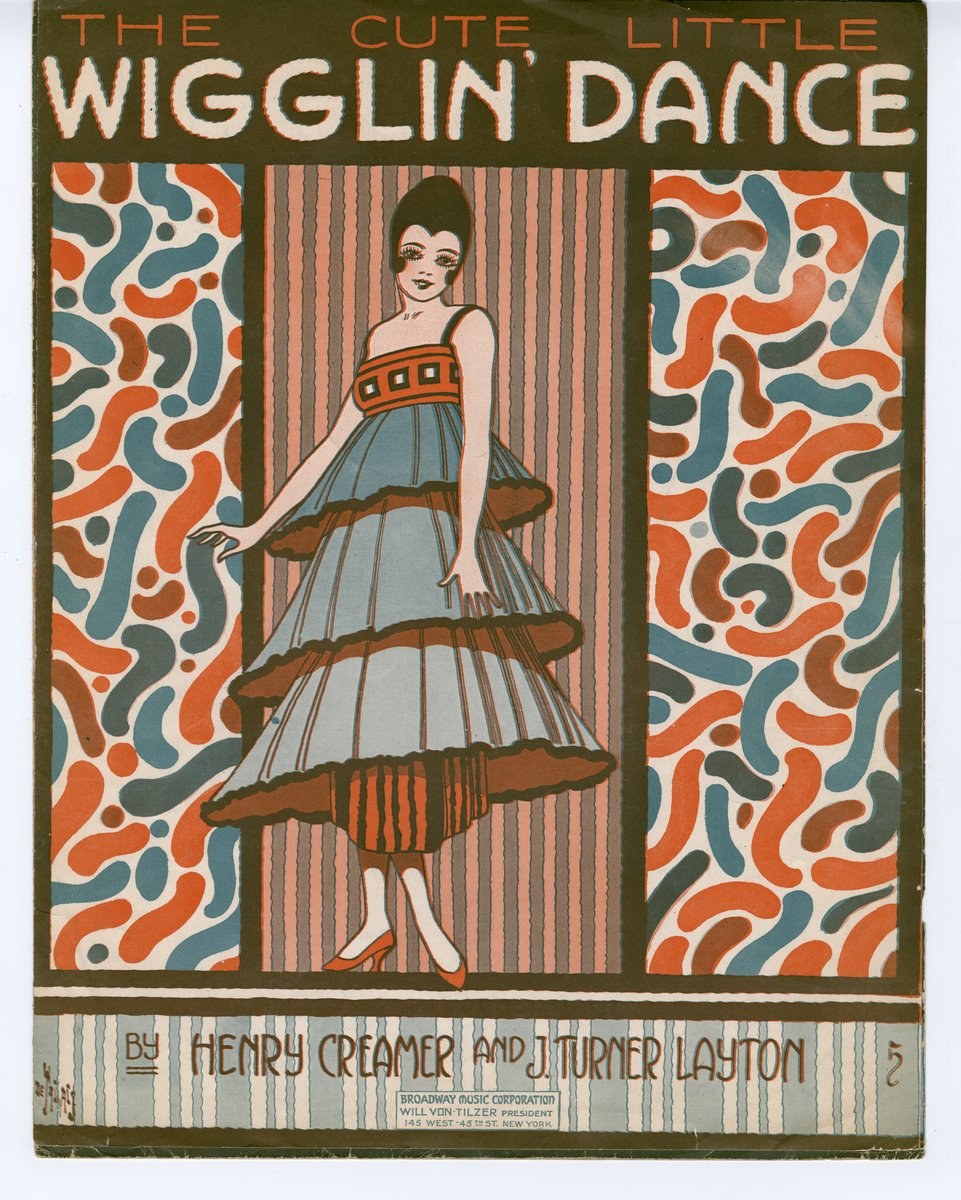
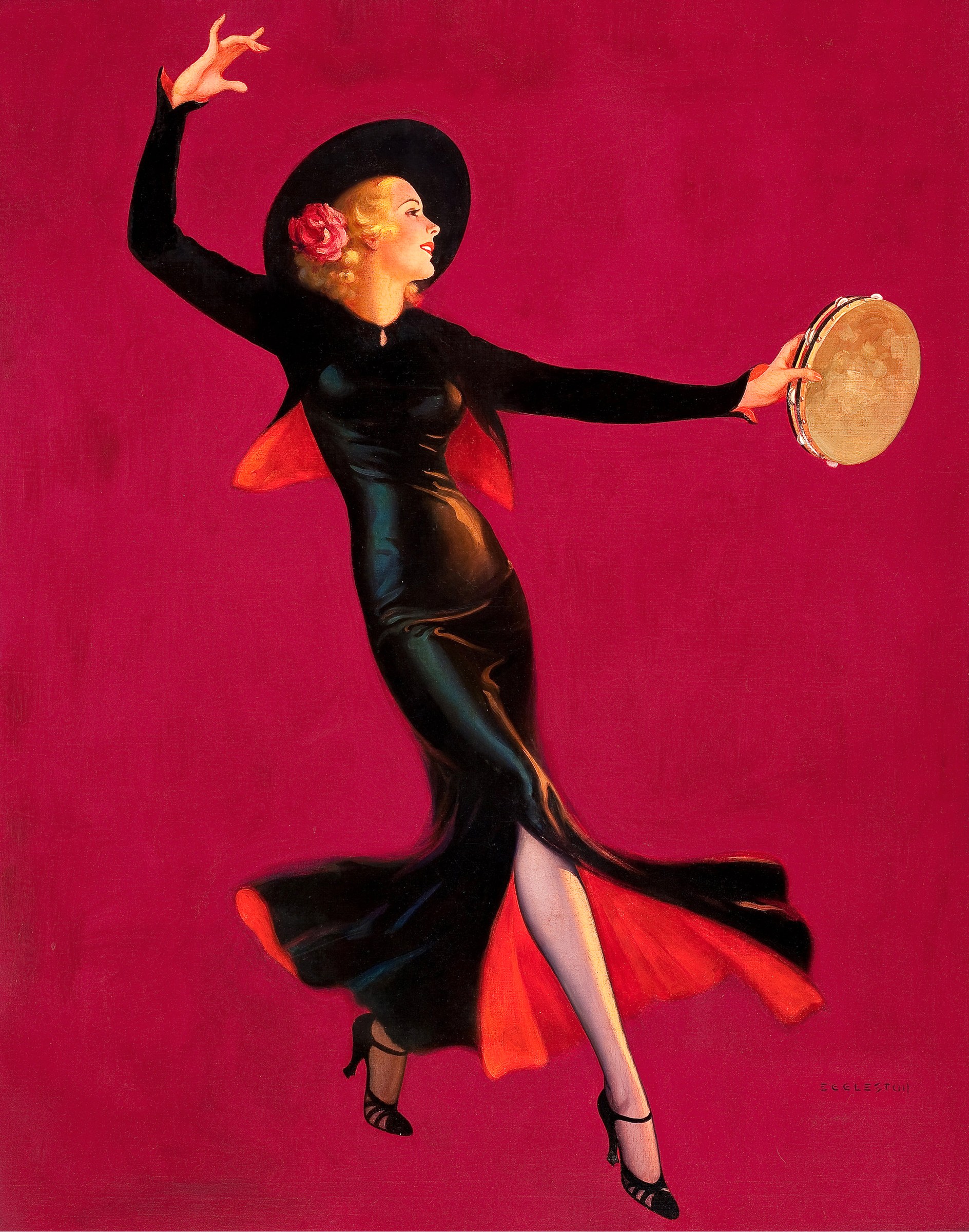
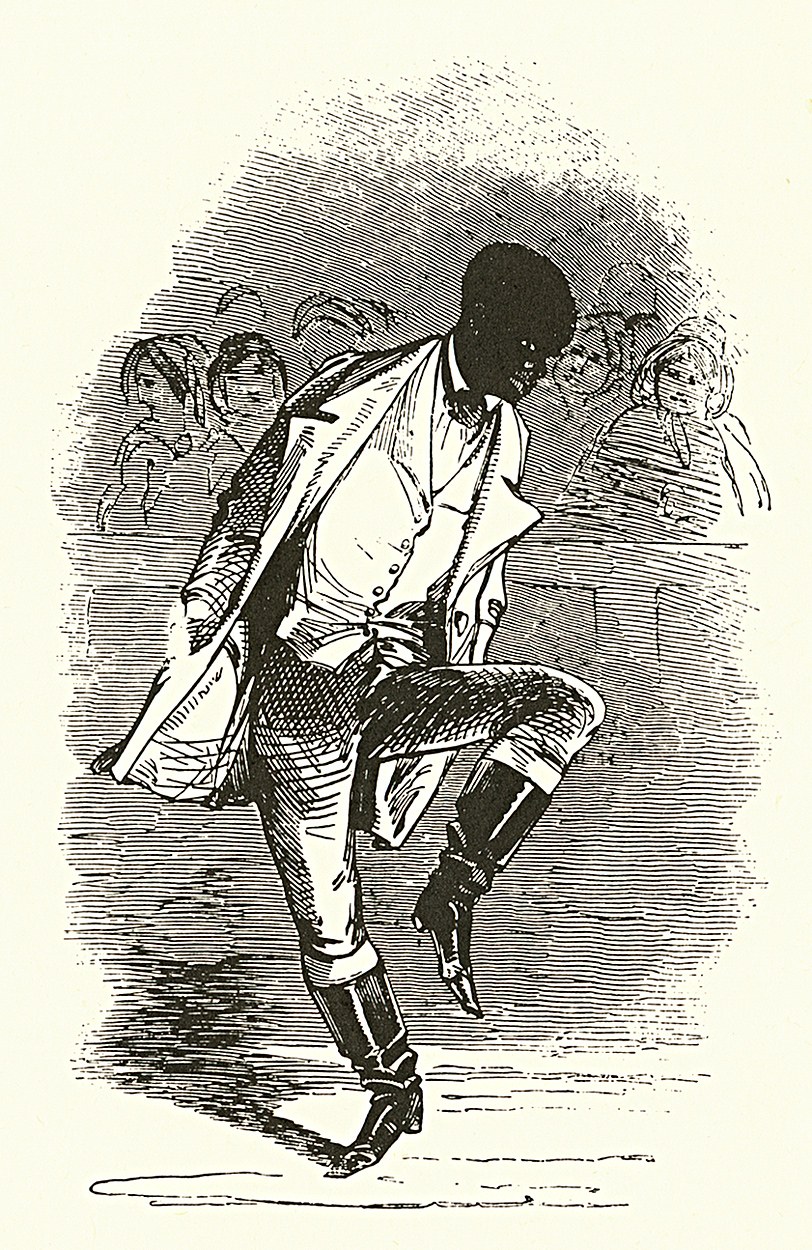
Master Juba
Hans Nathan · 1848
Public Domain
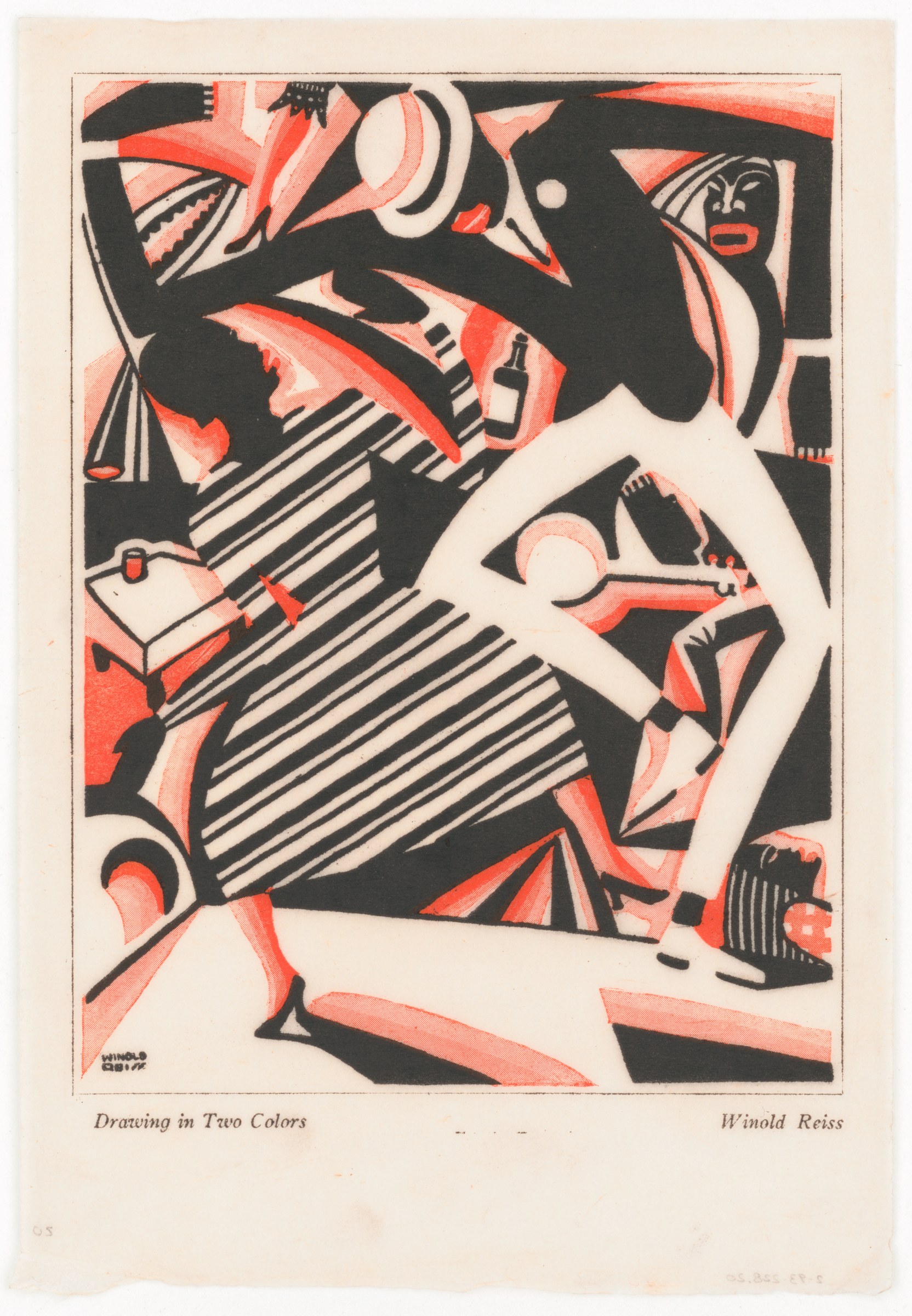
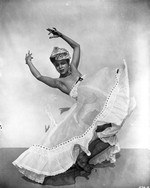
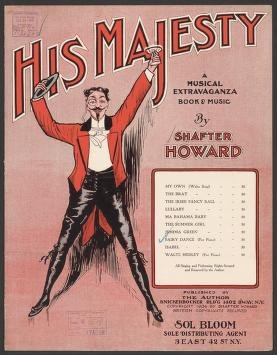
Fairy dance : Valse lente
Unknown artist · 1904
Public Domain
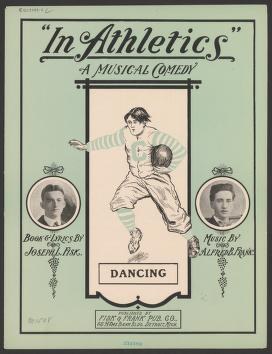
Dancing
Unknown artist · 1910
Public Domain
Continue Exploring
Lineage of Dance
500 years of dance evolution
Champions of Dance
Winners of marquee national & world titles
Language of Dance
161 dance terms & translations
Listening of Dance
Tempo, timing & musicality tools
Gallery of Dance
5,700+ artworks from museum collections
Attire of Dance
Evolution of dance dress across eras
Keep the thread going
Dance history, technique, and the occasional rabbit hole — in your inbox. Thoughtful, infrequent, unsubscribe anytime.
Free. No spam. One click to leave.