Vernacular Jazz
Also known as: Authentic jazz, Jazz roots
History & Cultural Context
Vernacular jazz is the social-dance root of all jazz dance: African American vernacular movement shaped by European influence and danced to ragtime, jazz, and swing. Its emblematic forms are the Charleston (1920s) and the Lindy Hop (1930s), and its performers and teachers—the Whitman Sisters, Frankie Manning, Norma Miller, Al Minns and Leon James, and others—carried the idiom from ballrooms like the Savoy into performance. It is the trunk from which theatrical, Broadway, lyrical, funk, and street jazz branch.
Cultural Significance
Recovering credit for the Black social-dance creators of vernacular jazz is an active concern of dance scholarship and the swing revival.
Characteristic Movement & Technique
Isolations, swung rhythm, grounded weight, improvisation, and partnered and solo social-dance vocabulary (Charleston, Lindy).
Signature Figures
- Frankie Manning
- Norma Miller
- Whitman Sisters
- Al Minns
- Leon James
Dance Lineage
Vernacular Jazz Music & Tempo
Drawn from 15 Vernacular Jazz tracks in the LODance music library.
Example tracks at practice tempo
- Solid As A Rock — Ella Fitzgerald150 BPM
- C Jam Blues — Duke Ellington161 BPM
- Moten Swing — Count Basie126 BPM
- Lavender Coffin — Lionel Hampton133 BPM
- Rose Room (feat. Charlie Christian) — Benny Goodman Sextet146 BPM
- In the Mood — Glenn Miller164 BPM
Legends of Vernacular Jazz
Dancers, choreographers and teachers whose work shaped this style.
Vernacular Jazz on screen
Films and television where Vernacular Jazz appears, with the sequences worth watching for.
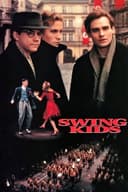
Poster artwork from TMDB.
 This site uses TMDB and the TMDB APIs but is not endorsed, certified, or otherwise approved by TMDB.
Vernacular Jazz in performance
5 staged works in the Limelight catalogue contain Vernacular Jazz, 1927–1995 — 1 of them in a named act or number.
- BalletDuel (Tempo di Charleston)
The Duel movement (no. 6 in the ballet's ten-movement structure) — A comic confrontation between Dishcloth and Broom set explicitly to Charleston rhythm, the period's signature vernacular-jazz social dance, per the score's own tempo marking. Source: "Duel (…
- High Yellow1932Ballet · defining style
Throughout the ballet, in the choreography credited to Buddy Bradley — Bradley taught Markova a hip-isolation step ('snake hips') drawn from contemporary vernacular jazz dance, and the work as a whole is described as the first ballet built on jazz choreogra…
- Black and Blue1989Musical theatre · Dianne Walker, Fayard Nicholas, Frankie Manning, Henry LeTang · defining style
The revue as a whole, in its recreation of interwar black social and stage dance — The show restages the vernacular jazz dance culture of black Paris and Harlem between the wars, the milieu its songs and skits are drawn from. Source: "Black and Blue is a mu…
- Ballet · defining style
the suite as a whole, across its seven numbers — Robbins describes the piece as requiring ballet-trained dancers to 'jive' and move their bodies through the vernacular social-dance range of the original musical rather than classical steps alone Source: "The…
- Concerto Barocco1941Ballet · George Balanchine
a corps de ballet passage (movement unspecified in the account) — A step derived from the vernacular Charleston, executed by the corps on pointe, alongside broader 'odd hips' and hip-led, syncopated phrasing described by dancers and ballet masters. Source:…
Every claim above is quoted from a cited source and names where in the work the style appears. Claims we could not place or could not quote are held back from this list and shown on the work’s own page instead. Browse the full performance catalogue →
Sources & Further Reading
Cultural & Historical Context
Vernacular Jazz emerged from United States during the 1900s—present day. Understanding the cultural roots, musical traditions, and social circumstances of this era enriches appreciation for the dance's characteristics and significance.
Formative Influences
Signature Movement Vocabulary:
Frankie Manning, Norma Miller, Whitman Sisters, Al Minns, Leon James
Primary Source Documents
The Library of Dance contains public-domain primary sources for dance history. Copyrighted modern syllabi are indexed with purchase links to their respective copyright owners. Search by dance name or codifier to discover primary source documents.
Last reviewed: September 2026 — This dance profile synthesizes historical research, cultural documentation, and contemporary practice knowledge to provide authoritative context.
Related Dances
More in Jazz Dance
Broadway / Theatrical Jazz
The presentational, musical-theater branch of jazz dance shaped by choreographers such as Jack Cole, Jerome Robbins, and Bob Fosse.
Lyrical Jazz
A late-20th-century fusion branch combining jazz technique with the continuity and emotional expression of ballet and contemporary dance, danced to lyrics-driven music.
Jazz Funk
A commercial, street-influenced branch of jazz dance set to hip-hop, R&B, and pop, prominent in music videos and concert choreography.
Dunham Technique
Katherine Dunham's codified technique drawing on Caribbean and African dance, foregrounding torso isolations, polyrhythm, and a wider rhythmic range than other Western dance of its time.
Latin Jazz
The branch of American theatrical jazz dance whose rhythmic and movement basis is Afro-Cuban and Afro-Caribbean rather than Anglo-American swing. It took shape as Cuban musicians and dancers, and researchers who had worked in the Caribbean, brought clave-based rhythm and a mobile pelvis and torso into jazz dance from the 1940s onward. It matters because it is one of the few places in commercial jazz training where the African diasporic source is still explicit in the movement itself.
Vaudeville Jazz
The dance of the American variety stage from roughly the 1880s to the 1930s, where tap, eccentric dance, acrobatic and flash acts, and much of the vocabulary later called jazz dance were invented, tested nightly and professionalised. It was a working system as much as an art form: acts refined material across thousands of performances under booking agents who controlled where and for how much a dancer could work. Most of the vocabulary that survives in tap and musical theatre today was created by Black performers inside a segregated industry that paid them least and credited them last.
Vernacular Jazz in art
Browse the gallery →Works our catalogue identifies as depicting vernacular jazz.
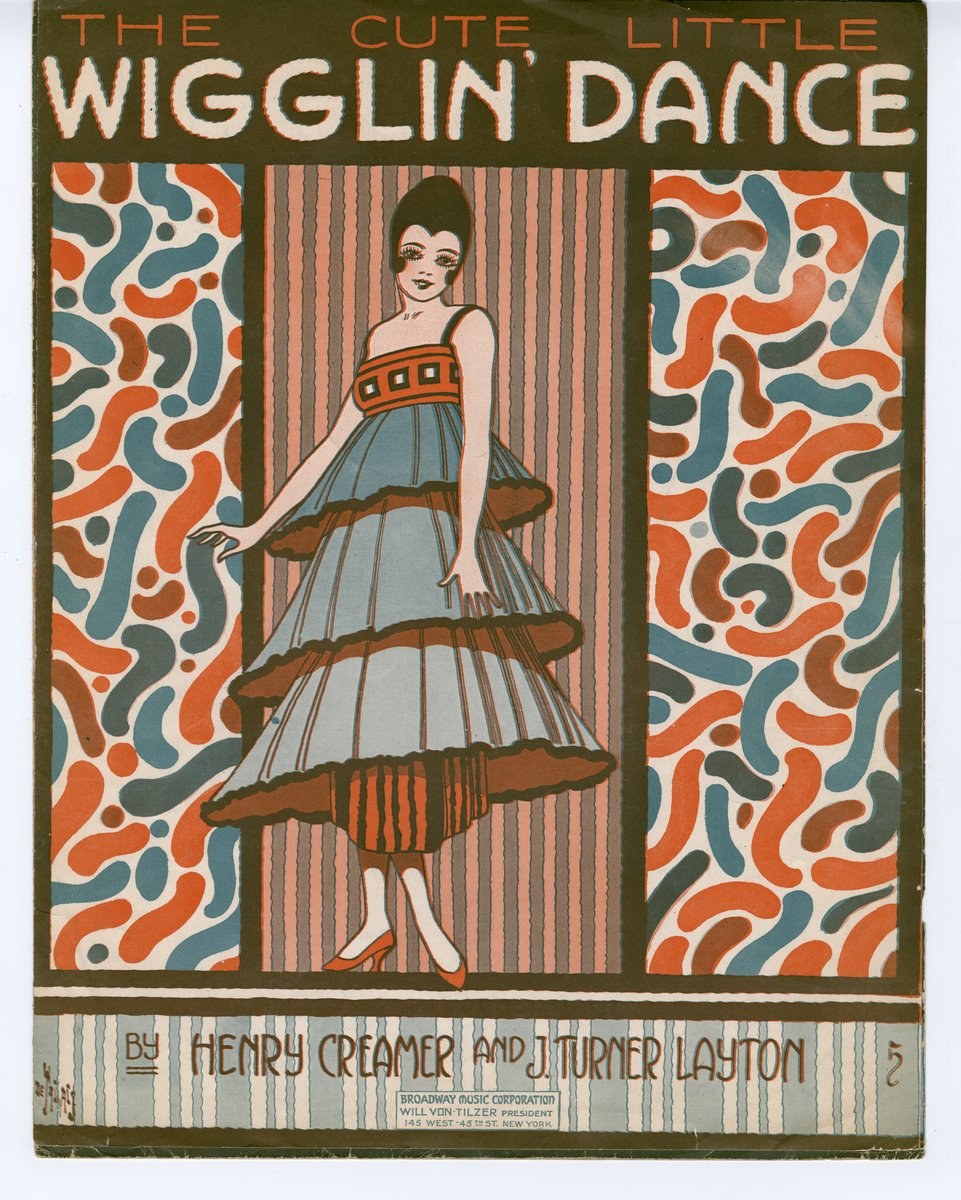
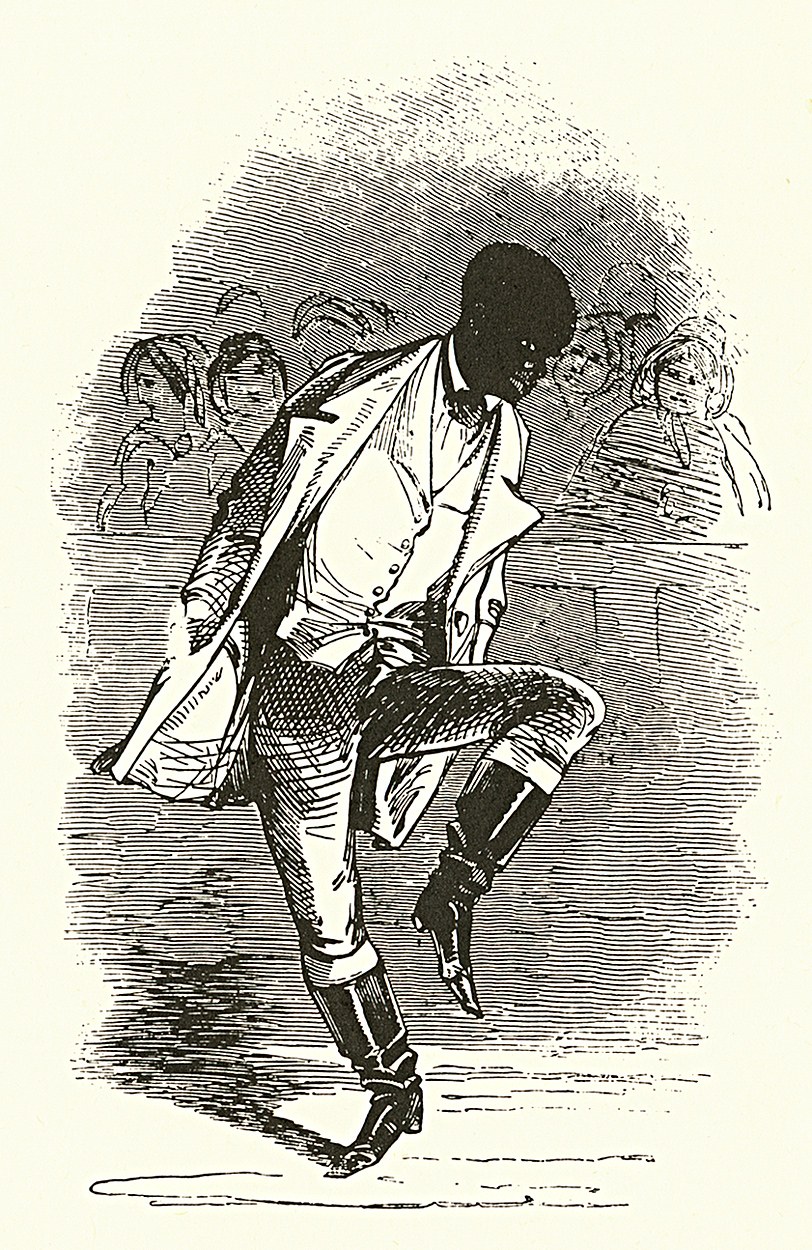
Master Juba
Hans Nathan · 1848
Public Domain
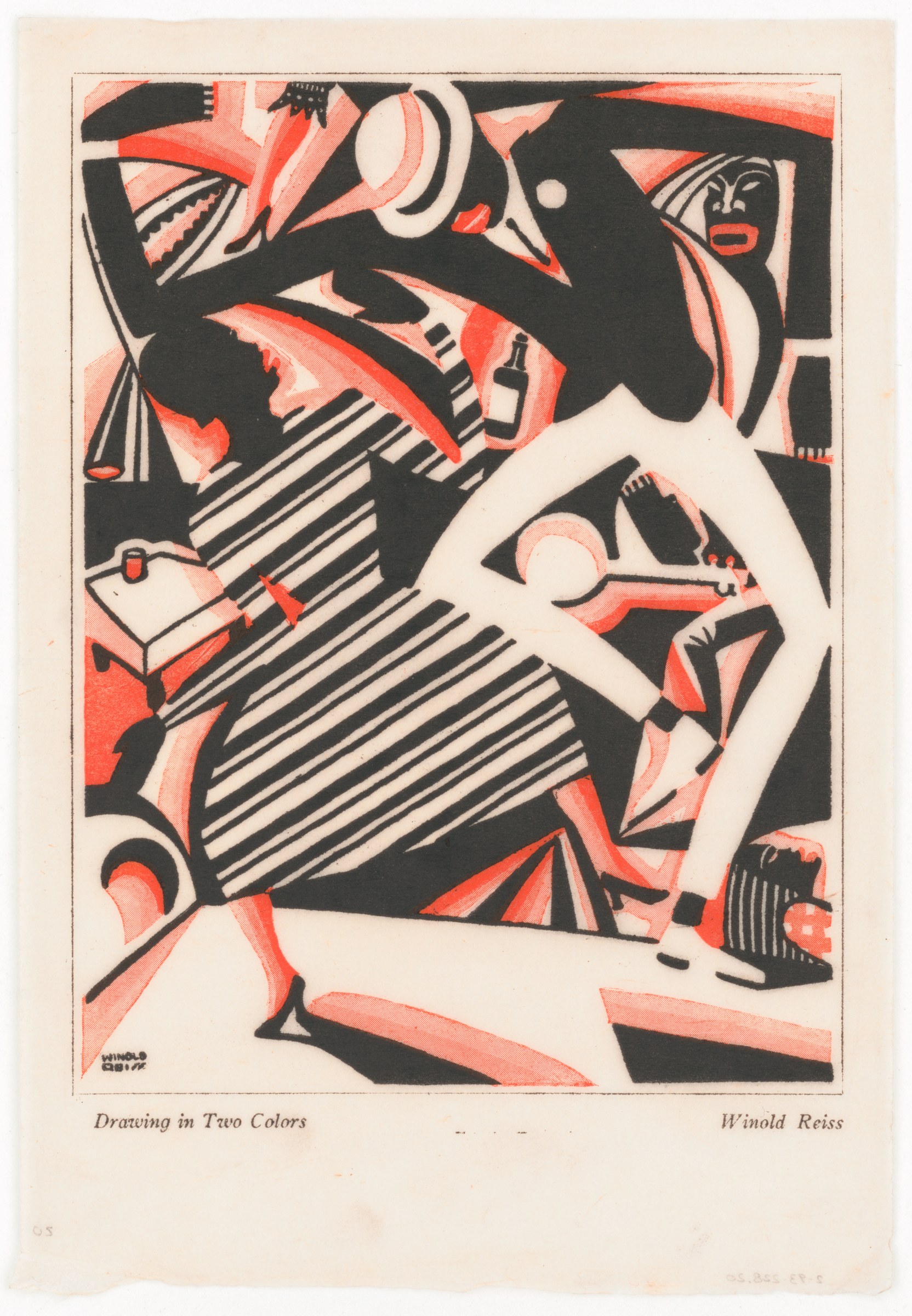
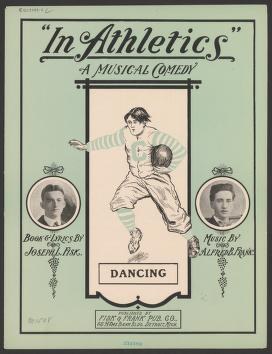
Dancing
Unknown artist · 1910
Public Domain
Continue Exploring
Lineage of Dance
500 years of dance evolution
Champions of Dance
Winners of marquee national & world titles
Language of Dance
161 dance terms & translations
Listening of Dance
Tempo, timing & musicality tools
Gallery of Dance
5,700+ artworks from museum collections
Attire of Dance
Evolution of dance dress across eras
Keep the thread going
Dance history, technique, and the occasional rabbit hole — in your inbox. Thoughtful, infrequent, unsubscribe anytime.
Free. No spam. One click to leave.