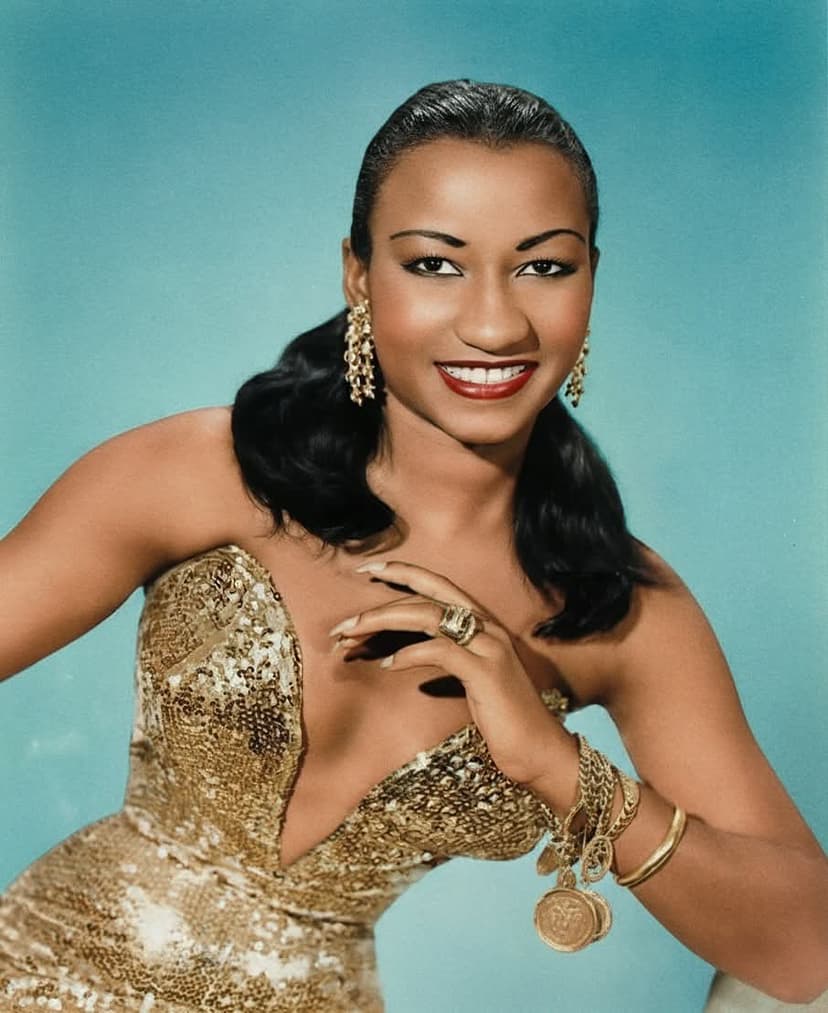
Performer · Popularizer · Cultural Preserver
Celia Cruz
Queen of Salsa
Why They Matter
She made salsa music a global phenomenon, and her performances demonstrated the inseparable bond between Latin music and movement.
Styles Celia Cruz shaped
Each one links to the style’s own page — its origins, music, tempo and video.
Watch
La Vida Es Un Carnaval
Celia Cruz official artist channel / Universal Music Latino
A canonical late-career performance that demonstrates Cruz's direct audience communication and the song's global dance-floor reach.
La Vida Es Un Carnaval (official audio)
Universal Music Latino
Clean official audio for analyzing chorus repetition, vocal entrances and arrangement without relying on visual choreography.
Quimbara (official visualizer)
Fania Records
An official contemporary visualizer for the landmark Celia Cruz and Johnny Pacheco recording.
Quimbara (official audio)
Fania Records
Supports close listening to Junior Cepeda's composition and the Pacheco-Cruz studio collaboration.
Quimbara — Live in Africa
Fania Records
Documents Cruz with the Fania All-Stars in the 1974 Kinshasa context and shows how her stage movement organizes ensemble energy.
Bemba Colorá (official visualizer)
Fania Records
Shows the durable dance relevance of Cruz's Tito Puente-era signature in an official label presentation.
Bemba Colorá — Celia Cruz
A cornerstone for hearing Cruz's call-and-response authority at the bridge between Afro-Cuban forms and New York salsa.
Biography
Celia Caridad Cruz Alfonso was born on 21 October 1925 in Santos Suárez, a working-class district of Havana, Cuba. She grew up in a large extended household filled with neighborhood music and family singing, followed by study at Havana's National Conservatory. Radio contests and appearances with local ensembles gave her professional footing before she joined the all-woman group Las Mulatas de Fuego in 1948, touring Mexico and Venezuela and making some of her earliest professional recordings. Her musicianship was already rooted in several Cuban traditions—especially guaracha and son—well before "salsa" became the international category most closely attached to her name.
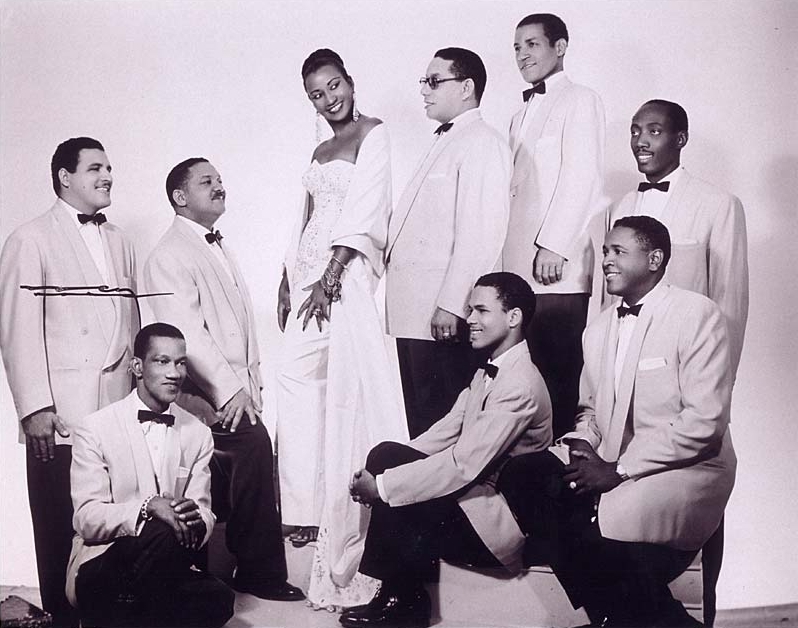
In 1950 Cruz replaced Myrta Silva as a featured singer with La Sonora Matancera, one of Cuba's most important popular-music ensembles. Her secure attack, dark contralto color and rhythmic authority quickly became central to the band's sound. During fifteen years with the group she recorded prolifically and toured across Latin America. Songs including "Cao Cao Maní Picao," "Burundanga" and "Tu voz" document different sides of the partnership: comic speed and verbal precision, Afro-Cuban rhythmic drive, and a more sustained bolero line. Her work with La Sonora Matancera made her an international star before her United States career was established.
La Sonora Matancera departed Cuba for Mexico in July 1960 amid the political transformation that followed the Cuban Revolution. Cruz did not resume residence on the island and eventually settled in the United States. The Cuban government later prevented her return even when her mother died, an episode that became central to her public identity as an exile. In 1962 she married trumpeter Pedro Knight, her longtime colleague in La Sonora Matancera; he later left the ensemble and became her musical director and manager. Their creative and personal partnership lasted until her death.
After leaving La Sonora Matancera in 1965, Cruz worked extensively with Tito Puente. Their recordings joined her Cuban vocal vocabulary to the brass-and-percussion force of New York Latin dance bands. The 1966 album *Son con guaguancó* included "Bemba colorá," a performance whose call-and-response construction and driving coro became a durable concert vehicle. Commercial fashion did not always favor these records at the time, but the partnership is a critical bridge between Cruz's Cuban-band years and the New York salsa boom that followed.
The 1970s brought a renewed stage and recording profile. Cruz appeared in Larry Harlow's 1973 Latin-rock opera *Hommy*, signed with the Fania orbit and became the most visible woman associated with the Fania All-Stars. Her 1974 album *Celia & Johnny*, made with flautist, bandleader and producer Johnny Pacheco, yielded "Quimbara" (composed by Junior Cepeda) and other enduring dance-floor recordings. That year she performed with the Fania All-Stars in Kinshasa, Zaire, during the cultural events surrounding the Muhammad Ali–George Foreman fight. Her work with Pacheco, Willie Colón, Ray Barretto and other bandleaders shows why authorship must be described collaboratively: Cruz supplied an unmistakable interpretive voice, while composers, arrangers, producers and instrumentalists shaped the records around it.
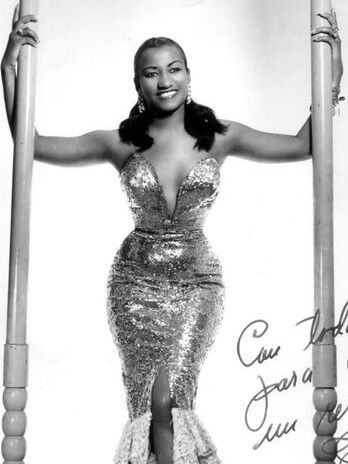
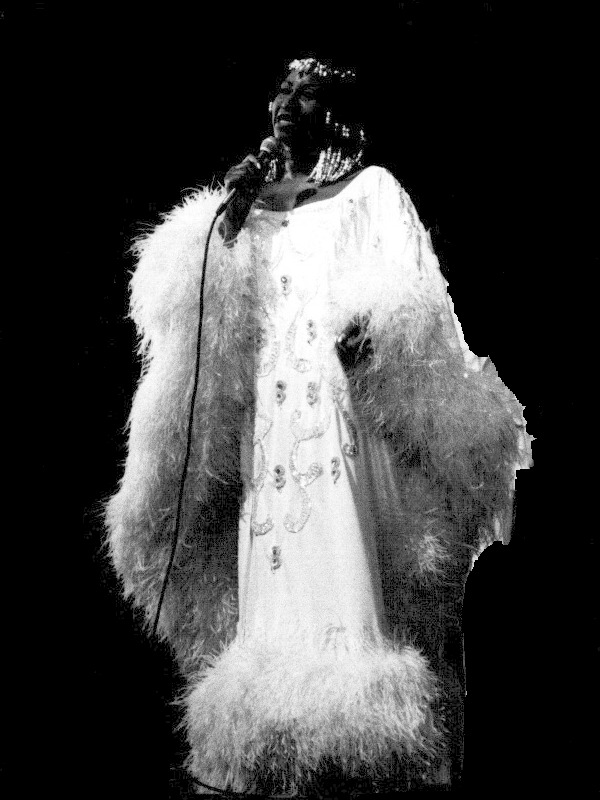
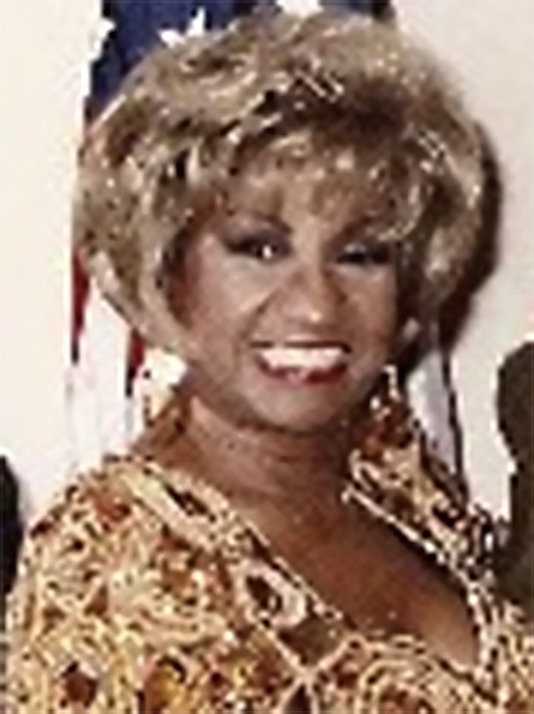
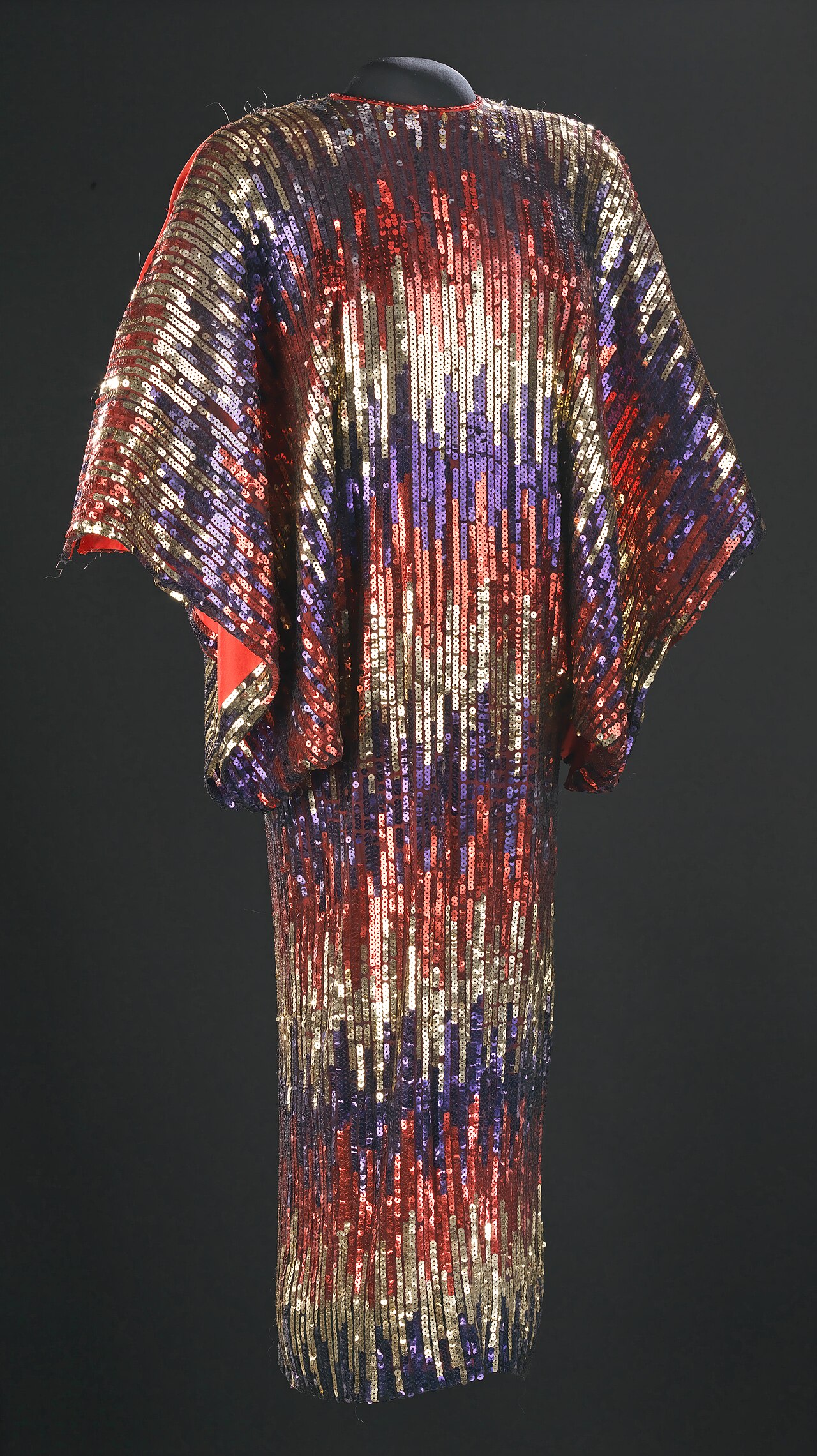
Cruz sustained a remarkable late career rather than becoming only a heritage act. She won a Grammy for *Ritmo en el corazón*, her 1988 collaboration with Ray Barretto, and received the National Medal of Arts in 1994. "La vida es un carnaval" (composed by Víctor Daniel) on *Mi vida es cantar* (1998) became an international anthem, while *La negra tiene tumbao* (2001) placed her voice in a contemporary production that incorporated rap and urban-pop elements without erasing her salsa identity. Her recordings, film appearances, extravagant costumes and repeated cry of "¡Azúcar!" kept her instantly recognizable across generations.
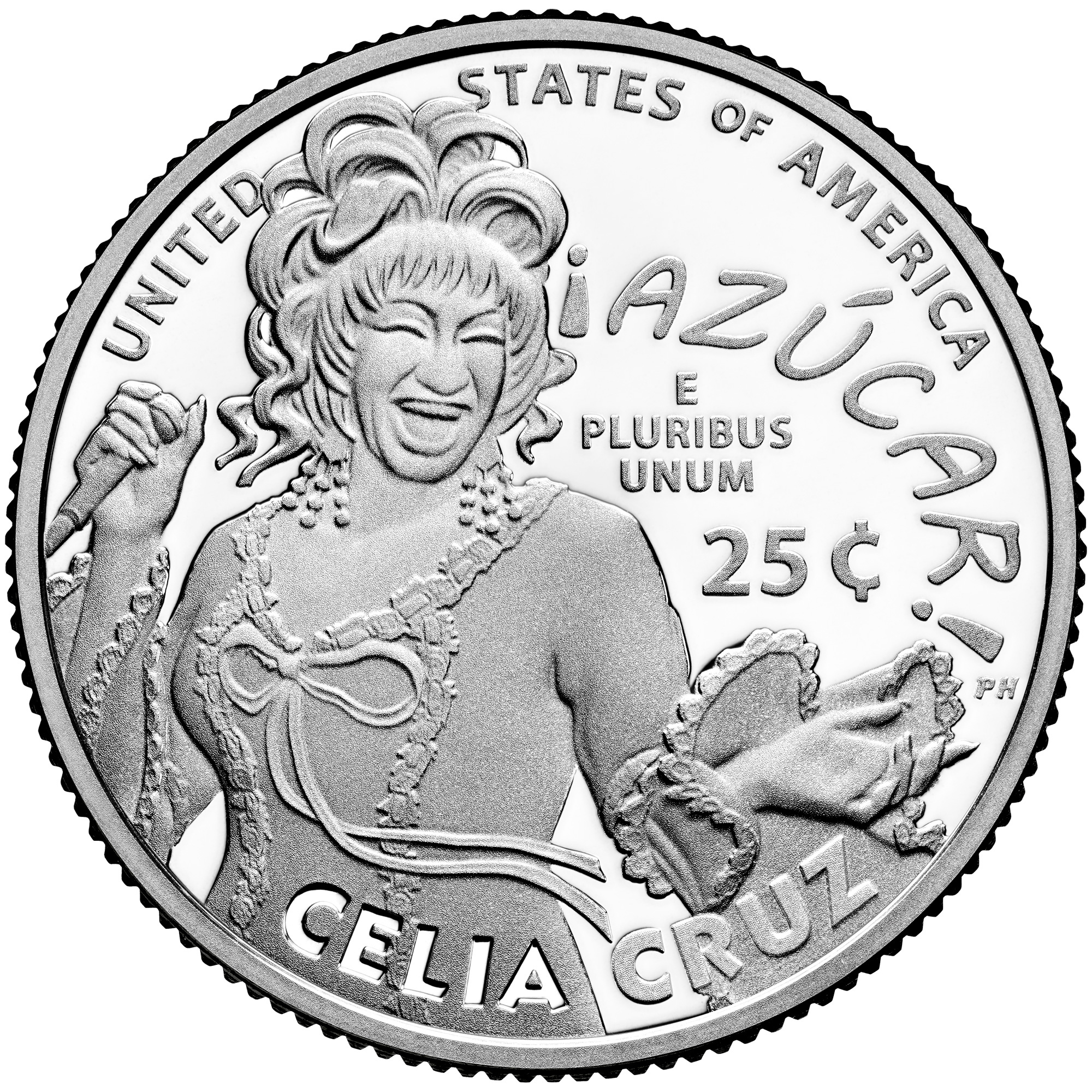
After surgery for a brain tumor in late 2002, Cruz continued working and completed the album *Regalo del alma*. She died at her home in Fort Lee, New Jersey, on 16 July 2003 and was buried at Woodlawn Cemetery in the Bronx, New York. Public viewings in Miami and New York drew large crowds. Posthumous recognition has continued: the Library of Congress added *Celia & Johnny* to the National Recording Registry, the Recording Academy presented a Lifetime Achievement Award, and the United States Mint placed her on a 2024 American Women quarter. Those honors recognize more than celebrity; they mark a body of work through which generations of listeners have learned, danced and understood the reach of Afro-Cuban music.
Career Highlights
Toured Mexico and Venezuela with Las Mulatas de Fuego and made some of her earliest professional recordings. Smithsonian American History
Joined La Sonora Matancera as a featured singer, beginning a fifteen-year association that established her across Latin America. Smithsonian American History
Left Cuba with La Sonora Matancera for Mexico and subsequently made the United States her permanent base. Smithsonian NMAAHC
Married trumpeter Pedro Knight, who later became her musical director and manager. Smithsonian Music
Began her major recording partnership with Tito Puente; Son con guaguancó introduced the signature performance “Bemba colorá.” Fania Records official video note
Appeared in Larry Harlow’s Hommy at Carnegie Hall, helping propel her into the Fania-centered New York salsa era. Carnegie Hall performance history
Released Celia & Johnny with Johnny Pacheco and performed with the Fania All-Stars in Kinshasa, Zaire. Library of Congress registry essay
Won a Grammy for Ritmo en el corazón, recorded with Ray Barretto. Recording Academy
Received the United States National Medal of Arts. National Endowment for the Arts
Released Mi vida es cantar, including “La vida es un carnaval.” Official Universal audio
Released La negra tiene tumbao, a late-career crossover success that won Latin Grammy recognition. Recording Academy
Became an honoree in the U.S. Mint’s American Women Quarters Program. United States Mint
Gallery
Legacy & Impact
Cruz matters to dance because her recorded voice became part of the infrastructure of Latin social dancing. DJs, bands and dancers have used her repertoire across Cuban son, mambo-era orchestration and New York salsa, while her performances modeled how a singer can steer collective energy through pregón, coro, timing and direct address. She made an Afro-Cuban woman the commanding visual and sonic center of large dance orchestras in an industry that often privileged male bandleaders. Her legacy belongs simultaneously to vocal interpretation, diasporic culture, commercial Latin music and the embodied histories made on dance floors.


Explore More Legends
Discover the dancers, teachers, choreographers, and cultural icons who shaped how the world moves.
Keep the thread going
Dance history, technique, and the occasional rabbit hole — in your inbox. Thoughtful, infrequent, unsubscribe anytime.
Free. No spam. One click to leave.