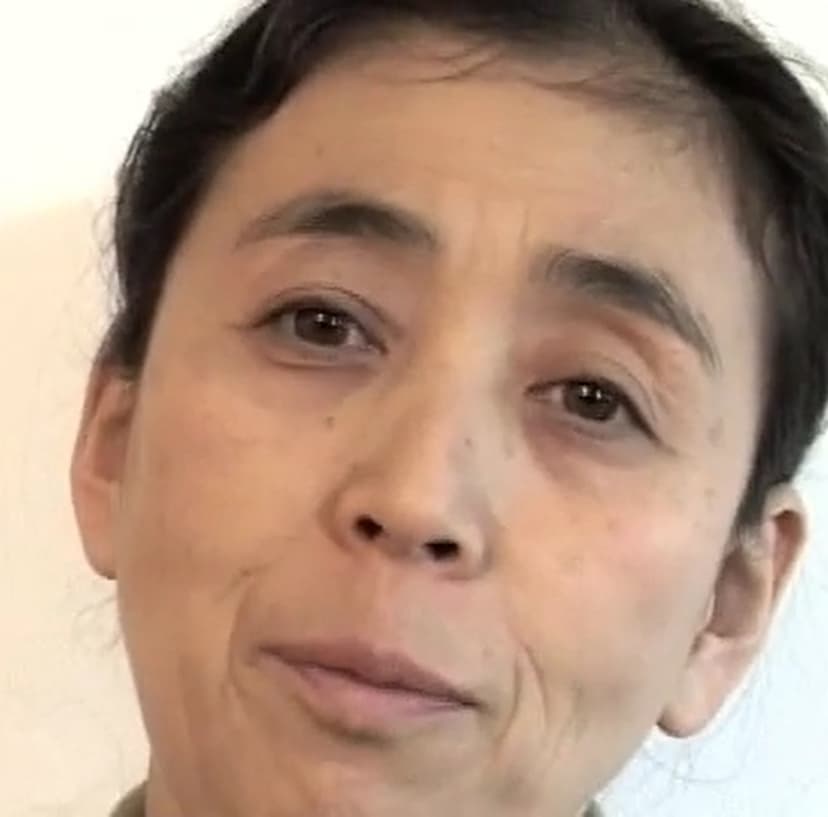
Eiko Otake
Legend of Dance
Why They Matter
Eiko Otake matters because she expanded what dance can do with time. Her work asks viewers to attend to nearly imperceptible change, to bodies that seem continuous with landscapes, and to places marked by disaster or political history. Across the partnership with Koma and her independent projects, s
Biography
Eiko Otake was born in Tokyo in 1952 and grew up in Japan. In the early 1970s she and Takashi Koma Otake studied with Tatsumi Hijikata and Kazuo Ohno, central figures in Japan's postwar experimental dance, and later with Manja Chmiel in Germany, whose lineage connected them to Mary Wigman's Neue Tanz. Those encounters supplied important artistic contexts, but Eiko and Koma developed an independent practice rather than reproducing a teacher's codified method.
Their collaboration began in Japan in 1972 and became the exclusive partnership known as Eiko & Koma. After working in Europe, they moved their base to New York in 1976, the year *White Dance* received an American presentation through Japan Society. They performed their own choreography and also built sets, costumes, sound environments, and visual worlds, making design inseparable from the movement event.
Across works such as *Grain*, *Thirst*, *Tree*, *Land*, *Wind*, and *River*, Eiko & Koma developed a theater of very slow transformation. Bodies appeared entangled with soil, plant matter, water, light, and constructed landscape rather than displayed as isolated virtuoso instruments. American Dance Festival, BAM, the Joyce Theater, MoMA, the Walker Art Center, the Whitney Museum, and other institutions commissioned or presented the work.
Recognition included a shared MacArthur Fellowship in 1996—the first awarded to a collaborative pair—the Samuel H. Scripps American Dance Festival Award in 2004, a Dance Magazine Award in 2006, and a United States Artists fellowship. From 2009 through 2012, a multi-venue Retrospective Project restaged works, created installations and media, convened discussions, and produced the monograph *Time is Not Even, Space is Not Empty*.
Beginning in 2014, Otake developed an independent practice. *A Body in Places* placed her solo body in stations, streets, museums, and other charged sites; *A Body in Fukushima*, created with historian and photographer William Johnston, returned repeatedly to landscapes affected by the 2011 earthquake, tsunami, and nuclear disaster. The resulting performances, photographs, exhibitions, book, and film ask how a body witnesses a place without claiming to repair or speak for it.
Otake's later work includes the cross-disciplinary *Duet Project*, the media initiative *I Invited Myself*, film collaborations, teaching, writing, and projects made with artists including Wen Hui and DonChristian Jones. These activities extend her central concerns—time, memory, disaster, war, displacement, and the ethics of encounter—without abandoning the close physical attention that marked Eiko & Koma.
Career Highlights
Eiko and Koma began the collaboration that developed into Eiko & Koma. Source Source
They established themselves in New York, and Japan Society presented White Dance in the United States. Sources Sources
Eiko & Koma first performed at the American Dance Festival, beginning a major commissioning relationship. Source Source
Land became one of the duo’s defining environmental performance works. Source Source
Eiko & Koma became the first collaborative pair to share a MacArthur Fellowship. Source Source
They received the Samuel H. Scripps American Dance Festival Award. Source Source
They received a Dance Magazine Award and an inaugural United States Artists fellowship. Source Source
Their Retrospective Project combined restaging, new work, installations, screenings, exhibitions, lectures, and a monograph. Source Source
Otake began directing independent projects and initiated the site-responsive series A Body in Places. Source Source
A Body in Places was the focus of a Danspace Project platform and brought Otake a Special Bessies Citation. Source Source
She initiated the open-ended, cross-disciplinary Duet Project. Source Source
Otake and Wen Hui co-created What Is War, extending their work on memory, conflict, and collaboration. Source Source
Legacy & Impact
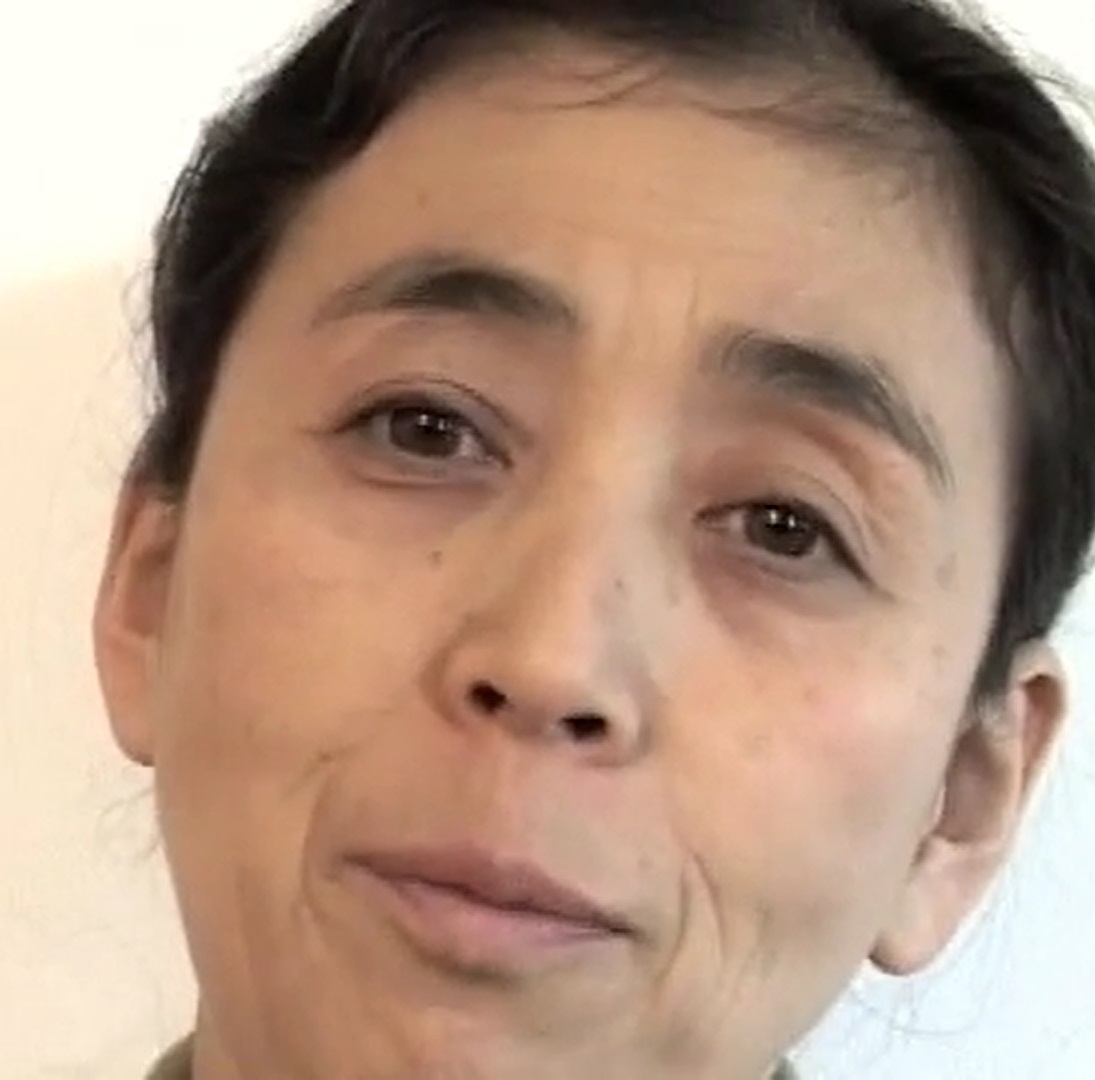
Eiko Otake matters because she expanded what dance can do with time. Her work asks viewers to attend to nearly imperceptible change, to bodies that seem continuous with landscapes, and to places marked by disaster or political history. Across the partnership with Koma and her independent projects, she has shown that choreography can live in handmade environments, museums, photographs, books, films, teaching, and sustained cross-generational collaboration without losing its bodily core.


Explore More Legends
Discover the dancers, teachers, choreographers, and cultural icons who shaped how the world moves.
Keep the thread going
Dance history, technique, and the occasional rabbit hole — in your inbox. Thoughtful, infrequent, unsubscribe anytime.
Free. No spam. One click to leave.