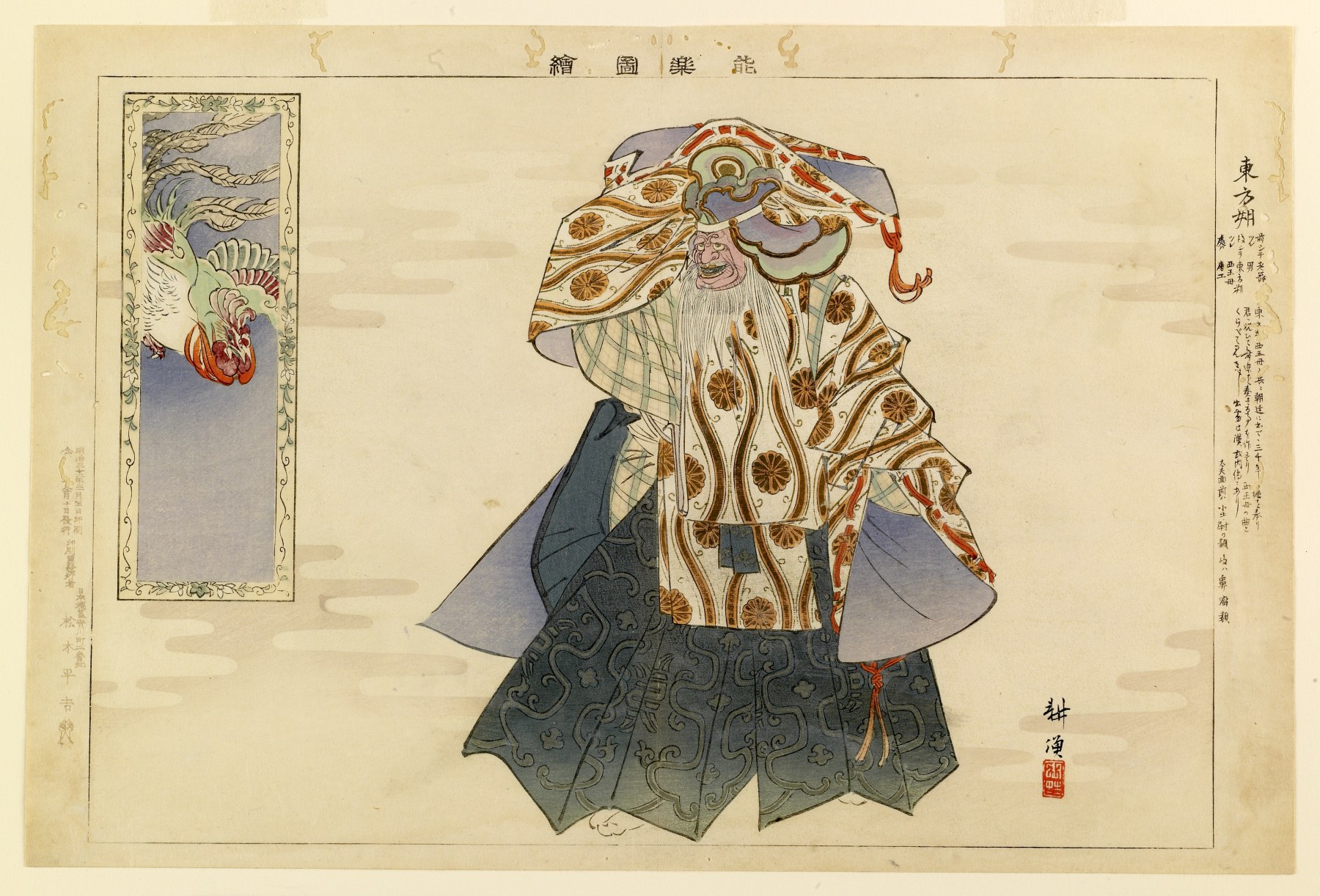
Global East Asian Classical & Modern
Classical and contemporary dance forms from China, Japan, and Korea, ranging from ancient ritualistic traditions to modern avant-garde movements.
18 dance styles in this genre
Historical Origins
East Asian classical and modern dances developed over thousands of years in China, Japan, and Korea, influenced by Confucian, Buddhist, and Taoist philosophical traditions. Classical traditions in China include court dances documented in historical texts, establishing formalized movement vocabularies and philosophical frameworks. Japanese classical traditions include Noh (Nogaku), inscribed by UNESCO on the Representative List of the Intangible Cultural Heritage of Humanity in 2008 (originally proclaimed a Masterpiece in 2001), and Kabuki, which originated in early 17th-century Edo and was likewise inscribed by UNESCO in 2008. Korean classical court dances represent distinct cultural developments, with folk traditions surviving alongside court forms. Dunhuang cave paintings and Chinese historical texts document ancient dance traditions. Buddhist temple traditions maintained dance practices through centuries. Modern East Asian dance developed in 20th century amid cultural modernization and globalization. Contemporary East Asian dancers blend classical traditions with modern and contemporary dance vocabularies. The region continues to produce influential contemporary dance artists engaging traditional foundations.
Cultural Significance
Classical East Asian dance operated inside specific institutional frames. Chinese court yayue was codified by the Yuefu music bureau under the Han and re-systematized in Tang ritual codes; the Yueji chapter of the Liji treats dance as part of state ritual. Korean jeongjae was performed for the Joseon royal house and administered by the Jangakwon (Royal Music Office). Japanese gagaku and bugaku entered the Heian imperial court from the eighth century and remain administered today by the Imperial Household Agency. Buddhist temple dances (e.g., Korean Seungmu, Japanese bugaku) were tied to specific ritual calendars rather than to a generalized spiritual function. Historical court dances carried political and social significance, demonstrating imperial authority and cultural sophistication. Classical traditions maintain cultural significance as expressions of national and cultural identity. The dances appear in contemporary East Asian societies as valued cultural heritage. Professional dance traditions maintain economic and social prestige. Contemporary East Asian dancers gain international recognition and influence. These dances carry global significance as expressions of East Asian artistic sophistication.
Musical Characteristics
East Asian music features diverse traditions with distinctive modal systems, instrumentation, and aesthetic principles. Traditional Chinese music emphasizes pentatonic (five-note) scales and tonal systems distinct from Western major/minor tonality. Instrumentation includes stringed instruments (guzheng, pipa, erhu), woodwinds (dizi, xiao), and percussion (drums, gongs, chimes). Japanese classical music features similar instrumental traditions adapted in Japanese context. Korean music features distinctive instruments (gayageum, geomungo, janggu) and modal systems (jeongganbo notation; sanjo modes). Contemporary East Asian music blends traditional elements with modern and global influences. The music often emphasizes subtle expression and technical virtuosity. The music-dance relationship often emphasizes synchronized timing and musical interpretation.
Core Movement Principles
East Asian dances feature refined, controlled movement vocabularies reflecting philosophical and aesthetic principles. Movement emphasizes upright posture, with limited vertical movement in many classical traditions. Arm and hand movements carry profound aesthetic and sometimes symbolic significance. Footwork emphasizes precise placement and directional clarity. Rotation and turning appear frequently. Named techniques per tradition: in Beijing Opera dance, the four pillars (chang/nian/zuo/da — sing/speak/act/combat) define the movement vocabulary, with codified water-sleeve (shuixiu) and bow-step (gongbu) figures. In Noh, the suriashi (sliding step) and the catalogued kata of the five schools (Kanze, Hosho, Kongo, Komparu, Kita) define the movement system. In Korean jeongjae, dance-syllabus terminology and figure ordering are documented in the 1493 treatise Akhak Gwebeom.
Modern Usage
East Asian classical and modern dances are actively practiced throughout East Asia in professional theater, concert venues, cultural institutions, and community settings. Professional dance companies in each country maintain classical traditions and create contemporary work. These dances appear in theatrical productions and cultural performances. International touring companies bring East Asian dance to global audiences. Dance institutions worldwide teach East Asian dance traditions. Contemporary East Asian dancers achieve international recognition and influence. The dances maintain cultural significance for East Asian identity and heritage. Traditional training systems maintain classical traditions. Contemporary practitioners blend classical traditions with modern and global influences. East Asian dance contributes significantly to global contemporary dance discourse.
Dance Styles
Butoh
Contemporary avant-garde dance created in reaction to Western ballet; emphasizes squat physique and earthbound movements.
Bon Odori
Folk dance performed during Obon festival to honor ancestors' spirits; danced in circles around a tower stage (yagura).
Buyō (Nihon Buyo)
Classical Japanese dance tradition combining movement with dramatic expression.
Kabuki Dance
Vibrant theatrical dance with bold, exaggerated movements; part of Kabuki theatre depicting romance, revenge, and common struggles.
Noh Mai
Subtle, controlled classical dance emphasizing restraint; performed in intricate masks and costumes depicting heroism and spirituality.
Kumi Odori
Okinawan traditional dance with graceful movements; recognized as Important Intangible Cultural Property.
Yosakoi
Modern Japanese festival dance inspired by the Awa Odori tradition of neighboring Tokushima and set to contemporary music; performed with naruko (wooden clappers).
Dragon Dance
Team manipulation of long decorated dragon symbolizing strength and prosperity; performed during festivals.
Lion Dance
Southern China: guardian against evil spirits; Northern China: acrobatic depiction of lion's ferocity and agility.
Yangge
Folk dance of northern China rooted in agricultural ritual; performed at the Spring Festival and Lantern Festival.
Dunhuang Dance
Classical dance form inspired by Dunhuang cave paintings; features fluid movements and silk ribbon movements.
Lantern Dance
Southern Chinese folk dance performed with lantern props during festivals.
Errenzhuan
Northeast Chinese dance-drama tradition with theatrical elements.
Seungmu
Solo classical dance performed in monk robes; expresses spiritual seeking through dynamic turning and spinning.
Taepyeongmu
Graceful classical court dance originally performed for the king; features slow, flowing movements.
Buchaechum (Fan Dance)
Contemporary classical dance using large colorful fans to create wave and wave patterns.
Geommu (Sword Dance)
Martial dance performed by warriors with sword props; demonstrates strength and technical skill.
Cheoyongmu
Classical court dance originally performed to ward off evil; features five dancers with distinct roles.
Legends of Global East Asian Classical & Modern
Dancers, choreographers and teachers whose work shaped the styles in this genre.
Global East Asian Classical & Modern on screen
Films and television where global east asian classical & modern appears, with the sequences worth watching for.
 Dance of Darkness (1989)5 sequences indexedByakko-sha performance excerptYoko Ashikawa and Hakutoboh performance excerptTatsumi Hijikata archival performance footage
 Dance Dance Dragon (2012)3 sequences indexedAh Long and Ah Beng’s rival-troupe lion/dragon dance fightAh Long trains to rejoin the family lion dance troupeAh Long and Ah Beng’s rival-troupe lion dance fightCheoyongmu (2008)1 sequence indexedFive-direction masked court dance demonstrationThe Origin of Kumiodori (2009)1 sequence indexedTraditional Kumiodori performance and transmission
Poster artwork from TMDB.
 This site uses TMDB and the TMDB APIs but is not endorsed, certified, or otherwise approved by TMDB.
Global East Asian Classical & Modern FAQs
Global East Asian Classical & Modern in art
Browse the gallery →Works our catalogue identifies as depicting global east asian classical & modern.
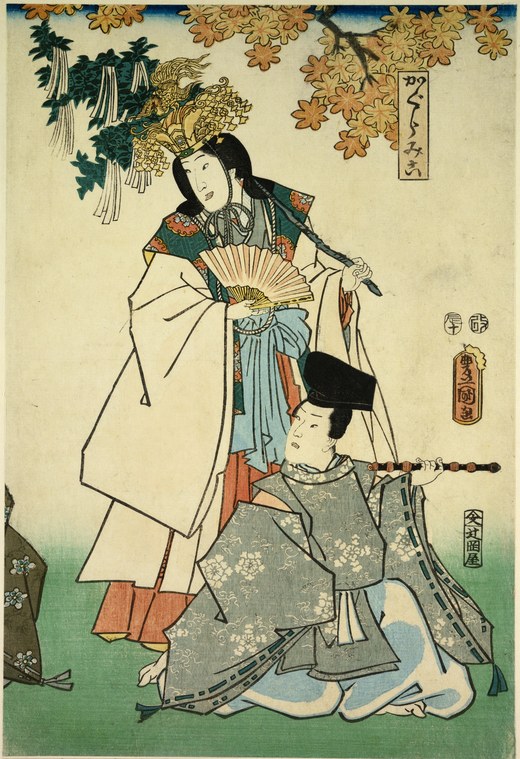
A kagura dance
Unknown artist · 2019
public_domain
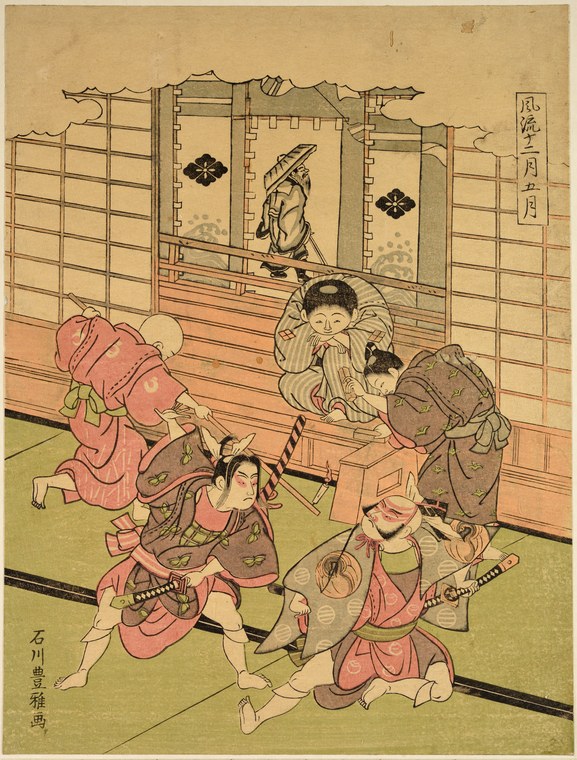
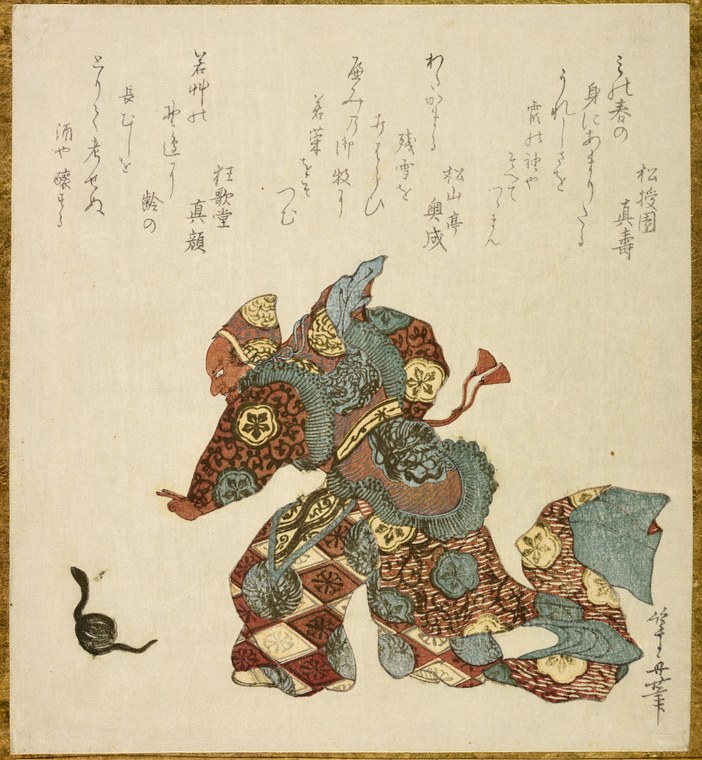
No dance
Unknown artist · 2019
public_domain
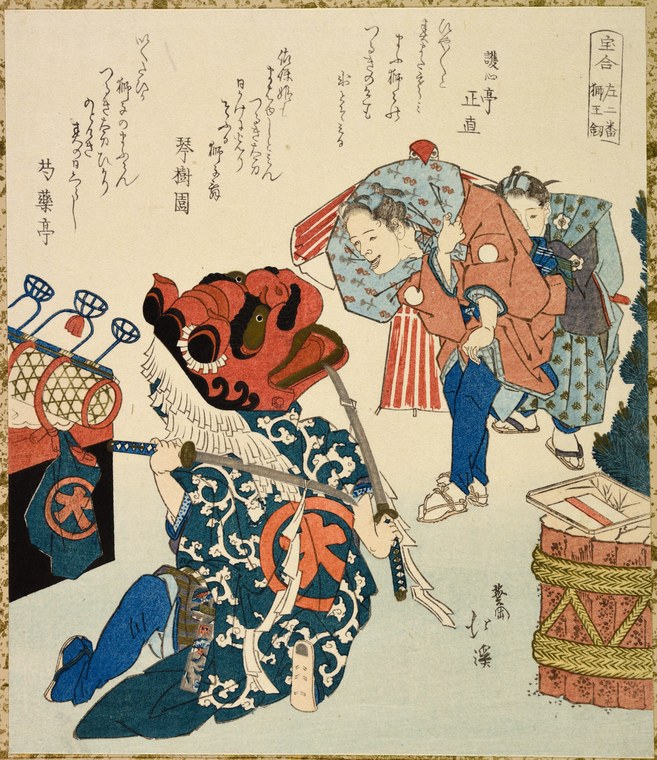
Dance of shishi (lion dance)
Unknown artist · 2019
public_domain
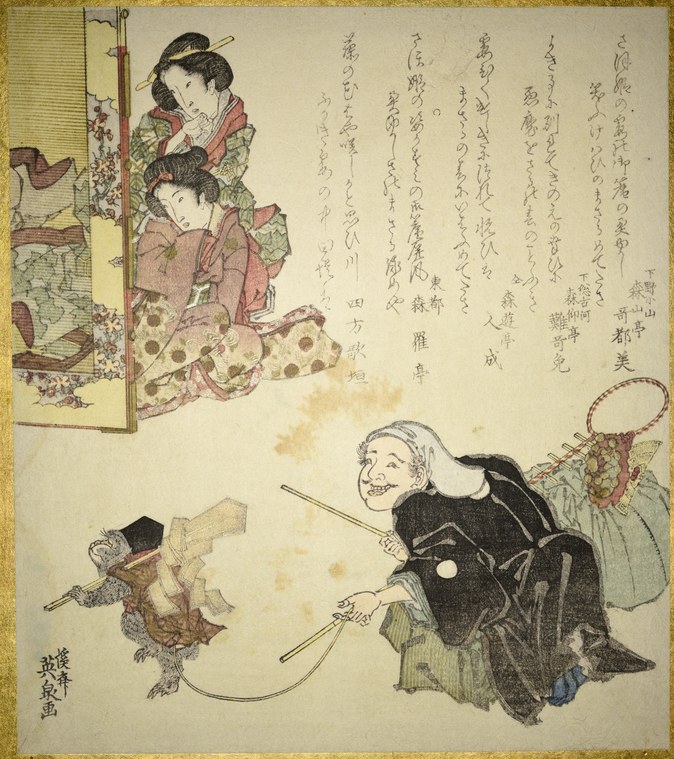
Sarumawashi dance
Unknown artist · 2019
public_domain
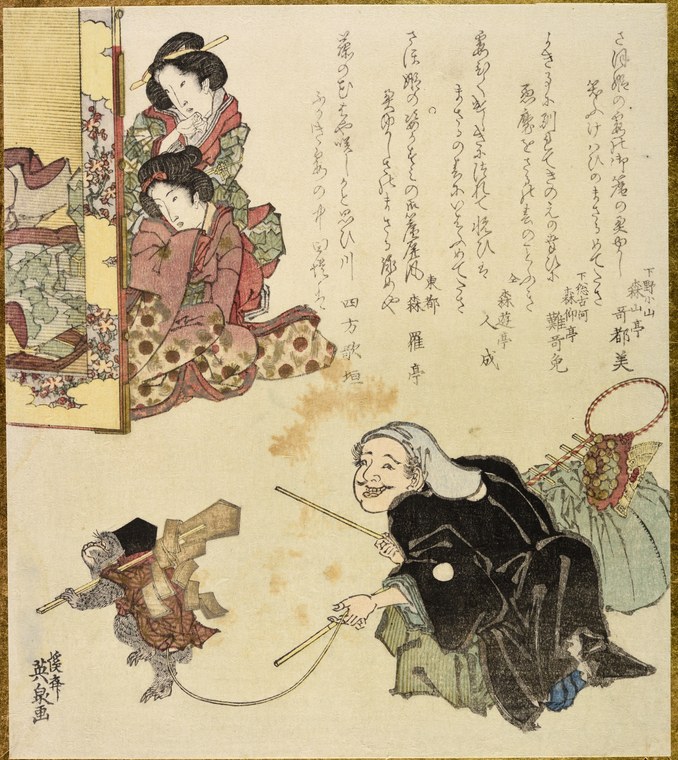
Sarumawashi dance
Unknown artist · 2019
public_domain
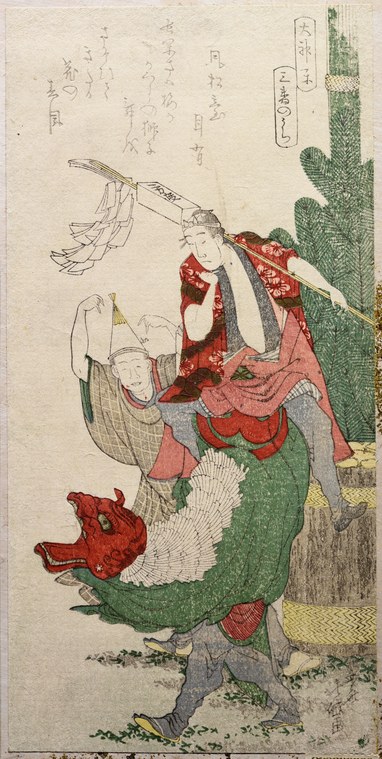
The Daikagura dance
Unknown artist · 2019
public_domain
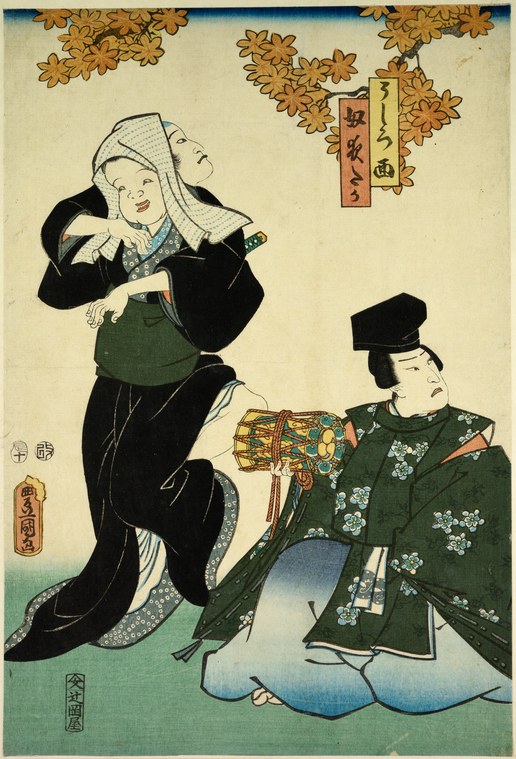
A kagura dance
Unknown artist
public_domain
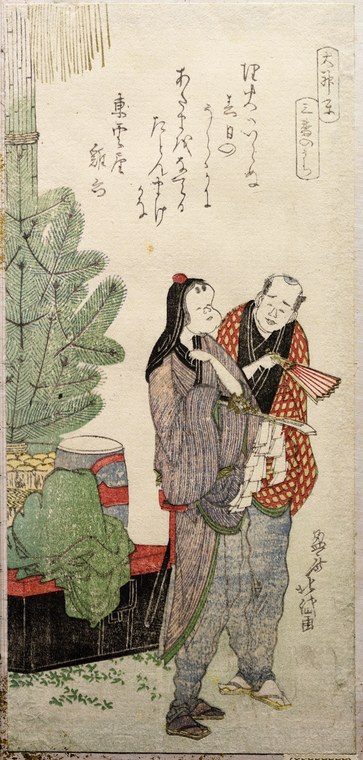
The Daikagura dance
Unknown artist · 2019
public_domain
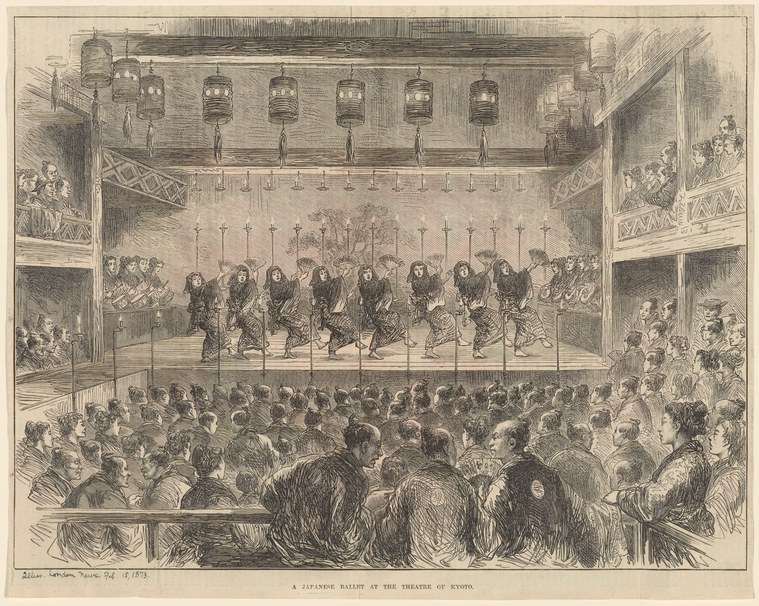
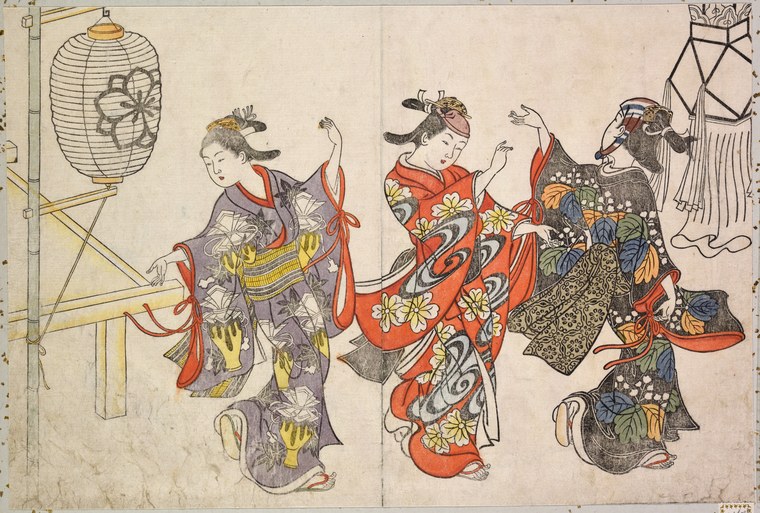
Bon dance
Unknown artist · 2019
public_domain