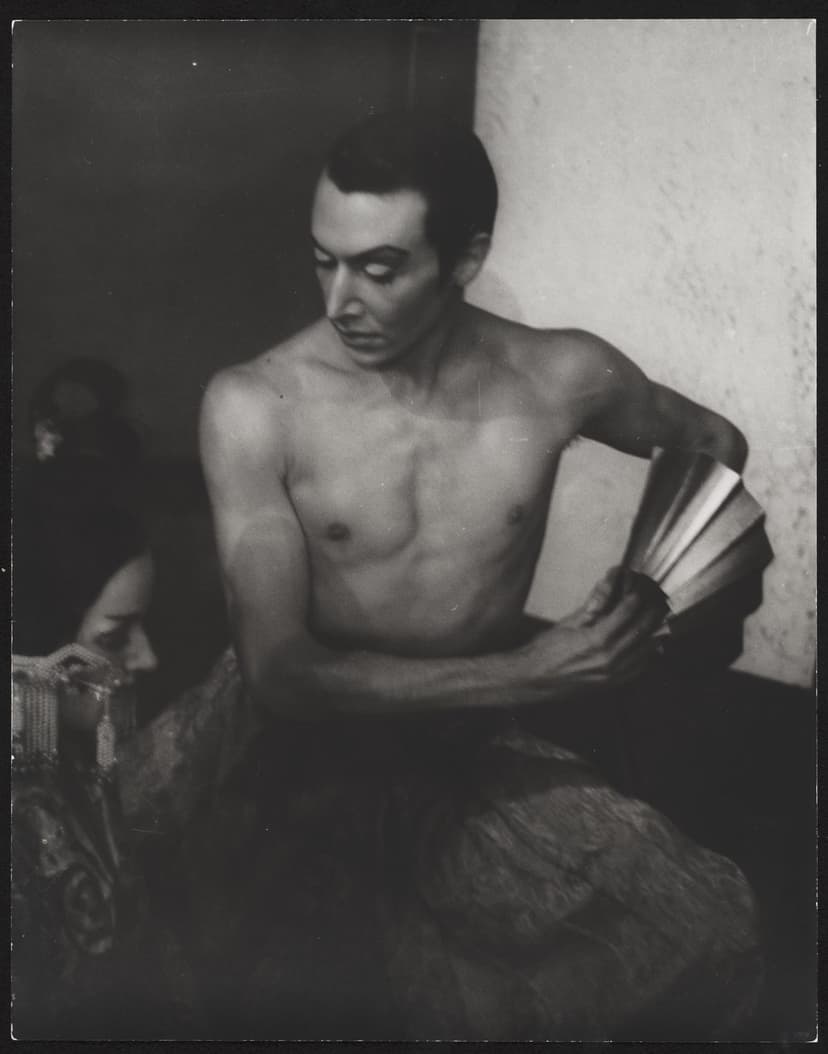
Choreographer · Innovator · Teacher · Syllabus / System Builder
Jack Cole
Father of Theatrical Jazz Dance
Why They Matter
He created the vocabulary that Fosse, Robbins, and every subsequent jazz choreographer built upon.
Known For
Styles Jack Cole shaped
Each one links to the style’s own page — its origins, music, tempo and video.
Biography
Jack Cole, born John Ewing Richter on April 27, 1911, in New Brunswick, New Jersey, was a foundational architect of theatrical jazz dance who synthesized concert modernism, nightclub entertainment, Broadway storytelling and Hollywood cinema into a demanding, repeatable stage craft. Cole entered professional dance through the modern-dance world, studying with Ruth St. Denis and Ted Shawn, ballet with Luigi Albertieri, and additional techniques with La Meri and Mei Lan-Fang. He performed with the Denishawn dancers beginning in 1930, establishing himself in a lineage of concert modernism before pivoting decisively toward popular entertainment.
In the 1930s, Cole moved between Broadway and nightclub work. He appeared in *The School for Husbands* (1933), followed by *Caviar*, *Thumbs Up!* and *May Wine*. His nightclub performances with the Jack Cole Dancers at venues including New York's Rainbow Room and Los Angeles's Ciro's became crucial laboratories for his emerging style. There, modern-dance weight and design, ballet training, jazz rhythm, isolations and vocabularies studied from South Asian, flamenco, African, Caribbean and African American sources were compressed into a forceful commercial idiom shaped by the economy of compact troupes and high-impact numbers.
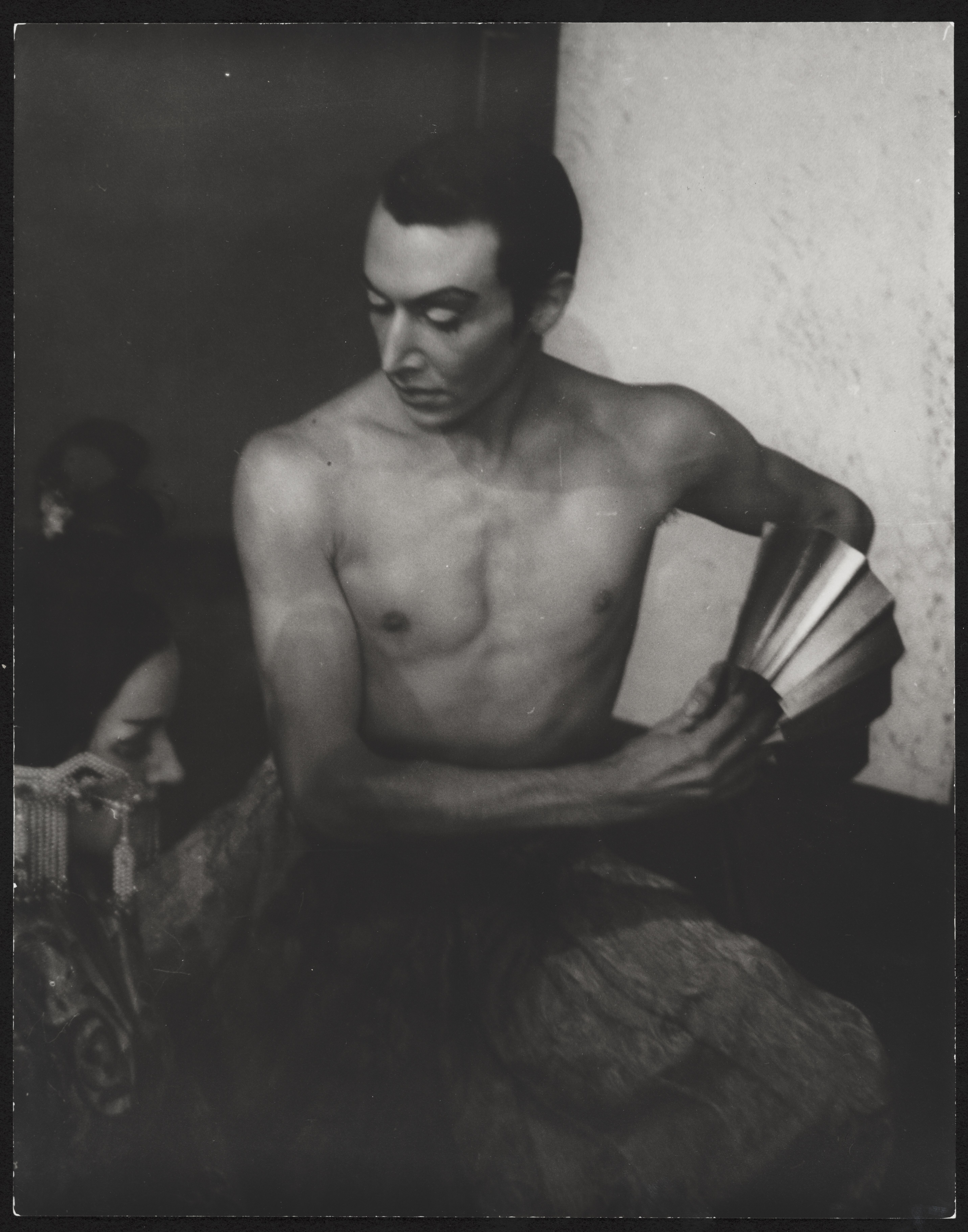
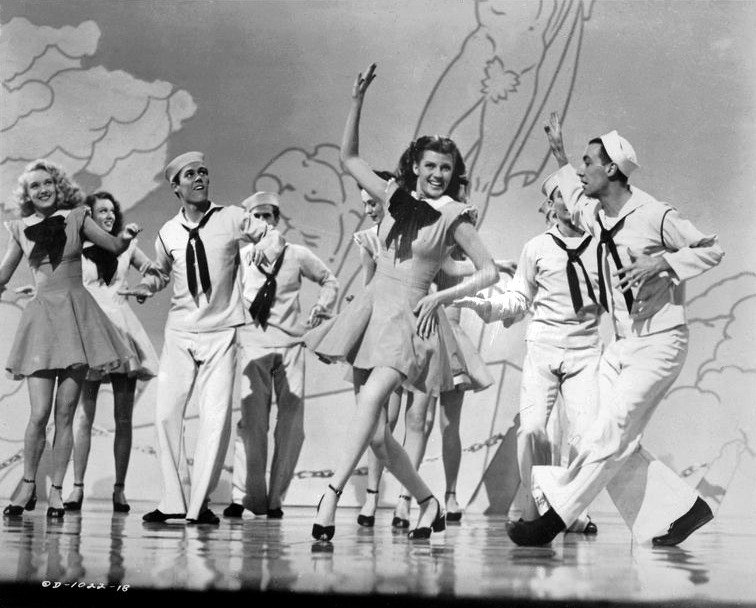
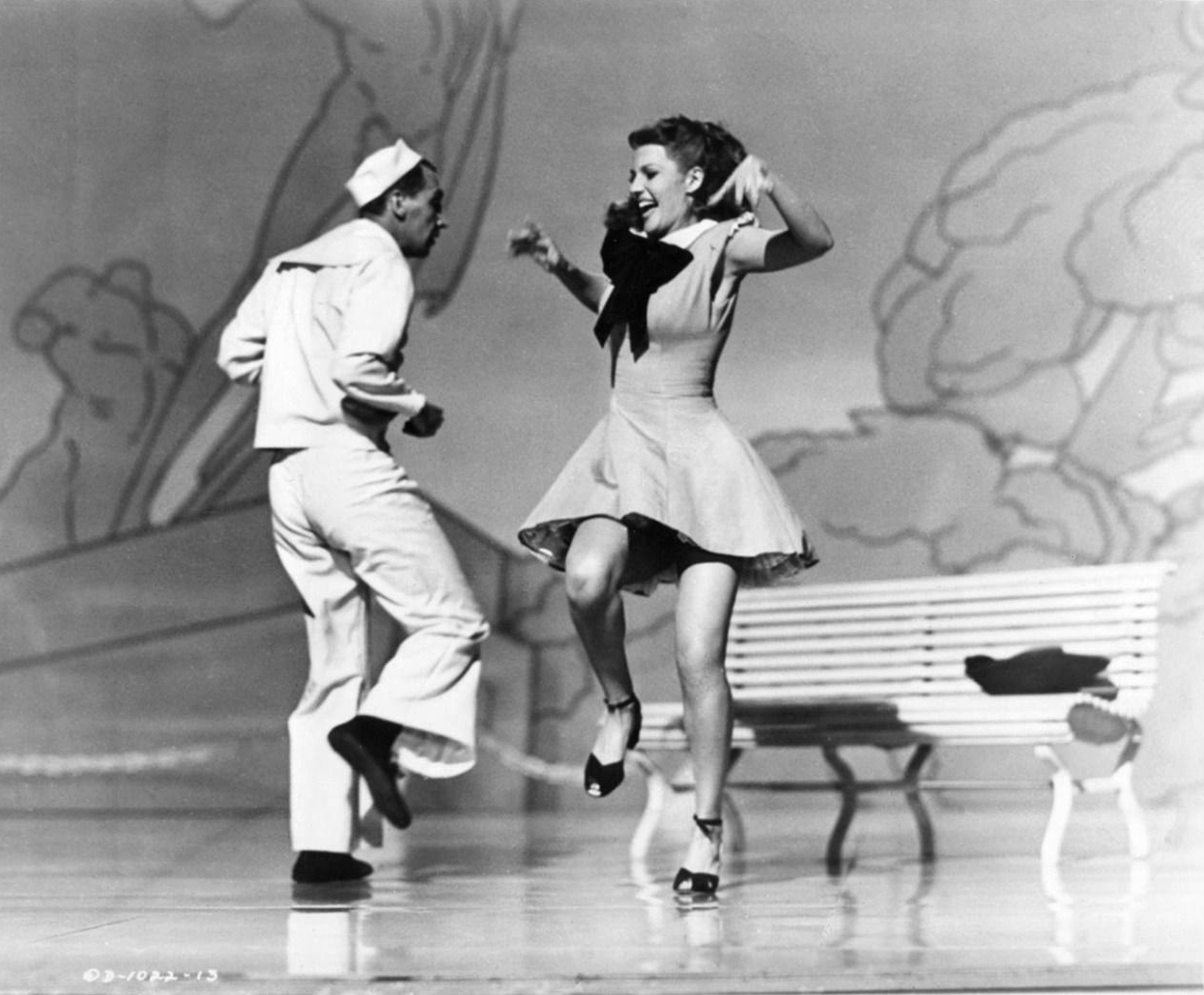
Cole's transition to Broadway choreography began in the 1940s. His first choreography credit came with *Something for the Boys* in 1943, and he continued as both dancer and choreographer in *Ziegfeld Follies of 1943*, *Magdalena* (1948, with Gwen Verdon and George Martin credited as assistant choreographers), and *Alive and Kicking* (1950). Simultaneously, he became a major Hollywood dance director and choreographer. The UCLA archive associates him with Columbia Pictures, where he ran the Dance Workshop from 1944 to 1948. He choreographed and danced with Rita Hayworth in *Tonight and Every Night* (1945), staged dances for *Gilda* (1946) and choreographed Marilyn Monroe in *Gentlemen Prefer Blondes* (1953). Across such films, his work organized gesture, gaze, costume, spatial geometry and camera attention around a star persona.
During the 1950s and 1960s, Cole built landmark stage work including *Kismet* (1953), *Jamaica* (1957), *Donnybrook!* (1961), *Kean* (1961), and *A Funny Thing Happened on the Way to the Forum* (1962)—a production on which Jerome Robbins also provided uncredited staging and choreography. His final major original Broadway credit was *Man of La Mancha* (1965), which earned him a Tony nomination for Best Choreography in 1966.
Cole's influence extended through dancers he trained directly, including Gwen Verdon, Carol Haney, Buzz Miller, Matt Mattox and Chita Rivera. His classes demanded clarity of line, sharply differentiated body parts, changes of level, rhythmic attack and the ability to stop motion as decisively as initiating it—standards that helped establish theatrical jazz as a discipline rather than loose terminology. He taught later in life, including at Jacob's Pillow and UCLA, and died in Los Angeles on February 17, 1974. His surviving archive at UCLA contains programs, photographs, research, correspondence and production materials documenting his work across nightclub, stage and film. That record supports a more complicated legacy than conventional honorifics suggest: Cole was a white American modern dancer who became a powerful synthesizer and commercializer of vocabularies whose sources included Black American social dance and non-Western traditions, a historical importance inseparable from both his extraordinary craft and the need to name the traditions and collaborators that made that craft possible.
Career Highlights
Performed professionally with the Denishawn dancers, according to the UCLA finding aid for the Jack Cole Papers.
Made an early Broadway appearance in The School for Husbands, credited by IBDB as the Olympian.
Appeared in Caviar and Thumbs Up! while developing a parallel nightclub career.
Received his first Broadway choreography credit for Something for the Boys and performed in the Ziegfeld Follies of 1943.
Ran the Dance Workshop at Columbia Pictures, according to the UCLA archive.
Choreographed and appeared with Rita Hayworth in Tonight and Every Night, documented by two public-domain LIFE stills.
Staged dances associated with Rita Hayworth’s performance in Gilda, including “Put the Blame on Mame.”
Staged dances and musical numbers for Broadway’s Kismet and choreographed Marilyn Monroe in Gentlemen Prefer Blondes.
Choreographed the original Broadway production of Jamaica.
Directed and choreographed Donnybrook! and staged and choreographed Kean.
Choreographed A Funny Thing Happened on the Way to the Forum; IBDB also notes uncredited staging and choreography by Jerome Robbins.
Choreographed Man of La Mancha and received a Tony nomination for Best Choreography.
Gallery
Legacy & Impact
Jack Cole matters because he made theatrical jazz legible as a demanding, repeatable stage-and-screen craft. He linked concert modernism, nightclub immediacy, Broadway storytelling and cinematic framing, training dancers to coordinate isolations, line, rhythm, level and expression with unusual exactness. His work provided a crucial technical and institutional bridge for later musical-theatre choreography. The strongest account also resists the myth of solitary invention: jazz dance grew through Black American vernacular practice and many performers, while Cole's hybrid vocabulary additionally drew from South Asian, flamenco, Caribbean and other forms. His achievement lies in how powerfully he synthesized, trained and theatricalized those materials.


Explore More Legends
Discover the dancers, teachers, choreographers, and cultural icons who shaped how the world moves.
Keep the thread going
Dance history, technique, and the occasional rabbit hole — in your inbox. Thoughtful, infrequent, unsubscribe anytime.
Free. No spam. One click to leave.