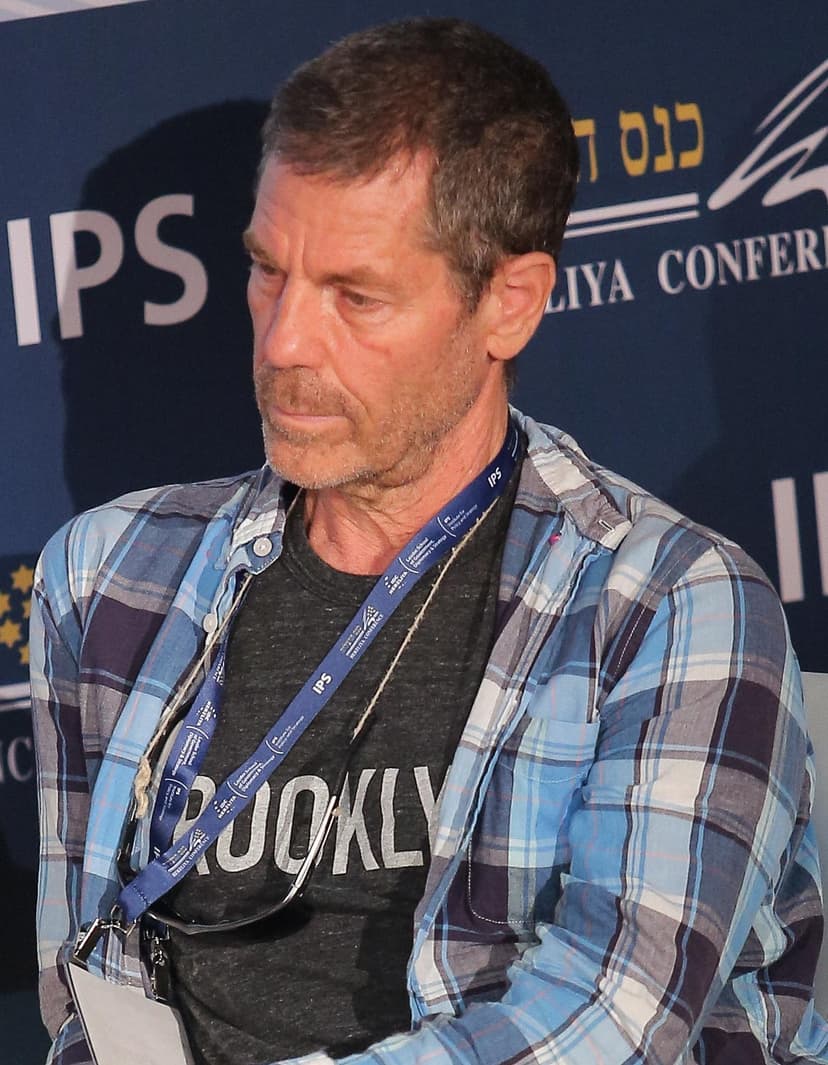
Choreographer · Innovator · Teacher
Ohad Naharin
Creator of Gaga Movement Language
Why They Matter
His Gaga technique became one of the most influential training methods in contemporary dance, offering an alternative to traditional technique classes that emphasizes sensation and pleasure.
Known For
Watch
Ohad Naharin discusses Gaga movement
Batsheva Dance Company
Provides first-person context for Gaga as a movement language
Gaga with Ohad Naharin
Batsheva Dance Company
Shows the practice in a Batsheva context without reducing it to fixed steps
Gaga training and groove at Batsheva Ensemble
Batsheva Dance Company
Documents how Gaga functions inside company training
Echad Mi Yodea
Batsheva Dance Company
The most widely recognized Naharin excerpt and a useful study in accumulation
A Collection of Batsheva Dance Company Repertoire
Batsheva Dance Company
Provides a broad visual survey across Naharin repertory
Sadeh21
Batsheva Dance Company
Documents a major 2011 work and its compositional range
Biography
Ohad Naharin, born in 1952 on Kibbutz Mizra in Israel, became one of contemporary dance's most transformative choreographers. His mother was a choreographer, dance teacher and Feldenkrais instructor; his father was an actor and psychologist. Naharin joined Batsheva Dance Company in 1974 with comparatively little formal training. During his first year, Martha Graham invited him to her company in New York, where between 1975 and 1976 he studied at the School of American Ballet and Juilliard and with Maggie Black and David Howard. He then spent a season with Maurice Béjart's Ballet du XXe Siècle before returning to New York at the end of the 1970s.
Naharin made his choreographic debut in 1980 at the Kazuko Hirabayashi studio and formed the Ohad Naharin Dance Company with dancer Mari Kajiwara, his first wife and close artistic collaborator. Throughout the 1980s he created work in New York and accepted commissions from Batsheva, Kibbutz Contemporary Dance Company and Nederlands Dans Theater—a decade of independent making that preceded his later prominence.
In 1990 Naharin became artistic director of Batsheva Dance Company and founded its junior division, now known as Batsheva – the Young Ensemble. He led the main company for nearly three decades, stepping down as artistic director in 2018 while continuing as house choreographer. His works during this period include *Kyr* (1990), *Anaphaza* (1993), *Yag* (1996), *Naharin's Virus* (2001), *Mamootot* (2003), *Three* (2005), *MAX* (2007), *Hora* (2009), *Sadeh21* (2011), *The Hole* (2013), *Last Work* (2015), *Venezuela* (2017), *2019*, *MOMO* (2022) and *ZŌ* (2025).
Naharin developed Gaga, an innovative movement language that grew from his research into sensation, imagination and unfamiliar movement habits. Rather than a fixed syllabus, Gaga is an evolving practice centered on improvisation and teacher-mediated exploration. It became Batsheva's daily training and later expanded into formats for trained dancers and the general public. His recurring project *Decadance*, begun in 2000 to mark ten years at Batsheva, is not a frozen anthology but an evolving collage where excerpts are reworked, recombined and reinterpreted by changing casts. The section *Echad Mi Yodea*, widely circulated online, originated within *Anaphaza* and later appeared in *Decadance* contexts.
Music is integral to Naharin's authorship. He trained in music as a child and collaborated with composers including The Tractor's Revenge on *Kyr*, Avi Balleli and Dan Makov on *Anaphaza*, and Ivri Lider on *Zina*. Under the pseudonym Maxim Waratt, he composed music for *MAX* and worked on soundtrack design and mixing for *Mamootot* and *Hora*. His honors include the French Chevalier de l'Ordre des Arts et des Lettres in 1998 and Commandeur rank in 2023, the 2005 Israel Prize for dance, the 2009 EMET Prize, the 2009 Samuel H. Scripps/American Dance Festival Award for Lifetime Achievement, an honorary doctorate from Juilliard in 2013 and the Israel Ministry of Culture lifetime achievement award in 2016. His work has been documented by filmmaker Tomer Heymann in *Out of Focus* (2007) and *Mr. Gaga* (2015).
Career Highlights
Joined Batsheva Dance Company and began his professional dance training there. Batsheva
Studied in New York at the School of American Ballet and Juilliard and with Maggie Black and David Howard. Batsheva
Made his New York choreographic debut at the Kazuko Hirabayashi studio and formed a company with Mari Kajiwara. NDT
Became Batsheva’s artistic director and founded the company’s junior division. Batsheva
Created Anaphaza, a large theatrical work whose material later entered Decadance. Benois de la Danse
Created the first Decadance for the tenth anniversary of his Batsheva tenure. Batsheva, Decadance #23
Received the Israel Prize for dance. Batsheva
Created MAX and composed its score under the pseudonym Maxim Waratt. Benois de la Danse
Received the EMET Prize and the Samuel H. Scripps/American Dance Festival lifetime achievement award. Batsheva
Created Last Work; Tomer Heymann’s documentary Mr. Gaga was released. Batsheva
Stepped down as Batsheva artistic director and continued as house choreographer. Batsheva
Batsheva presented ZŌ, Naharin’s first new company work in three years, and lists the Yakir Bezalel Award among his honors. Batsheva
Gallery
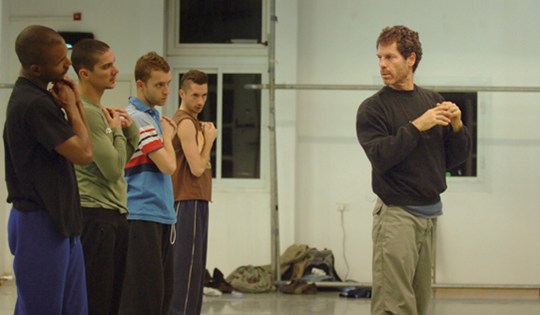

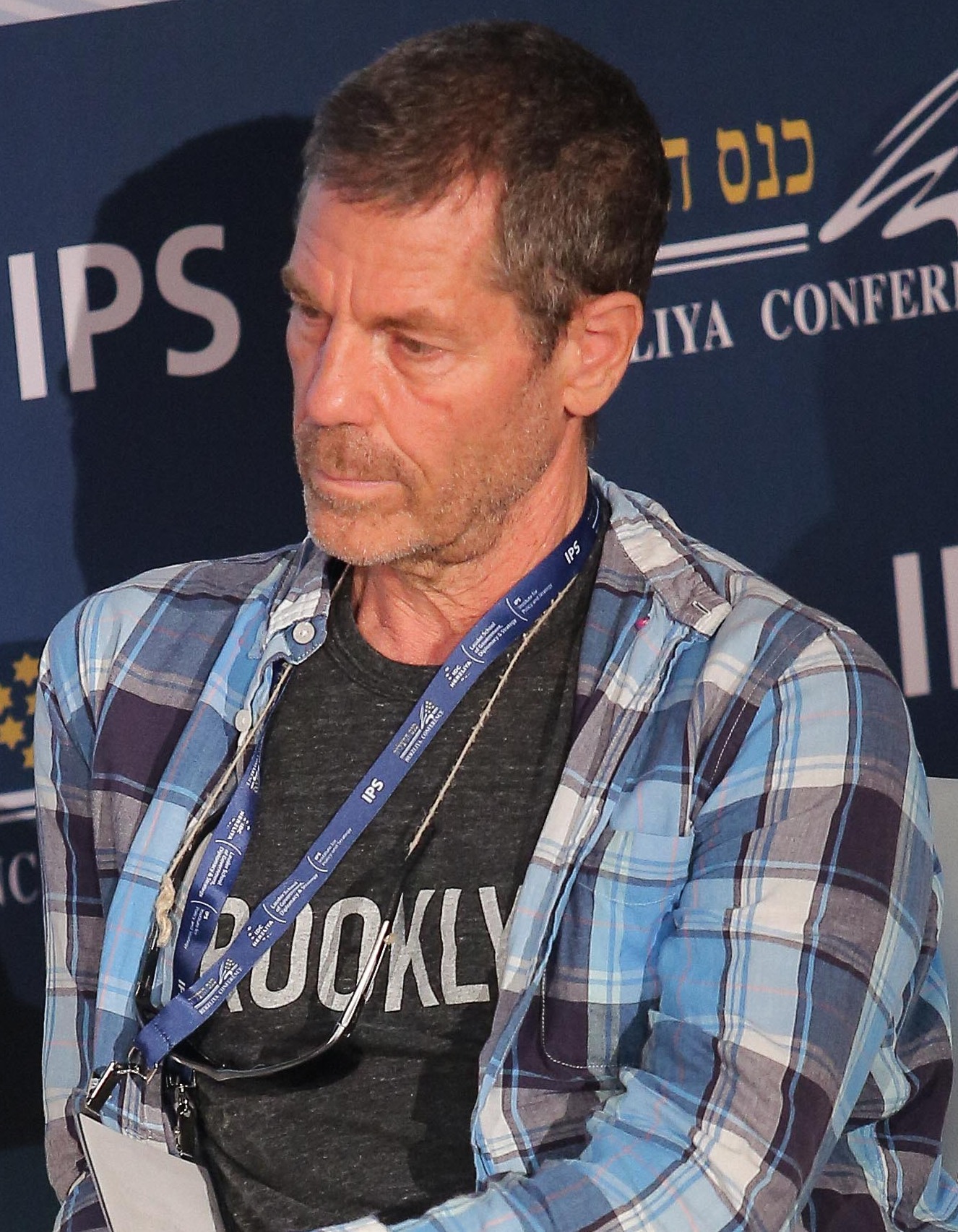
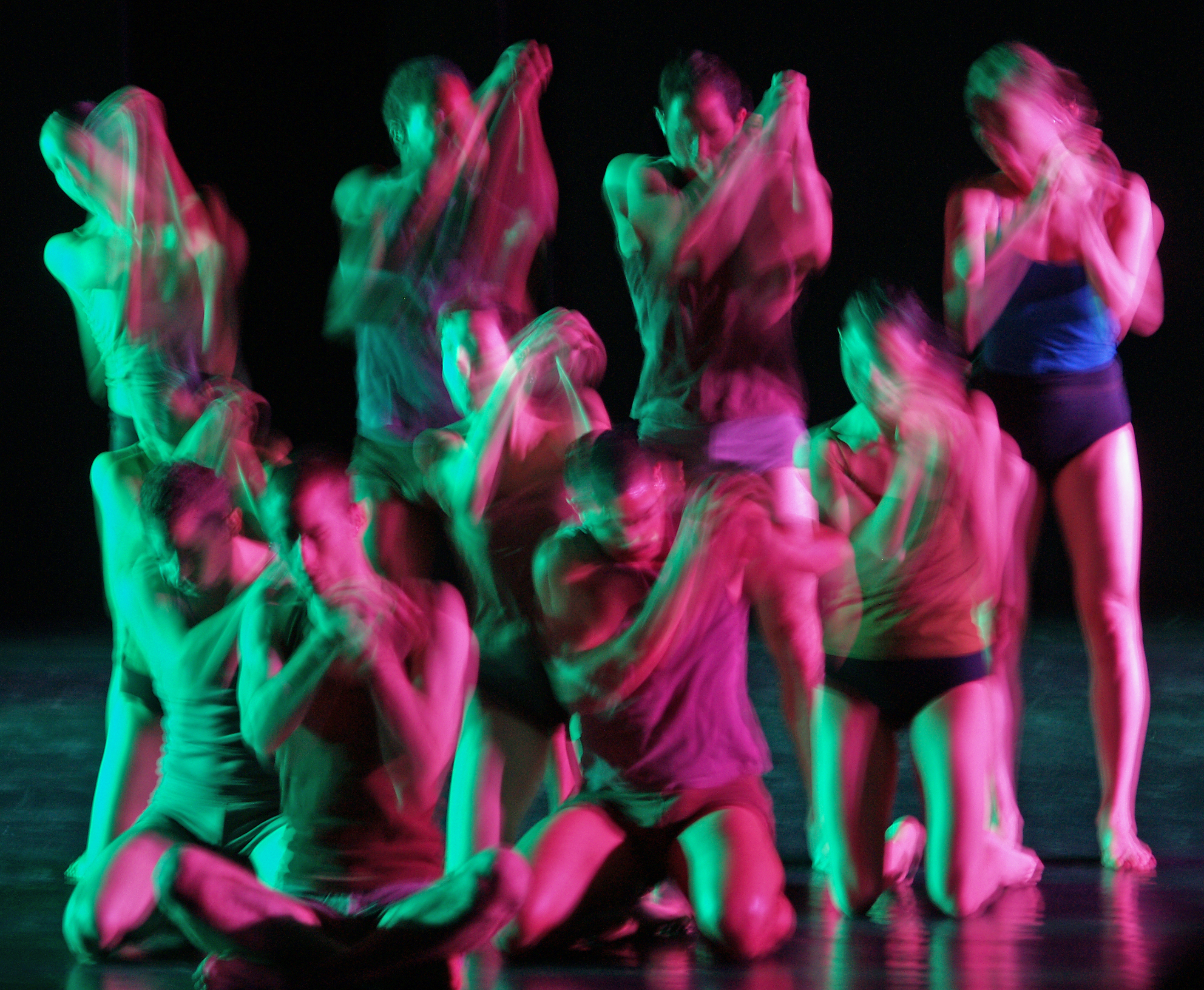
Ohad Naharin on screen
Films and television featuring Ohad Naharin, with the sequences we have indexed.

Poster artwork from TMDB.
 This site uses TMDB and the TMDB APIs but is not endorsed, certified, or otherwise approved by TMDB.
Legacy & Impact
Naharin's legacy lies in the interaction of repertory, institution and practice. His decades at Batsheva created a sustained laboratory in which dancers cultivated sensory attention and interpretive agency. Gaga then circulated beyond the company, influencing training and movement culture internationally. His works—from the communal force of *Anaphaza* to the compositional recycling of *Decadance* and the textured contrasts of *Sadeh21*—made groundedness, elastic range, pleasure, effort and abrupt theatrical change central to a recognizable performance world that continues to shape how dancers move and how companies approach repertory.


Explore More Legends
Discover the dancers, teachers, choreographers, and cultural icons who shaped how the world moves.
Keep the thread going
Dance history, technique, and the occasional rabbit hole — in your inbox. Thoughtful, infrequent, unsubscribe anytime.
Free. No spam. One click to leave.