Gaga Movement Language
Also known as: Gaga, Gaga/people, Gaga/dancers, Gaga movement research
History & Cultural Context
Naharin began building the practice out of his own work as a choreographer and his recovery from injury, and it took its present name and public teaching structure over the course of the 1990s and early 2000s. A class runs continuously for roughly an hour with no stopping, no counting down of exercises, and no mirrors, which removes the visual self-correction most dance training depends on and pushes attention inward to sensation. The teacher moves throughout and gives instruction verbally through layered images and tasks, adding one instruction on top of another until the dancer is holding several at once, and there is no correction of individuals in the conventional sense. The two streams differ in demand rather than in principle: Gaga/dancers assumes trained bodies and a working relationship to performance, Gaga/people assumes nothing, and the same ideas run under both. It is not a codified technique, has no syllabus, no examinations and no set exercises that could be written down and reproduced, which is why it is transmitted only through teachers trained and licensed by the organisation Naharin established for it.
Cultural Significance
The practice grew inside a repertory company and remains attached to it, so its centre of gravity is still Tel Aviv and the Batsheva ensemble even though it is taught internationally. It sits in a wider late twentieth-century turn in Western concert dance away from imposed shape and toward somatic attention, alongside release-based training and improvisation practice, but it was developed independently of those lineages and does not share their teaching structures. Because Gaga is a living practice with an active licensing structure, teaching it is a matter of formal permission rather than lineage claim, which is unusual among contemporary movement practices.
Characteristic Movement & Technique
Work is initiated from sensation and from images of texture, weight, resistance and available space rather than from positions, so the same instruction produces different-looking movement in different bodies. Common material includes moving through imagined density, floating and quaking sensations, tracking the flow of movement through the joints without locking any of them, and separating effort from tension so that force can be produced without gripping. The spine, pelvis and shoulder girdle are worked as continuously mobile rather than stabilised, and dancers are asked to stay in motion even in apparent stillness. Range is pushed by adding demands on top of each other rather than by repetition of a set exercise.
Partnering Dynamics
Not a partnered form, and physical contact is not a standard part of a class. Dancers work simultaneously in a shared space with no mirrors, so they see each other rather than themselves, and awareness of the group becomes part of the material. Some instructions explicitly ask dancers to relate to others in the room through distance, speed and attention rather than through touch.
Competitive Context
There is none, and the absence is deliberate rather than incidental. Gaga has no competitions, no ranked levels, no examinations and no syllabus against which a dancer could be scored, and its only formal credential is teacher certification through its licensing body. A practice organised around sensation the observer cannot see is structurally unavailable to adjudication, which is a meaningful fact about what it is for.
Regional Variations
The licensing structure keeps variation narrower than in most transmitted movement practices, since every teacher is trained and authorised through the same body. Tel Aviv remains the centre, with sustained teaching hubs in New York and several European cities and regular international intensives. Differences between classes are mostly a matter of individual teachers' imagery and emphasis rather than of regional schools.
Common Misconceptions
The most frequent error is treating Gaga as a style you can identify on stage, or as the name for Naharin's choreography. It is a training and research practice; his repertory works are choreography, and dancers trained in Gaga perform in many idioms. It is also not therapy, not improvisation performance, and not a technique with a fixed vocabulary that could be learned from notation or video.
Peak Popularity
Signature Figures
- Classes taught without mirrors
- Continuous movement with no stopping and no counts
- Instruction by layered verbal imagery rather than demonstration to be copied
- Two streams, Gaga/people and Gaga/dancers
- Separating effort from tension
- Availability for movement
Notable Codifiers
- Ohad Naharin
Gaga Movement Language on screen
Films and television where Gaga Movement Language appears, with the sequences worth watching for.

Poster artwork from TMDB.
 This site uses TMDB and the TMDB APIs but is not endorsed, certified, or otherwise approved by TMDB.
Sources & Further Reading
Cultural & Historical Context
Gaga Movement Language emerged from Tel Aviv, Israel during the 1990s—present day. Understanding the cultural roots, musical traditions, and social circumstances of this era enriches appreciation for the dance's characteristics and significance.
Formative Influences
Codifiers & Standardizers:
Ohad Naharin
Signature Movement Vocabulary:
Classes taught without mirrors, Continuous movement with no stopping and no counts, Instruction by layered verbal imagery rather than demonstration to be copied, Two streams, Gaga/people and Gaga/dancers, Separating effort from tension, Availability for movement
Primary Source Documents
The Library of Dance contains public-domain primary sources for dance history. Copyrighted modern syllabi are indexed with purchase links to their respective copyright owners. Search by dance name or codifier to discover primary source documents.
Last reviewed: September 2026 — This dance profile synthesizes historical research, cultural documentation, and contemporary practice knowledge to provide authoritative context.
More in Contemporary Dance
Graham Technique
Martha Graham's foundational modern-dance technique built on 'contraction and release' and movement initiated from the breath and torso.
Cunningham Technique
Merce Cunningham's postmodern technique emphasizing clarity of spine and legs, multidirectional use of space, chance procedures, and the independence of dance from music.
Limón Technique
José Limón's technique, extending Doris Humphrey's 'fall and recovery,' centered on weight, gravity, breath, and the momentum of falling, rebounding, and suspension.
Release Technique
A family of postmodern training approaches that minimize unnecessary muscular effort, using breath, imagery, and skeletal alignment to move efficiently and fluidly; often paired with contact improvisation.
Forsythe Improvisation Technologies
William Forsythe's contemporary-ballet approach from the 1980s, extending and deconstructing classical line through work on lines, angles, points, and the full range of motion.
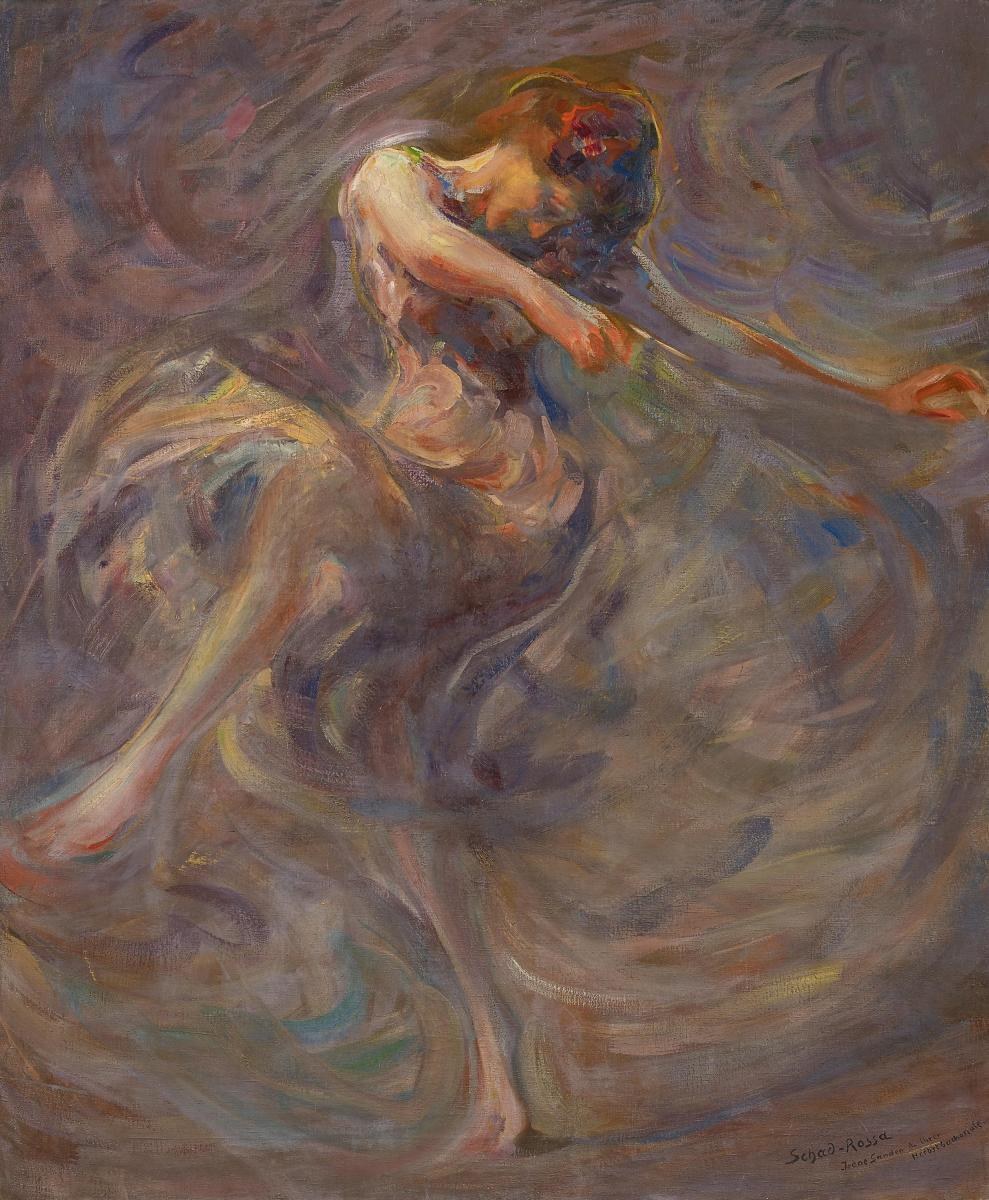
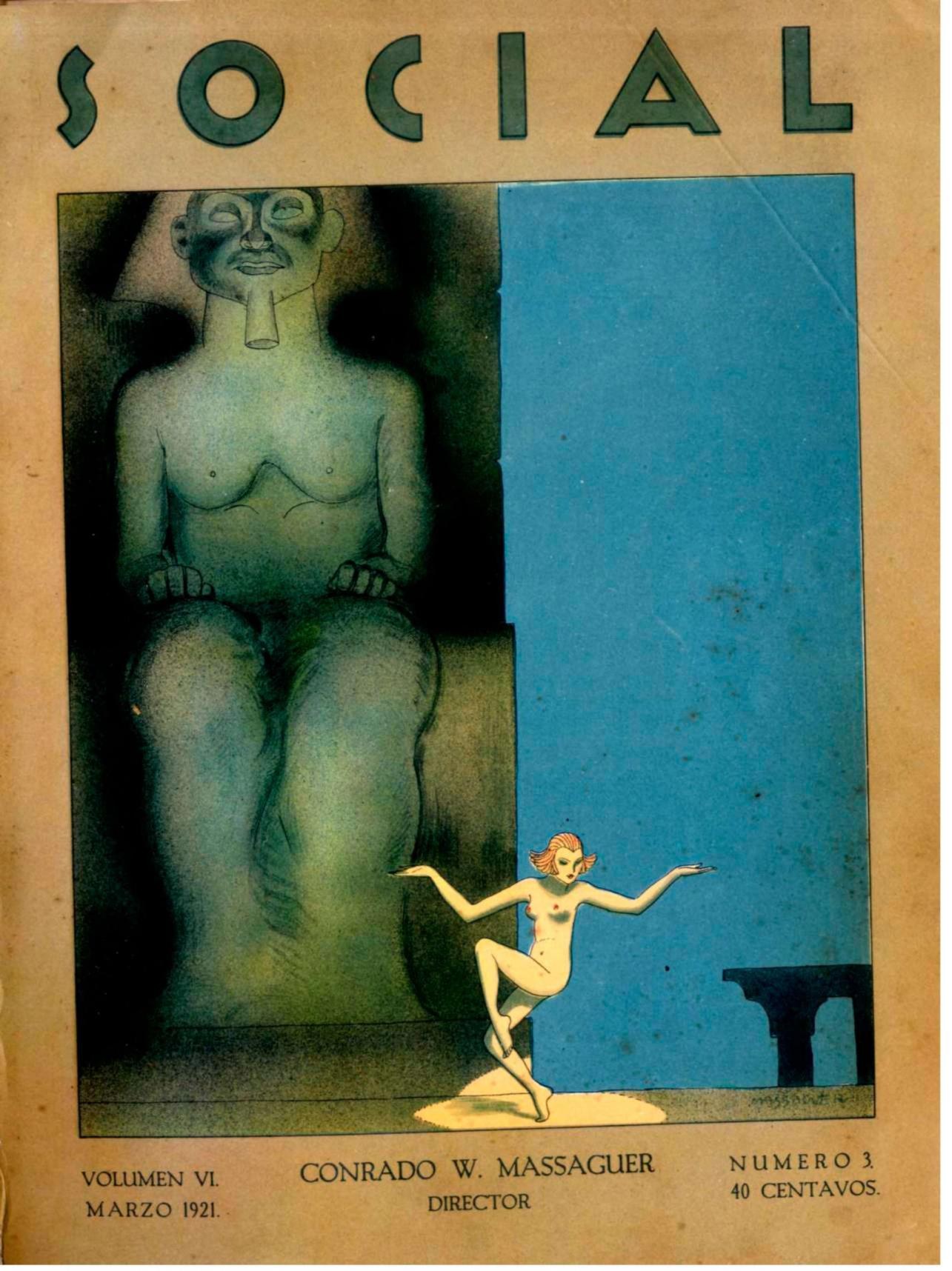
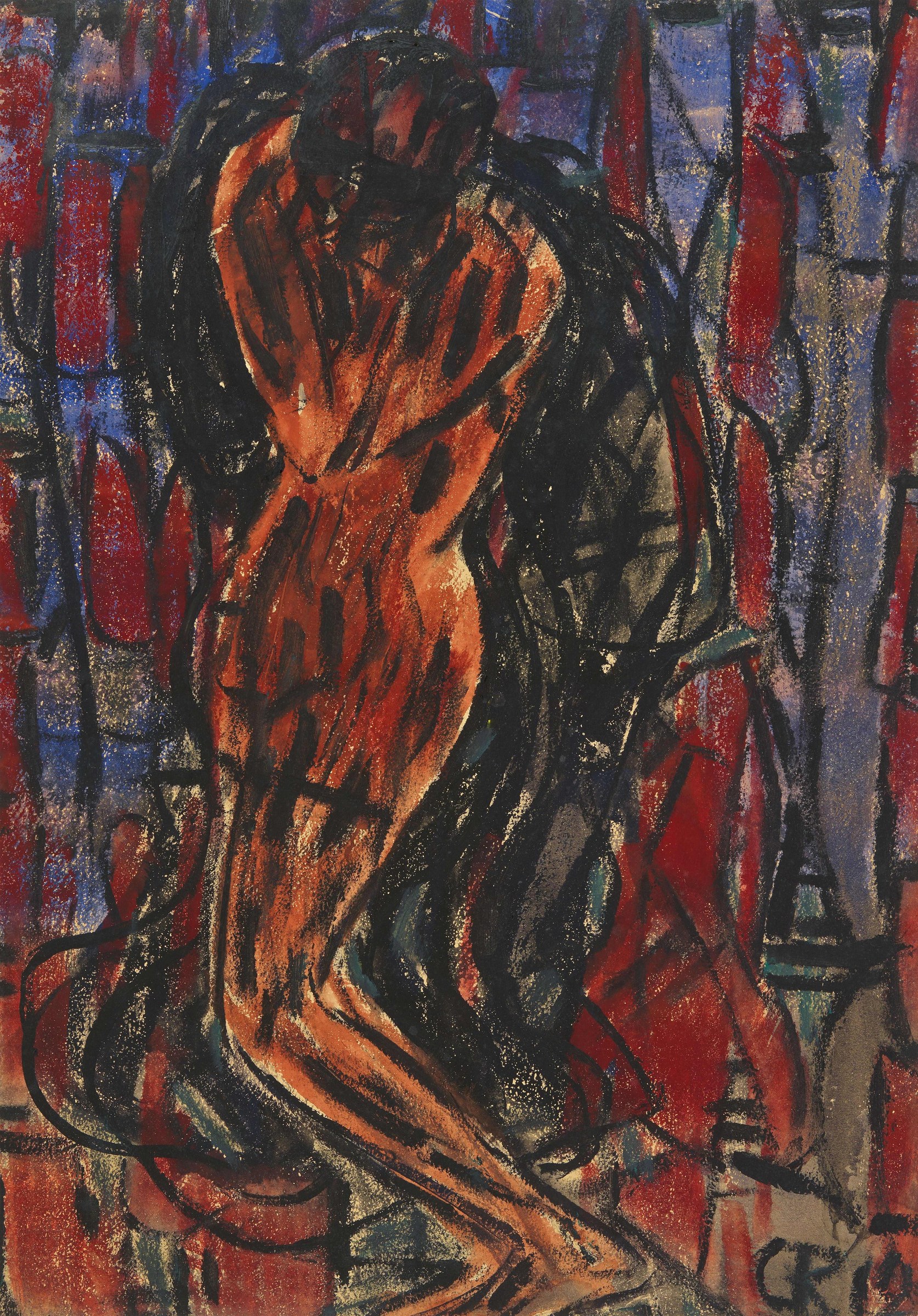
Contemporary Dance in art
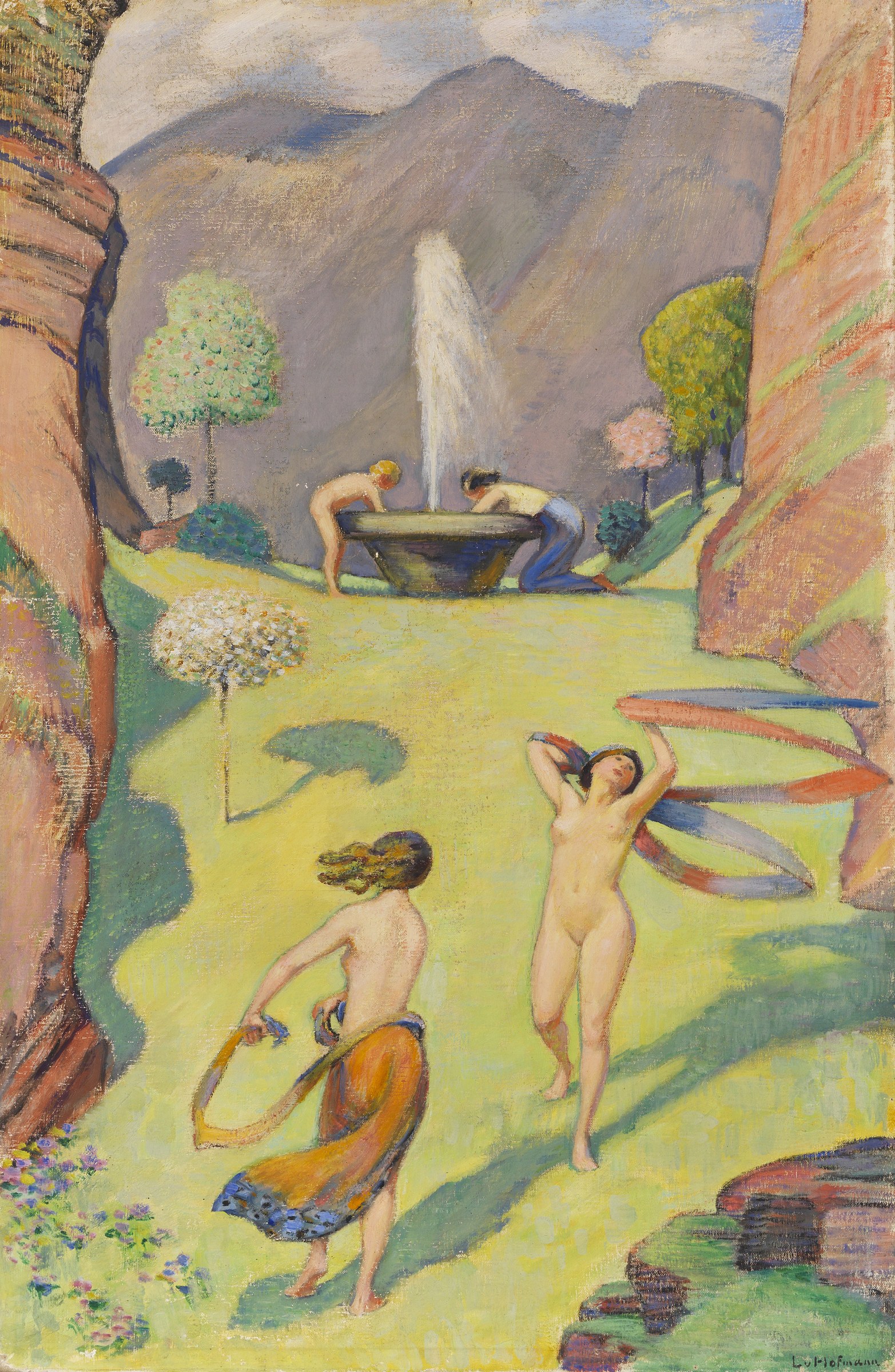
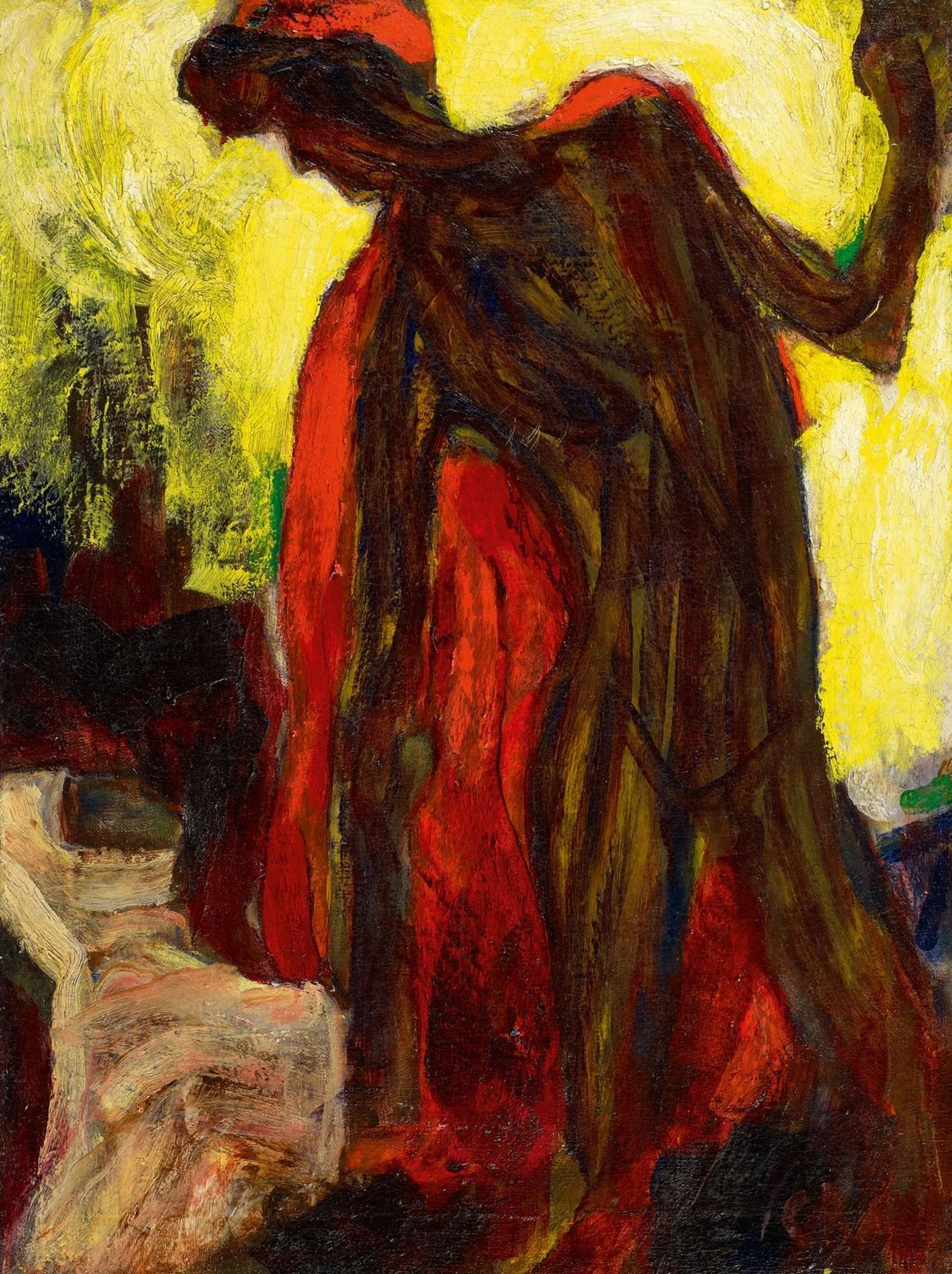
Browse the gallery →Works from the wider Contemporary Dance tradition — we have not yet identified enough that depict Gaga Movement Language specifically.
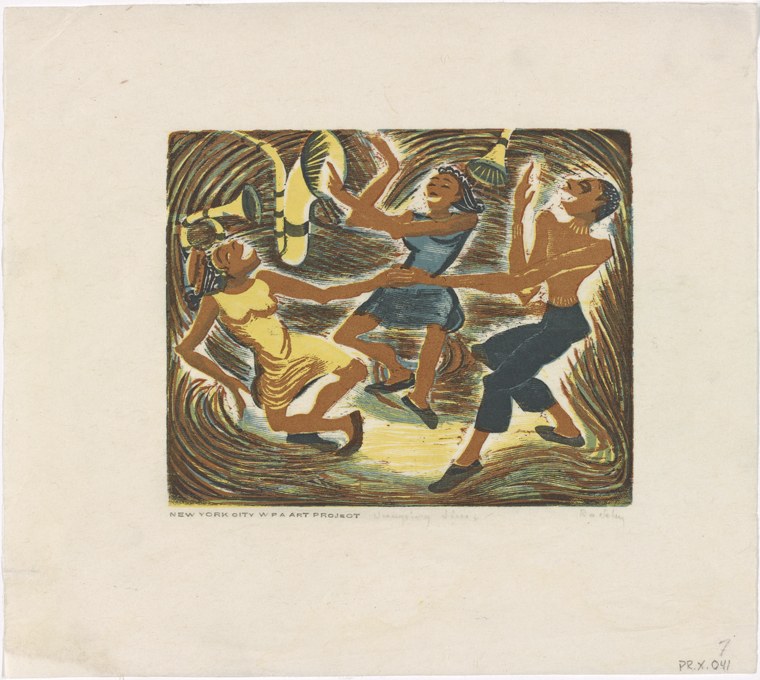
Dancing
Unknown artist
public_domain
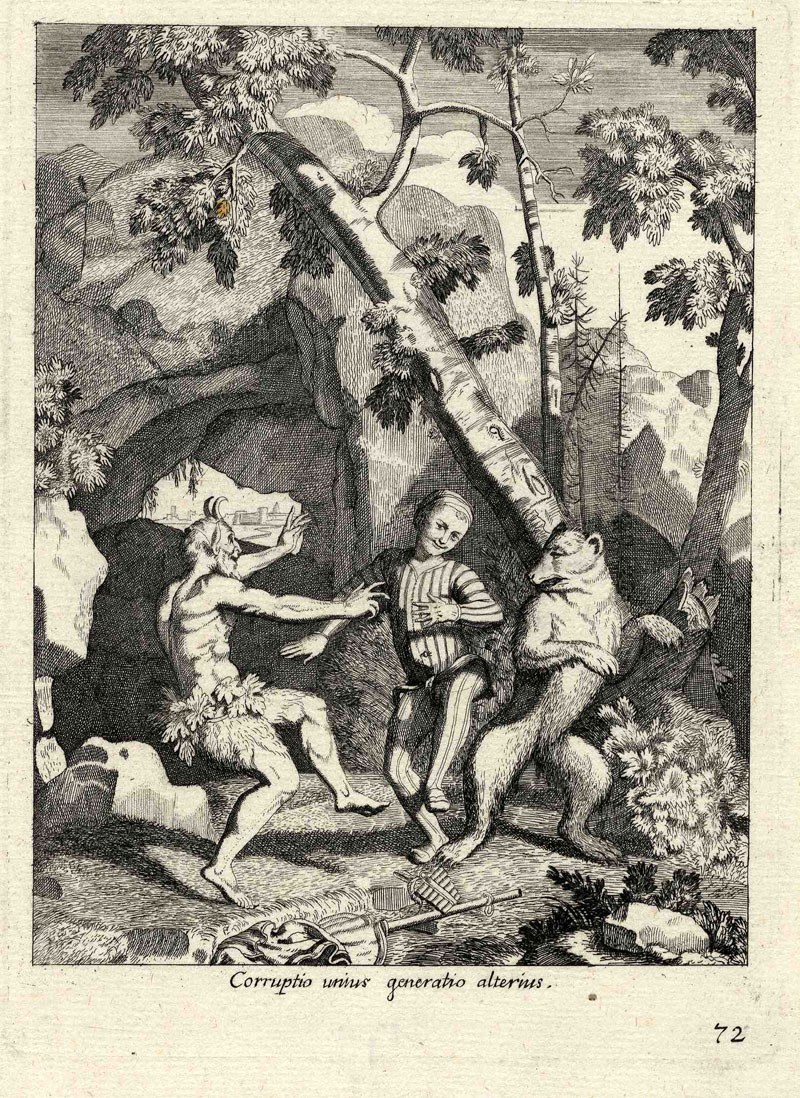
Harlekinade c1700 ubs G 0855 II 02
Anonymous · 1700
Public Domain
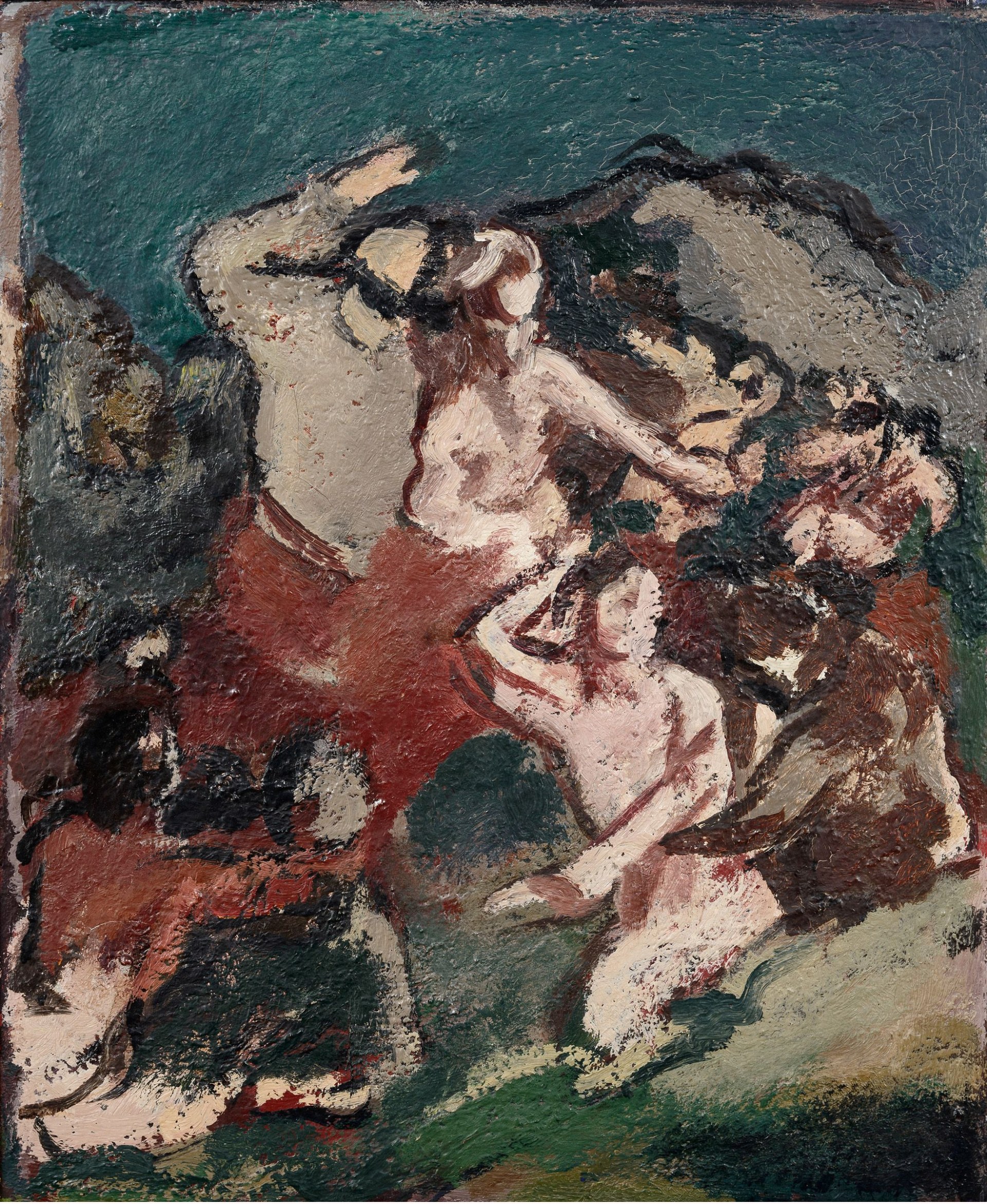
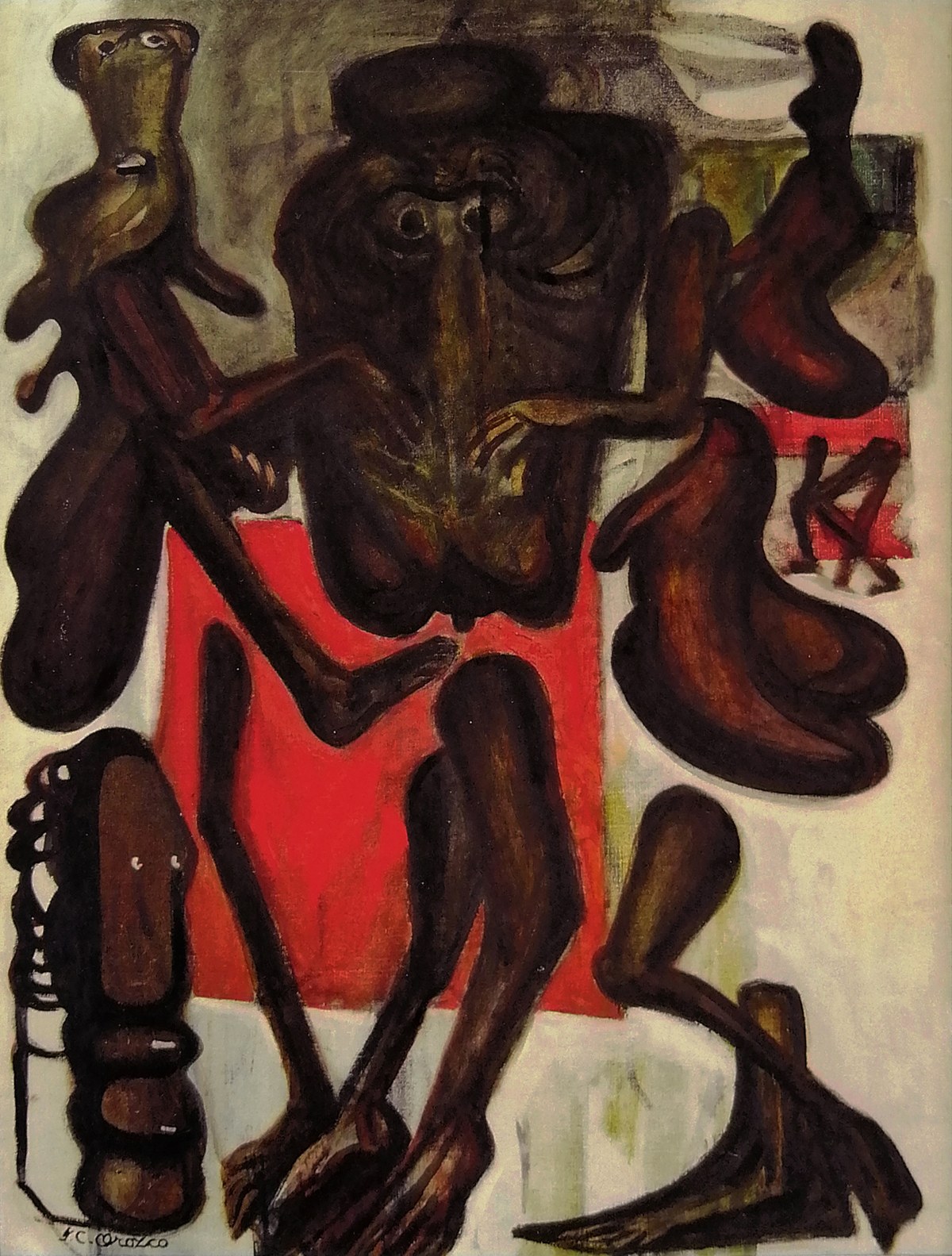
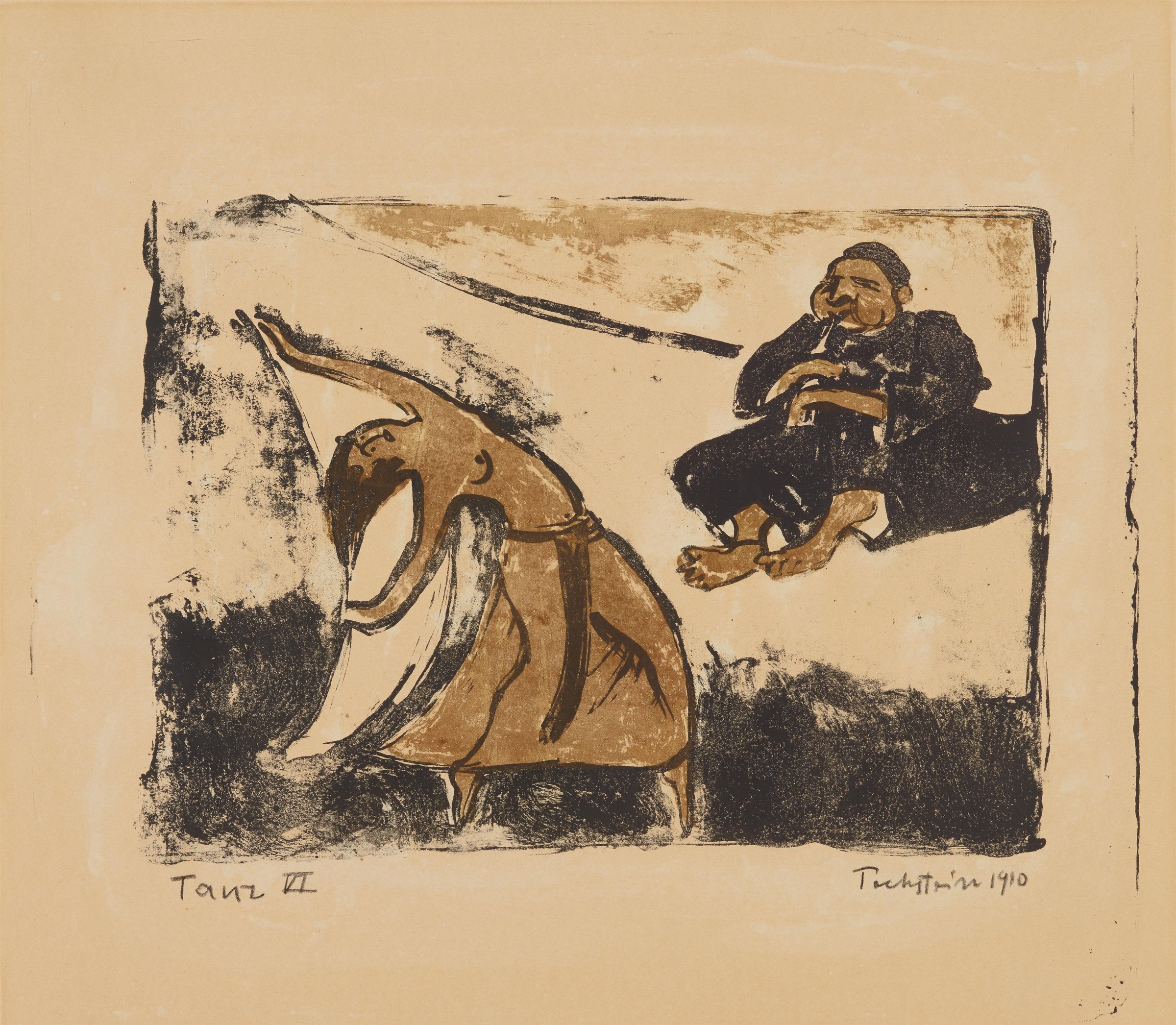
Max Pechstein Tanz VI 1910
Max Pechstein · 1910
Public Domain
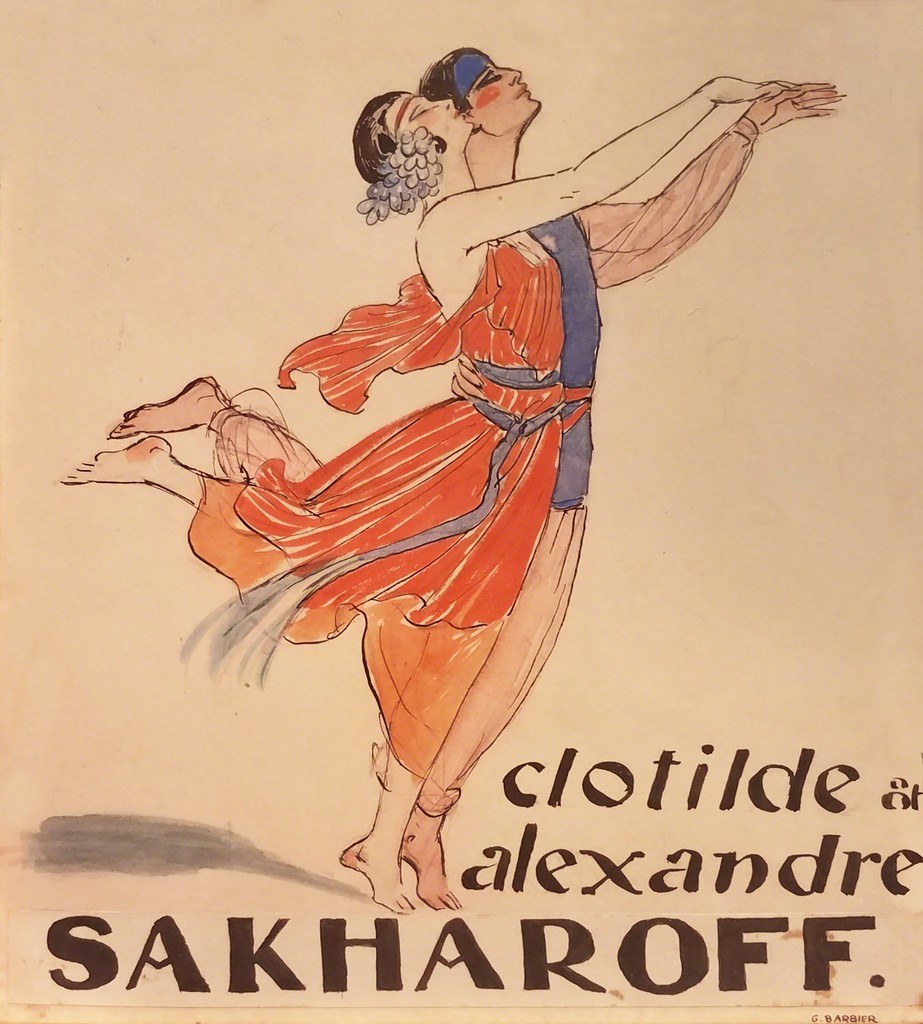
Sakharoffs les (2)
George Barbier · 1921
Public Domain
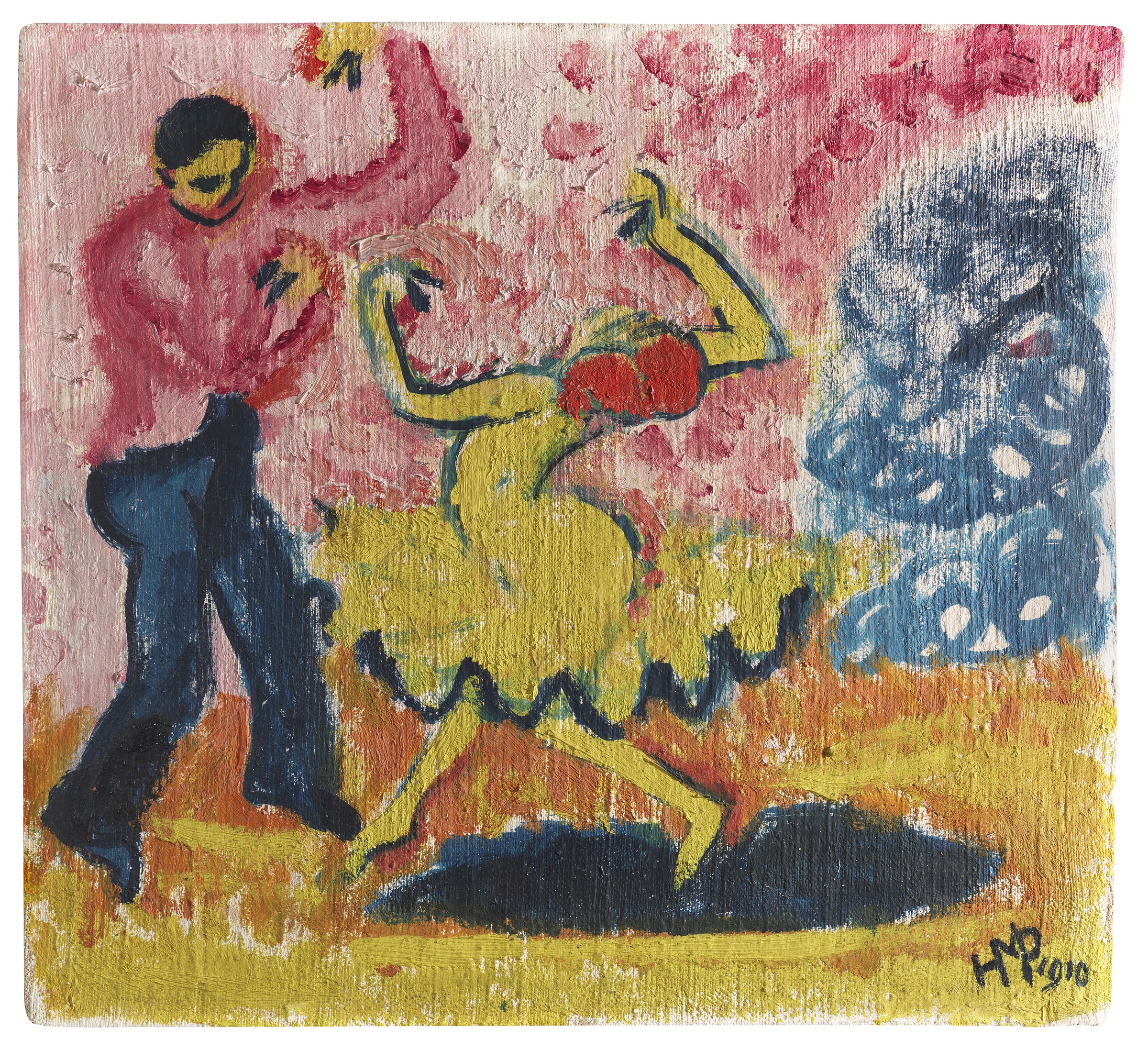
Max Pechstein Tänzer 1910
Max Pechstein · 1910
Public Domain
Continue Exploring
Lineage of Dance
500 years of dance evolution
Champions of Dance
Winners of marquee national & world titles
Language of Dance
161 dance terms & translations
Listening of Dance
Tempo, timing & musicality tools
Gallery of Dance
5,700+ artworks from museum collections
Attire of Dance
Evolution of dance dress across eras
Keep the thread going
Dance history, technique, and the occasional rabbit hole — in your inbox. Thoughtful, infrequent, unsubscribe anytime.
Free. No spam. One click to leave.