Sugar Sullivan
Legend of Dance
Why They Matter
Sugar Sullivan matters because her career defeats the convenient story that Lindy Hop vanished and was later recovered without continuity. Her record runs from postwar Savoy social dancing through competition, touring, community mentorship, revival-era exchange, and contemporary teaching. The throug
Styles Sugar Sullivan shaped
Each one links to the style’s own page — its origins, music, tempo and video.
Watch
ILHC 2020 – LED Session: Sugar Sullivan
International Lindy Hop Championships
Sullivan’s own testimony provides essential first-person context for the biography
1955 Harvest Moon Ball Jitterbug Champion, Ruth Sugar Sullivan & George Sullivan
International Lindy Hop Championships Legacy Series
The surviving record directly documents the couple’s championship dancing
Biography
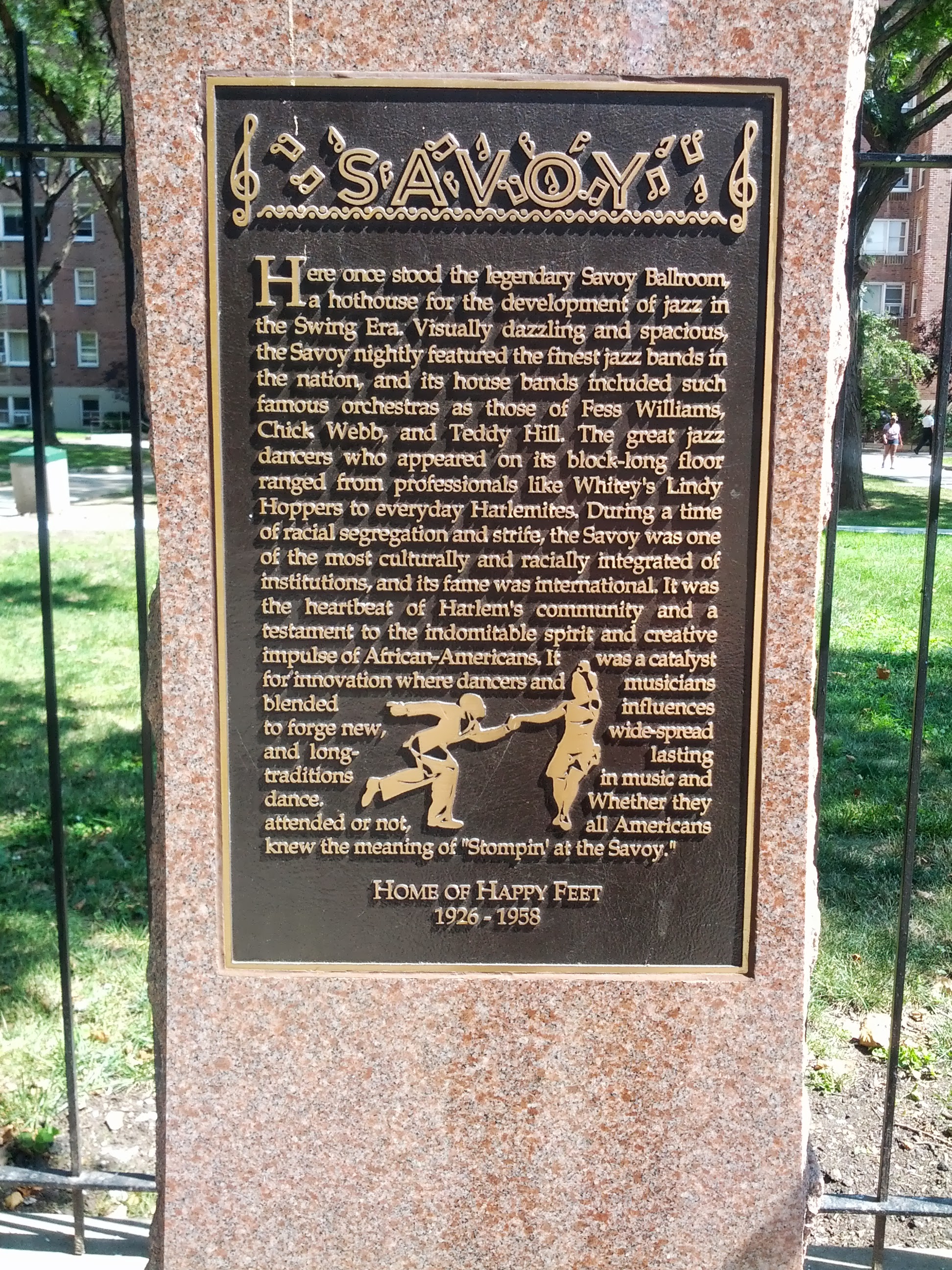
Ruth "Sugar" Sullivan, born in April 1930 in Harlem, New York, is a Lindy Hop dancer and cultural preservationist whose career spans from the postwar Savoy Ballroom era to the contemporary international revival. Sullivan grew up in a family connected to social dancing and began frequenting the Savoy Ballroom in the late 1940s, where she learned from mentors including James "Blue" Outlaw and Candy Carter. She danced alongside established figures such as Frankie Manning and Al Minns, absorbing the style and social practices of a living community rather than following a codified syllabus.
Sullivan's early competitive record developed through the Harvest Moon Ball. She entered the 1950 contest with Willie Posey, and in 1951 planned to compete with Big Nick Nicholson before an injury interrupted that attempt. These episodes reveal a career built through repeated participation and shifting partnerships. In 1955, Sullivan and her then-husband George Sullivan won the Harvest Moon Ball's Lindy Hop division—a victory preserved in archival footage and documented by the Frankie Manning Foundation, anchoring her historical standing in verifiable competition.
Her performing life continued well beyond the ballroom era often treated as Lindy Hop's golden age. In the early 1960s, Sullivan joined Sonny Allen and the Rockets, touring the United States and Canada into the first half of the 1970s. She performed with groups including the Original Jazz Dancers, the Harlem Blues and Jazz Band, Cab Calloway's Hi-De-Ho Orchestra, and Panama Francis and his Savoy Sultans. During these decades she also mentored younger Harvest Moon Ball competitors in the community around Mama Lu Parks.
By the 1980s, Sullivan remained actively performing and increasingly became a vital bridge to the emerging Lindy Hop revival. She partnered with Al Minns in 1982–83 and continued working with Sonny Allen while engaging with dancers seeking direct knowledge of Savoy practices. Her connection with the London Jiving Lindy Hoppers and her appearance at a London festival in 1998 marked her integration into the international revival community.
In the twenty-first century, Sullivan has remained visible as a guest, teacher, and oral historian. The International Lindy Hop Championships' Legacy Series presents a session devoted to her testimony. Current event pages continue to describe her as a living legend whose classes and appearances transmit more than steps: they carry social history, naming practices, musical values, and memories of how dancers learned from one another.
Career Highlights
Sullivan began frequenting the Savoy Ballroom and learned from dancers including Blue Outlaw and Candy Carter. Harri Heinilä Harri Heinilä
She entered the Harvest Moon Ball with Willie Posey. Harri Heinilä Harri Heinilä
A planned Harvest Moon Ball appearance with Big Nick Nicholson was interrupted by injury. Harri Heinilä Harri Heinilä
Ruth “Sugar” Sullivan and George Sullivan won the Harvest Moon Ball Lindy Hop division. Frankie Manning Foundation; International Lindy Hop Championships Frankie Manning Foundation
Sullivan joined Sonny Allen and the Rockets. Harri Heinilä Harri Heinilä
She toured the United States and Canada with the company. Harri Heinilä Harri Heinilä
Sullivan performed in partnership with Al Minns. Harri Heinilä Harri Heinilä
She appeared at a London festival as part of her engagement with the international revival community. Harri Heinilä Harri Heinilä
The International Lindy Hop Championships presented a Legacy Series session centered on Sullivan’s oral history. International Lindy Hop Championships International Lindy Hop Championships
Current event organizations continued to list Sullivan as a living legend and teacher connected to international classes. Swingin’ at the Savoy; JiveSwing Swingin’ at the Savoy
Gallery
Legacy & Impact
Sugar Sullivan demonstrates that Lindy Hop survived through continuous cultural transmission rather than recovery after disappearance. Her record runs from postwar Savoy social dancing through competition, touring, community mentorship, revival-era exchange, and contemporary teaching. Sullivan carries irreplaceable knowledge of partners, places, floor customs, music, and community relationships that archival footage alone cannot convey. For dancers now, her presence affirms that the tradition is living practice, not historical artifact, and that generational knowledge passes through sustained partnership and teaching.


Explore More Legends
Discover the dancers, teachers, choreographers, and cultural icons who shaped how the world moves.
Keep the thread going
Dance history, technique, and the occasional rabbit hole — in your inbox. Thoughtful, infrequent, unsubscribe anytime.
Free. No spam. One click to leave.