History & Cultural Context
Bon Odori is a communal folk dance performed throughout Japan during the Obon festival, a Buddhist observance honoring the spirits of deceased ancestors that typically falls in mid-August. The dance represents one of the most widespread participatory dance traditions in the world, with regional variations numbering in the hundreds across Japanese prefectures.
Dancers form circles around a raised wooden platform (yagura) where musicians play taiko drums, shamisen, and fue flutes while singers perform folk songs specific to the local region. The choreography is deliberately simple enough for anyone to learn by watching: repetitive sequences of arm gestures, steps, and turns that cycle as the music continues. Each region has developed its own distinctive variations — Gujo Odori in Gifu Prefecture features dances that continue through the night for over thirty consecutive evenings, while Awa Odori in Tokushima involves more spirited, processional movement. Bon Odori serves as a powerful vehicle for community cohesion, bringing together people of all ages in shared movement.
Bon Odori Playlists
Curated collections on the LODance YouTube channel — performances to watch, lessons to learn from, and the right music to practice with. Tap a collection to play.
▶ Performances · Open on YouTube →
Bon Odori Music & Tempo
Drawn from 18 Bon Odori tracks in the LODance music library.
Example tracks at practice tempo
- 阿波踊り(徳島県) — 斉藤京子
- 相川音頭(新潟県) — 古村貞彦
- 八木節 〜国定忠治〜(群馬県) — 板橋勘三郎
- 河内音頭(大阪府) — 初音家康博
- 花笠音頭(山形県) — 菊地恵子
- 白浜音頭(千葉県) — 京極加津恵
Legends of Bon Odori
Dancers, choreographers and teachers whose work shaped this style.
What to Wear
Attire guidance for Bon Odori and other Global East Asian Classical & Modern dances. Each card below is sized to the moment — class, practice, social, or competition — because the wardrobe shifts as the stakes do.
Reading the cards
In Class
Varies by tradition. Chinese classical: flowing practice pants and tops. Japanese forms may require specific practice kimono or comfortable modern wear.
Social Dancing
Traditional attire for cultural events and performances. Modern fusion styles accept contemporary dancewear.
Competition
Full traditional costume: Chinese classical uses flowing silk costumes with long sleeves (water sleeves); Japanese dance uses kimono or stylized versions.
Shoes
Chinese classical: soft-soled dance shoes or bare feet. Japanese traditional: tabi (split-toe socks) or bare feet. Modern fusion: flexible dance shoes.
In Practice
Water-sleeve practice tops are standard for Chinese classical training; the sleeves are technical equipment, not decoration.
Price Range
- Budget: Practice clothing from existing wardrobe; tabi $20–50.
- Mid: Practice water-sleeve top $80–250; performance kimono pieces $200–1,000.
- Premium: Authentic silk performance costumes with hand embroidery $1,500–8,000+.
Key Terms
- Water sleeves
- Long extended sleeves used in Chinese classical dance — choreography manipulates them as an extension of the arms.
- Tabi
- Japanese split-toe socks worn for traditional Japanese dance forms.
Quick Tips
- •Suede-soled shoes allow controlled sliding and pivoting — essential for most partner dances.
- •Avoid rubber soles on dance floors; they grip too much and can cause knee injuries.
- •Bring a separate pair of clean shoes for the dance floor to keep it in good condition.
Sources & Further Reading
Cultural & Historical Context
Bon Odori emerged from Japan during the 1450s—present day. Understanding the cultural roots, musical traditions, and social circumstances of this era enriches appreciation for the dance's characteristics and significance.
Primary Source Documents
The Library of Dance contains public-domain primary sources for dance history. Copyrighted modern syllabi are indexed with purchase links to their respective copyright owners. Search by dance name or codifier to discover primary source documents.
Last reviewed: September 2026 — This dance profile synthesizes historical research, cultural documentation, and contemporary practice knowledge to provide authoritative context.
More in Global East Asian Classical & Modern
Butoh
Contemporary avant-garde dance created in reaction to Western ballet; emphasizes squat physique and earthbound movements.
Buyō (Nihon Buyo)
Classical Japanese dance tradition combining movement with dramatic expression.
Kabuki Dance
Vibrant theatrical dance with bold, exaggerated movements; part of Kabuki theatre depicting romance, revenge, and common struggles.
Noh Mai
Subtle, controlled classical dance emphasizing restraint; performed in intricate masks and costumes depicting heroism and spirituality.
Kumi Odori
Okinawan traditional dance with graceful movements; recognized as Important Intangible Cultural Property.
Yosakoi
Modern Japanese festival dance inspired by the Awa Odori tradition of neighboring Tokushima and set to contemporary music; performed with naruko (wooden clappers).
Dragon Dance
Team manipulation of long decorated dragon symbolizing strength and prosperity; performed during festivals.
Lion Dance
Southern China: guardian against evil spirits; Northern China: acrobatic depiction of lion's ferocity and agility.
Yangge
Folk dance of northern China rooted in agricultural ritual; performed at the Spring Festival and Lantern Festival.
Dunhuang Dance
Classical dance form inspired by Dunhuang cave paintings; features fluid movements and silk ribbon movements.
Lantern Dance
Southern Chinese folk dance performed with lantern props during festivals.
Errenzhuan
Northeast Chinese dance-drama tradition with theatrical elements.
Seungmu
Solo classical dance performed in monk robes; expresses spiritual seeking through dynamic turning and spinning.
Taepyeongmu
Graceful classical court dance originally performed for the king; features slow, flowing movements.
Buchaechum (Fan Dance)
Contemporary classical dance using large colorful fans to create wave and wave patterns.
Geommu (Sword Dance)
Martial dance performed by warriors with sword props; demonstrates strength and technical skill.
Cheoyongmu
Classical court dance originally performed to ward off evil; features five dancers with distinct roles.
Global East Asian Classical & Modern in art
Browse the gallery →Works from the wider Global East Asian Classical & Modern tradition — we have not yet identified enough that depict Bon Odori specifically.
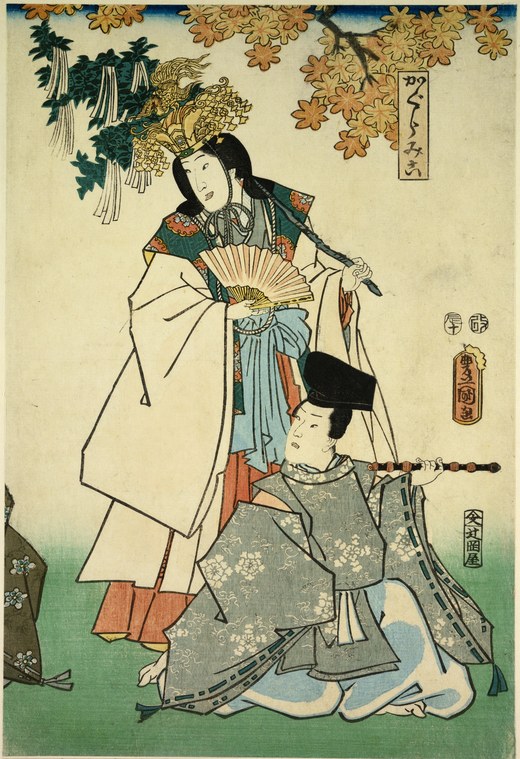
A kagura dance
Unknown artist · 2019
public_domain
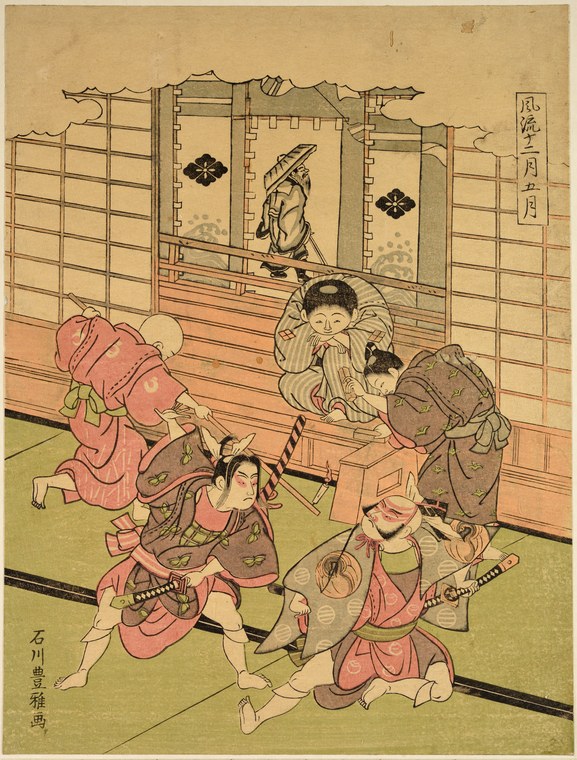
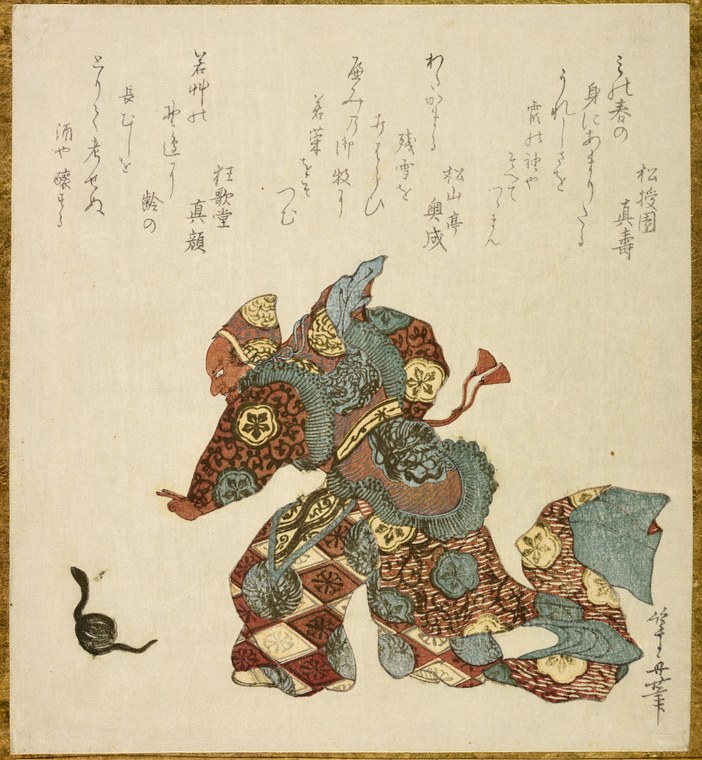
No dance
Unknown artist · 2019
public_domain
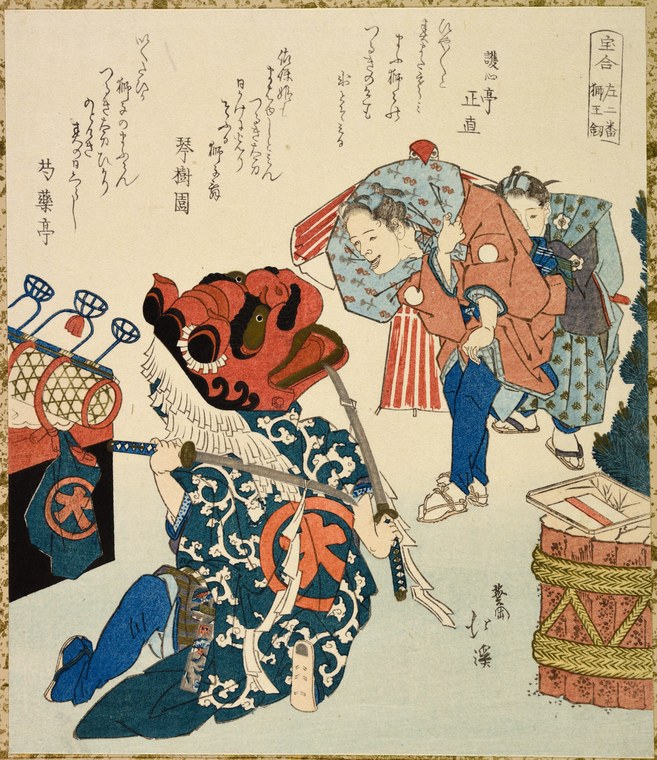
Dance of shishi (lion dance)
Unknown artist · 2019
public_domain
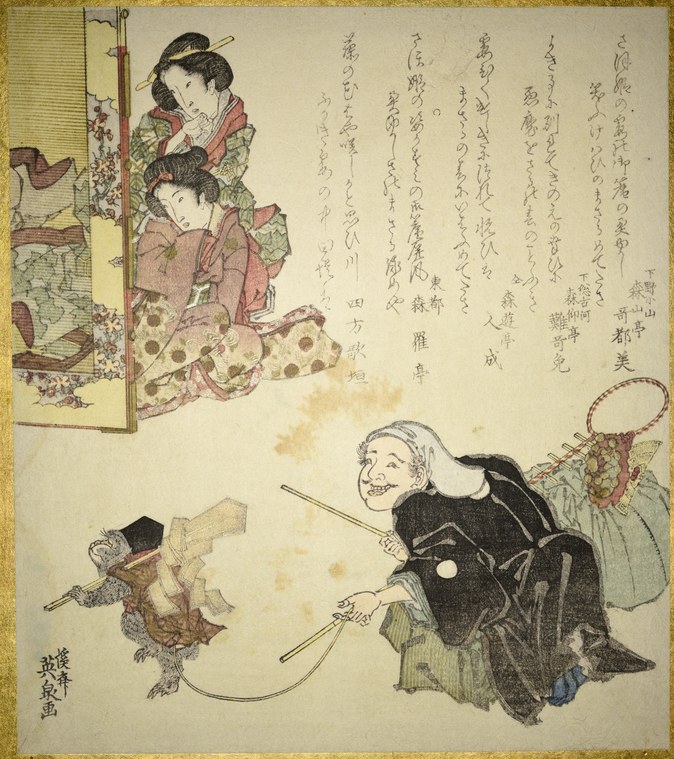
Sarumawashi dance
Unknown artist · 2019
public_domain
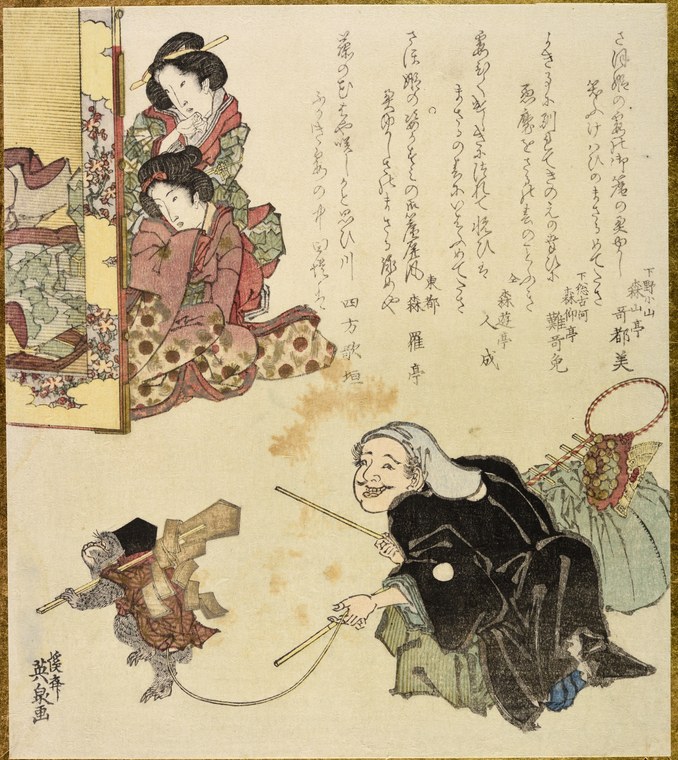
Sarumawashi dance
Unknown artist · 2019
public_domain
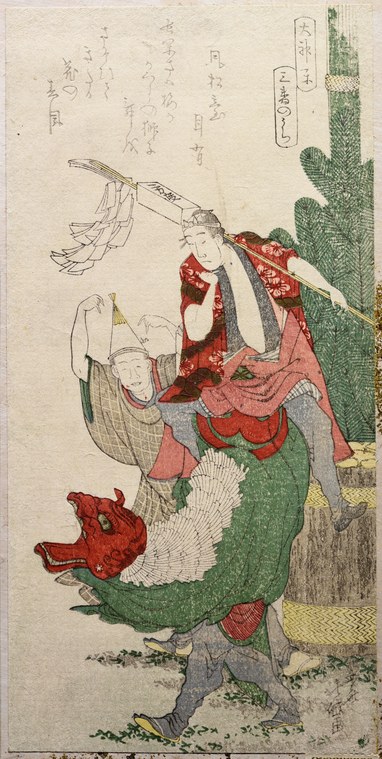
The Daikagura dance
Unknown artist · 2019
public_domain
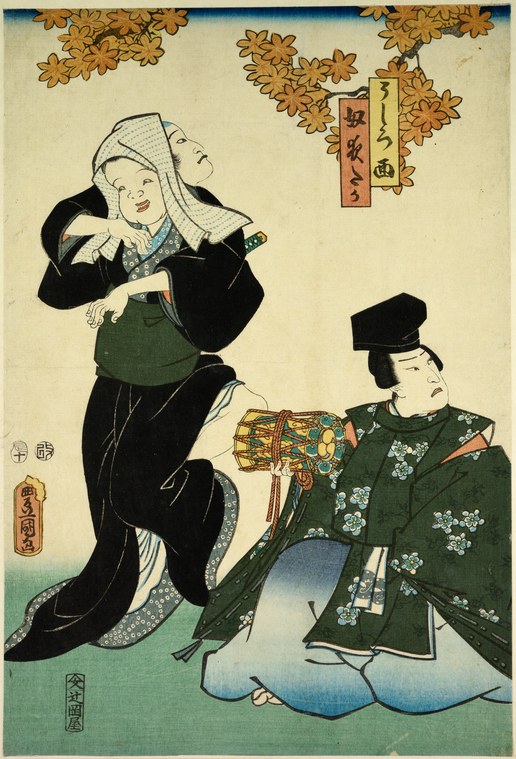
A kagura dance
Unknown artist
public_domain
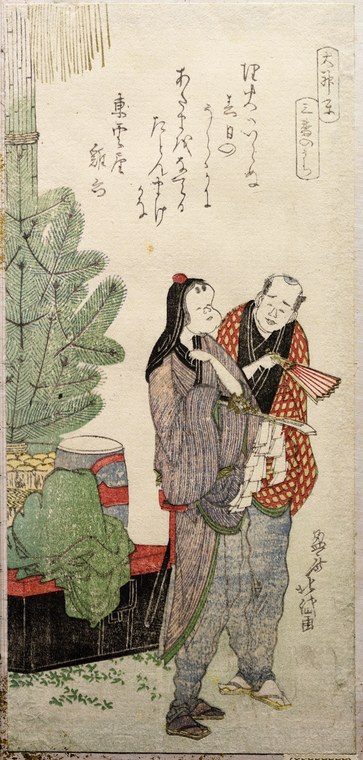
The Daikagura dance
Unknown artist · 2019
public_domain
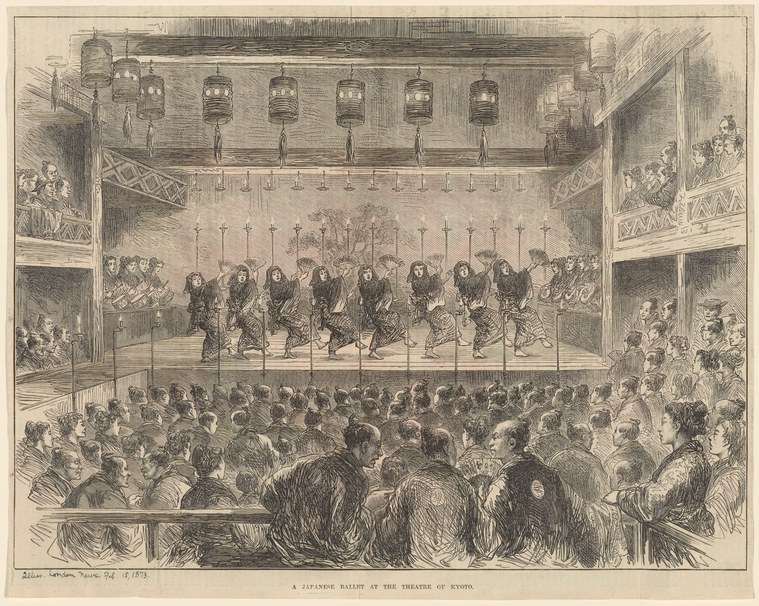
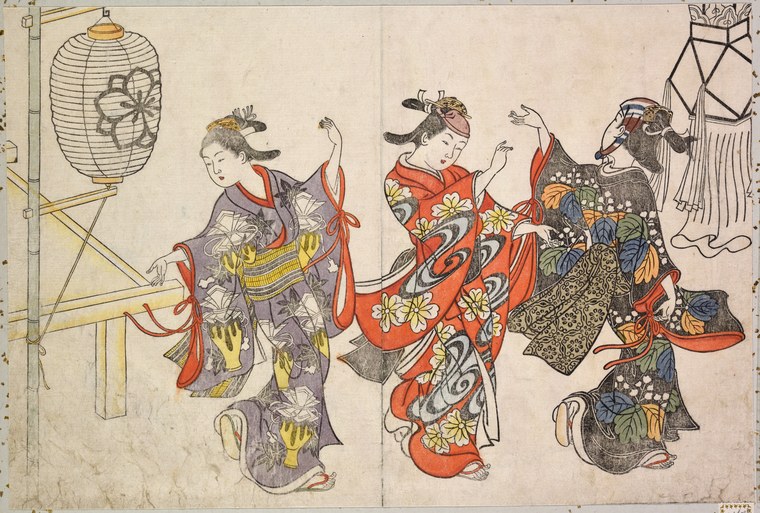
Bon dance
Unknown artist · 2019
public_domain
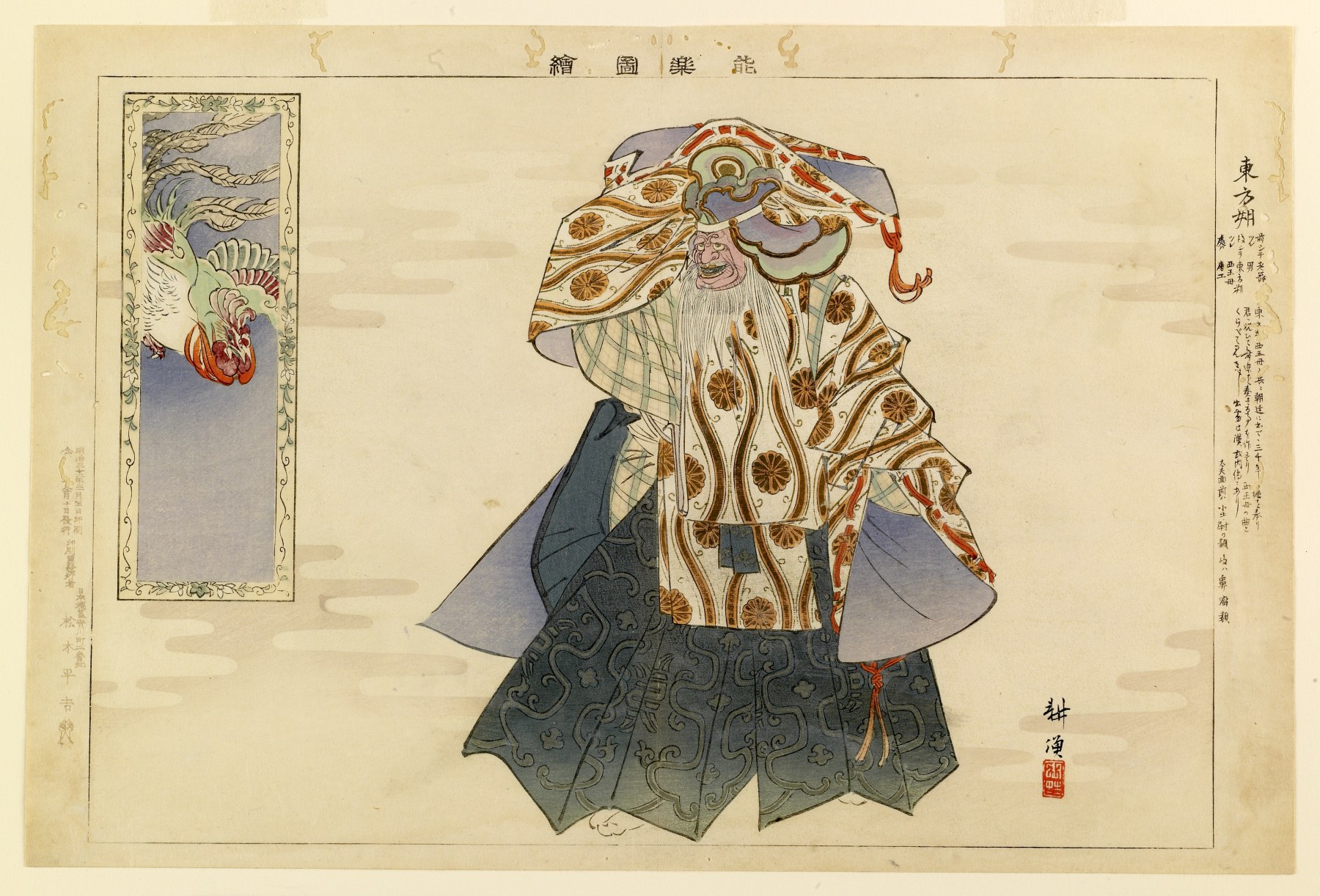
Continue Exploring
Lineage of Dance
500 years of dance evolution
Champions of Dance
Winners of marquee national & world titles
Language of Dance
161 dance terms & translations
Listening of Dance
Tempo, timing & musicality tools
Gallery of Dance
5,700+ artworks from museum collections
Attire of Dance
Evolution of dance dress across eras
Keep the thread going
Dance history, technique, and the occasional rabbit hole — in your inbox. Thoughtful, infrequent, unsubscribe anytime.
Free. No spam. One click to leave.