History & Cultural Context
Seungmu ("monk's dance") is a Korean solo dance performed in the costume of a Buddhist monk. It is held as South Korea's Important Intangible Cultural Property No. 27 [1][2].
Origins. Nobody knows how Seungmu began, and the sources give competing accounts [1]. Some tie it to the monk Wonhyo. Some read it as a parody of upper-class priests repeating gestures during teaching. Others derive it from the beopgo (dharma drum) dance of Buddhist ritual [1]. A popular legend credits the courtesan (gisaeng) Hwang Jin-i, said to have danced it to seduce the priest Jijok-seonsa [2]. The Korea Times dates its origins to "about 500 years" ago [2], and Wikipedia says it gained popularity in the sixteenth century [1]. Neither claim cites a primary document. Two modern dates rest on a 2019 study by Lee Yeounsuk (Hitotsubashi Journal of Arts & Sciences 60(1)), as reported by Wikipedia [1]: in 1936 Han Seong-jun refashioned the dance from street art into stage art, and a 1968 report by Kim Cheon-heung and Hong Yun-sik found that it had no connection to Buddhist temples.
The dance itself. The dancer wears a long-sleeved robe (jangsam), a white hood (gokkal; the Korea Times describes a conical hat) and a red sash [1][2]. Long white sleeves extend the arms, and their flares carry much of the expression [1]. The dance begins crouched low and opens outward. Long held stillnesses alternate with sudden release, which a 2010 Korea Times profile describes as a "harmony of motionlessness, dynamism and subtlety" [2]. The dance includes a passage on the beopgo (dharma drum), which Wikipedia calls "the most important part of Seungmu" [1]. Practitioners describe the dance as a form of seon (Zen) meditation [2].
Music. The dancer moves through a sequence of jangdan (rhythmic cycles), changing step at each change of cycle. The cycles include yeombul, taryeong, jajin taryeong and gutgeori [1]. Wikipedia states that the dance and its rhythms were improvised in regional forms until the 1930s [1].
People. Lee Mae-bang (Yi Mae-bang) was recognized as holder for both No. 27 (Seungmu) and No. 97 (Salpuri) and died in 2015 [1]. Han Yeong-suk was recognized as a master of Korean dance including Seungmu from 1969 [1]. Wikipedia lists Kim Myo-seon and Kim Myung-ja as assistant masters [1]. In 2010 the Korea Times interviewed Jung Je-man as a Seungmu master [2] and profiled Chae Sang-muk, a student of Lee Mae-bang, who performed Seungmu to Western music at the LG Arts Center [3].
Today. The Korea Times notes that the dance has been passed down as one performed at Buddhist ceremonies. The Seungmu usually seen today, however, is a staged concert work with strong theatrical elements, which the writer argues is "more a folk dance rather than a Buddhist ritual" [2].
Uncertainties. The year of designation is given as 1969 [1] and as 1968 [2]. The Lee Yeounsuk study was not read directly, so the 1936 and 1968 claims come second-hand. Wikipedia's claim that the dance was prohibited under the Joseon dynasty carries no citation and is omitted here. The full order of rhythmic cycles differs between Wikipedia's own list and its narrative, so only the cycles both name are given above. No tempo figures are given, because no source read gives one.
Sources: [1] "Seungmu", Wikipedia (citing Lee Yeounsuk 2019, Hitotsubashi Journal of Arts & Sciences 60(1)). https://en.wikipedia.org/wiki/Seungmu [2] Lee Hyo-won, "Seungmu: Seon meditation through dance", The Korea Times, 22 July 2010. https://www.koreatimes.co.kr/amp/lifestyle/others/20100722/seungmu-seon-meditation-through-dance [3] Han Sang-hee, "Traditional and Modern Dancers Create Tune", The Korea Times, 29 March 2010. https://www.koreatimes.co.kr/amp/lifestyle/arts-theater/20100329/traditional-and-modern-dancers-create-tune
Seungmu Playlists
Curated collections on the LODance YouTube channel — performances to watch, lessons to learn from, and the right music to practice with. Tap a collection to play.
▶ Practice Music · Open on YouTube →
Seungmu Music & Tempo
Drawn from 20 Seungmu tracks in the LODance music library.
Example tracks at practice tempo
- Daepungnyu - Gutgeori — Oh NamYeong
- Daepungnyu - Jung heoteun taryeong — Oh NamYeong
- Daepungnyu - Neurin heoteun taryeong — Oh NamYeong
- Daepungnyu - Jajin heoteun taryeong — Oh NamYeong
- Jajin Heotteun Taryeong — Yeokang
- Daepungnyu - Samhyeon taryeong — Oh NamYeong
What to Wear
Attire guidance for Seungmu and other Global East Asian Classical & Modern dances. Each card below is sized to the moment — class, practice, social, or competition — because the wardrobe shifts as the stakes do.
Reading the cards
In Class
Varies by tradition. Chinese classical: flowing practice pants and tops. Japanese forms may require specific practice kimono or comfortable modern wear.
Social Dancing
Traditional attire for cultural events and performances. Modern fusion styles accept contemporary dancewear.
Competition
Full traditional costume: Chinese classical uses flowing silk costumes with long sleeves (water sleeves); Japanese dance uses kimono or stylized versions.
Shoes
Chinese classical: soft-soled dance shoes or bare feet. Japanese traditional: tabi (split-toe socks) or bare feet. Modern fusion: flexible dance shoes.
In Practice
Water-sleeve practice tops are standard for Chinese classical training; the sleeves are technical equipment, not decoration.
Price Range
- Budget: Practice clothing from existing wardrobe; tabi $20–50.
- Mid: Practice water-sleeve top $80–250; performance kimono pieces $200–1,000.
- Premium: Authentic silk performance costumes with hand embroidery $1,500–8,000+.
Key Terms
- Water sleeves
- Long extended sleeves used in Chinese classical dance — choreography manipulates them as an extension of the arms.
- Tabi
- Japanese split-toe socks worn for traditional Japanese dance forms.
Quick Tips
- •Suede-soled shoes allow controlled sliding and pivoting — essential for most partner dances.
- •Avoid rubber soles on dance floors; they grip too much and can cause knee injuries.
- •Bring a separate pair of clean shoes for the dance floor to keep it in good condition.
Sources & Further Reading
Cultural & Historical Context
Seungmu emerged from South Korea. Understanding the cultural roots, musical traditions, and social circumstances of this era enriches appreciation for the dance's characteristics and significance.
Primary Source Documents
The Library of Dance contains public-domain primary sources for dance history. Copyrighted modern syllabi are indexed with purchase links to their respective copyright owners. Search by dance name or codifier to discover primary source documents.
Last reviewed: November 2026 — This dance profile synthesizes historical research, cultural documentation, and contemporary practice knowledge to provide authoritative context.
More in Global East Asian Classical & Modern
Butoh
Contemporary avant-garde dance created in reaction to Western ballet; emphasizes squat physique and earthbound movements.
Bon Odori
Folk dance performed during Obon festival to honor ancestors' spirits; danced in circles around a tower stage (yagura).
Buyō (Nihon Buyo)
Classical Japanese dance tradition combining movement with dramatic expression.
Kabuki Dance
Vibrant theatrical dance with bold, exaggerated movements; part of Kabuki theatre depicting romance, revenge, and common struggles.
Noh Mai
Subtle, controlled classical dance emphasizing restraint; performed in intricate masks and costumes depicting heroism and spirituality.
Kumi Odori
Okinawan traditional dance with graceful movements; recognized as Important Intangible Cultural Property.
Yosakoi
Modern Japanese festival dance inspired by the Awa Odori tradition of neighboring Tokushima and set to contemporary music; performed with naruko (wooden clappers).
Dragon Dance
Team manipulation of long decorated dragon symbolizing strength and prosperity; performed during festivals.
Lion Dance
Southern China: guardian against evil spirits; Northern China: acrobatic depiction of lion's ferocity and agility.
Yangge
Folk dance of northern China rooted in agricultural ritual; performed at the Spring Festival and Lantern Festival.
Dunhuang Dance
Classical dance form inspired by Dunhuang cave paintings; features fluid movements and silk ribbon movements.
Lantern Dance
Southern Chinese folk dance performed with lantern props during festivals.
Errenzhuan
Northeast Chinese dance-drama tradition with theatrical elements.
Taepyeongmu
Graceful classical court dance originally performed for the king; features slow, flowing movements.
Buchaechum (Fan Dance)
Contemporary classical dance using large colorful fans to create wave and wave patterns.
Geommu (Sword Dance)
Martial dance performed by warriors with sword props; demonstrates strength and technical skill.
Cheoyongmu
Classical court dance originally performed to ward off evil; features five dancers with distinct roles.
Global East Asian Classical & Modern in art
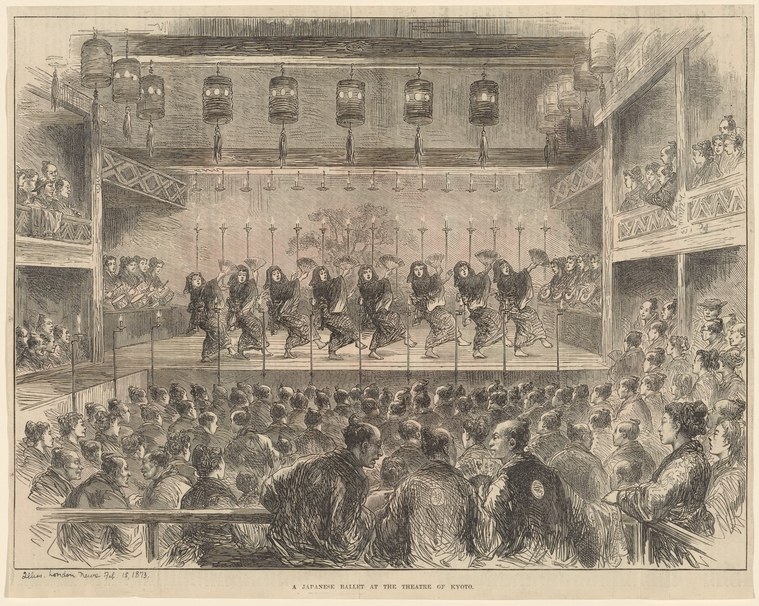
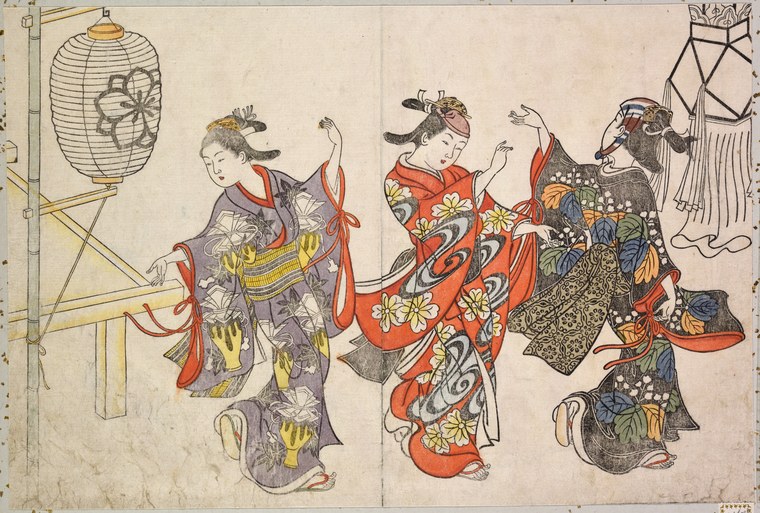
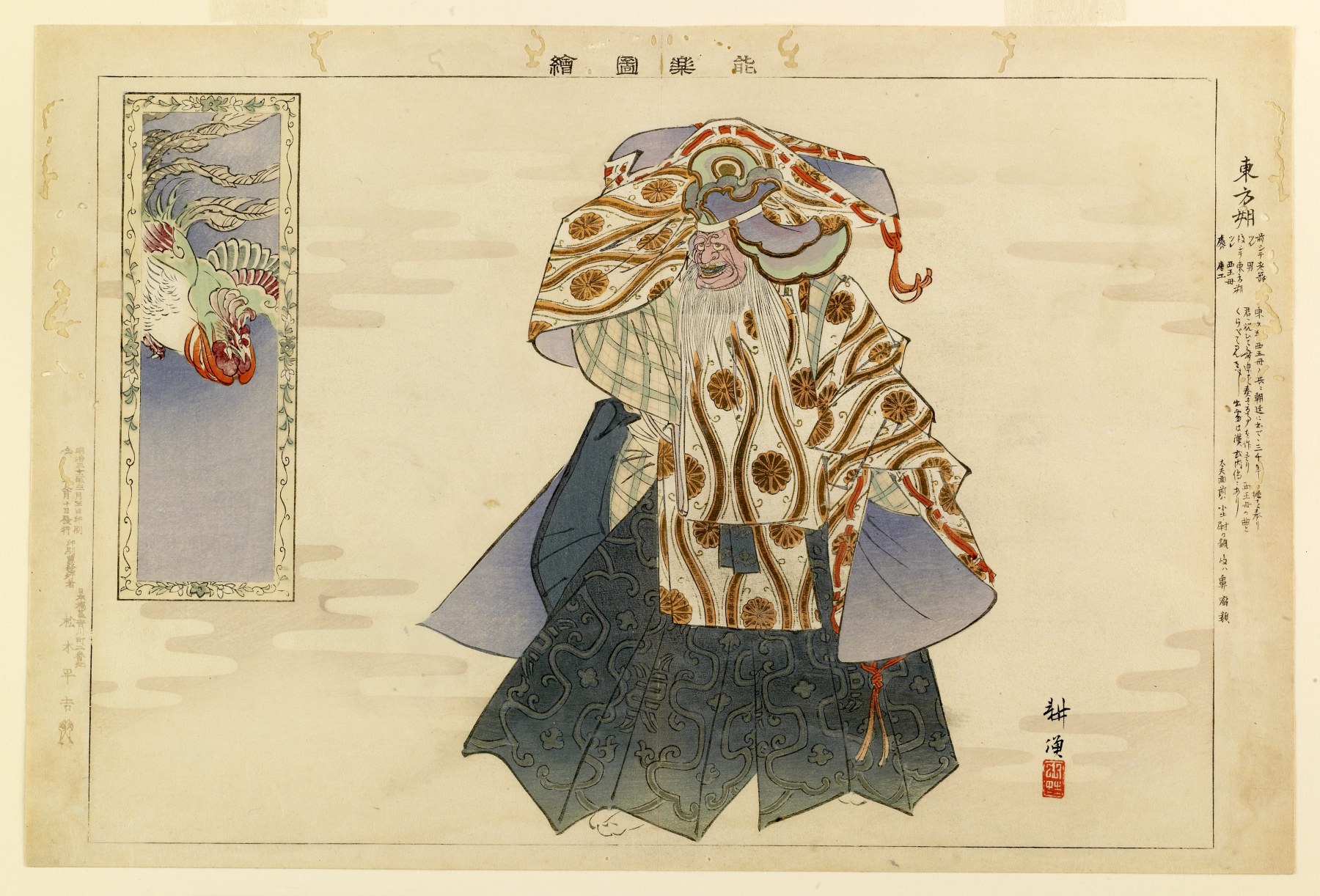
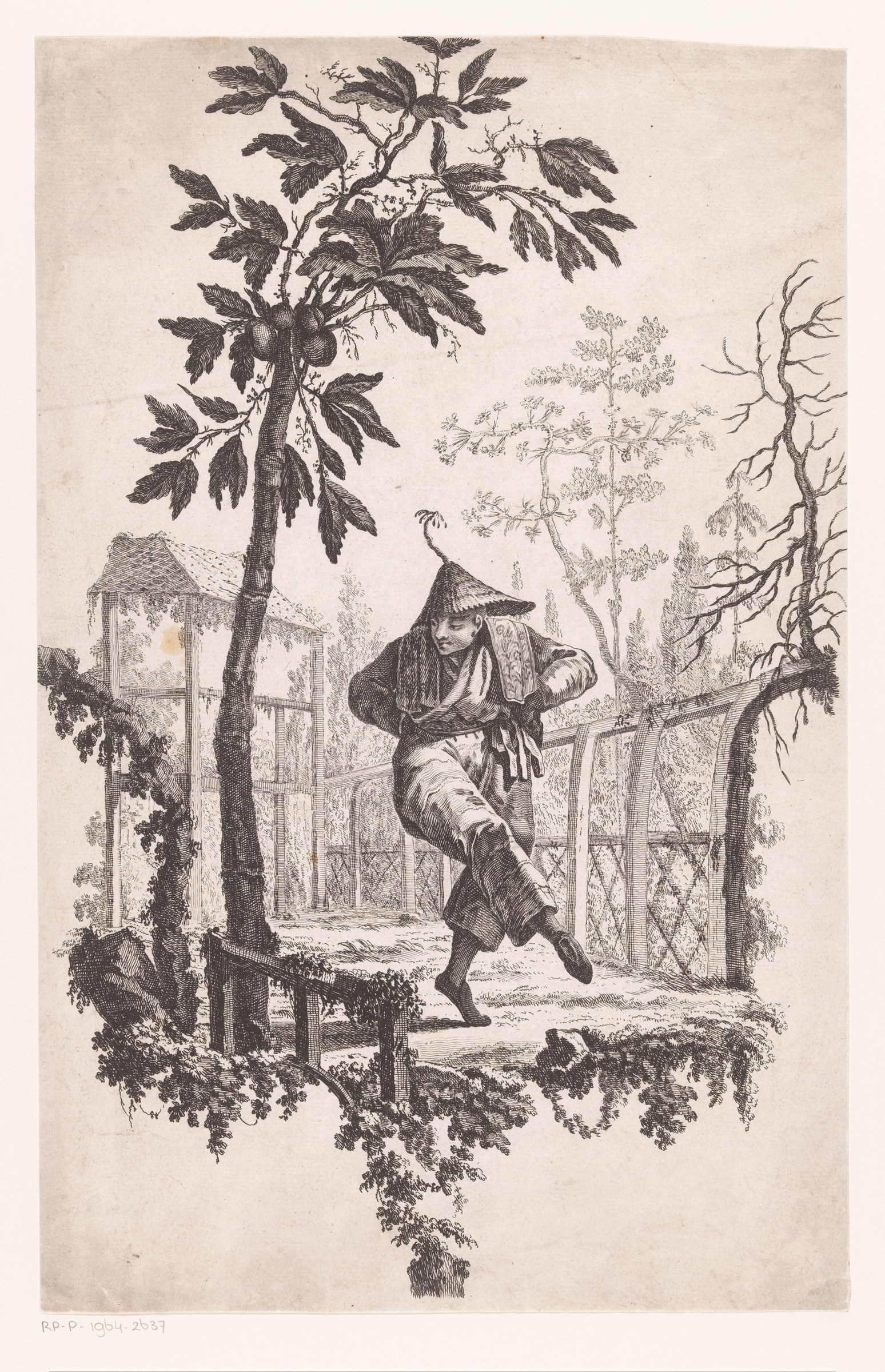
Browse the gallery →Works from the wider Global East Asian Classical & Modern tradition — we have not yet identified enough that depict Seungmu specifically.
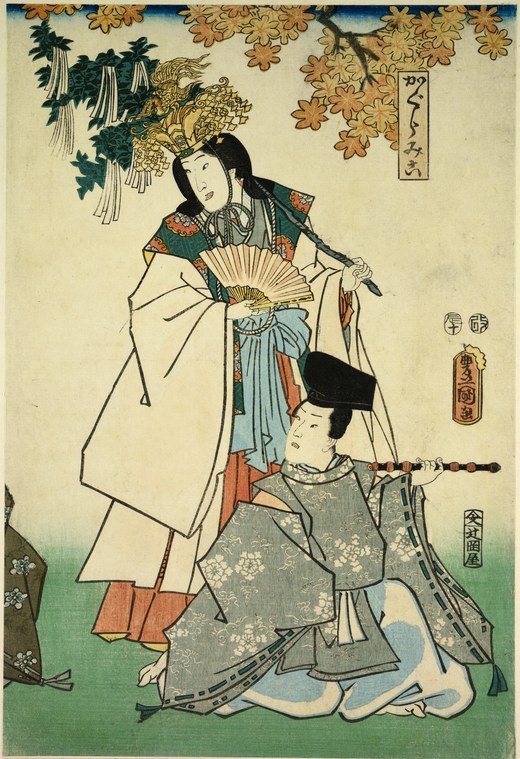
A kagura dance
Unknown artist
public_domain
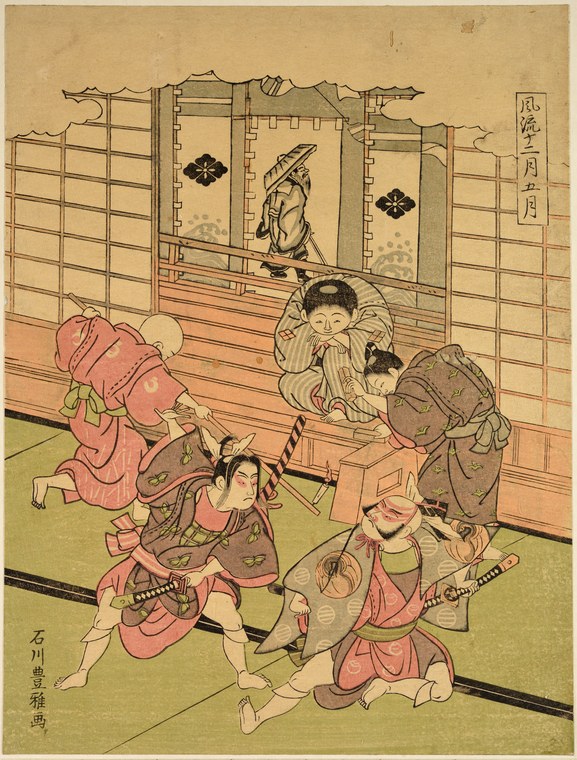
Four boys taking part in an amateur theatrical performance and a fifth seated in the veranda lookin
Unknown artist
public_domain
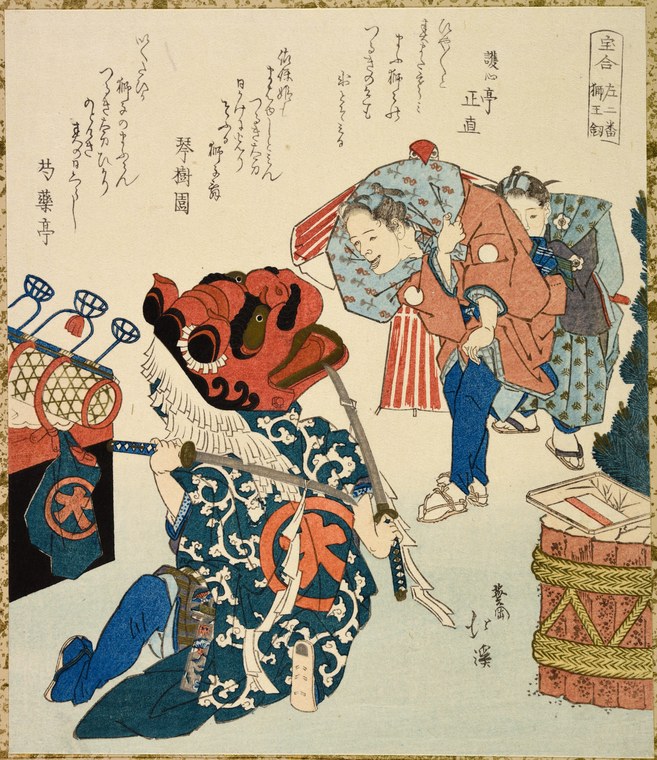
Dance of shishi (lion dance)
Unknown artist
public_domain
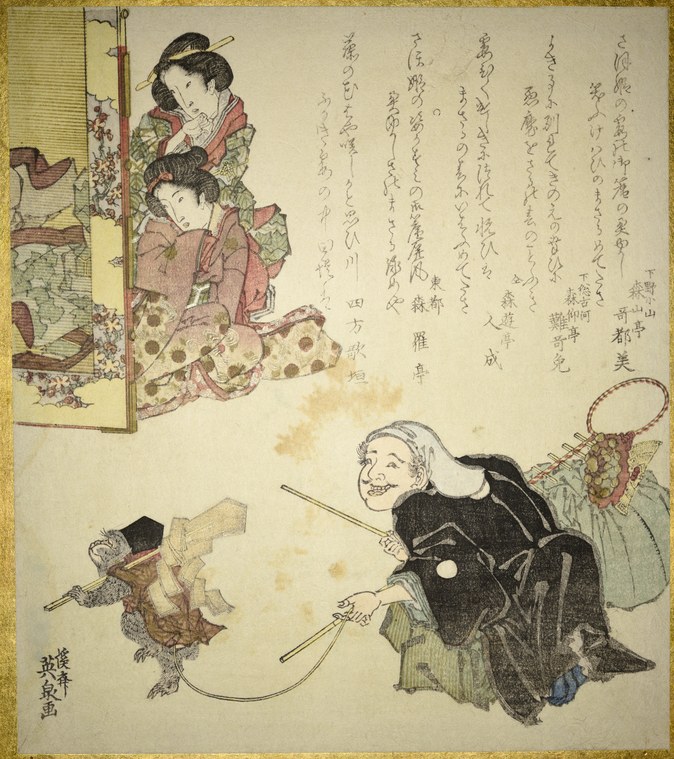
Sarumawashi dance
Unknown artist
public_domain
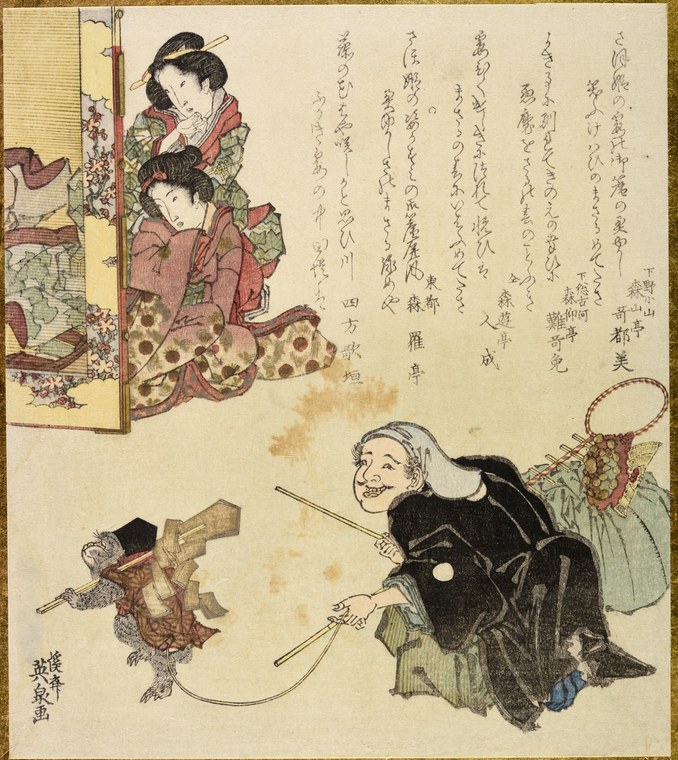
Sarumawashi dance
Unknown artist
public_domain
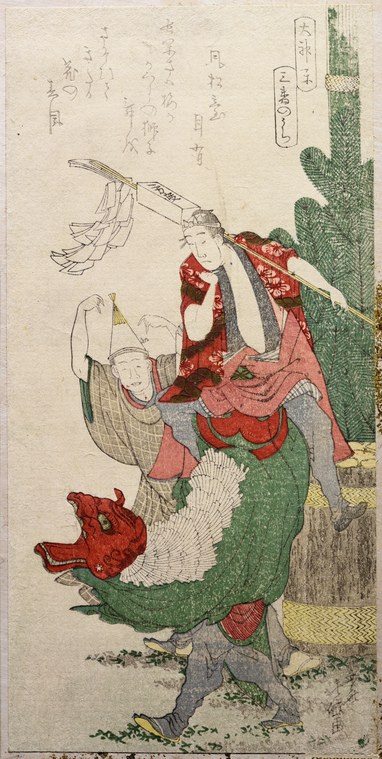
The Daikagura dance
Unknown artist
public_domain
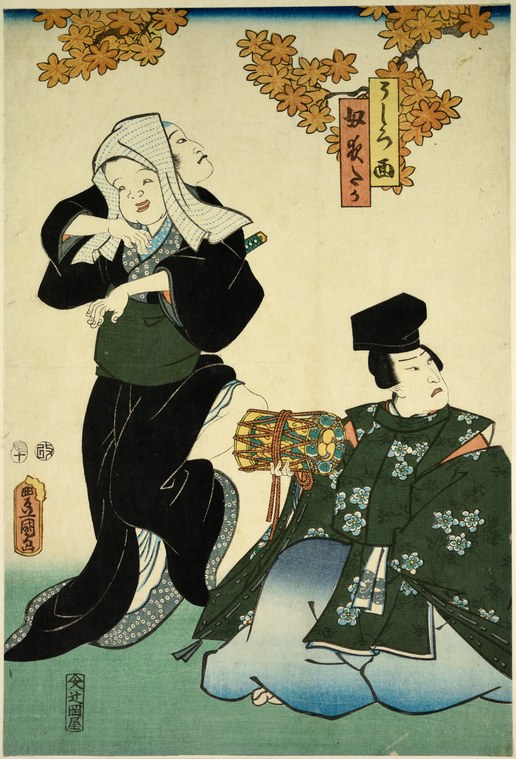
A kagura dance
Unknown artist
public_domain
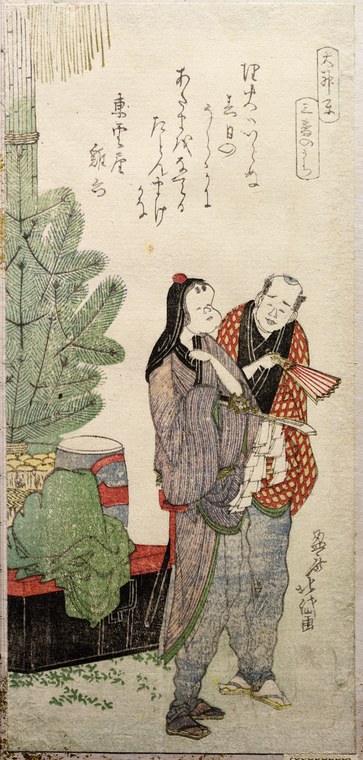
The Daikagura dance
Unknown artist
public_domain
Bon dance
Unknown artist
public_domain
Continue Exploring
Lineage of Dance
500 years of dance evolution
Champions of Dance
Winners of marquee national & world titles
Language of Dance
161 dance terms & translations
Listening of Dance
Tempo, timing & musicality tools
Gallery of Dance
5,700+ artworks from museum collections
Attire of Dance
Evolution of dance dress across eras
Keep the thread going
Dance history, technique, and the occasional rabbit hole — in your inbox. Thoughtful, infrequent, unsubscribe anytime.
Free. No spam. One click to leave.