History & Cultural Context
Kumi Odori is the classical dance-drama of Okinawa, created in 1719 by the court official Tamagusuku Chokun to entertain Chinese envoys visiting the Ryukyu Kingdom. Distinct from mainland Japanese performing arts, it draws on Okinawan folk music, court dance, and Chinese theatrical traditions to create a form that reflects the unique cultural identity of the Ryukyu Islands.
Performances combine dance, dialogue, and music to tell stories drawn from Okinawan history, legend, and daily life, often centering on themes of loyalty, sacrifice, and the bittersweet nature of island existence. Movement vocabulary favors flowing, circular gestures and a grounded stance that differs from the vertical emphasis of mainland Japanese dance. Accompaniment features the sanshin (a three-stringed instrument ancestral to the mainland shamisen), drums, and the distinctive vocal style of Okinawan music. UNESCO inscribed Kumi Odori as an Intangible Cultural Heritage in 2010, recognizing its importance as a living tradition that embodies the cultural heritage of the Ryukyu Islands.
Kumi Odori Music & Tempo
Drawn from 15 Kumi Odori tracks in the LODance music library.
Example tracks at practice tempo
- 組踊「執心鐘入」 — 宮城能鳳; 嘉数世勲; 西江喜春; 玉城正治
- 組踊 執心鐘入 (玉城朝薫作) — 仲嶺伸吾; 花城英樹; 浦崎芳郎ほか (指導: 宮城能鳳)
- 組踊「女物狂」(子盗り) — 瀬底正憲; 具志堅夏樹; 宮城能鳳; 西江喜春; 玉城正治
- 組踊「手水の縁」 — 宮城能鳳; 瀬底正憲; 嘉数世勲; 西江喜春; 玉城正治
- 按司手事 組踊「二童敵討」より — 宮城能鳳; 城間徳太郎; 城間安子; 喜舎場盛勝
- 組踊「銘苅子」より — 宮城能鳳; 城間徳太郎; 城間安子
Who governs Kumi Odori
Federations, councils and examining bodies with a recorded role in this style. No single organisation can tell you this — each one knows only itself.
Kumi Odori on screen
Films and television where Kumi Odori appears, with the sequences worth watching for.
 This site uses TMDB and the TMDB APIs but is not endorsed, certified, or otherwise approved by TMDB.
What to Wear
Attire guidance for Kumi Odori and other Global East Asian Classical & Modern dances. Each card below is sized to the moment — class, practice, social, or competition — because the wardrobe shifts as the stakes do.
Reading the cards
In Class
Varies by tradition. Chinese classical: flowing practice pants and tops. Japanese forms may require specific practice kimono or comfortable modern wear.
Social Dancing
Traditional attire for cultural events and performances. Modern fusion styles accept contemporary dancewear.
Competition
Full traditional costume: Chinese classical uses flowing silk costumes with long sleeves (water sleeves); Japanese dance uses kimono or stylized versions.
Shoes
Chinese classical: soft-soled dance shoes or bare feet. Japanese traditional: tabi (split-toe socks) or bare feet. Modern fusion: flexible dance shoes.
In Practice
Water-sleeve practice tops are standard for Chinese classical training; the sleeves are technical equipment, not decoration.
Price Range
- Budget: Practice clothing from existing wardrobe; tabi $20–50.
- Mid: Practice water-sleeve top $80–250; performance kimono pieces $200–1,000.
- Premium: Authentic silk performance costumes with hand embroidery $1,500–8,000+.
Key Terms
- Water sleeves
- Long extended sleeves used in Chinese classical dance — choreography manipulates them as an extension of the arms.
- Tabi
- Japanese split-toe socks worn for traditional Japanese dance forms.
Quick Tips
- •Suede-soled shoes allow controlled sliding and pivoting — essential for most partner dances.
- •Avoid rubber soles on dance floors; they grip too much and can cause knee injuries.
- •Bring a separate pair of clean shoes for the dance floor to keep it in good condition.
Sources & Further Reading
Cultural & Historical Context
Kumi Odori emerged from Japan (Okinawa) during the 1650s—present day. Understanding the cultural roots, musical traditions, and social circumstances of this era enriches appreciation for the dance's characteristics and significance.
Primary Source Documents
The Library of Dance contains public-domain primary sources for dance history. Copyrighted modern syllabi are indexed with purchase links to their respective copyright owners. Search by dance name or codifier to discover primary source documents.
Last reviewed: October 2026 — This dance profile synthesizes historical research, cultural documentation, and contemporary practice knowledge to provide authoritative context.
More in Global East Asian Classical & Modern
Butoh
Contemporary avant-garde dance created in reaction to Western ballet; emphasizes squat physique and earthbound movements.
Bon Odori
Folk dance performed during Obon festival to honor ancestors' spirits; danced in circles around a tower stage (yagura).
Buyō (Nihon Buyo)
Classical Japanese dance tradition combining movement with dramatic expression.
Kabuki Dance
Vibrant theatrical dance with bold, exaggerated movements; part of Kabuki theatre depicting romance, revenge, and common struggles.
Noh Mai
Subtle, controlled classical dance emphasizing restraint; performed in intricate masks and costumes depicting heroism and spirituality.
Yosakoi
Modern Japanese festival dance inspired by the Awa Odori tradition of neighboring Tokushima and set to contemporary music; performed with naruko (wooden clappers).
Dragon Dance
Team manipulation of long decorated dragon symbolizing strength and prosperity; performed during festivals.
Lion Dance
Southern China: guardian against evil spirits; Northern China: acrobatic depiction of lion's ferocity and agility.
Yangge
Folk dance of northern China rooted in agricultural ritual; performed at the Spring Festival and Lantern Festival.
Dunhuang Dance
Classical dance form inspired by Dunhuang cave paintings; features fluid movements and silk ribbon movements.
Lantern Dance
Southern Chinese folk dance performed with lantern props during festivals.
Errenzhuan
Northeast Chinese dance-drama tradition with theatrical elements.
Seungmu
Solo classical dance performed in monk robes; expresses spiritual seeking through dynamic turning and spinning.
Taepyeongmu
Graceful classical court dance originally performed for the king; features slow, flowing movements.
Buchaechum (Fan Dance)
Contemporary classical dance using large colorful fans to create wave and wave patterns.
Geommu (Sword Dance)
Martial dance performed by warriors with sword props; demonstrates strength and technical skill.
Cheoyongmu
Classical court dance originally performed to ward off evil; features five dancers with distinct roles.
Global East Asian Classical & Modern in art
Browse the gallery →Works from the wider Global East Asian Classical & Modern tradition — we have not yet identified enough that depict Kumi Odori specifically.
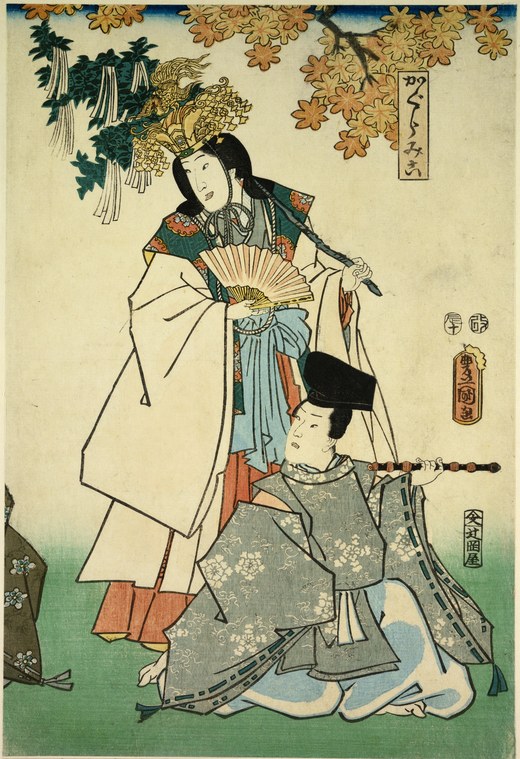
A kagura dance
Unknown artist · 2019
public_domain
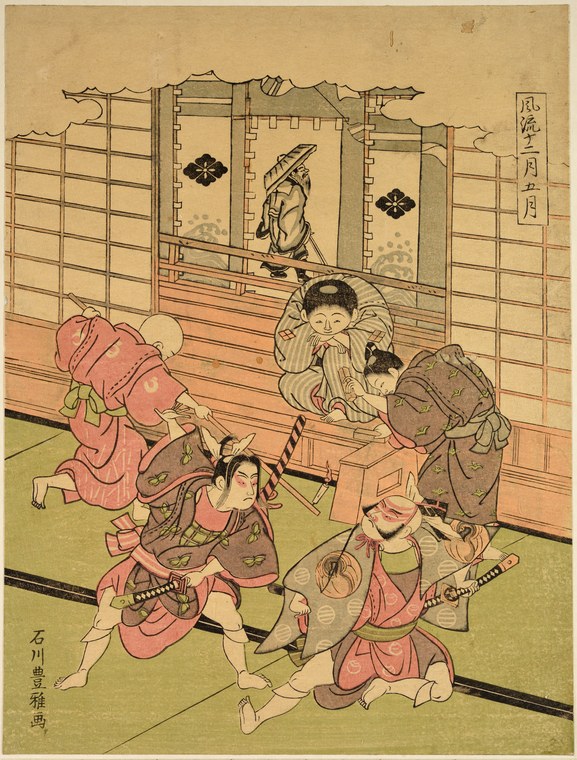
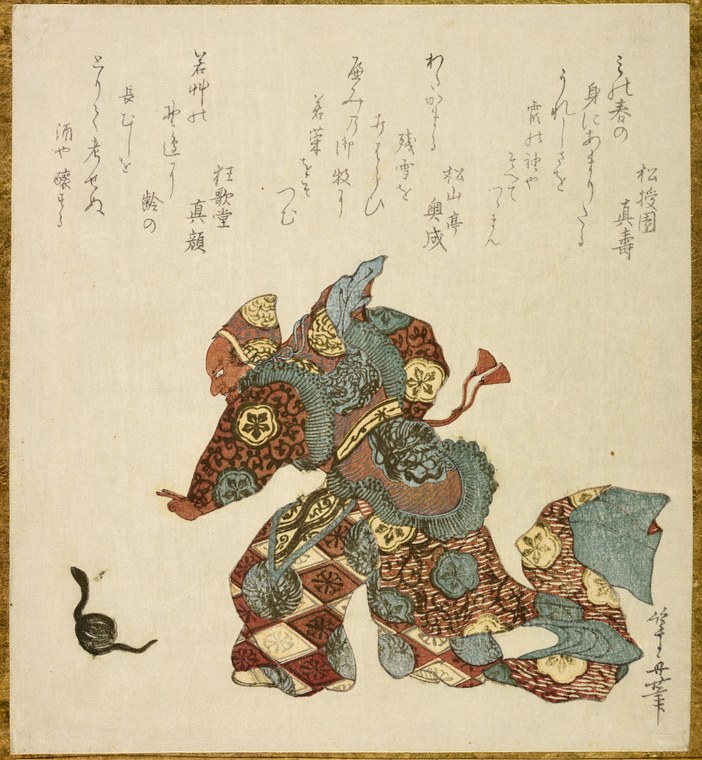
No dance
Unknown artist · 2019
public_domain
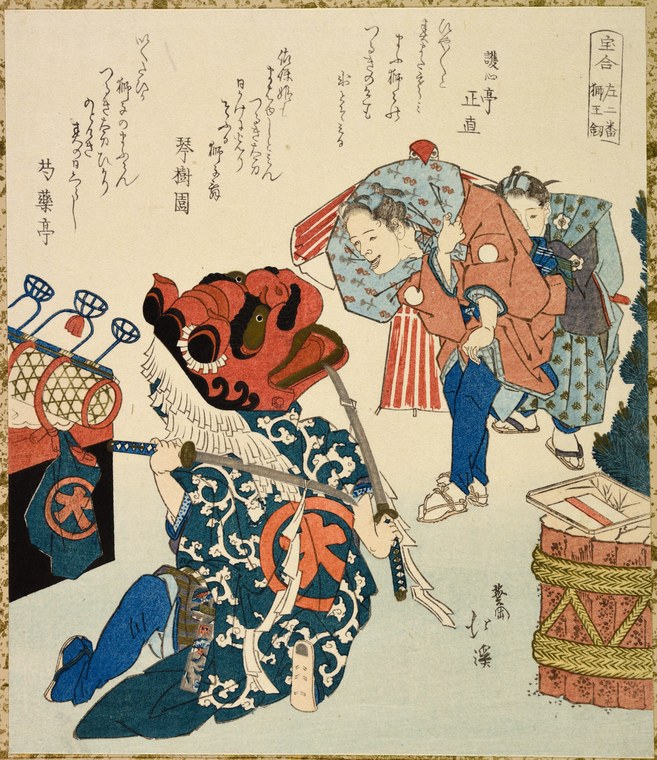
Dance of shishi (lion dance)
Unknown artist · 2019
public_domain
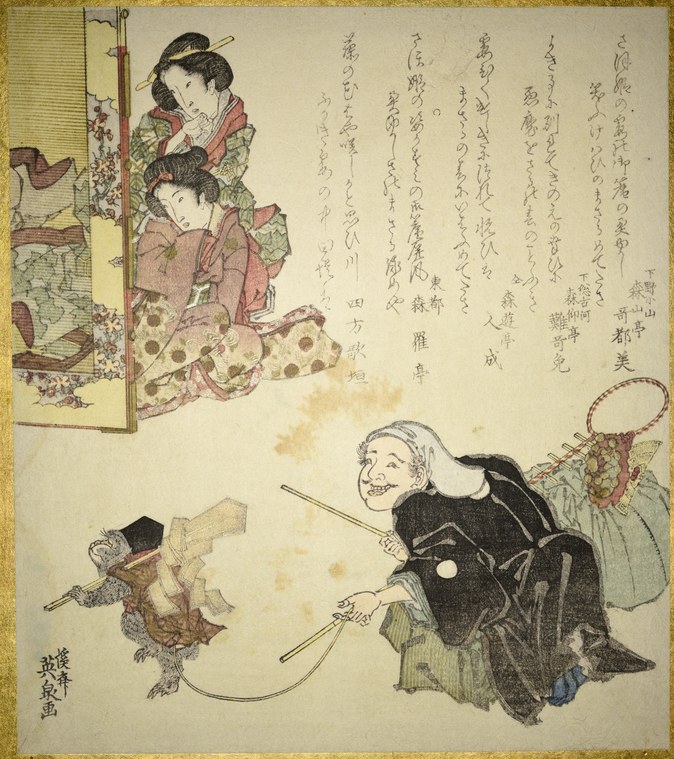
Sarumawashi dance
Unknown artist · 2019
public_domain
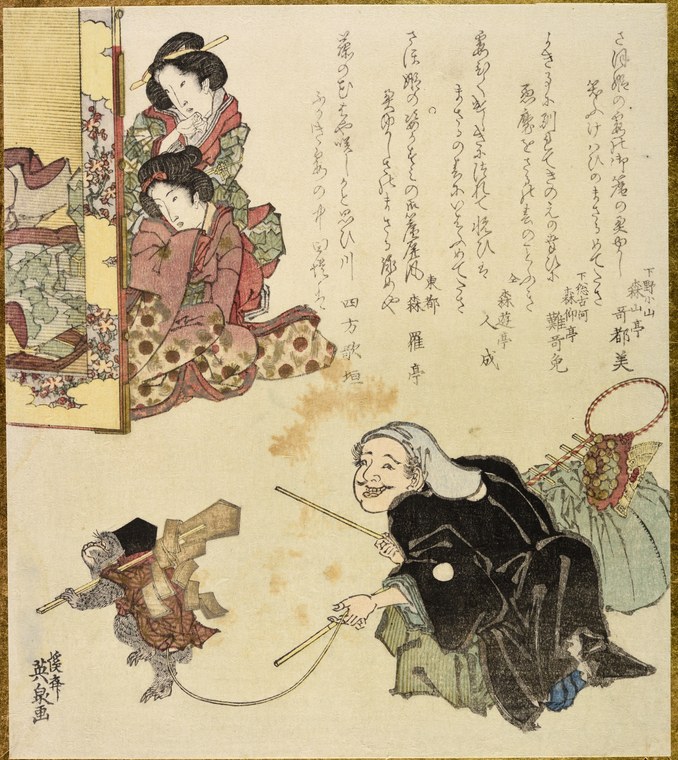
Sarumawashi dance
Unknown artist · 2019
public_domain
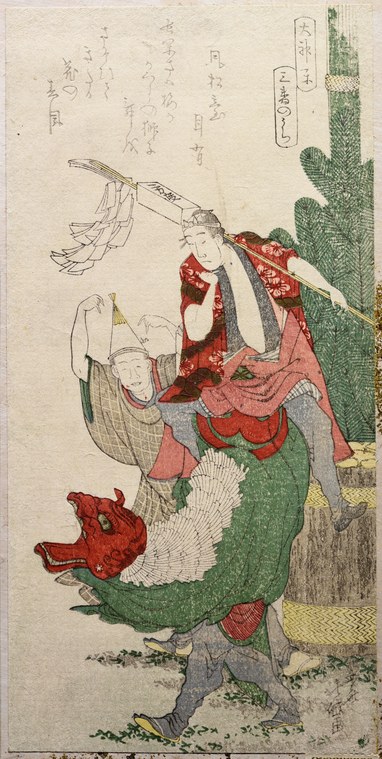
The Daikagura dance
Unknown artist · 2019
public_domain
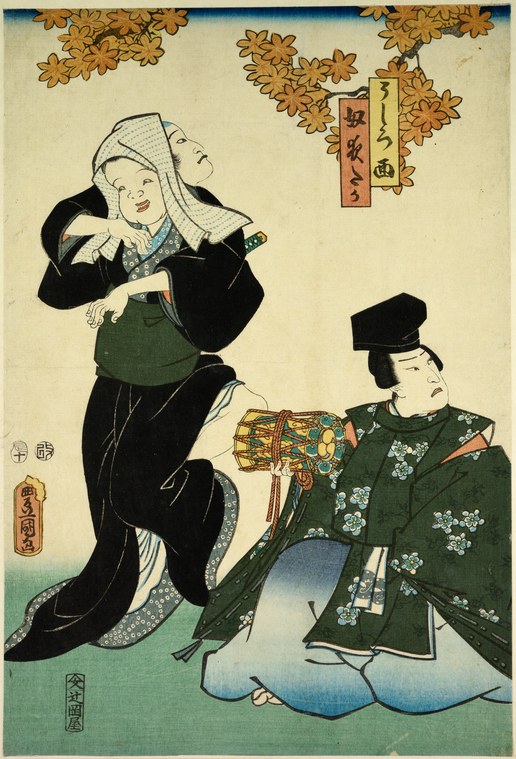
A kagura dance
Unknown artist
public_domain
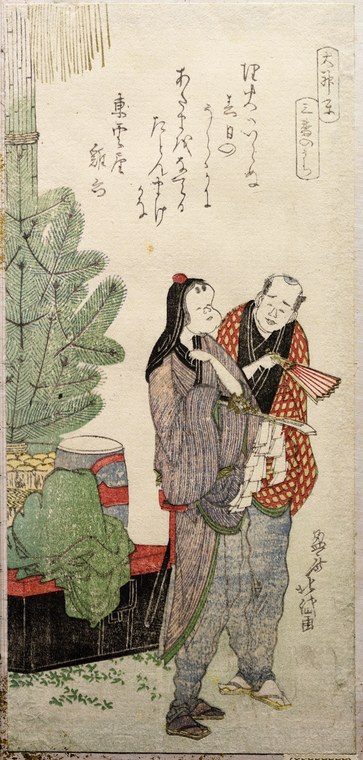
The Daikagura dance
Unknown artist · 2019
public_domain
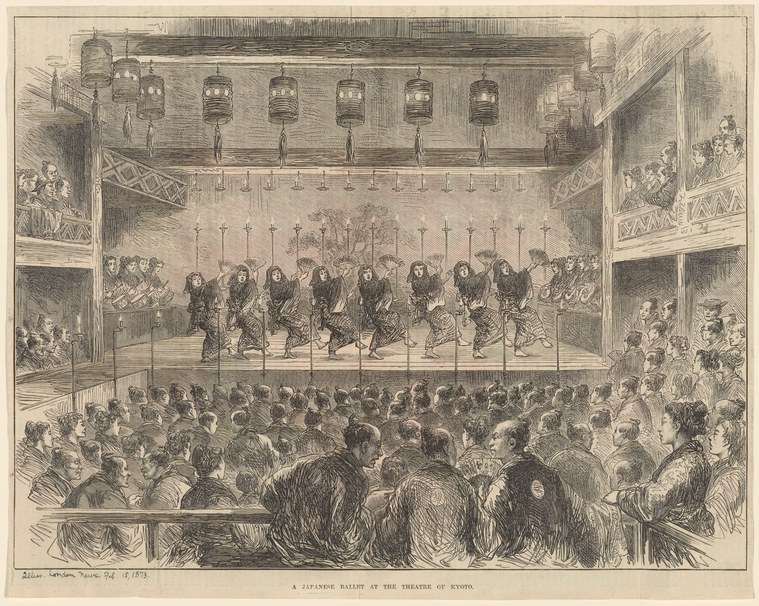
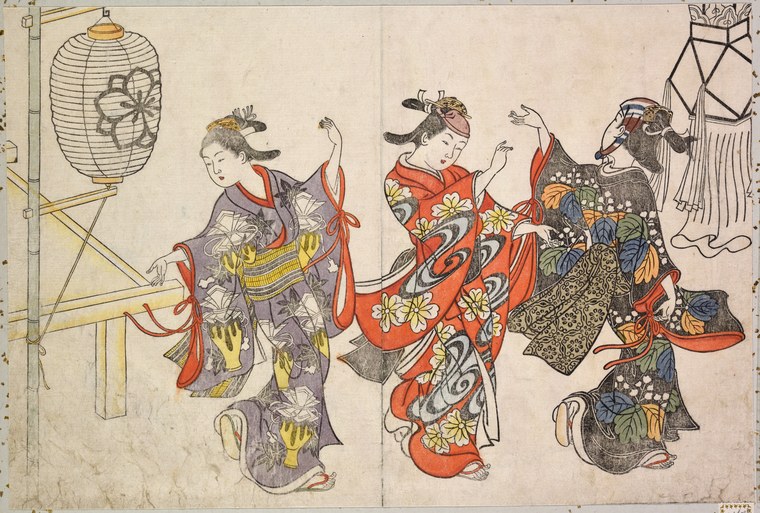
Bon dance
Unknown artist · 2019
public_domain
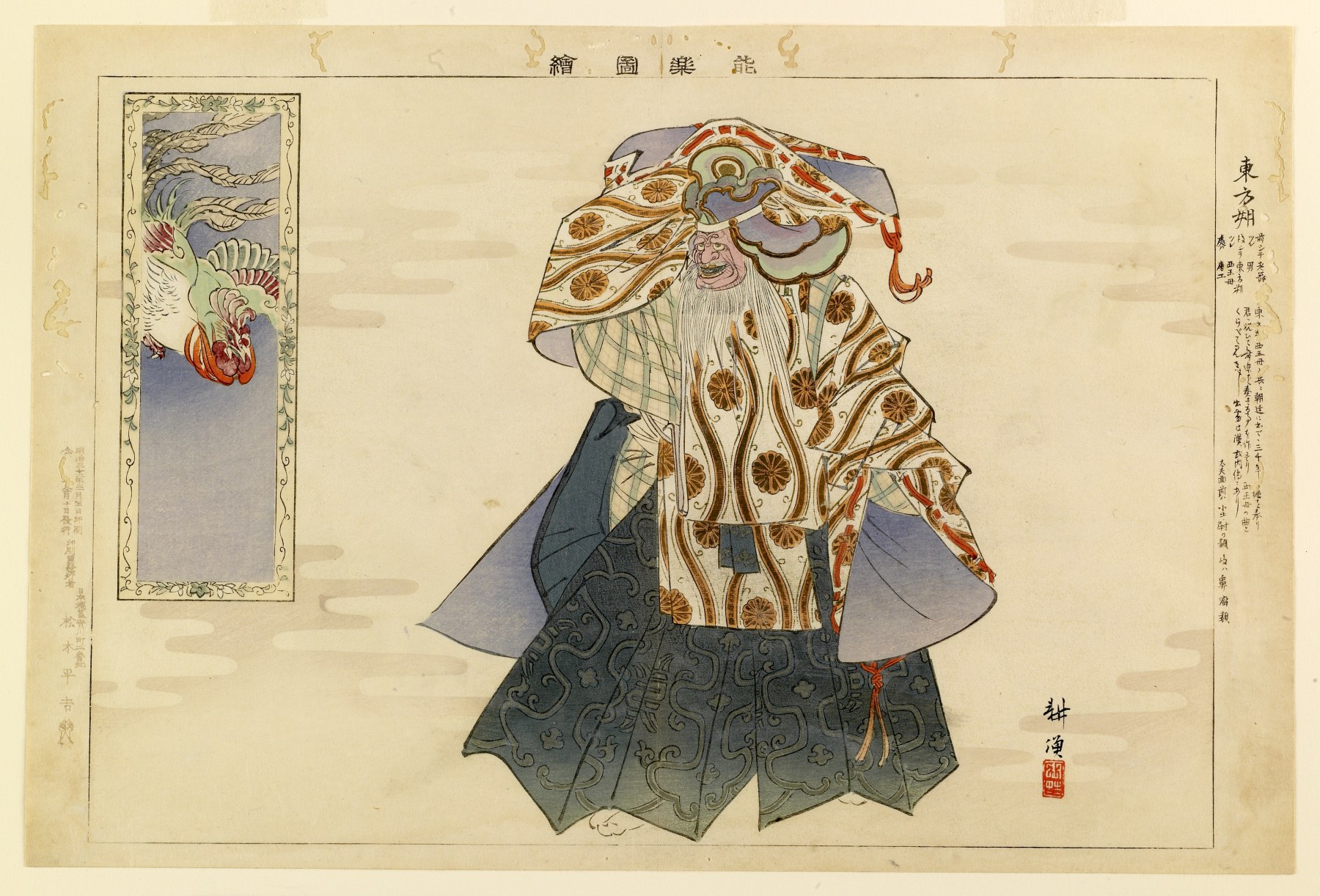
Continue Exploring
Lineage of Dance
500 years of dance evolution
Champions of Dance
Winners of marquee national & world titles
Language of Dance
161 dance terms & translations
Listening of Dance
Tempo, timing & musicality tools
Gallery of Dance
5,700+ artworks from museum collections
Attire of Dance
Evolution of dance dress across eras
Keep the thread going
Dance history, technique, and the occasional rabbit hole — in your inbox. Thoughtful, infrequent, unsubscribe anytime.
Free. No spam. One click to leave.