History & Cultural Context
The Lion Dance is a traditional Chinese performance art with roots extending back over a thousand years, practiced in two distinct regional traditions. The Southern Lion (Nanshi) predominates in Guangdong, Hong Kong, and Southeast Asian Chinese communities, featuring a single lion operated by two performers and characterized by expressive, personality-driven movement. The Northern Lion (Beishi) is more acrobatic, with performers executing leaps, balancing acts, and formations on elevated platforms.
The Southern Lion dance is the more widely performed version internationally, with lions classified by color into different character types — the golden Liu Bei lion represents nobility, the red Guan Gong lion embodies bravery, and the black Zhang Fei lion is fierce and aggressive. Performances follow narrative structures where the lion encounters obstacles (represented by puzzles, elevated platforms, or lettuce hung at heights) and must demonstrate intelligence and courage. The dance is accompanied by drum, gong, and cymbal, with the drummer controlling the lion's pace and emotional state through rhythm changes. Lion dance troupes train rigorously in martial arts, and competitions judge teams on technical difficulty, musical coordination, and the expressiveness of the lion's character.
Lion Dance — In Depth
Origin & history: The Chinese lion dance (wushi, 舞獅) is a traditional performance in which two dancers animate a single stylized lion costume. Because lions are not native to China, scholars link the motif to Central Asian, Persian and Indian influences transmitted along trade routes; the word 'shizi' (lion) appears in Han-dynasty texts (roughly the early centuries CE), and detailed accounts of 'lion acts' flourished during the Tang dynasty. Over successive dynasties the dance diverged into two great regional families.
Cultural & social context: The lion dance is performed to bring good luck and prosperity and to drive away evil spirits, most prominently at Lunar New Year but also at business openings, weddings, temple festivals and civic celebrations. Two broad styles exist. The Northern lion, associated with the imperial court and Buddhist symbolism (traced to the Northern Wei), typically has a shaggy gold-painted wooden head with red-and-yellow mane and is often danced as playful male–female pairs. The Southern lion, originating in Guangdong and the best known abroad, has a single horn and a papier-mâché head over a bamboo-and-gauze frame. Southern sub-styles include Fut San (Foshan) — heavier, kung-fu-oriented, with pop-up teeth, tongue and swiveling eyes and a long white-bellied tail — and Hok San (Heshan), developed by Feng Gengzhang to mimic the natural, cat-like movements of a real animal; a Fut-Hok hybrid arose in 1960s Singapore, and lineage styles such as Jow Ga are tied to specific kung-fu families.
Character & feel: Performances are high-energy and theatrical, telling a loose story of a lion overcoming obstacles. The lion by turns appears curious, playful, startled, sleepy and fierce, expressed through blinks, ear and mouth movements, scratching, and sudden bursts of acrobatic power.
Technique / movement basics: The head dancer manipulates the lion's head, eyes, ears and mouth while adopting low, rooted kung-fu stances; the tail dancer bends over behind, follows the head's footwork, and provides the lifting base for 'stacks' — acrobatic tricks in which the head performer is hoisted, culminating in feats on poles (mei hua zhuang / plum-blossom posts) or human pyramids. All movement is driven by the percussion: the drum acts as the lion's heartbeat and issues cues, with cymbals and gong reinforcing accents so that footwork, gestures and jumps land on the beat.
Music & rhythm: The accompaniment is a live folk percussion ensemble — a large drum leading paired cymbals and a gong. There is no fixed melody, time signature or metronomic tempo; instead the drummer improvises accelerating and decelerating patterns that mirror the lion's mood, from slow, wary padding to thunderous, rapid climaxes.
Notable traditions & competitions: The signature ritual is cai qing (採青), 'plucking the greens,' the climax in which the lion reaches a hung bundle of lettuce (Cantonese 'sang choy,' punning on 'growing wealth,' with cǎi/pluck echoing cái/fortune) tied to a red envelope of money, 'eats' it, and dramatically spits the shredded leaves toward the crowd to spread prosperity. Elite competitive lion dance — especially the pole-jumping Southern form — is showcased at the biennial Genting World Lion Dance Championship in Malaysia (since 1984), widely regarded as the sport's pinnacle, and at events such as Singapore's national championships.
Lion Dance Playlists
Curated collections on the LODance YouTube channel — performances to watch, lessons to learn from, and the right music to practice with. Tap a collection to play.
▶ Performances · Open on YouTube →
Lion Dance Music & Tempo
Drawn from 20 Lion Dance tracks in the LODance music library.
Example tracks at practice tempo
- Lion Dance — Heart of the Dragon Ensemble139 BPM
- Music for Chinese Lion Dance — The Chinese Orchestra of Beijing Central Music College174 BPM
- 醒獅拜年 (Instrumental) — Various Artists
- Lion Beat — Philia Yuen
- Lion Dance Jam — 林岳霆 Lincoln Lam
- Lion Dance — 趙尚為
Who governs Lion Dance
Federations, councils and examining bodies with a recorded role in this style. No single organisation can tell you this — each one knows only itself.
Lion Dance on screen
Films and television where Lion Dance appears, with the sequences worth watching for.

Poster artwork from TMDB.
 This site uses TMDB and the TMDB APIs but is not endorsed, certified, or otherwise approved by TMDB.
What to Wear
Attire guidance for Lion Dance and other Global East Asian Classical & Modern dances. Each card below is sized to the moment — class, practice, social, or competition — because the wardrobe shifts as the stakes do.
Reading the cards
In Class
Varies by tradition. Chinese classical: flowing practice pants and tops. Japanese forms may require specific practice kimono or comfortable modern wear.
Social Dancing
Traditional attire for cultural events and performances. Modern fusion styles accept contemporary dancewear.
Competition
Full traditional costume: Chinese classical uses flowing silk costumes with long sleeves (water sleeves); Japanese dance uses kimono or stylized versions.
Shoes
Chinese classical: soft-soled dance shoes or bare feet. Japanese traditional: tabi (split-toe socks) or bare feet. Modern fusion: flexible dance shoes.
In Practice
Water-sleeve practice tops are standard for Chinese classical training; the sleeves are technical equipment, not decoration.
Price Range
- Budget: Practice clothing from existing wardrobe; tabi $20–50.
- Mid: Practice water-sleeve top $80–250; performance kimono pieces $200–1,000.
- Premium: Authentic silk performance costumes with hand embroidery $1,500–8,000+.
Key Terms
- Water sleeves
- Long extended sleeves used in Chinese classical dance — choreography manipulates them as an extension of the arms.
- Tabi
- Japanese split-toe socks worn for traditional Japanese dance forms.
Quick Tips
- •Suede-soled shoes allow controlled sliding and pivoting — essential for most partner dances.
- •Avoid rubber soles on dance floors; they grip too much and can cause knee injuries.
- •Bring a separate pair of clean shoes for the dance floor to keep it in good condition.
Sources & Further Reading
Where This Dance Is Documented
William C. Hu – Chinese Lion Dance Explained (1995)
An editor's note on where the technique for this dance is actually written down — sometimes a named book, sometimes the fact that no such book exists. A judgement, not a count of what we hold.
Cultural & Historical Context
Lion Dance emerged from China. Understanding the cultural roots, musical traditions, and social circumstances of this era enriches appreciation for the dance's characteristics and significance.
Primary Source Documents
The Library of Dance contains public-domain primary sources for dance history. Copyrighted modern syllabi are indexed with purchase links to their respective copyright owners. Search by dance name or codifier to discover primary source documents.
Last reviewed: October 2026 — This dance profile synthesizes historical research, cultural documentation, and contemporary practice knowledge to provide authoritative context.
More in Global East Asian Classical & Modern
Butoh
Contemporary avant-garde dance created in reaction to Western ballet; emphasizes squat physique and earthbound movements.
Bon Odori
Folk dance performed during Obon festival to honor ancestors' spirits; danced in circles around a tower stage (yagura).
Buyō (Nihon Buyo)
Classical Japanese dance tradition combining movement with dramatic expression.
Kabuki Dance
Vibrant theatrical dance with bold, exaggerated movements; part of Kabuki theatre depicting romance, revenge, and common struggles.
Noh Mai
Subtle, controlled classical dance emphasizing restraint; performed in intricate masks and costumes depicting heroism and spirituality.
Kumi Odori
Okinawan traditional dance with graceful movements; recognized as Important Intangible Cultural Property.
Yosakoi
Modern Japanese festival dance inspired by the Awa Odori tradition of neighboring Tokushima and set to contemporary music; performed with naruko (wooden clappers).
Dragon Dance
Team manipulation of long decorated dragon symbolizing strength and prosperity; performed during festivals.
Yangge
Folk dance of northern China rooted in agricultural ritual; performed at the Spring Festival and Lantern Festival.
Dunhuang Dance
Classical dance form inspired by Dunhuang cave paintings; features fluid movements and silk ribbon movements.
Lantern Dance
Southern Chinese folk dance performed with lantern props during festivals.
Errenzhuan
Northeast Chinese dance-drama tradition with theatrical elements.
Seungmu
Solo classical dance performed in monk robes; expresses spiritual seeking through dynamic turning and spinning.
Taepyeongmu
Graceful classical court dance originally performed for the king; features slow, flowing movements.
Buchaechum (Fan Dance)
Contemporary classical dance using large colorful fans to create wave and wave patterns.
Geommu (Sword Dance)
Martial dance performed by warriors with sword props; demonstrates strength and technical skill.
Cheoyongmu
Classical court dance originally performed to ward off evil; features five dancers with distinct roles.
Global East Asian Classical & Modern in art
Browse the gallery →Works from the wider Global East Asian Classical & Modern tradition — we have not yet identified enough that depict Lion Dance specifically.
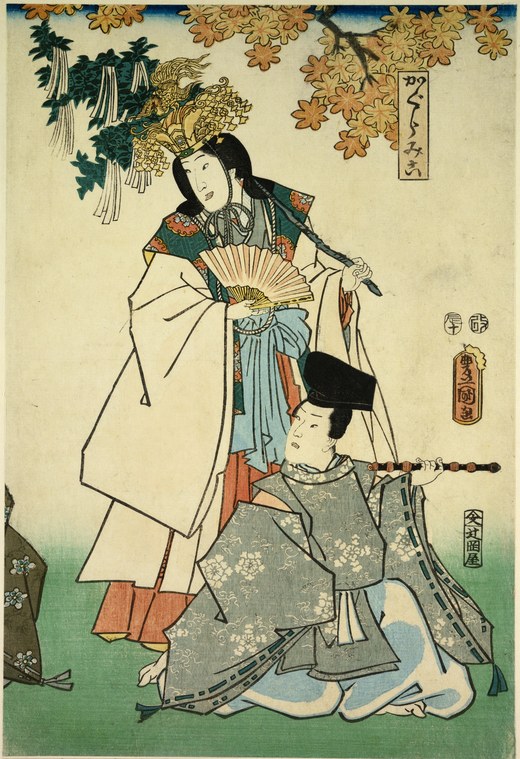
A kagura dance
Unknown artist · 2019
public_domain
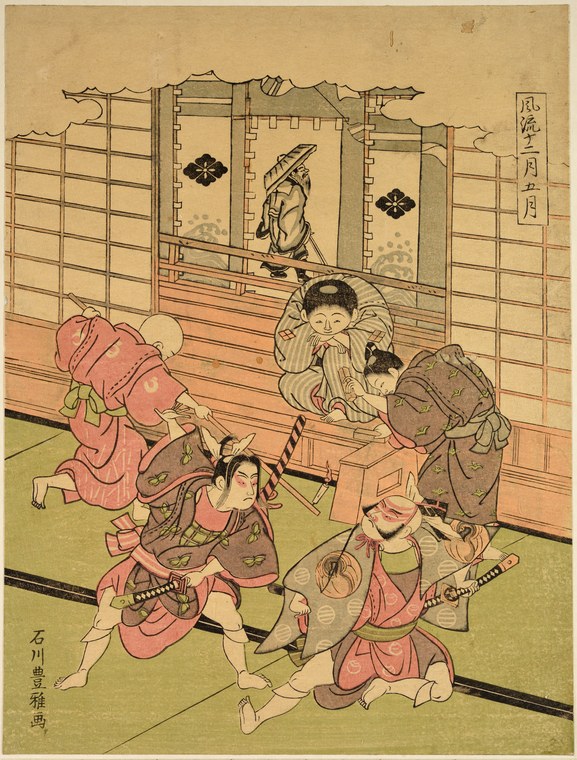
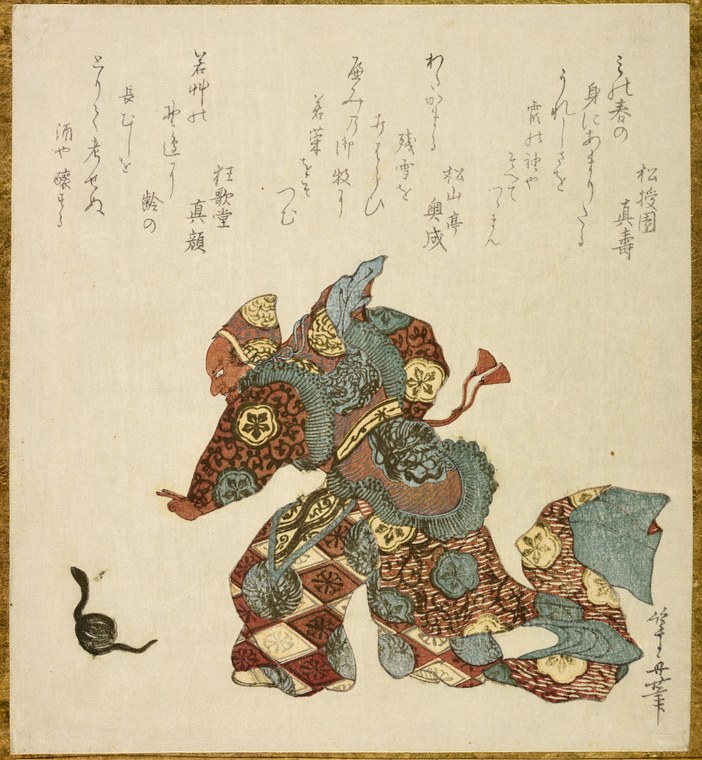
No dance
Unknown artist · 2019
public_domain
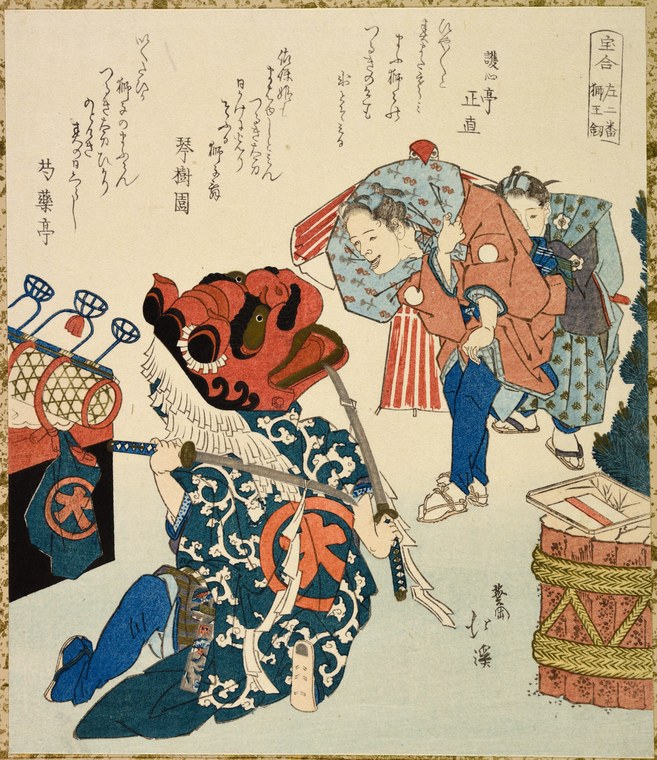
Dance of shishi (lion dance)
Unknown artist · 2019
public_domain
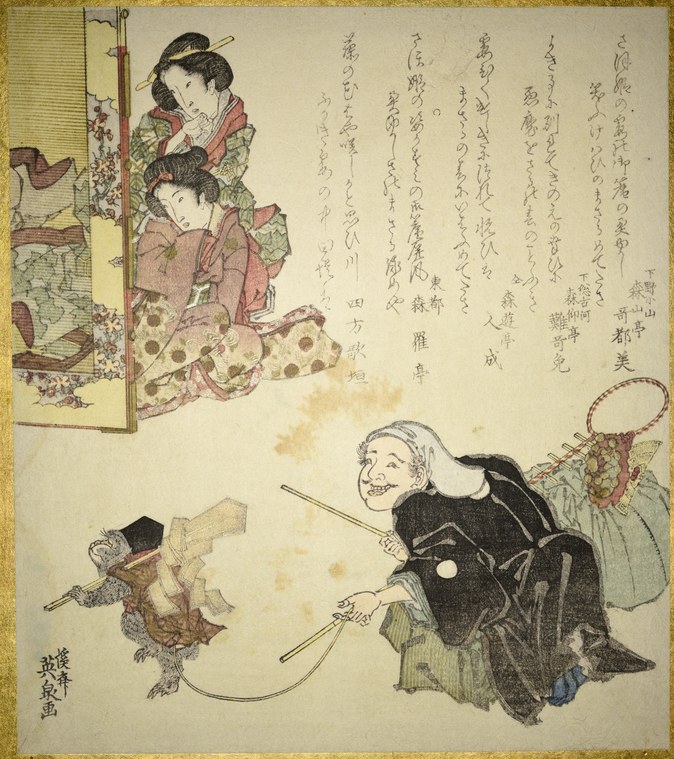
Sarumawashi dance
Unknown artist · 2019
public_domain
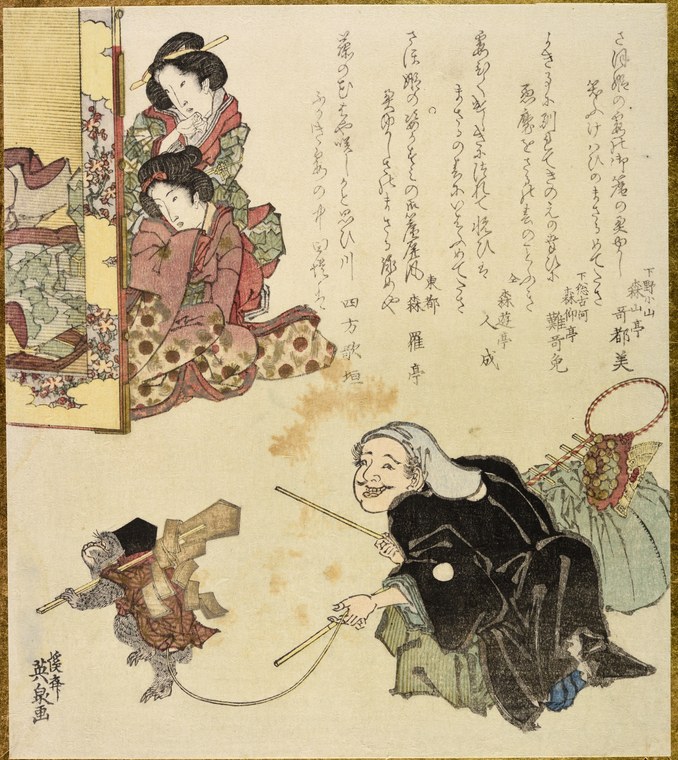
Sarumawashi dance
Unknown artist · 2019
public_domain
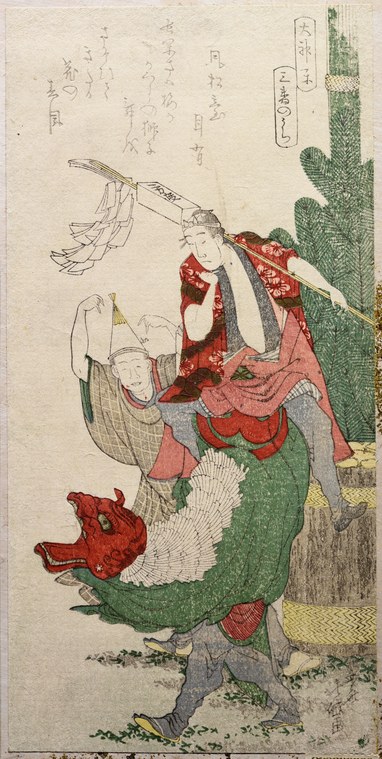
The Daikagura dance
Unknown artist · 2019
public_domain
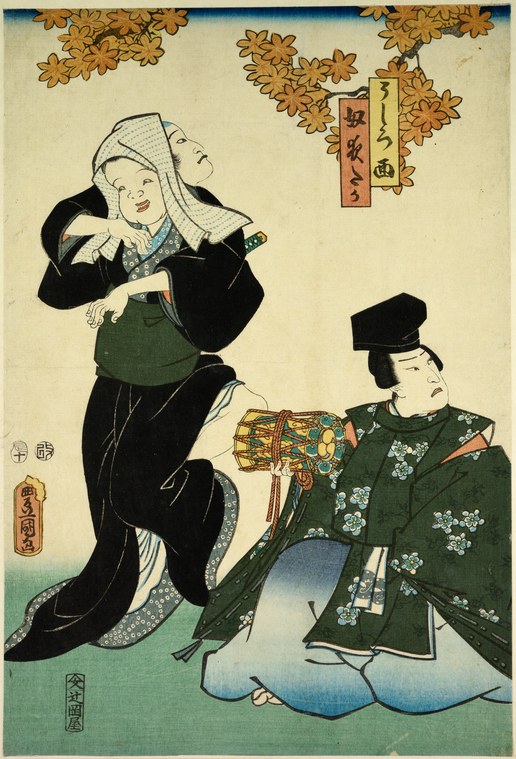
A kagura dance
Unknown artist
public_domain
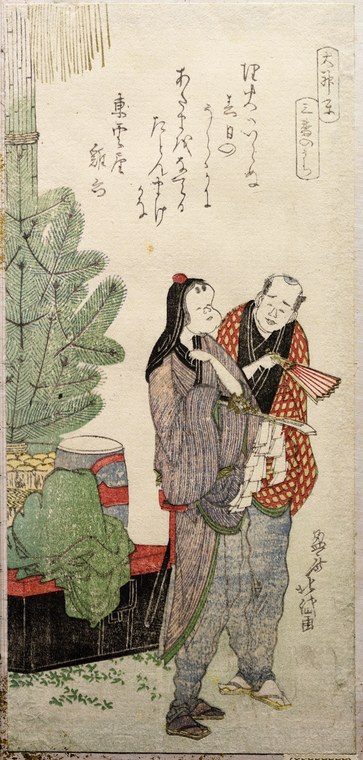
The Daikagura dance
Unknown artist · 2019
public_domain
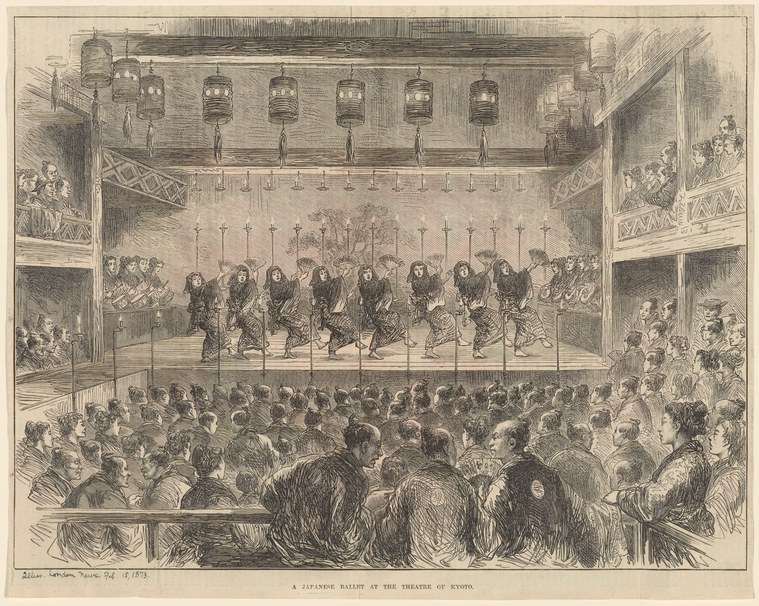
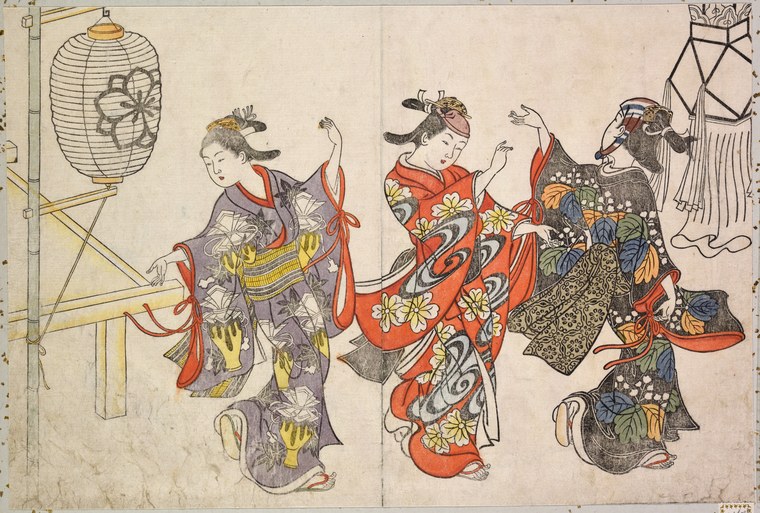
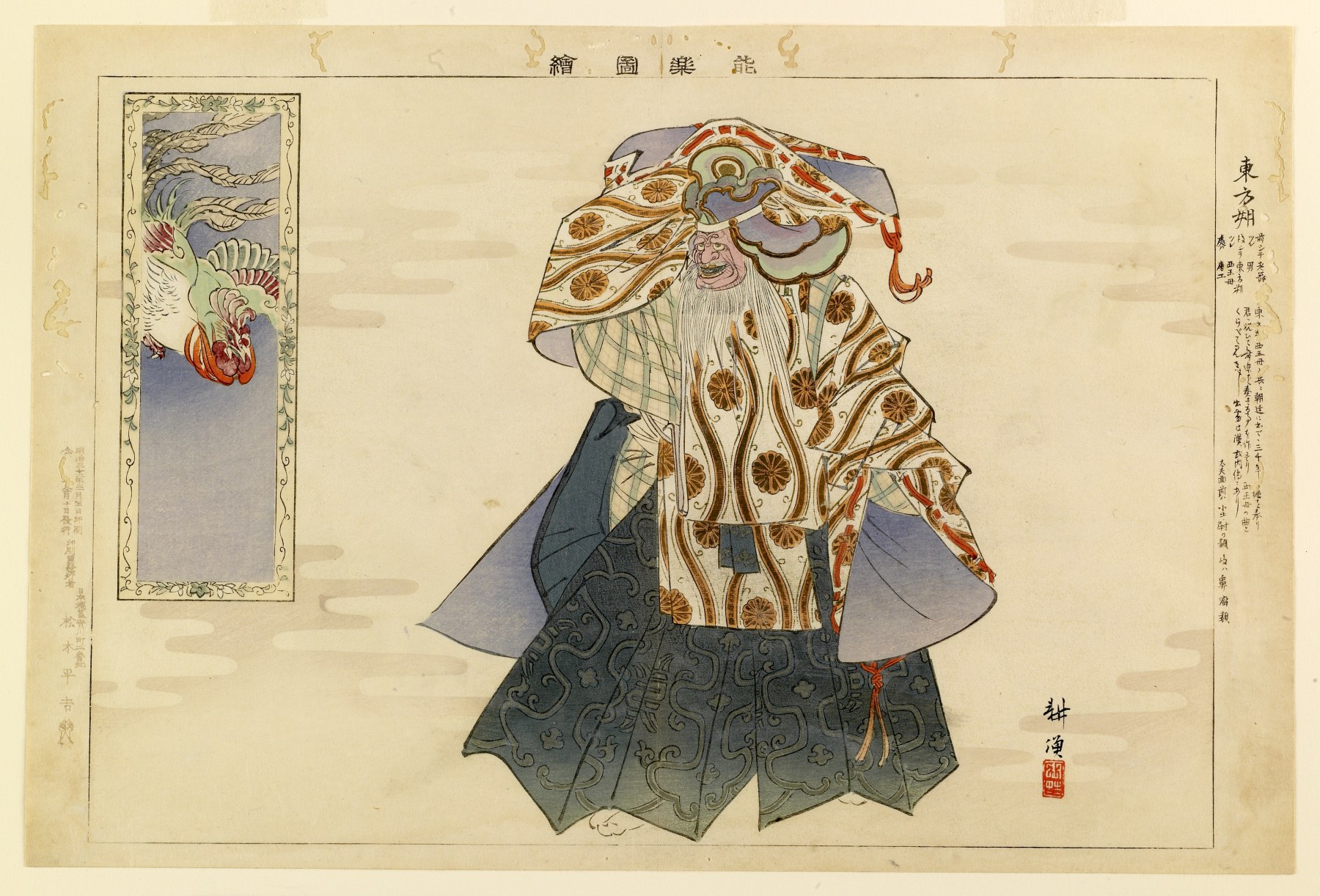
Bon dance
Unknown artist · 2019
public_domain
Continue Exploring
Lineage of Dance
500 years of dance evolution
Champions of Dance
Winners of marquee national & world titles
Language of Dance
161 dance terms & translations
Listening of Dance
Tempo, timing & musicality tools
Gallery of Dance
5,700+ artworks from museum collections
Attire of Dance
Evolution of dance dress across eras
Keep the thread going
Dance history, technique, and the occasional rabbit hole — in your inbox. Thoughtful, infrequent, unsubscribe anytime.
Free. No spam. One click to leave.