44 works in this view — arrow keys or swipe to move between them.
Dance in Art
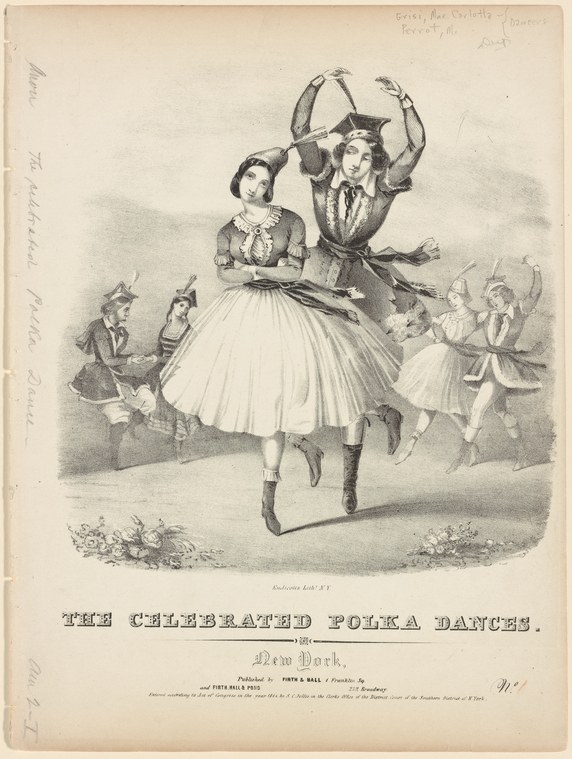
The celebrated polka dances
Unknown artist
- Medium:
- Lithograph
- Dance:
- Polka
- Era:
- Late 1800s (Victorian Ballroom)
- Source:
- New York Public Library
- Rights:
- Public domain — free to use, share and adapt.
- Recorded as:
- public_domain
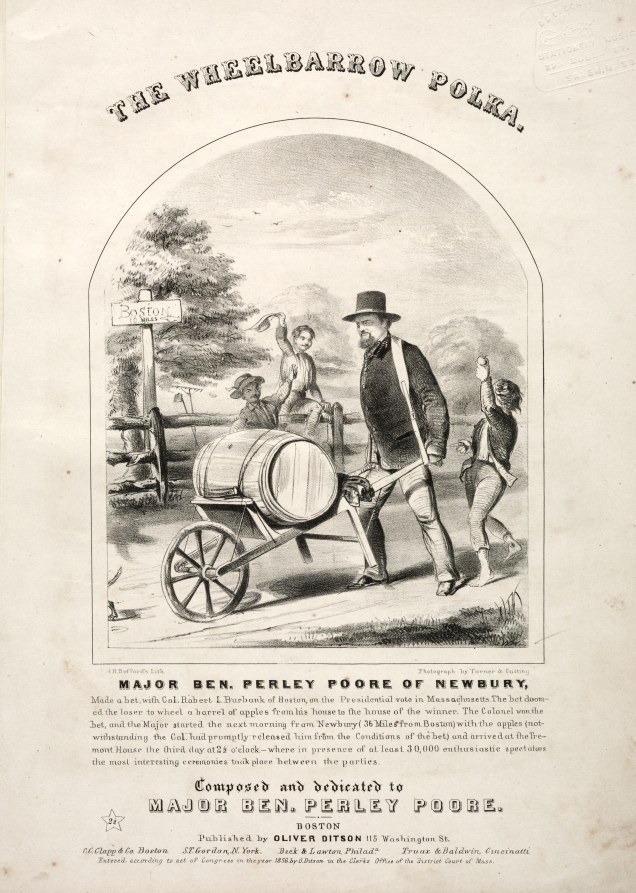
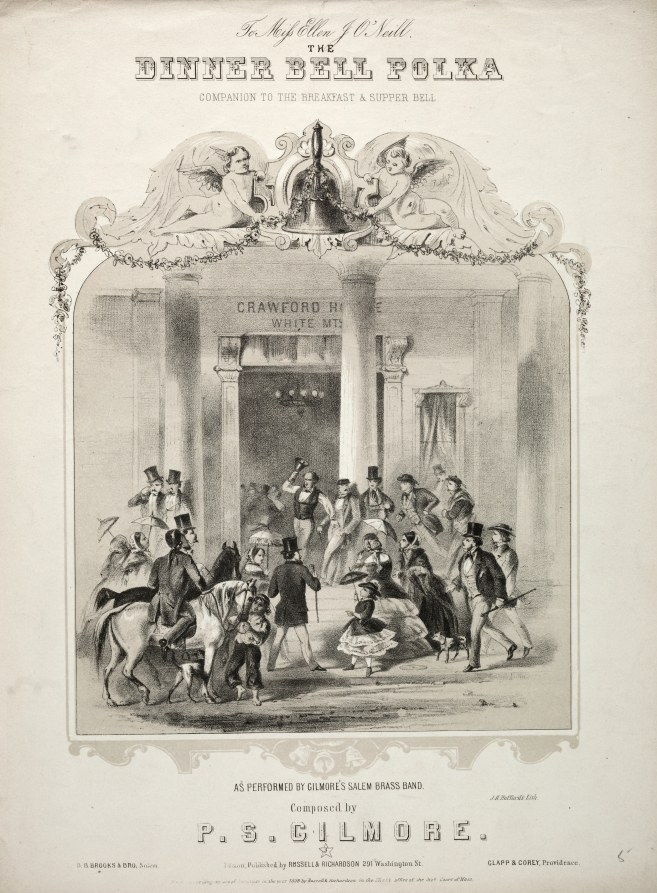
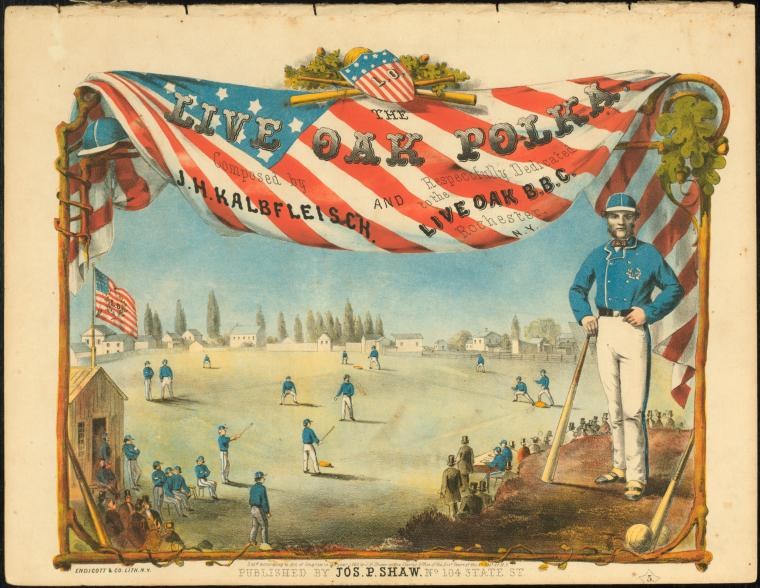
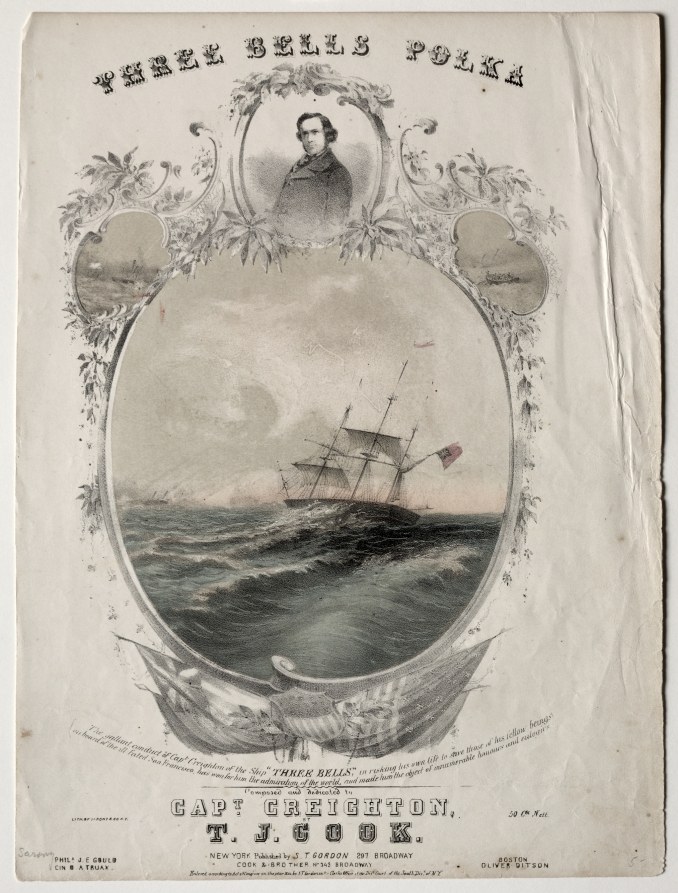
The polka was one of the first truly international social dances to spread across Europe and North America, and this image captures the exuberance and theatrical presentation that made it culturally significant. For historians of 19th-century social dance, this print offers direct evidence of how the polka was promoted, visualized, and understood as a celebratory practice rather than a formal technique. The work also illustrates the crucial role of lithographic prints in democratizing dance knowledge and imagery during the Victorian era.
What you are looking at
A lithograph depicting a lively polka celebration with multiple figures arranged across a stage-like space. In the center, a woman in a white ball gown with a fitted bodice and puffed sleeves executes a dramatic pose—arms raised high overhead in a celebratory gesture, her full skirt spread wide in motion. Beside her, a man in dark formal dress (jacket, waistcoat, and bow tie) mirrors her exuberance with raised arms. Surrounding this central pair are smaller figures: two couples in formal attire at left and lower left, and additional dancers at right, some appearing to leap or gesture animatedly. The setting is minimal—a simple ground line with small flowering plants at the base—emphasizing the performers. The lithographic technique renders all figures in greyscale with fine shading that conveys movement and fabric texture, particularly the voluminous detail of the woman's skirt.
The dancing
The central couple dominates compositionally and both are caught in an upright, celebratory moment rather than a ballroom hold. The woman's arms are raised shoulder-high or higher, elbows bent, in a gesture of joy rather than dance frame. The man beside her assumes a similar pose. The surrounding figures vary in their positioning—some appear to be in or approaching closed ballroom holds, others are more loosely arranged. None of the visible figures display the tight, structured frame characteristic of formal Gilded Age ballroom technique; instead, the overall impression is of exuberant, somewhat theatrical celebration.
The dance depicted
The title declares this 'The Celebrated Polka Dances,' and the dress, setting, and celebratory mood all accord with mid-to-late 19th-century polka culture. The polka, originating in Bohemia in the 1830s, had become a mainstream European and American social dance by the 1850s–60s and remained fashionable through the Victorian era. This image captures the polka as a couple dance performed in social settings, characterized by its energetic, bouncing rhythm and the joyful deportment evident here. The theatrical staging—the raised arms, the animated gesture—suggests this may document either a stage performance of polka or a highly stylized representation intended for popular consumption rather than instruction.
How it was made
This is a lithograph, a planographic printing technique in which image and non-image areas occupy the same plane and are separated by chemical affinity. Lithography allowed rapid, economical production of multi-copy images and became the dominant medium for popular dance illustration during the 19th century. The greyscale rendering, fine detail in costume and faces, and the crisp linear definition visible here are hallmarks of professional lithographic printing. Such prints were widely circulated as sheet music covers, popular broadsheets, and illustrated dance manuals, making them the primary means by which dance imagery reached the general public.
About this work
This is a popular lithographic representation of the polka as it was danced and celebrated in the mid-to-late 19th century, probably mid-century based on the dress styles and the height of polka fashion. The work documents not merely the steps of the dance but its social meaning—a moment of uninhibited joy and physical exuberance that marked the polka as a departure from the more restrained deportment of earlier ballroom dances. The composition, with its central couple in celebratory gesture and supporting figures in various states of animated motion, presents the polka as a democratic, joyful social practice available to fashionable society. The print's circulation through the NYPL collection suggests it was a widely owned and accessible image, part of the visual culture through which 19th-century dancers learned and performed their identity.
How to look at it
Note the moment the artist has chosen to freeze: not a forward step or technical footwork, but a moment of peaks and arms—the apex of exuberance rather than the mechanics of the dance. This choice reflects the polka's reputation for joyful abandon and its distinction from older, more formally structured dances. Observe the contrast between the polka's celebrated exuberance (the raised arms, the open body position) and the formal dress (waistcoats, ball gowns, bonnets) worn by dancers—a tension that made the polka socially significant. The surrounding figures in various attitudes of motion reinforce the sense of a dance that permits and celebrates physical expression.
The period
The polka emerged in Bohemia in the 1830s and reached Vienna by the 1840s, becoming a craze across Europe and America by the 1850s. Unlike the minuet or cotillion—which required instruction and precise choreography—the polka was accessible, rhythmically driving, and associated with youth, energy, and modernity. It coincided with the rise of purpose-built ballrooms and the commercialization of dance instruction and entertainment. By the 1860s–80s, when this print likely dates, the polka had become a standard fixture of ballroom dancing, though by then waltzes and quadrilles dominated elite dance cards. The lithographic print was the primary vehicle for disseminating dance imagery to the middle classes; such images appeared as sheet music covers, dance instruction supplements, and popular broadsheets.
Where it lives
This print is held in the New York Public Library collection, where it was catalogued as a lithograph from the Late 1800s Victorian Ballroom era depicting the polka dances. The work appears to have been published as a popular print or sheet music cover, consistent with the distribution of dance imagery in the 19th century.
Dance in this work
Questions about this work
What is a polka and why was it so popular?
The polka is a lively couples dance in 2/4 time that originated in Bohemia in the 1830s. It became an international craze by mid-century because it was energetic, rhythmically infectious, and—unlike the formal minuet or cotillion—required minimal training. It embodied modernity and youthful exuberance, making it the dance of choice for middle-class ballrooms and commercial dance halls.
Why are the dancers' arms raised above their heads?
The raised arms gesture conveys the celebratory mood and physical exuberance that the polka represented. This is not standard polka technique but rather a theatrical or stylized representation emphasizing the emotional content of the dance—joy, energy, and freedom of movement—rather than the precision of footwork.
What can we learn about 19th-century dance from this print?
The print shows that Victorian-era social dancing, even within formal dress codes, permitted and celebrated exuberant physical expression. It also illustrates how dance imagery was commercialized and distributed via lithography, making dance knowledge accessible to the general public rather than restricting it to the wealthy or formally trained.
How do we know this depicts the polka and not another dance?
The title explicitly names it 'The Celebrated Polka Dances.' The costume, the energetic celebratory mood, and the social context all align with mid-19th-century polka culture. The image's style and the date estimate place it in the polka's period of greatest popularity.
More Polka artwork