25 works in this view — arrow keys or swipe to move between them.
Dance in Art
Tango bravo
Unknown artist
- Dance:
- Tango
- Rights:
- Not recorded. Do not assume this image is free to reuse — check the source record.
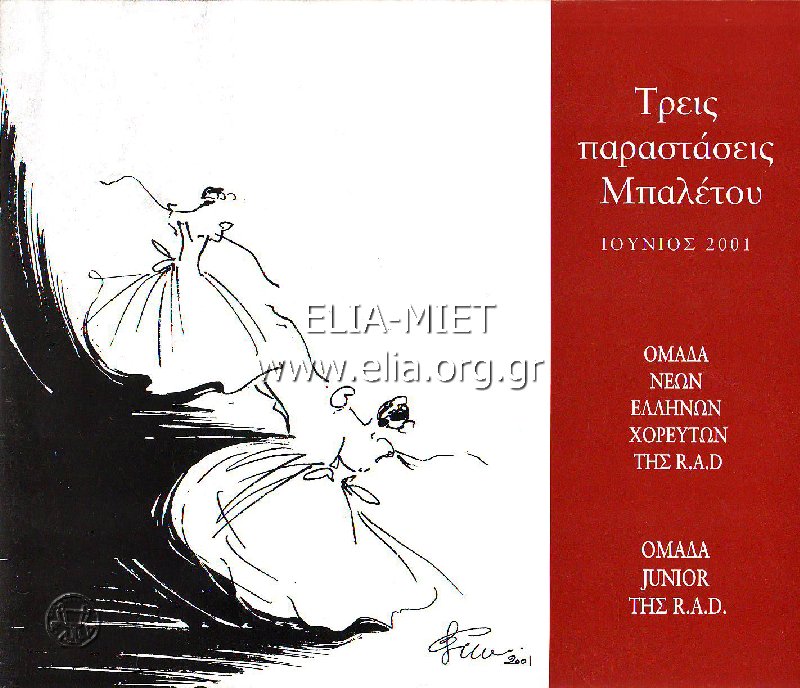
This sketch captures tango not as a set of steps to be learned but as an embodied state: a moment of encounter, imbalance, and intensity. For dancers and historians, it is a record of how artists saw tango—not as ballroom formality but as a form charged with passion and physical risk. The work demonstrates that tango entered European art practice as a subject of serious study in the early 20th century.
What you are looking at
A sketch of two figures in dance, rendered in bold ink with rough, gestural linework. The composition is divided diagonally, with a standing figure in the upper portion wearing what appears to be a full skirt or dress, leaning forward with an expressive tilt of the torso. Below, a second figure reclines or bends sharply backward, their body arched in a dramatic counterpose. The artist has used strong vertical and curved strokes to suggest movement and fabric; the sketchy technique creates energy and immediacy rather than precise anatomical detail. The setting is minimalist—just the white ground of the paper—allowing the dancers' forms to dominate. The signed lower left suggests this is a finished study, not a working note.
The dancing
Two bodies in a close spatial relationship, one upright and leaning forward with arms extended or gesturing, the second deeply arched backward with the head and shoulders dropped below the level of the hips. The contrast is extreme: one figure is compact and forward-driving; the other is opened and inverted. Neither figure wears pointe shoes or balletic turnout. The postures suggest improvisation, passion, or a moment of dramatic intensity rather than the controlled geometry of classical ballet. The artist has rendered the bodies as expressive wholes rather than anatomically precise forms.
The dance depicted
The catalogue identifies this as tango, and the sketch supports that reading in part: the close spatial relationship between the dancers, the dramatic torque of the bodies, and the sense of partnered intensity align with tango aesthetics. However, the extreme arch and inversion of the second figure goes beyond typical tango vocabulary and suggests either a stylized or heightened interpretation—possibly a moment of surrender or dip—or conceivably a different dance altogether. The title 'Tango bravo' (brave or wild tango) implies an aggressive or uninhibited version of the dance. The sketch style and emotional charge suggest this may capture a moment of performance or social tango rather than competition.
How it was made
Ink drawing on paper, executed with a rapid, confident hand. The artist has used minimal line to suggest form, relying on the viewer's eye to complete the figures. This technique—economical and expressive—suggests a study made from live observation or memory, or created for rapid reproduction. The style is consistent with early 20th-century sketch practice. Without color or shading, the work depends entirely on the gesture and proportion of the bodies themselves to convey the dance.
About this work
This is a sketch of two tango dancers in a moment of intense physical exchange. The work captures not the formal steps of the dance but its emotional and kinetic core: the embrace, the weight shift, the dramatic use of the back and spine. The title 'Tango bravo' flags this as a wild or passionate reading of the form, distinct from the ballroom tango codified in international competitions. For a dance historian, the sketch is valuable precisely because it does not attempt anatomical correctness; instead, it distills the essential gesture of the dance as the artist understood it. The work sits at the intersection of social dance documentation and expressive art practice.
How to look at it
Attend to the asymmetry and instability of the composition. The artist has placed the dancers off-center and in extreme opposition: the contrast between the upright and the inverted body creates visual and kinetic tension. The sketch's rough linework—not precise, but emphatic—suggests motion rather than stillness. Notice how little the artist drew: the viewer completes the forms from minimal cues. This economy of line was itself modern, and it forces the eye to track the energy of the bodies rather than to admire decorative detail.
The period
Tango emerged in Argentina in the 1880s–1890s and reached Europe (especially Paris and Vienna) by the 1910s, where it was simultaneously celebrated and condemned as scandalous. Artists and illustrators were drawn to tango as a subject that combined modernity, sensuality, and transgression. The sketch's style and the subject's popularity suggest a date in the early 20th century, when tango was at the center of European cultural debate. The work's informal technique aligns with the modernist embrace of the sketch as a form complete in itself, not merely preliminary to finished work.
Where it lives
Source: Europeana digital collection. The work's original holding institution, medium, and accession details are not recorded in the catalogue provided. It is presented here as a sketch circulated through European digital archives.
Dance in this work
Questions about this work
Why does this look so rough compared to other dance pictures?
This is a sketch, created with bold, rapid linework rather than careful shading or detail. The artist used minimal marks to suggest the dancers' forms and movement. This technique was common in early 20th-century art practice and allows the work to capture spontaneity and energy rather than anatomical precision.
How do we know this is tango?
The title 'Tango bravo' tells us directly. The image supports this: the close embrace, the dramatic torque of the bodies, and the sense of physical intensity and weight-sharing are all characteristic of tango. The extreme arch of the second dancer suggests a dip or dramatic moment within the form.
When was this made?
The catalogue record does not provide a date. However, the style of the sketch and the subject matter (tango as a focus of artistic interest) suggest the early 20th century, when tango was newly arrived in Europe and treated as a subject of modernist artistic attention.
More Tango artwork
![[Les noces de trottoir, par les compagnies Tango Sumo et Vendaval. Chalon dans la rue. 2007 / photographies de Joël Verhoustraeten] by Verhoustraeten, Joël (1954-2019). Photographe](https://gallica.bnf.fr/iiif/ark:/12148/bc6p058zgkc/f1/full/800,/0/native.jpg)