Performer · Stage Icon · Popularizer
Joaquin Cortes
Flamenco's Rock Star
Why They Matter
He made flamenco a mainstream international spectacle, attracting audiences who had never experienced the art form and proving that traditional dance could fill arenas.
Biography
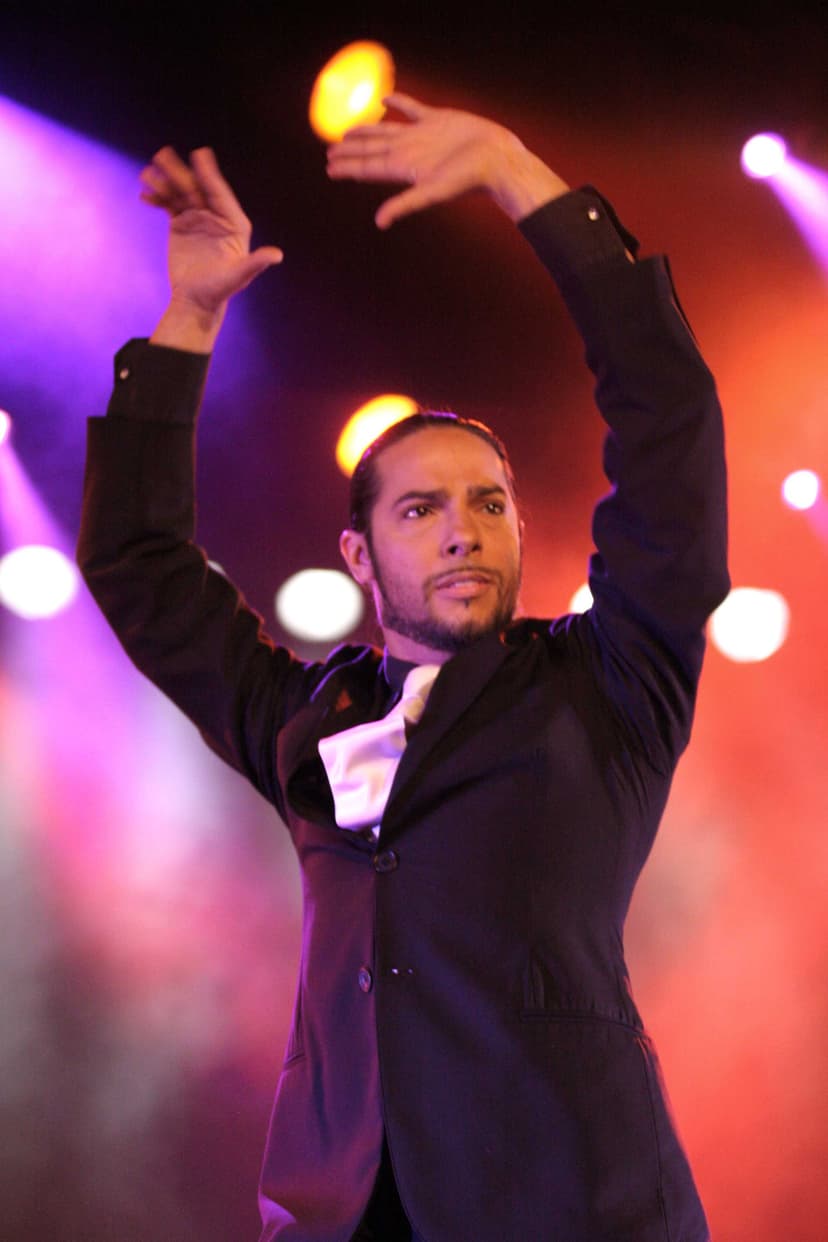
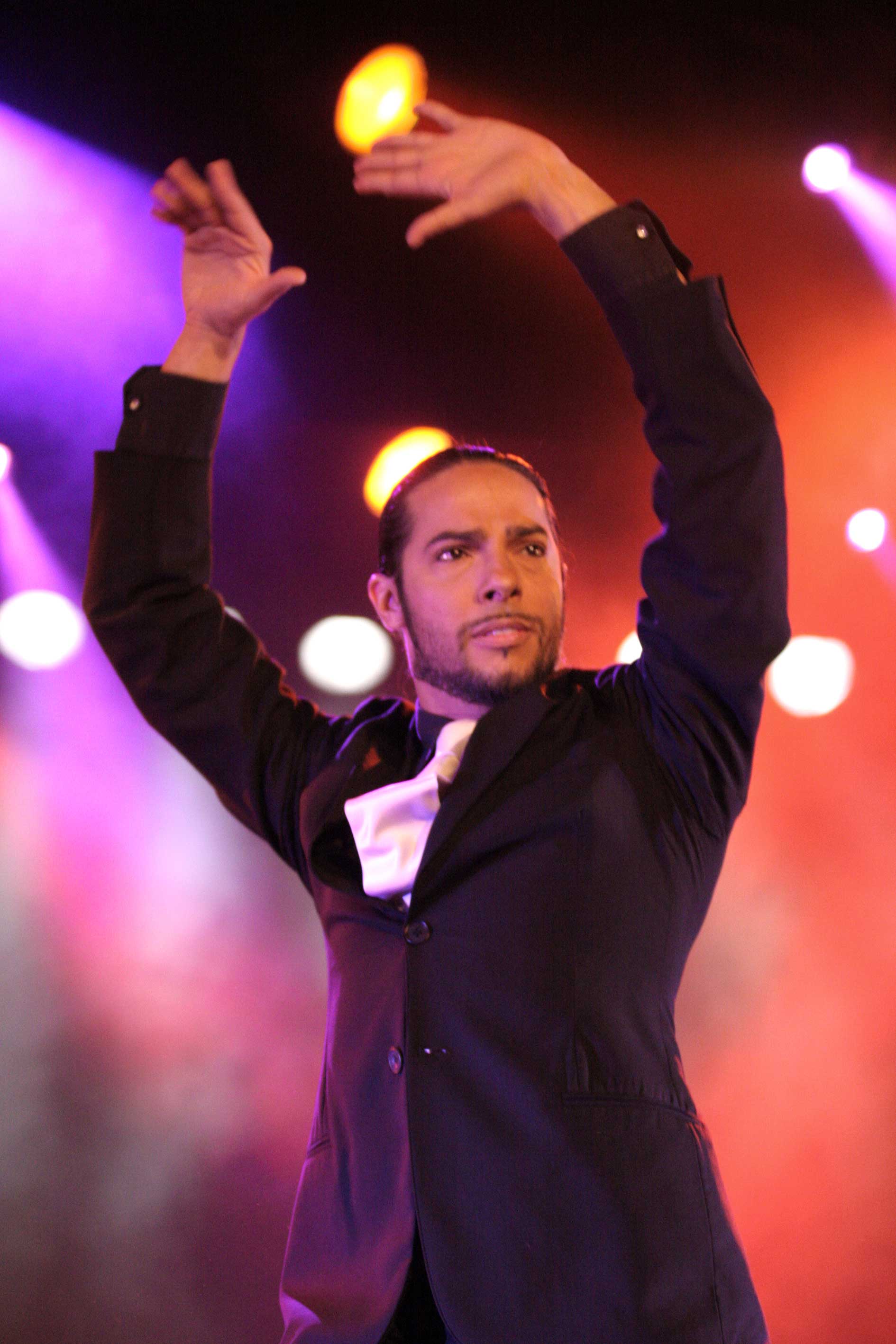
Joaquín Cortés, born in 1969 in Córdoba, Spain, is a flamenco dancer, choreographer and company director who transformed Spanish dance into large-scale international theatrical production. From a Gitano family, Cortés trained formally as a teenager at the Ballet Nacional de España, where he joined in the mid-1980s and advanced to soloist. That institutional grounding in classical line and Spanish-dance repertory would remain visible throughout his later work, even as he built his career around a synthesis of flamenco, contemporary staging, ballet-derived extension and live music.
After leaving the national company, Cortés formed his own company in 1992 and premiered *Cibayí*, establishing the model that would define his work: flamenco-centered dance enlarged for international theatre venues, supported by ensemble dancers, singers, musicians and integrated production design. His breakthrough came with *Pasión Gitana* in 1995, a touring production that brought him international recognition. That same year, he appeared in two significant films: Pedro Almodóvar's *La flor de mi secreto* and Carlos Saura's *Flamenco*, where he performed a farruca that preserved his dramatic use of stillness, rhythmic attack and shifting scale.
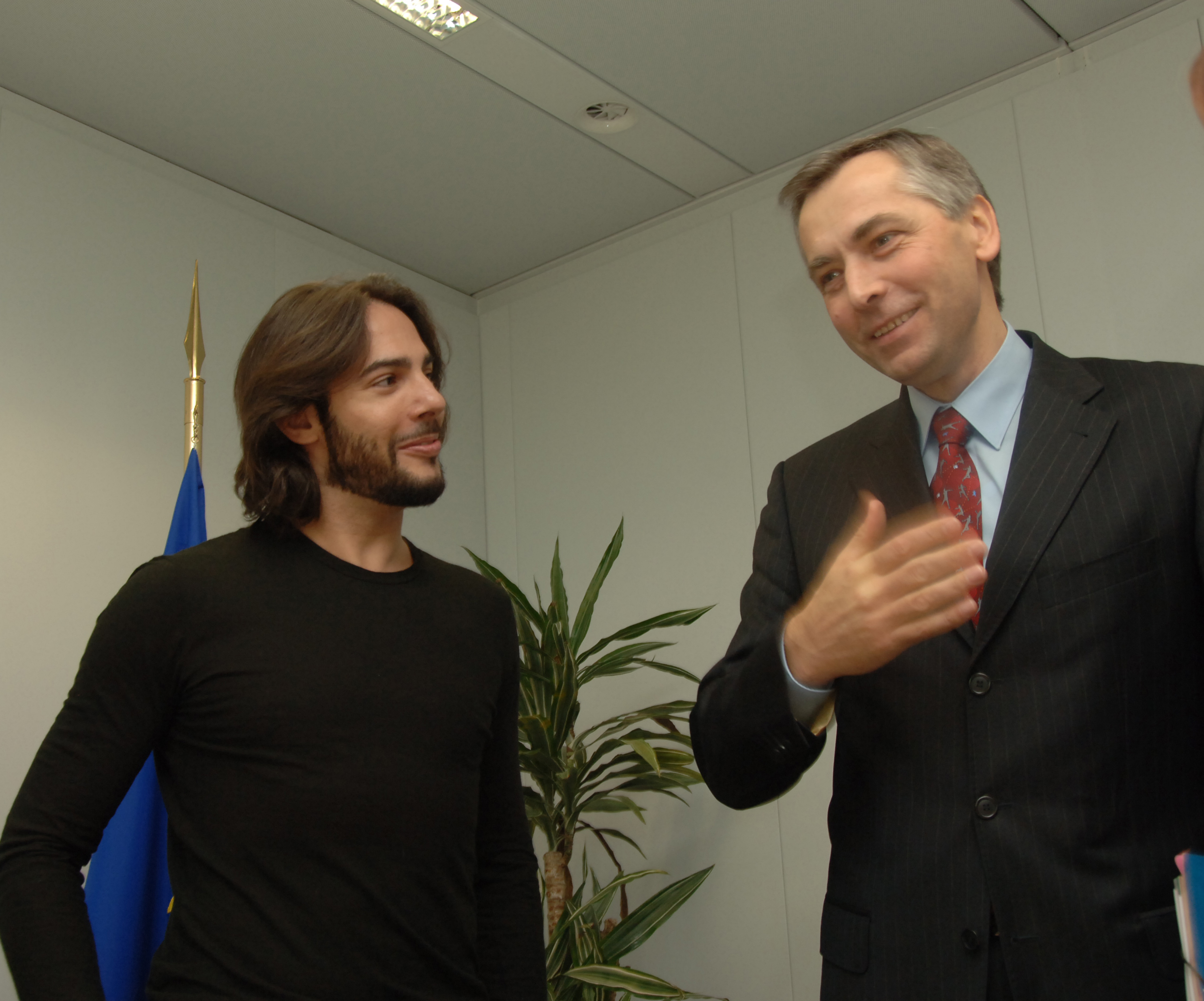
Throughout the late 1990s and 2000s, Cortés expanded his company repertory with *Soul* (2000), *Live* (2001), *Mi Soledad* (2005) and *Calé* (2009). He also took the lead role in Manuel Palacios's feature film *Gitano* (2000). In 1999, UNESCO designated him an Artist for Peace in recognition of his cultural advocacy. Spain awarded him the Gold Medal for Merit in the Fine Arts in the 2009 award cycle, conferred and presented in 2010.
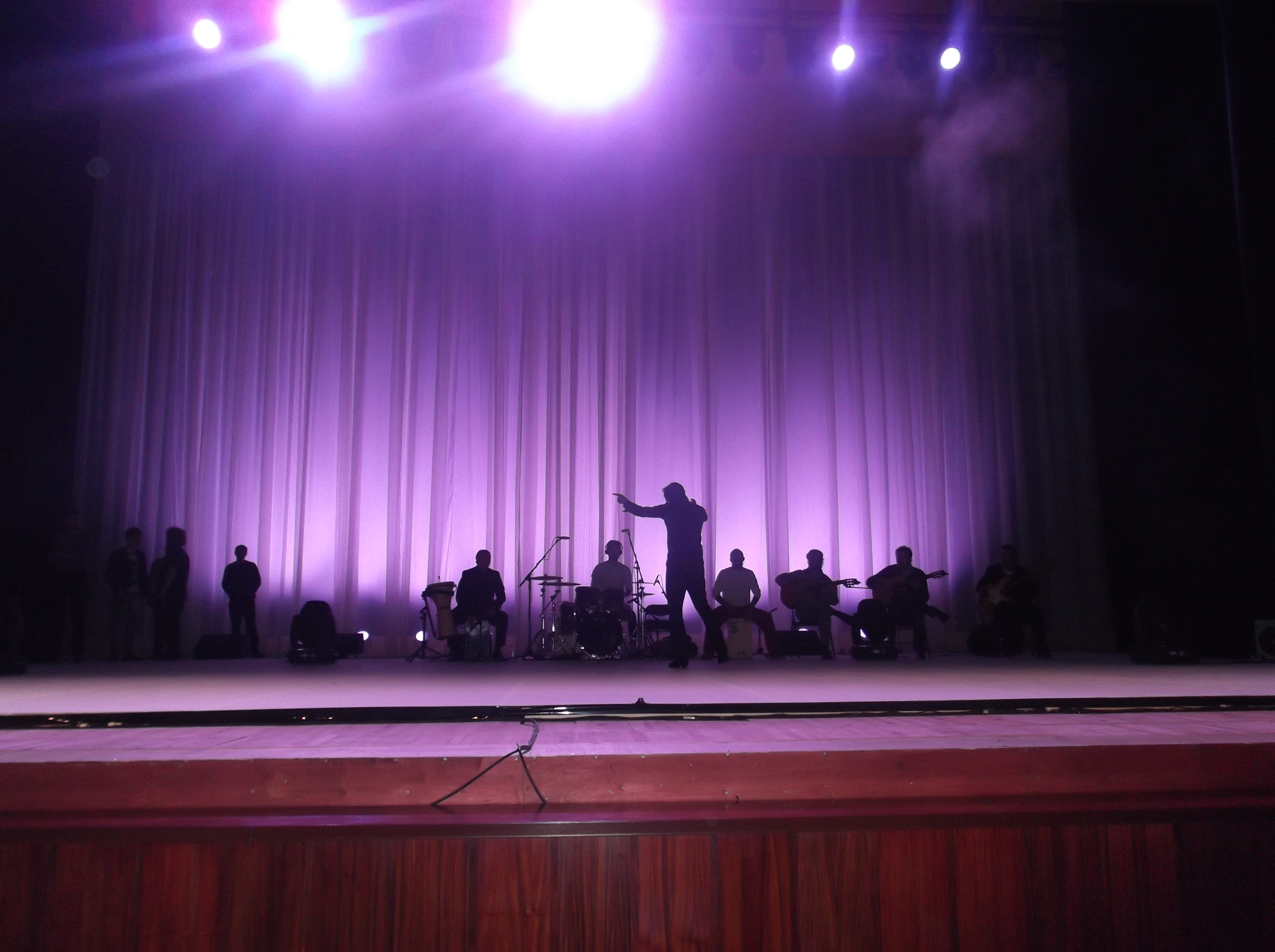
Cortés's productions sustained a touring-company model centered on his presence as soloist and choreographic author, surrounded by dancers, singers and musicians essential to each performance. Costume collaborations with Giorgio Armani and Jean Paul Gaultier were attached to specific productions. *Esencia*, premiered in 2017 as a retrospective drawing on flamenco forms including soleá, bulería, alegría and farruca, entered its final touring phase in 2023 and closed in 2026. In July 2026, his official site announced that a new project titled *Renacimiento* was in development, with no premiere date or confirmed itinerary yet announced.
Career Highlights
Joined the Ballet Nacional de España as a teenager; the company’s history places his entry at age fifteen.
Founded his own company and premiered Cibayí, the first production in the official company chronology.
Premiered Pasión Gitana, the touring work that established his international star profile.
Appeared in Pedro Almodóvar’s La flor de mi secreto and performed a farruca in Carlos Saura’s Flamenco.
Was designated a UNESCO Artist for Peace for cultural and peace advocacy.
Presented Soul and starred in Manuel Palacios’s film Gitano.
Premiered the stage production Live.
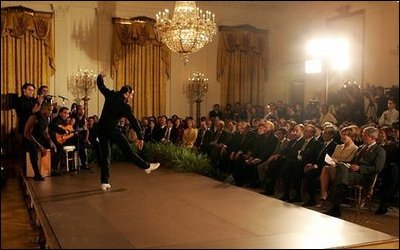
Performed at a White House Hispanic Heritage Month celebration on 15 September.
Premiered Mi Soledad.
Presented Calé and received Spain’s Gold Medal for Merit in the Fine Arts (2009 award cycle; conferred/presented in 2010).
Premiered Esencia, a retrospective production drawing on flamenco forms and his hybrid theatrical language.
Closed the final phase of Esencia and announced that Renacimiento was in development, with dates still unconfirmed as of 29 July.
Gallery

Legacy & Impact
Cortés matters because he built a repeatable, internationally touring model around flamenco-centered dance that brought the form to broad global audiences while making hybridity—flamenco with ballet line, contemporary staging, live ensemble and theatrical production design—part of the show's public identity. His work did not invent such exchanges but made them legible at sustained scale. His durable contribution is the forceful solo presence, trained line, rhythmic authority and dramatic contrast that turned a personal synthesis into a touring-production vocabulary that influenced how flamenco could be staged for concert-hall and international audiences.


Explore More Legends
Discover the dancers, teachers, choreographers, and cultural icons who shaped how the world moves.
Keep the thread going
Dance history, technique, and the occasional rabbit hole — in your inbox. Thoughtful, infrequent, unsubscribe anytime.
Free. No spam. One click to leave.