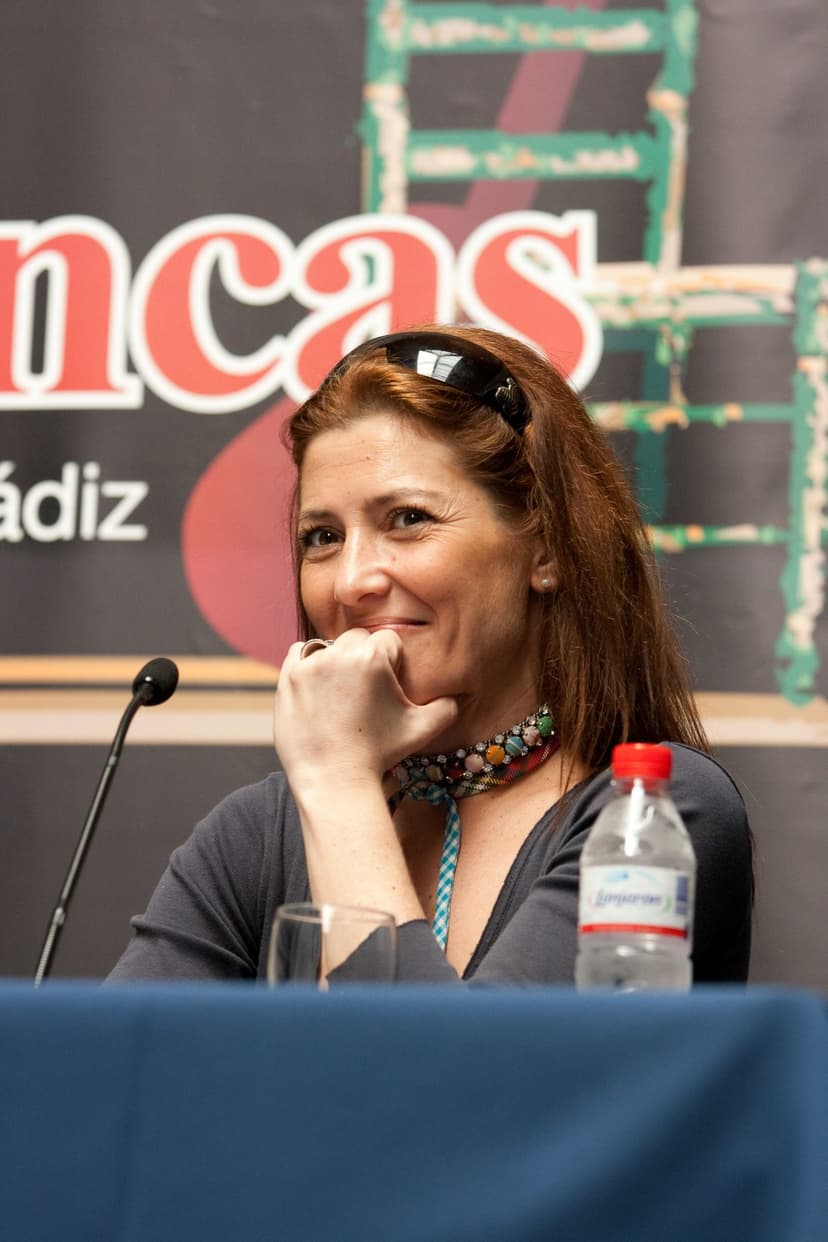
Performer · Stage Icon · Innovator
Sara Baras
Modern Flamenco Queen
Why They Matter
She carries flamenco into the 21st century while honoring its traditions, making it accessible to global audiences without diluting its intensity.
Styles Sara Baras shaped
Each one links to the style’s own page — its origins, music, tempo and video.
Watch
Meet Sara Baras, the Queen of flamenco
Sadler's Wells
First-person account of her mother, Paco de Lucía, company process and Vuela.
Ballet Flamenco Sara Baras (Trailer) — Flamenco Festival 2016
Sadler's Wells
Institutional trailer documents the company's international concert presentation.
Sara Baras wins Outstanding Achievement in Dance
Official London Theatre / Olivier Awards
Primary video evidence for the 2020 Olivier recognition connected to Sombras.
Vuela, Sara Baras — Teaser
Les Arts, València
Institutional preview of the Paco de Lucía tribute Vuela.
Andalucía Directo — The artistry of Sara Baras kicks off the show Vuela
Canal Sur
Regional public broadcaster context for Vuela and Baras's Andalusian identity.
Flamenco Festival London — Ballet Flamenco Sara Baras: La Pepa
Sadler's Wells
Documents the 1812-constitution-themed La Pepa in an official presenting-theater record.
Biography
Sara Pereyra Baras was born on 25 April 1971 in San Fernando, Cádiz, Spain. Flamenco entered her life through family and place: her first teacher was her mother, Concha Baras, who ran a dance school and developed each pupil's individuality rather than asking students to imitate a fixed persona. She danced with Los Niños de la Tertulia Flamenca and performed with Manuel Morao's company while still in her teens, experiences that connected technical training to the ensemble culture of live flamenco—dance, cante, guitar and compás working as a conversation rather than as separable attractions.
During the late 1980s and early 1990s, Baras expanded beyond Cádiz through television competition, festival appearances and touring. She won a TVE Gente Joven award, performed with Manuel Morao, appeared during the Expo '92 period in Seville, and danced in Paris and Lyon. She also partnered or shared bills with artists including Javier Barón, Enrique Morente, Paco Peña, Merche Esmeralda and Antonio Canales.
Baras moved from featured performer to company leader during 1997–98. Ballet Flamenco Sara Baras took public form in 1998 with its first major production, *Sensaciones*, which framed flamenco through multiple palos and announced Baras as both star dancer and theatrical author. *Cádiz — La Isla* followed as an explicit tribute to her home region, and *Sueños* continued the early cycle. Baras did not invent these flamenco forms, but she developed a repeatable company structure through which they could be arranged for international proscenium stages.
Her narrative productions at the turn of the century consolidated that model. *Juana la Loca* transformed Joanna of Castile into a dance-theater vehicle and received Max Awards recognition in 2001 for dance production, choreography and female dance performance. *Mariana Pineda*, based on the liberal heroine memorialized by Federico García Lorca, deepened Baras's engagement with historical women and dramatic character. In 2003 Spain's Ministry of Culture awarded her the National Dance Award in the performance category.
Baras continued to alternate repertory-minded showcases and dramatically structured works including *Sabores*, *Carmen*, *La Pepa*, *Medusa*, *Voces* and *Sombras*. Carlos Saura's *Iberia* included choreography associated with Baras and José Serrano, while she later appeared in Saura's *J: Beyond Flamenco*. Her stage work depends on named dancers, singers, guitarists, designers and composers even when her direction and choreography define the production.
By the 2010s and 2020s, the company's longevity had become part of its story. *Sombras* brought Baras the 2020 Olivier Award for Outstanding Achievement in Dance for her choreography and performance at Sadler's Wells. *Alma* brought flamenco into dialogue with bolero, carefully translating the latter through palos including seguiriya, soleá, caña, garrotín and bulería. Her later production *Vuela* pays tribute to guitarist Paco de Lucía, whom Baras describes as a formative artistic and personal influence. Keko Baldomero supplied music and musical direction, while the cast included dancers, singers, instrumentalists and designers. Baras remained director, scriptwriter, choreographer and principal dancer, and in her Sadler's Wells interview describes making movement, music, costume and lighting separately before bringing them together—an explanation of how her contemporary theatrical scale grows from, rather than replaces, flamenco's interdependent elements.
Career Highlights
Program histories record Baras performing with Manuel Morao’s company and winning TVE’s Gente Joven competition. Cal Performances Cal Performances
Performed in the Expo ’92 period in Seville and appeared in European dance centers including Paris and Lyon. Embassy of Spain Cultural Office Embassy of Spain Cultural Office
Publicly launched Ballet Flamenco Sara Baras and premiered Sensaciones, followed by the Cádiz-centered Cádiz — La Isla. BOJA; Cal Performances BOJA
Premiered Sueños, extending the company’s early exploration of flamenco palos in a theater-length format. Cal Performances Cal Performances
Juana la Loca won Max Awards for dance production, choreography and female dance performance. Premios Max Premios Max
Presented Mariana Pineda, a dramatic work centered on the historical Andalusian liberal heroine. Cal Performances Cal Performances
Received Spain’s National Dance Award in the performance category. Spanish Ministry of Culture Spanish Ministry of Culture
Awarded the Medal of Andalusia by formal decree. BOJA BOJA
Appeared in Carlos Saura’s film Iberia, which documented her dancing and choreographic collaboration. Cal Performances Cal Performances
La Pepa used the bicentenary context of Spain’s 1812 Constitution as the frame for a Cádiz-rooted flamenco production. Sadler’s Wells official video Sadler’s Wells official video
Won the Olivier Award for Outstanding Achievement in Dance for choreography and performance in Sombras at Sadler’s Wells. Olivier Awards Olivier Awards
Presented Vuela, a four-act, fifteen-piece tribute to Paco de Lucía marking the company’s quarter-century. Sadler’s Wells; Adrienne Arsht Center Sadler’s Wells
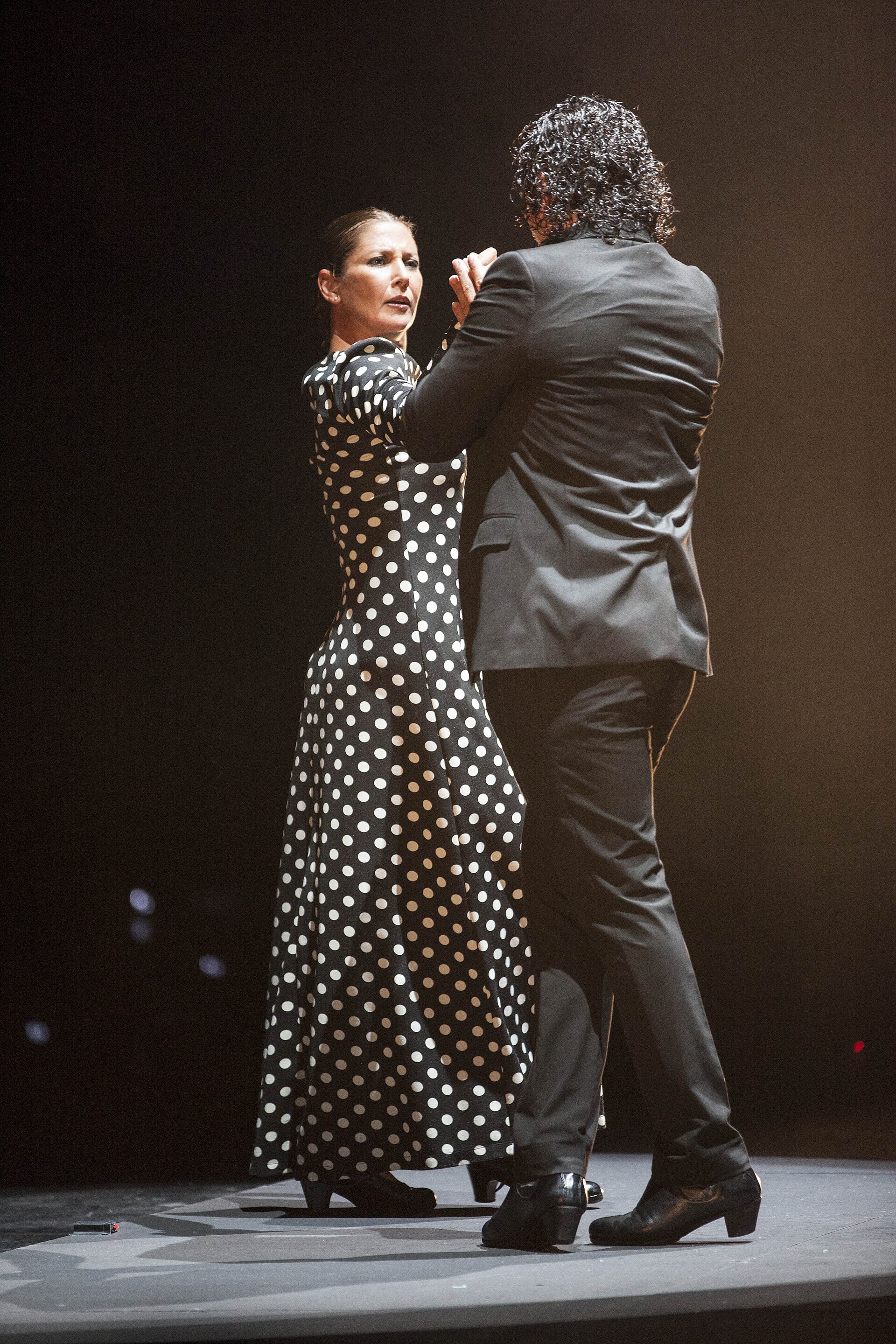
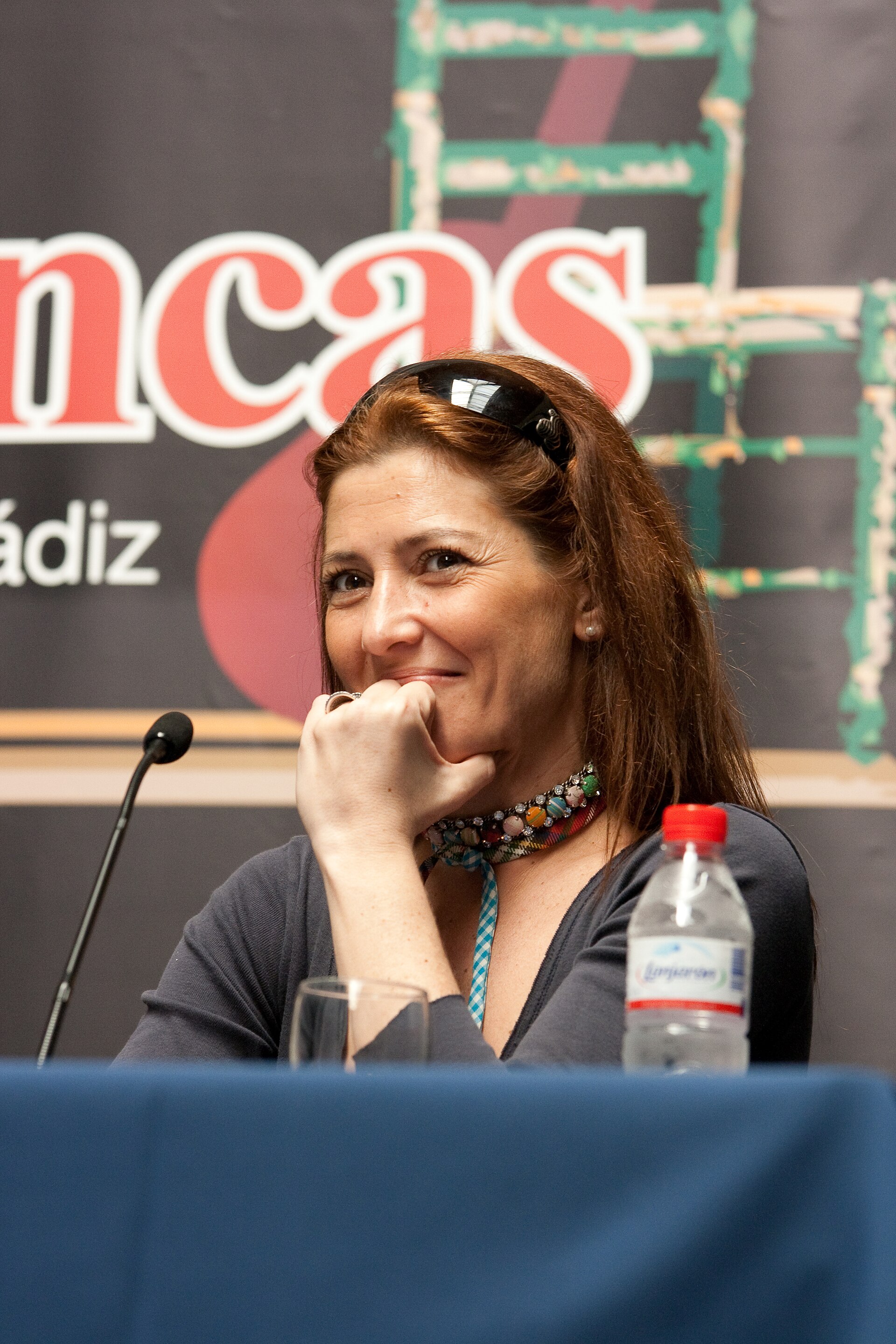
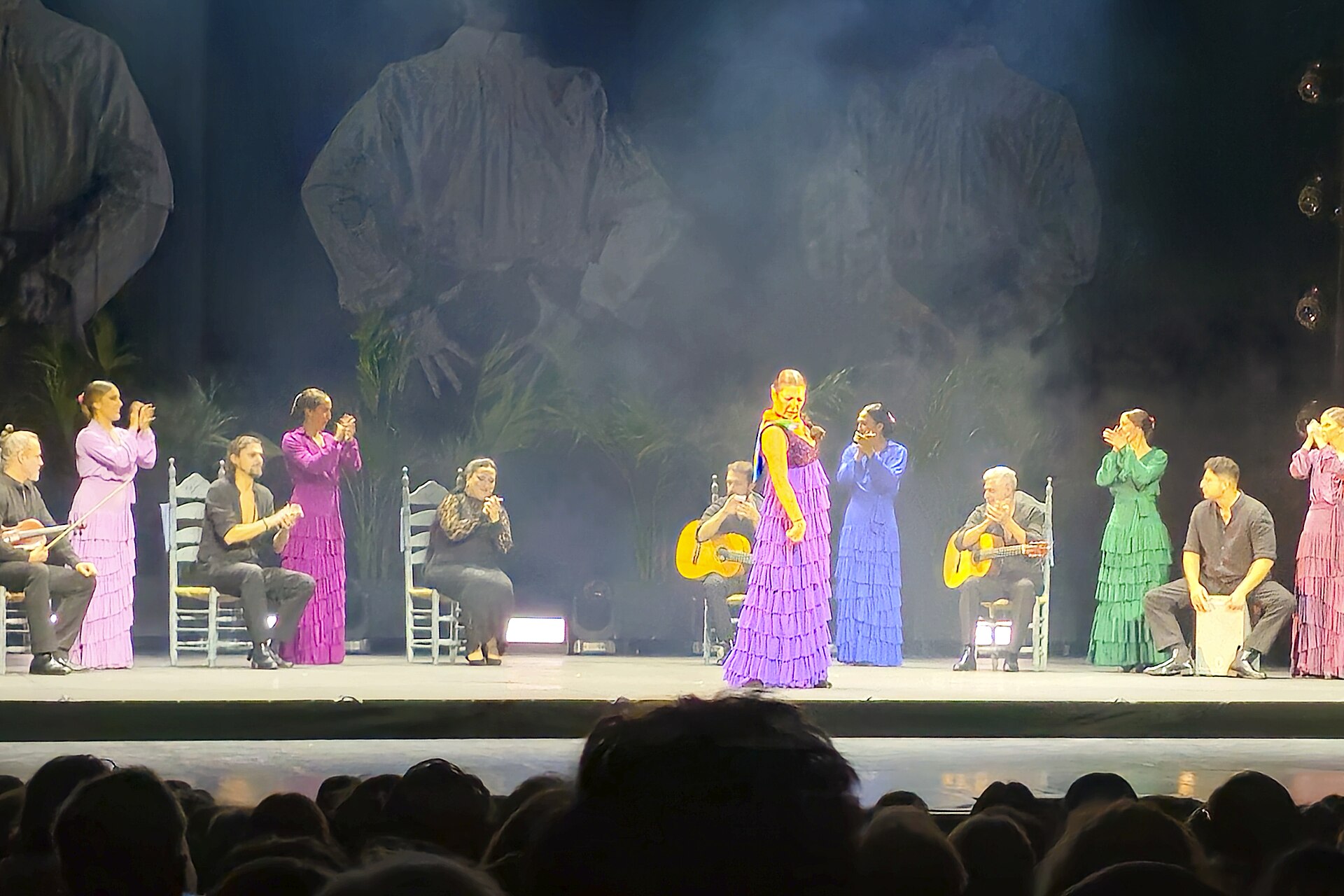
Sara Baras on screen
Films and television featuring Sara Baras, with the sequences we have indexed.
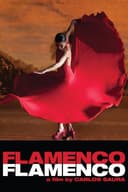
Poster artwork from TMDB.
 This site uses TMDB and the TMDB APIs but is not endorsed, certified, or otherwise approved by TMDB.
Legacy & Impact
Baras matters because she has sustained a choreographer-led flamenco company across decades of international touring while keeping the form's musical and rhythmic specificity visible. Her productions demonstrate how a flamenco artist can build evening-length narrative, design and ensemble structures without treating flamenco as generic Spanish dance. She has also centered forceful female historical and dramatic subjects, presented herself as both dancer and author, and made collaborators legible within large theatrical events. The result is a durable model for flamenco on the international concert stage.


Explore More Legends
Discover the dancers, teachers, choreographers, and cultural icons who shaped how the world moves.
Keep the thread going
Dance history, technique, and the occasional rabbit hole — in your inbox. Thoughtful, infrequent, unsubscribe anytime.
Free. No spam. One click to leave.