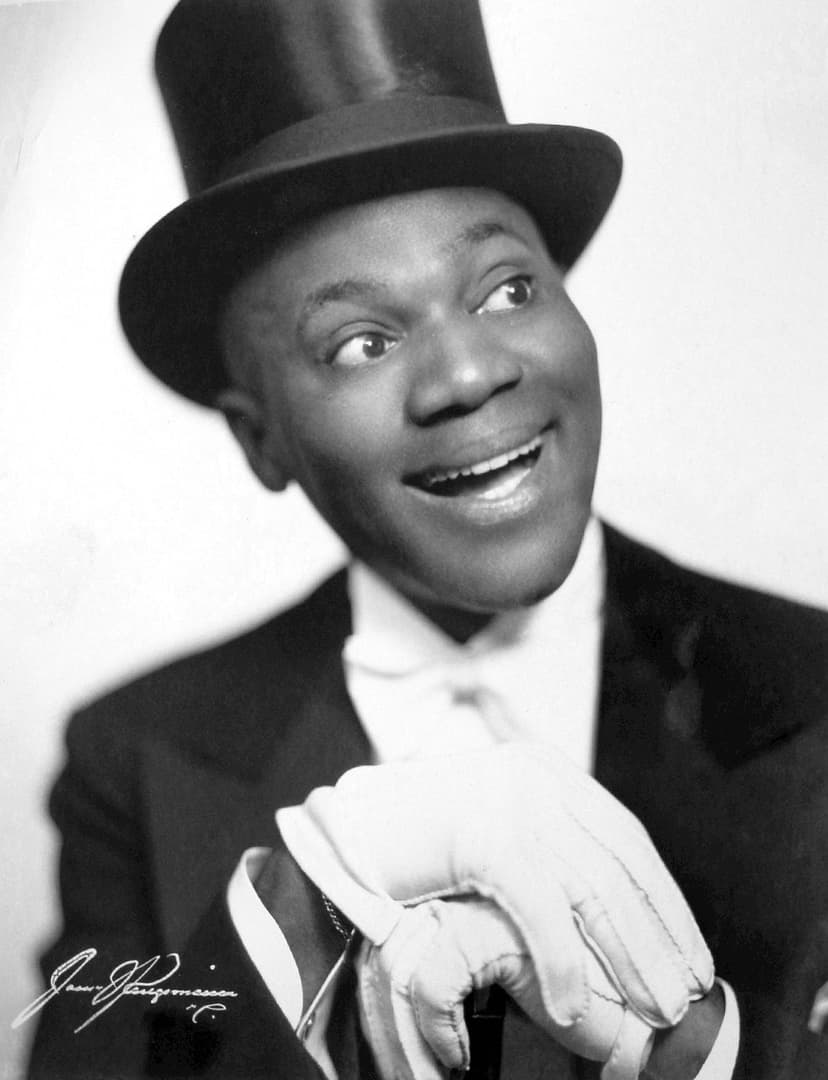
Performer · Film / Screen Icon · Innovator
Bill "Bojangles" Robinson
The Stair Dance King
Why They Matter
He elevated tap dance to art, broke barriers as a Black performer in Hollywood, and created routines still referenced today.
Styles Bill "Bojangles" Robinson shaped
Each one links to the style’s own page — its origins, music, tempo and video.
Watch
Portrait in a Minute: Bill "Bojangles" Robinson (Smithsonian)
A concise National Portrait Gallery introduction to Robinson's career and his signature stair routine.
Biography
Luther Robinson was born in Richmond, Virginia, in 1878 and became known professionally as Bill Bojangles Robinson. Orphaned as a child, he was raised by his grandmother, Bedilia Robinson, who had been enslaved, and he earned money dancing and singing in Richmond's streets before entering touring entertainment. By 1892 he was working in Mayme Remington's The South Before the War. That beginning matters: Robinson's career was forged inside an industry structured by minstrelsy and segregation, even as his later artistry expanded what Black performers could command on major stages.
After arriving in New York around 1900, he built his reputation by defeating the dancer Harry Swinton in a public buck-dancing contest, then partnered with George W. Cooper from 1902 into the mid-1910s on the Keith and Orpheum vaudeville circuits. That partnership operated under vaudeville's discriminatory two-colored rule, which generally prevented a Black artist from appearing alone. When Robinson developed a solo career, his precision, stamina, timing, humor and rapport with audiences made him an unusually prominent Black vaudeville headliner.
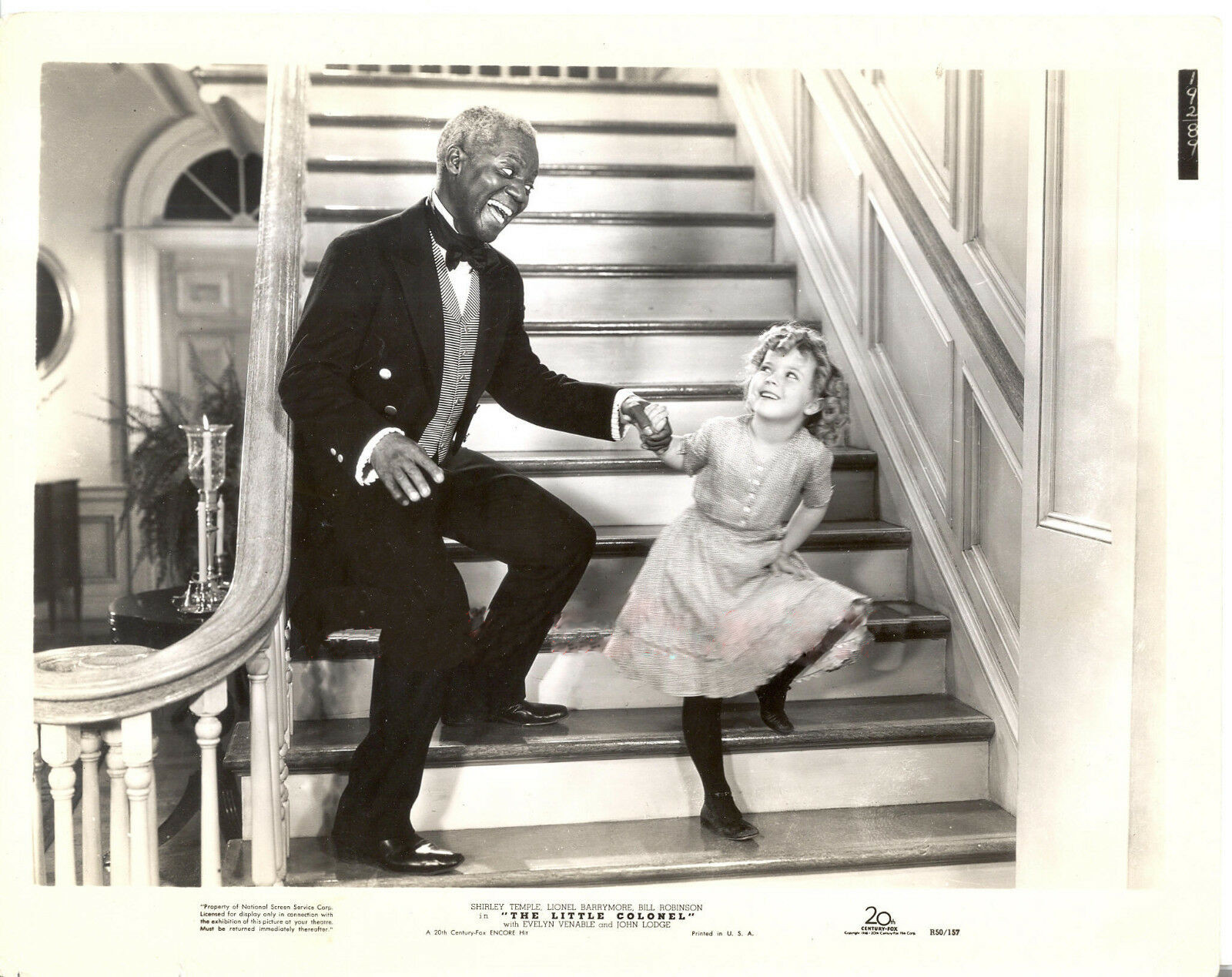
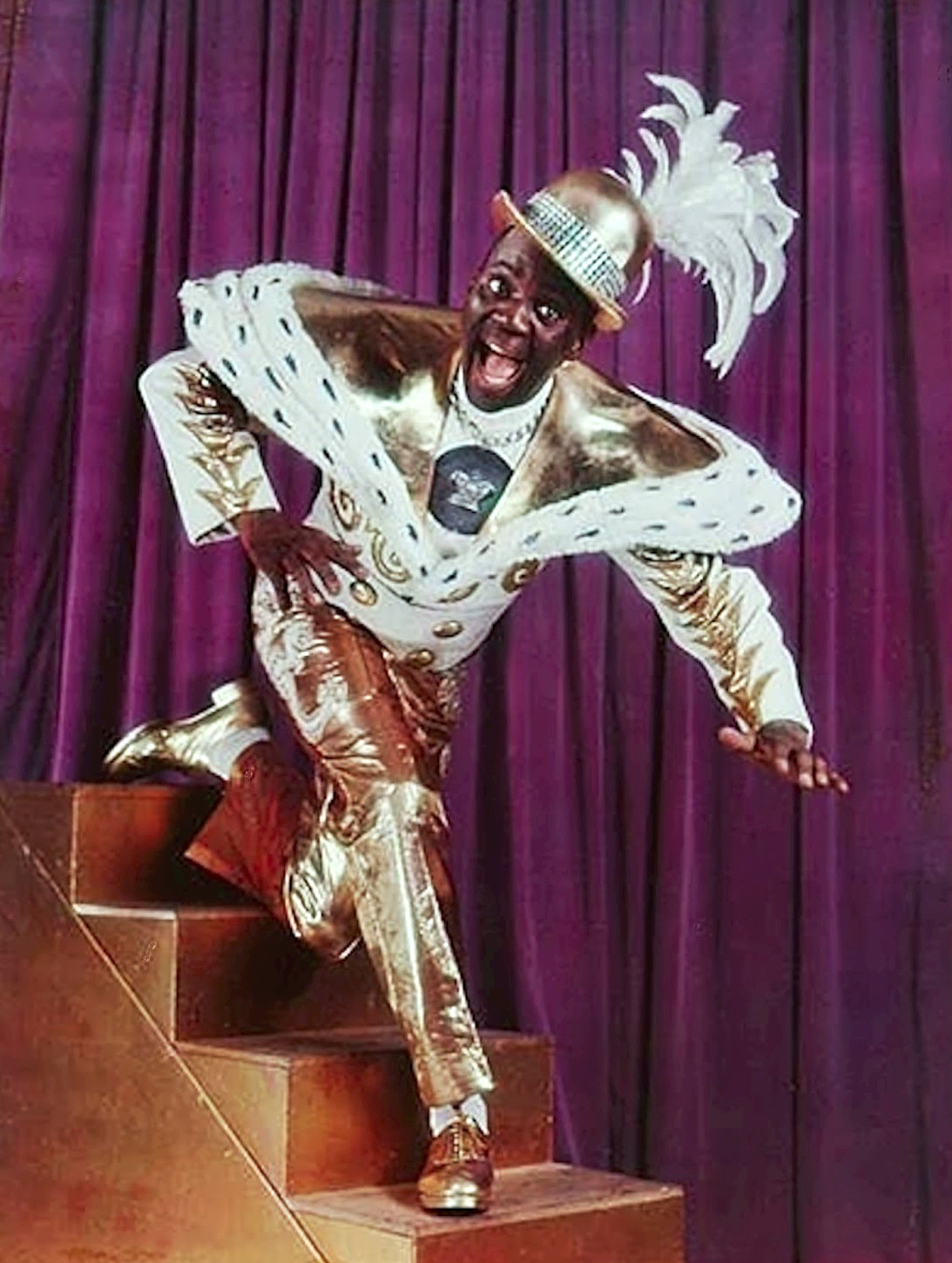
Around 1918 he introduced his celebrated stair dance, wearing split-soled clog shoes and building the routine around the changing pitches and rhythmic possibilities of a staircase, so that each tread and riser became another surface in a carefully shaped progression. His light, upright carriage and clear articulation were often contrasted with lower, heavier forms of buck dancing. Those comparisons should not be read as a claim that he invented dancing on the balls of the feet; rather, he refined a highly recognizable performance language and brought it to an enormous public.
Broadway met Robinson on a new scale in Lew Leslie's Blackbirds of 1928, which ran for more than a year alongside a large company of Black artists including Adelaide Hall. Further credits included Brown Buddies in 1930, the title role in The Hot Mikado in 1939, All in Fun in 1940 and Memphis Bound in 1945. Hollywood then made his dancing visible far beyond the stage: his four films with Shirley Temple included The Little Colonel and The Littlest Rebel in 1935, and their stair dance is widely cited as a landmark image of interracial dancing in a Hollywood feature - its importance coexisting with the films' plantation nostalgia and the servant roles he was given.
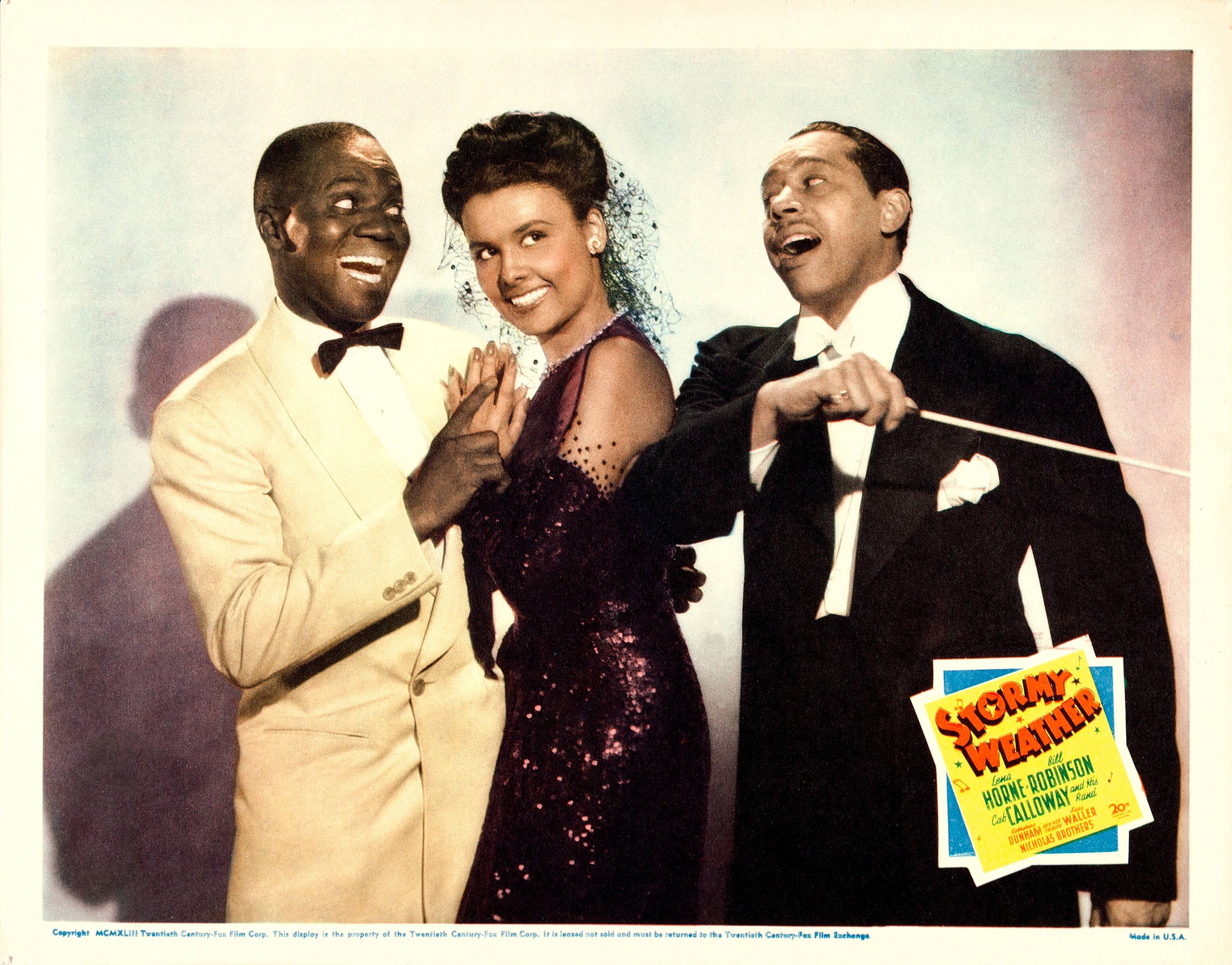
Robinson received one of his richest screen showcases in Stormy Weather in 1943, a film concentrating Black musical and dance artistry that borrows elements from his rise but is not a literal biography. He remained active on stage into the mid-1940s and served as honorary president of the Negro Actors Guild, and he died in New York City on November 25, 1949; within days, leading tap artists formed the Copasetics to preserve his memory. Four decades later, Congress designated May 25 as National Tap Dance Day in recognition of his contribution - placing him inside a larger lineage of a form created collectively across generations rather than above it.
Career Highlights
Secured an early professional engagement with Mayme Remington's touring The South Before the War. American Tap Dance Foundation
Won a highly publicized buck-dancing contest against Harry Swinton in New York. Library of Congress
Began a long vaudeville partnership with George W. Cooper on the Keith and Orpheum circuits. American Tap Dance Foundation
Introduced the stair dance that became his signature theatrical routine. Library of Congress
Joined the Broadway company of Blackbirds of 1928, which ran for more than a year. IBDB
Appeared with Adelaide Hall in the Broadway musical Brown Buddies. IBDB
Performed the stair dance with Shirley Temple in The Little Colonel and appeared with her in The Littlest Rebel. TCM
Starred as the Mikado in the Broadway production of The Hot Mikado. IBDB
Starred opposite Lena Horne in Stormy Weather, a landmark showcase of Black screen performance. TCM
Congress selected May 25 for National Tap Dance Day in recognition of his contribution to tap on stage and film. Congress.gov
Gallery
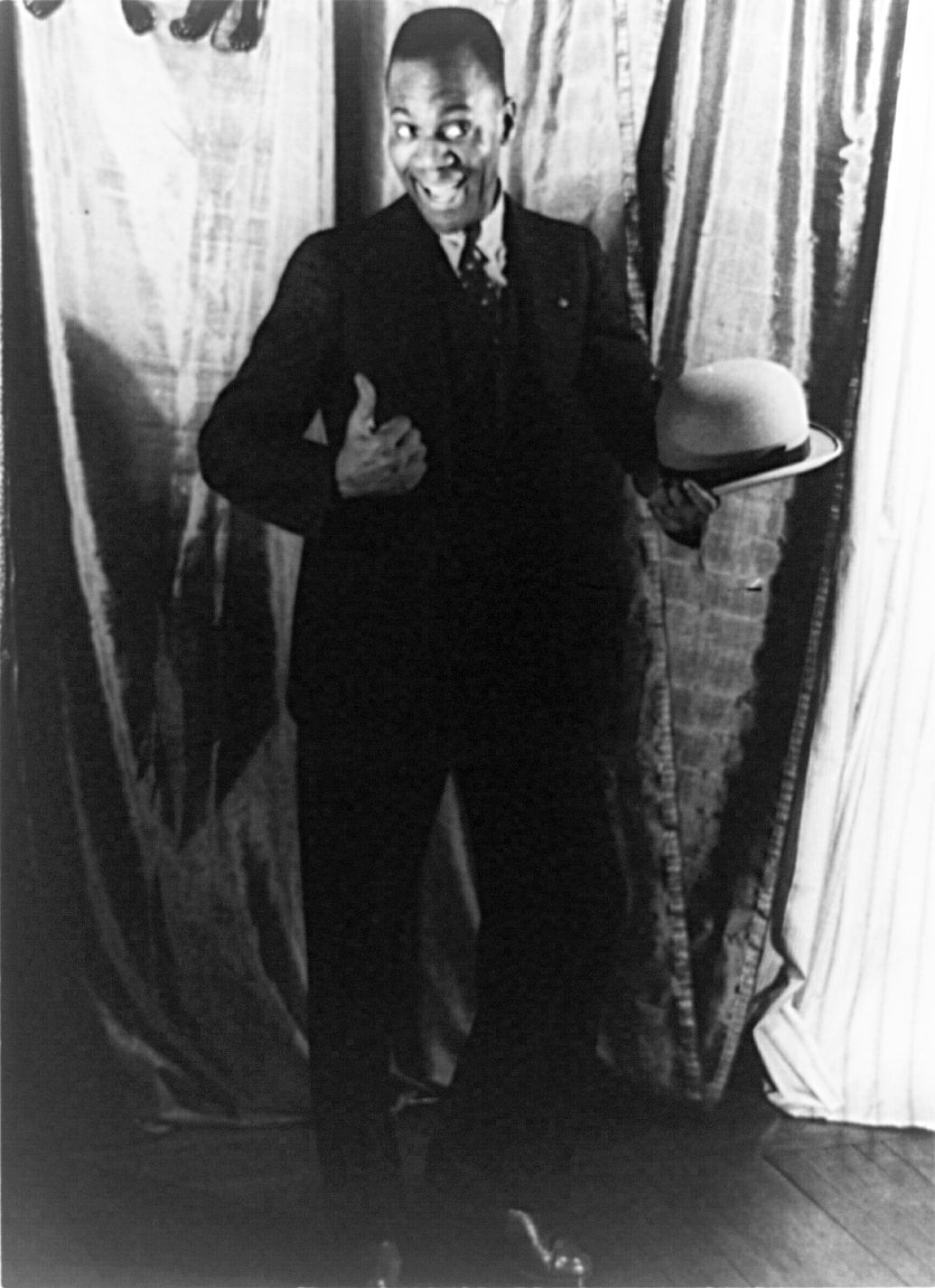
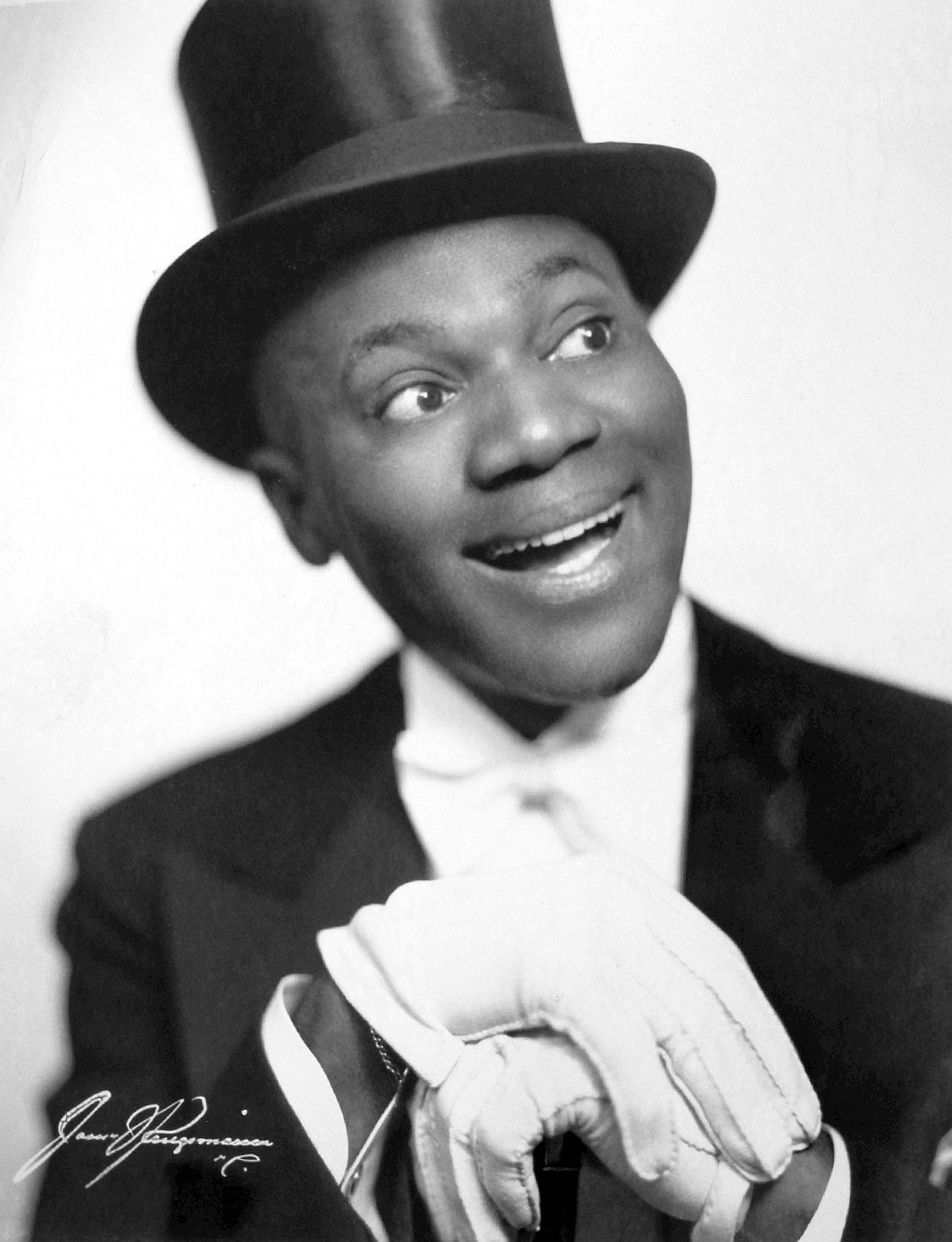
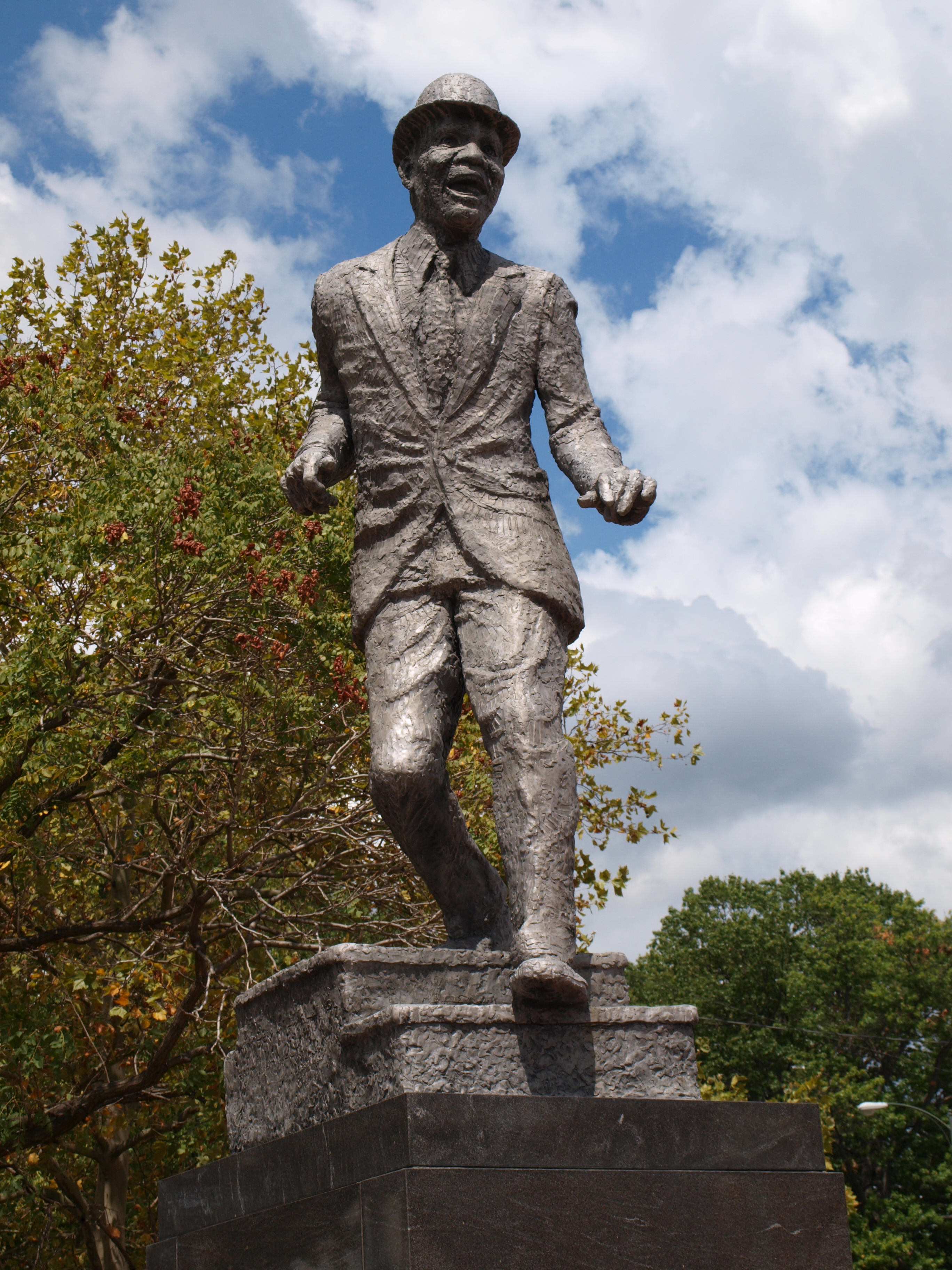
Legacy & Impact
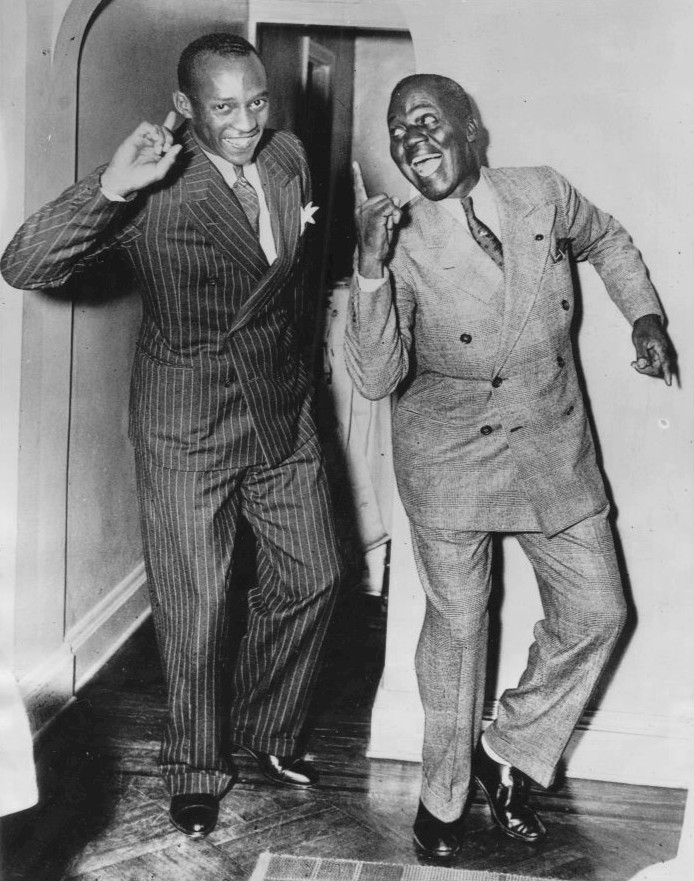
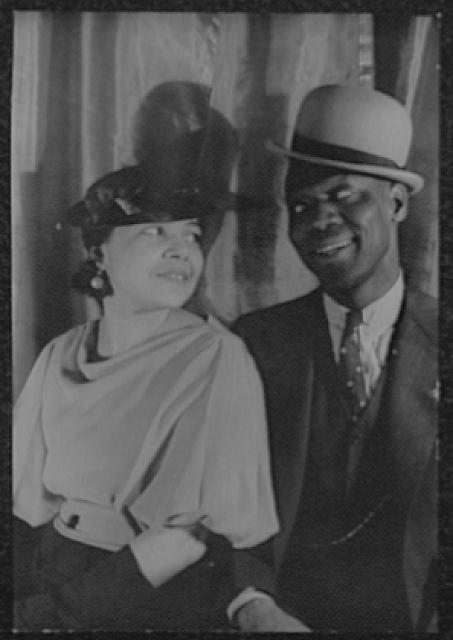
Bill Robinson's legacy lies in the combination of rhythmic authority, theatrical clarity and public reach. He did not create tap by himself, nor was he the first artist to dance upright or on the balls of the feet; what he did was crystallize those qualities into a personal style audiences could recognize instantly, then carry it through street performance, touring minstrelsy, Black vaudeville, major white vaudeville circuits, Broadway, radio and Hollywood. His image is inseparable from the racial constraints of those industries, yet his technique, professionalism and visibility materially enlarged the space available to Black tap artists - and the Copasetics' formation and the congressional choice of his birthday for National Tap Dance Day show how strongly dancers associated him with continuity and the survival of the form.


Explore More Legends
Discover the dancers, teachers, choreographers, and cultural icons who shaped how the world moves.
Keep the thread going
Dance history, technique, and the occasional rabbit hole — in your inbox. Thoughtful, infrequent, unsubscribe anytime.
Free. No spam. One click to leave.