Donna Mckechnie
Legend of Dance
Why They Matter
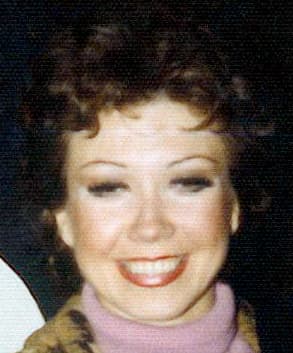
McKechnie matters because she made Broadway dancers' interior lives visible without sacrificing the technical authority of the dancing itself. Her career traverses ensemble labor, featured dance, leading performance and later teaching and narration. Cassie became iconic, but the deeper legacy lies…
Watch
Best Actress 1976 Tony Awards
The Tony Awards
Documents McKechnie's Tony recognition for Cassie in A Chorus Line
Biography
Donna McKechnie was born in Pontiac, Michigan, and grew up in the Detroit area. Seeing the 1948 film *The Red Shoes* helped focus her ambition on dance. She trained in ballet and moved to New York while still young, shifting from classical aspiration toward the commercial and theatrical forms that would define her career.
Her Broadway debut came in the original production of *How to Succeed in Business Without Really Trying* in 1961. Throughout the 1960s, she became closely associated with Michael Bennett's choreography, most notably in *Promises, Promises* (1968), where the ensemble dancing made her a particularly visible interpreter of his sharply accented, rhythmically exact movement language. In 1970, she originated the role of Kathy in Stephen Sondheim and George Furth's *Company*, performing "Tick-Tock," a dance sequence choreographed by Bennett. The following year she played Ivy Smith in the Broadway revival of *On the Town*, confirming her unusual position as both a precision ensemble dancer and a character-bearing leading performer.
McKechnie's defining role was Cassie in the original 1975 production of *A Chorus Line*, conceived, directed and choreographed by Michael Bennett with co-choreography credited to Bob Avian. Cassie's story placed a once-featured dancer back in an audition line, turning the labor, vulnerability and ambition of Broadway dancers into the subject of the musical. McKechnie's sustained solo became the dramatic center of that conflict, and her performance won the 1976 Tony Award for Best Actress in a Musical.
Her later career included a return to *A Chorus Line* in 1986, regional and touring work, cabaret, and teaching. In 1996 she appeared on Broadway in *State Fair*. She documented her career in the 2006 memoir *Time Steps: My Musical Comedy Life*, written with Greg Lawrence, shifting her legacy from performance alone toward witness and transmission—she could explain the conditions, collaboration and bodily costs behind canonical Broadway numbers. In 2024, McKechnie returned to Broadway as Madame Morrible in *Wicked*, departing in 2025. Her continued public appearances connect first-person memory to a work now performed by multiple generations, though Cassie's solo remains inseparable from the line of dancers surrounding it and from the show's collective workshop origins.
Career Highlights
Made her Broadway debut in How to Succeed in Business Without Really Trying. IBDB
Appeared in Promises, Promises, beginning a major Broadway association with Michael Bennett's choreography. Masterworks Broadway
Originated Kathy in Company and performed Bennett's “Tick-Tock” dance sequence. Masterworks Broadway
Played Ivy Smith in the Broadway revival of On the Town. Masterworks Broadway
Originated Cassie in A Chorus Line. IBDB
Won the Tony Award for Best Actress in a Musical for A Chorus Line. Tony Awards
Returned to the Broadway production of A Chorus Line as Cassie. IBDB
Appeared on Broadway as Emily Arden in State Fair. IBDB
Published Time Steps: My Musical Comedy Life with Greg Lawrence. Simon & Schuster
Joined the Broadway company of Wicked as Madame Morrible. Laurie Beechman Theatre
Gallery
Legacy & Impact
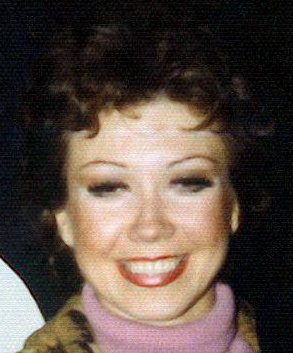
McKechnie matters because she made Broadway dancers' interior lives visible without sacrificing technical authority. Her career traverses ensemble labor, featured dance, leading performance, and later teaching and narration. Cassie became iconic, but the deeper legacy lies in her capacity to join exact musical phrasing with dramatic exposure: audiences see not only a polished performer, but the negotiation between artistry, employment, aging and identity that structures a dancer's working life.


Explore More Legends
Discover the dancers, teachers, choreographers, and cultural icons who shaped how the world moves.
Keep the thread going
Dance history, technique, and the occasional rabbit hole — in your inbox. Thoughtful, infrequent, unsubscribe anytime.
Free. No spam. One click to leave.