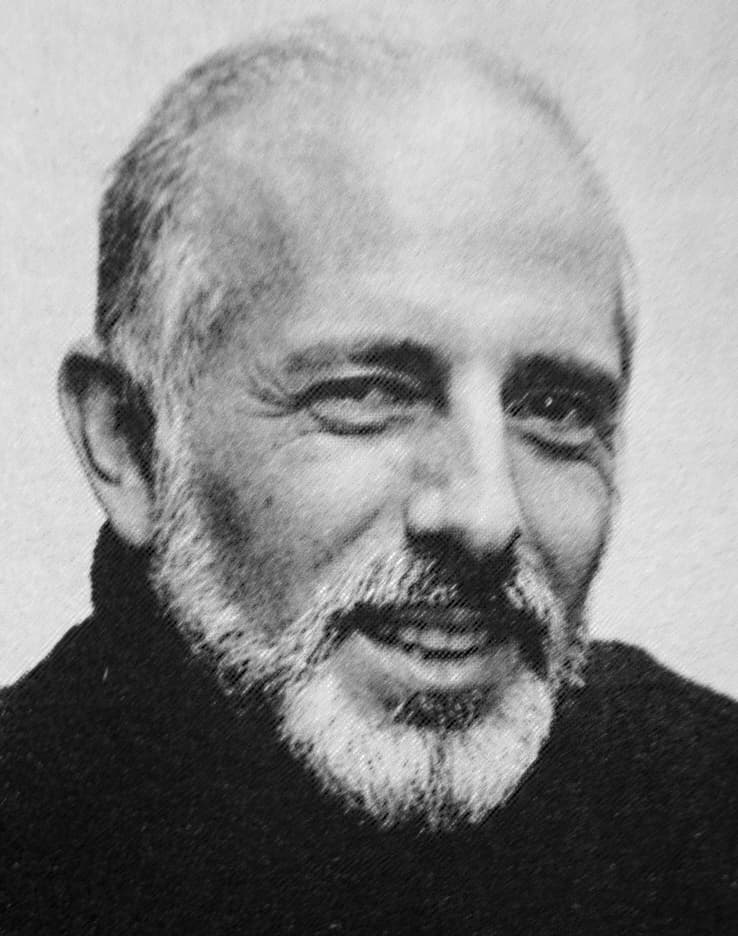
Choreographer · Innovator · Stage Icon
Jerome Robbins
Broadway's Ballet Master
Why They Matter
He bridged the world of concert ballet and commercial theater, proving both could achieve greatness.
Known For
Styles Jerome Robbins shaped
Each one links to the style’s own page — its origins, music, tempo and video.
Watch
Jerome Robbins and New York City Ballet
A company-authored introduction to Robbins's long relationship with NYCB and the breadth of his ballet repertory.
Adrian Danchig-Waring on Dances at a Gathering (NYCB)
A principal dancer explains the apparent ease and windswept quality Robbins demands inside exact classical technique.
Russell Janzen on Glass Pieces (NYCB)
Connects the ballet's abstract structure to the lived pulse of New York and Robbins's use of pedestrian walking.
Kristen Segin on N.Y. Export: Opus Jazz (NYCB)
On the apparent looseness, peer bonding and exact ensemble demands of Robbins's 1958 'ballet in sneakers.'
Dances at a Gathering pas de deux (The Royal Ballet)
Francesca Hayward and William Bracewell perform a clear example of Robbins's intimate, conversational partnering.
Wise and Robbins win the Directing Oscar for West Side Story (Academy)
Primary award-ceremony footage documenting the shared directing award - a safeguard against sole-director wording.
Indiana Woodward and Harrison Ball on Dances at a Gathering
New York City Ballet
The dancers discuss humanity, community, and love in a plotless ensemble work.
Megan Fairchild on Dances at a Gathering
New York City Ballet
A role-specific account of how Robbins differentiates personalities without a fixed narrative.
Tiler Peck on Dances at a Gathering
New York City Ballet
Useful first-person performer insight into repose and timing in Robbins's Chopin ballet.
Biography
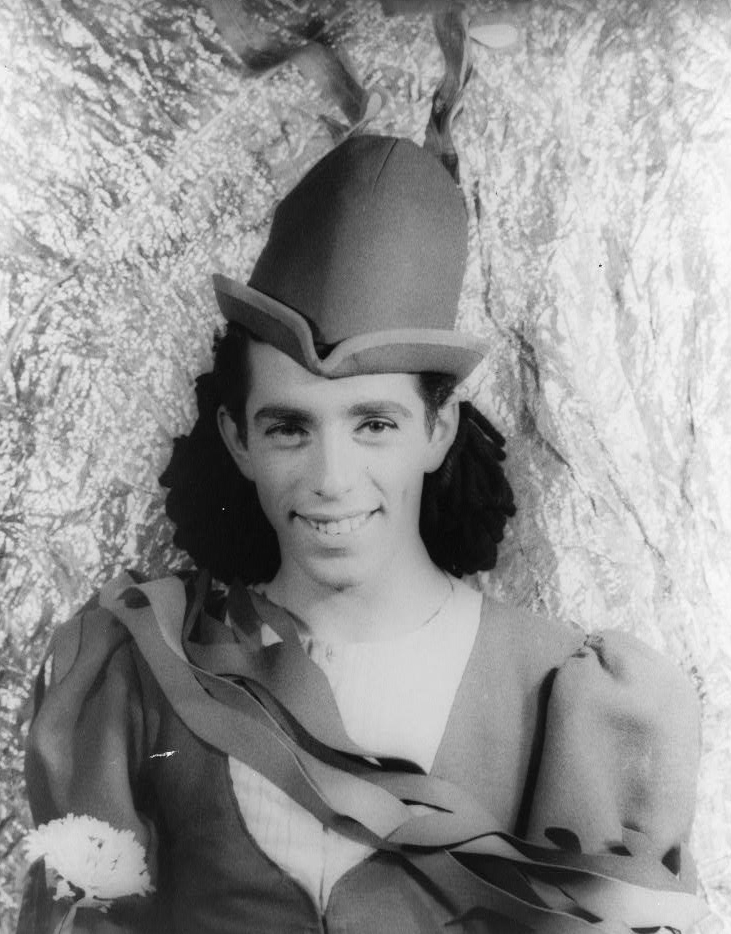
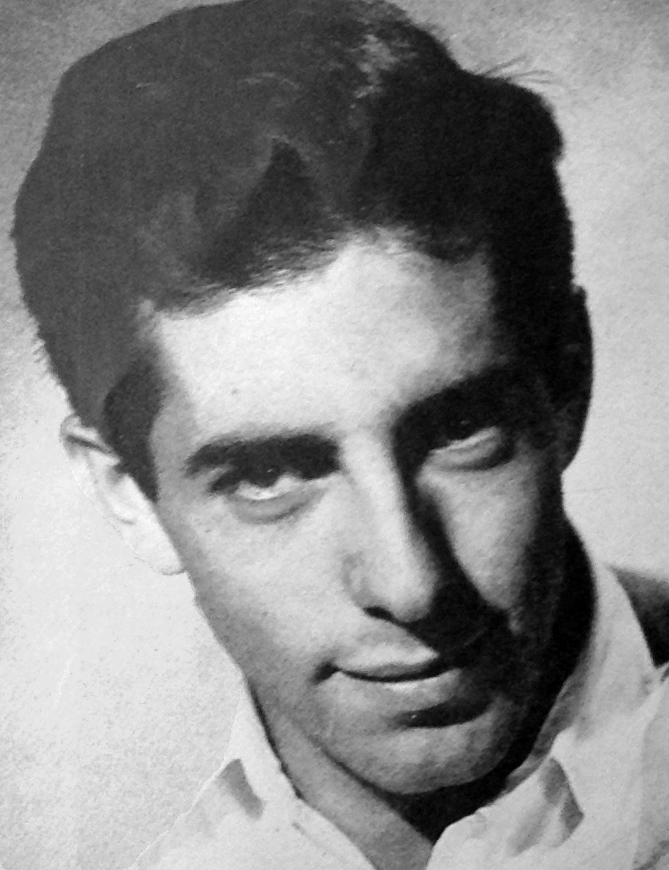
Jerome Robbins was born Jerome Wilson Rabinowitz in New York City on October 11, 1918, the younger child of Harry Rabinowitz and Lena Rips; he later worked professionally under the surname Robbins. His father, an immigrant from Poland, eventually settled the family in Weehawken, New Jersey, where the Comfort Corset Company and frequent trips across the Hudson fed a young imagination steeped in music, amateur theatricals and performance. He graduated from Woodrow Wilson High School in 1935 and briefly attended New York University, but the Depression damaged the family business and ended his studies. His older sister Sonia, already a dancer, helped him find a place in Senya Gluck-Sandor's Dance Center, a mixed world of modern dance, ballet, theatre and revue that became an early model for an artist who would refuse the border between serious dance and popular entertainment.
Robbins trained in ballet with Ella Daganova, studied acting and modern dance, appeared with the Yiddish Art Theatre, and spent formative summers at Camp Tamiment in Pennsylvania, whose rapid weekly revues taught him to shape character, comedy and musical timing under pressure. He danced in Broadway ensembles before joining Ballet Theatre - later American Ballet Theatre - in 1940, rising from the corps to principal roles such as Petrouchka within repertory by Fokine, Tudor and de Mille. Ballet Theatre also gave him his first major choreographic opening: with a score by the young Leonard Bernstein, Fancy Free premiered on April 18, 1944, sending three sailors on shore leave through classical command, streetwise looseness and recognizably human awkwardness. Its success led that same year to On the Town, developed with Bernstein, Betty Comden, Adolph Green, director George Abbott and designer Oliver Smith.
The late 1940s established Robbins as a rare force in both ballet and Broadway. He won his first Tony Award for choreographing High Button Shoes and joined New York City Ballet, becoming its associate artistic director in 1949 - the company having been founded by George Balanchine and Lincoln Kirstein, not by Robbins. His works there ranged from the predatory female world of The Cage to the hushed intimacy of Afternoon of a Faun and the affectionate comic disorder of The Concert. His Broadway work grew more dramatically integrated in the same years: the 'Small House of Uncle Thomas' sequence in The King and I staged a dance narrative inside the musical, and he won an Emmy for the televised Peter Pan in 1955.
This ascent carries a grave historical counterpoint. On May 5, 1953, Robbins testified before the House Un-American Activities Committee, acknowledged former Communist Party membership and named other people, who then faced consequences within an already coercive blacklist culture. Accounts report that he had been threatened with public exposure of his homosexuality, and historians weigh career fear, political disillusionment and personal pressure differently; the exact number named and the precise motive vary among secondary sources, but the central act is not in dispute. It belongs in his story plainly and compassionately - neither omitted, nor sensationalized, nor treated as settled in its motive.
Robbins's most influential musical-theatre decade continued with West Side Story in 1957, which he conceived, directed and choreographed alongside composer Leonard Bernstein, book writer Arthur Laurents, lyricist Stephen Sondheim and designer Oliver Smith. Dance did not decorate the conflict; it established the gangs' identities, territory, desire and violence. He founded Ballets: U.S.A. in 1958 (creating N.Y. Export: Opus Jazz and Moves) and directed and choreographed Gypsy in 1959. For the 1961 film of West Side Story he shared directing credit with Robert Wise, receiving the directing Academy Award jointly with Wise and a separate honorary Academy Award for his achievement in film choreography. Fiddler on the Roof followed in 1964, made with Joseph Stein, Jerry Bock, Sheldon Harnick, producer Harold Prince and designer Boris Aronson, and brought him Tony Awards for both direction and choreography.
After Fiddler, Robbins returned to ballet. Dances at a Gathering (1969), set to Chopin for ten dancers, brought him back to New York City Ballet after thirteen years, its relationships arising and dissolving without conventional plot; The Goldberg Variations, In the Night, Watermill and Other Dances explored different modes of musical listening and theatrical time. Glass Pieces (1983), set to Philip Glass, sent walkers, runners and classical dancers through an urban architecture of repeated pulses and crossing paths. After Balanchine's death, Robbins and Peter Martins were named co-ballet masters in chief of New York City Ballet in 1984. In 1989 Jerome Robbins' Broadway restaged material from his musical-theatre career and won him the Tony Award for best direction of a musical. His honors included the 1981 Kennedy Center Honors, the 1988 National Medal of Arts and France's Legion of Honour, and his support helped build the New York Public Library's moving-image dance archive, renamed the Jerome Robbins Dance Division in 1999. He died at his Manhattan home on July 29, 1998, aged seventy-nine.
Career Highlights
Joined Ballet Theatre (later American Ballet Theatre), the platform from which he rose to principal dancer and choreographer. Jerome Robbins Foundation
Fancy Free premiered to Leonard Bernstein's score at the Metropolitan Opera House; On the Town opened on Broadway later that year. Jerome Robbins Foundation
Received the Tony Award for choreography for High Button Shoes (which opened in 1947). Tony Awards
Became New York City Ballet's associate artistic director and created The Guests for the company. New York City Ballet
Afternoon of a Faun, created for Tanaquil Le Clercq and Francisco Moncion, premiered at New York City Ballet. New York City Ballet
West Side Story - which he conceived, directed and choreographed with Bernstein, Laurents and Sondheim - opened on Broadway. Playbill
Formed Ballets: U.S.A. and won the Tony Award for the choreography of West Side Story. Tony Awards
Shared the directing Academy Award for West Side Story with Robert Wise and received a separate honorary Award for film choreography. Academy of Motion Picture Arts and Sciences
Received Tony Awards for both direction and choreography of Fiddler on the Roof. Tony Awards
Dances at a Gathering premiered at New York City Ballet, opening an exceptionally productive return to ballet-making. New York City Ballet
Named co-ballet master in chief of New York City Ballet with Peter Martins, the year after Glass Pieces premiered. New York City Ballet
Jerome Robbins' Broadway opened and earned him the Tony Award for best direction of a musical. Jerome Robbins Foundation
Gallery
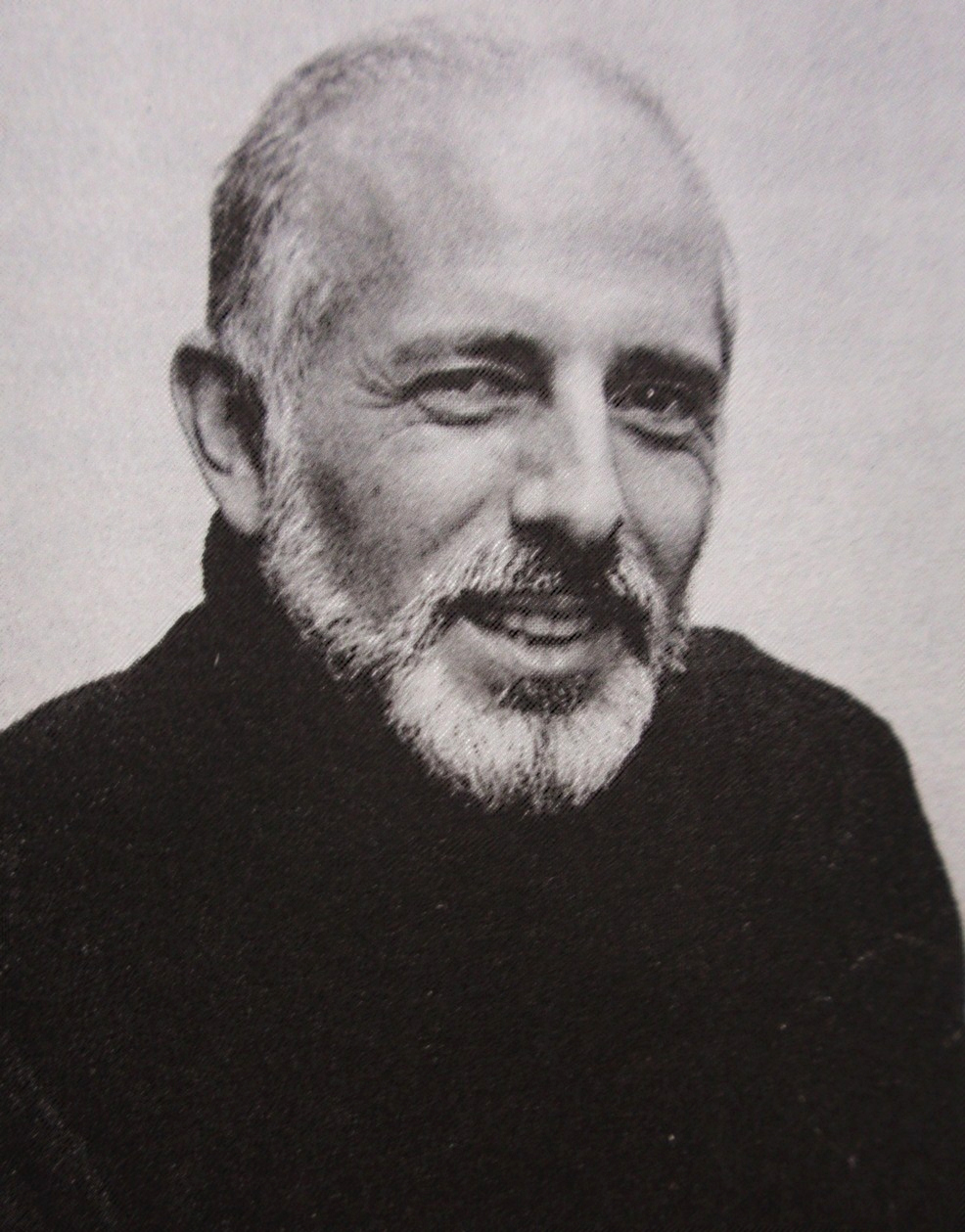
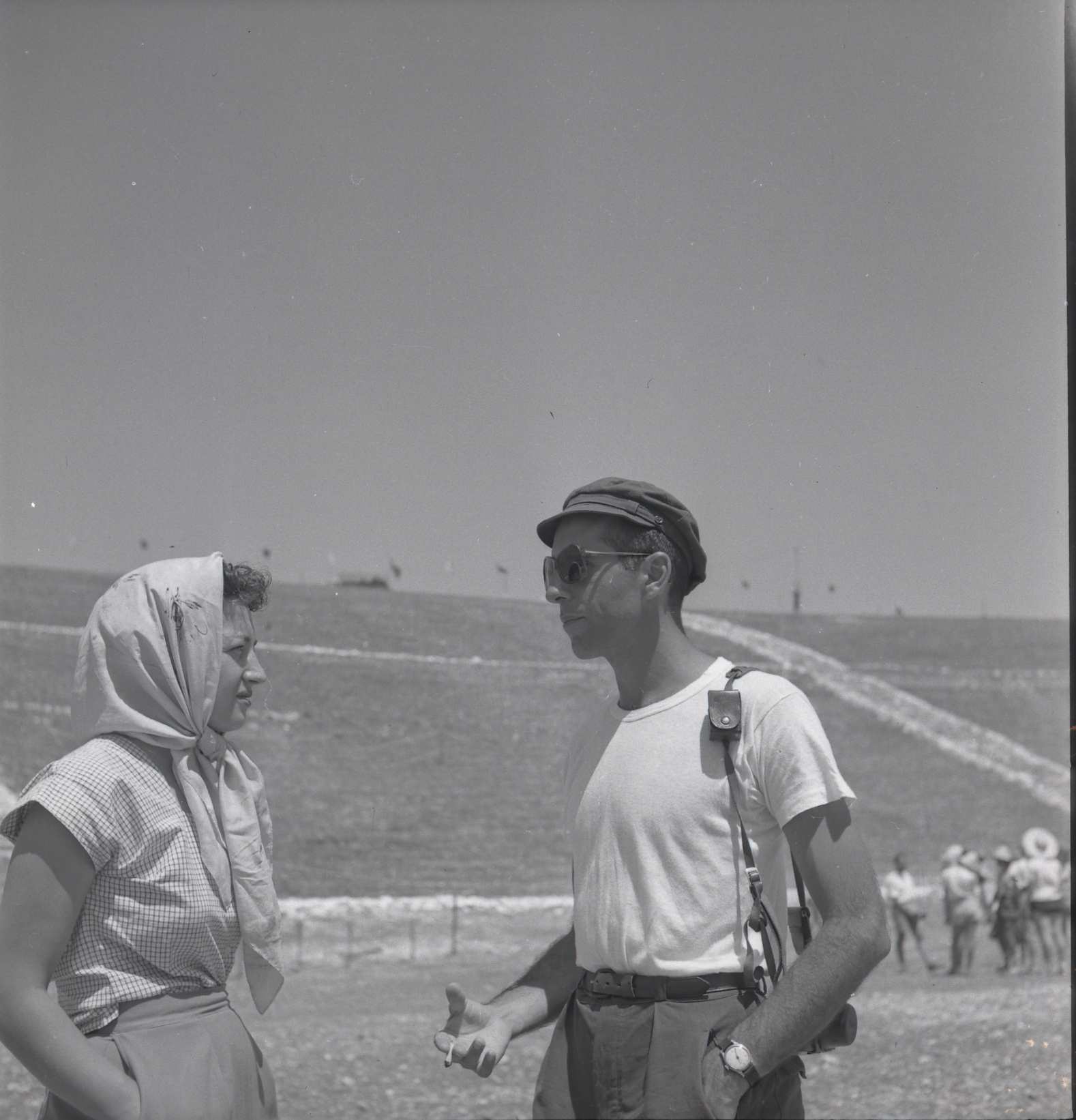
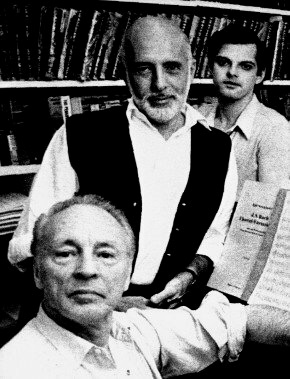
Works
21 stage works credited to Jerome Robbins, 1944–1997 · 2 reached the screen.
- Fancy Free (1944)Ballet · Choreographer
- The Guests (1949)Ballet · Choreographer
- Age of Anxiety (1950)Ballet · Choreographer
- The Concert (1956)Ballet · Choreographer
- West Side Story (1957)Musical theatre · Choreographer · 2 screen versions
- The Goldberg Variations (1971)Ballet · Choreographer
- Dybbuk (1974)Ballet · Choreographer
- Four Bagatelles (1974)Ballet · Choreographer
- Andantino (1981)Ballet · Choreographer
- Concertino (1982)Ballet · Choreographer
- I'm Old Fashioned (1983)Ballet · Choreographer
- Glass Pieces (1983)Ballet · Choreographer
- Brahms/Handel (1984)Ballet · Choreographer
- Antique Epigraphs (1984)Ballet · Choreographer
- In Memory Of ... (1985)Ballet · Choreographer
- A Suite of Dances (1994)Ballet · Choreographer
- Brandenburg (1997)Ballet · Choreographer
- Requiem CanticlesBallet · Choreographer
- Eight LinesBallet · Choreographer
- Ma Mère L'Oye (Mother Goose)Ballet · Choreographer
- Something to Dance AboutBallet · Choreographer
Credits sourced from Wikidata (CC0), one citation per field. Works without a recorded premiere date are listed last. Titles link to the work in Limelight.
Jerome Robbins on screen
Films and television featuring Jerome Robbins, with the sequences we have indexed.
 West Side Story (1961)12 sequences indexedDance at the Gym — Mambo · 00:36:28 · chor. Jerome RobbinsDance at the Gym — Cha-Cha · 00:39:40 · chor. Jerome RobbinsDance at the Gym · chor. Jerome Robbins
 Ballet 422 (2014)1 sequence indexedPeck returns to the stage after his own premiere · chor. Jerome Robbins
Poster artwork from TMDB.
 This site uses TMDB and the TMDB APIs but is not endorsed, certified, or otherwise approved by TMDB.
Follow & Links
Legacy & Impact
Jerome Robbins matters because he expanded what choreographic intelligence could do inside American culture. He treated the classical vocabulary as a living dramatic instrument and everyday behavior - a hand in a pocket, a wary glance, a walk that declares who belongs to which group - as material worthy of exact composition. His ballets remain central to major companies; his musical-theatre work proved that dance could carry plot, psychology and social conflict; and his film work showed how choreography could be reconceived through camera, location and editing. That repertory is inseparable from the collaborators and dancers who built it with him, and his rehearsal culture is remembered as demanding and at times harsh - a truth that should not be romanticized. What endures is his particular gift for making music, gesture, space and character feel mutually necessary, together with a material legacy - the Jerome Robbins Dance Division and its moving-image archive - that preserves far more dance history than his own.


Explore More Legends
Discover the dancers, teachers, choreographers, and cultural icons who shaped how the world moves.
Keep the thread going
Dance history, technique, and the occasional rabbit hole — in your inbox. Thoughtful, infrequent, unsubscribe anytime.
Free. No spam. One click to leave.