Performer
Joe Layton
Dancer
Why They Matter
Layton matters because his career joined dance-making to the larger work of theatrical construction. His credits repeatedly combine choreography, direction, conception, and musical staging, showing how a choreographer could determine not only steps but also pacing, visual composition, transitions…
Known For
Biography
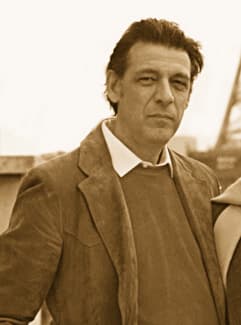
Joe Layton, born Joseph Lichtman in Brooklyn in 1931, was a Broadway choreographer and director who helped shape the visual language of postwar American musical theatre. He graduated from New York's School of Music and Art in 1948 and entered professional theatre as a dancer, performing in *Gentlemen Prefer Blondes* and the original Broadway production of *Wonderful Town* in 1953. By the late 1950s, Layton had shifted decisively into musical staging, receiving Broadway credit for his work on both *Once Upon a Mattress* and *The Sound of Music* in 1959—establishing a career pattern in which dance functioned not as decoration but as a means of organizing character, ensemble movement, theatrical scale, and the transitions between spoken and musical action.
Layton's breakthrough came with Richard Rodgers's *No Strings* in 1962, which he both directed and choreographed while winning the Tony Award for choreography. In 1968 he again combined direction and choreography on *George M!*, receiving his second Tony for choreography in 1969. These twin wins anchored his place among the leading movement-makers of the era.
His practice extended readily between Broadway and television. He choreographed the 1965 CBS special *My Name Is Barbra*, winning an Emmy for Outstanding Individual Achievements in Entertainment—Choreographers, with later Emmy nominations for *Color Me Barbra* and *Barbra Streisand … and Other Musical Instruments*.
During the 1970s and 1980s, Layton expanded from choreographer to overall theatrical architect. His credits include directing and choreographing Bette Midler's *Clams on the Half Shell Revue*, directing *An Evening with Diana Ross*, and directing and providing musical staging for *Barnum*, which earned him Tony nominations for both direction and choreography in 1980. He also worked in film and large public events, staging a segment of the 1984 Los Angeles Olympics closing ceremony and the 1993 presidential inaugural concert at the Lincoln Memorial.
Layton died in Key West on May 5, 1994. His archive at the New York Public Library preserves scripts, production files, correspondence, photographs, and materials spanning his stage, television, and live-event work, providing a substantial institutional record for future scholarship.
Career Highlights
Performed in the original Broadway production of Wonderful Town. IBDB
Received Broadway credit for musical staging on both Once Upon a Mattress and The Sound of Music. IBDB
Directed and choreographed No Strings and won the Tony Award for choreography. IBDB
Won an Emmy for choreographing the CBS special My Name Is Barbra. Television Academy
Directed and choreographed George M! and received his second Tony Award for choreography. IBDB
Directed and choreographed Bette Midler's Broadway concert production Clams on the Half Shell Revue. IBDB
Directed the Broadway engagement An Evening with Diana Ross. IBDB
Directed and provided musical staging for Barnum, earning Tony nominations in both categories. IBDB
Directed An Evening with Harry Connick Jr. and His Orchestra on Broadway. IBDB
Staged the presidential inaugural concert at the Lincoln Memorial, according to his contemporary obituary. Los Angeles Times
Gallery
Legacy & Impact
Layton matters because his career joined dance-making to the larger work of theatrical construction. His repeated credits in choreography, direction, musical staging, and overall conception demonstrate how a choreographer could determine not only steps but also pacing, visual composition, transitions, star presentation, and the architecture of an entire event. The twin Tony Awards and Emmy recognition confirm that this cross-medium command was recognized at the highest institutional levels of American theatre and television.


Explore More Legends
Discover the dancers, teachers, choreographers, and cultural icons who shaped how the world moves.
Keep the thread going
Dance history, technique, and the occasional rabbit hole — in your inbox. Thoughtful, infrequent, unsubscribe anytime.
Free. No spam. One click to leave.