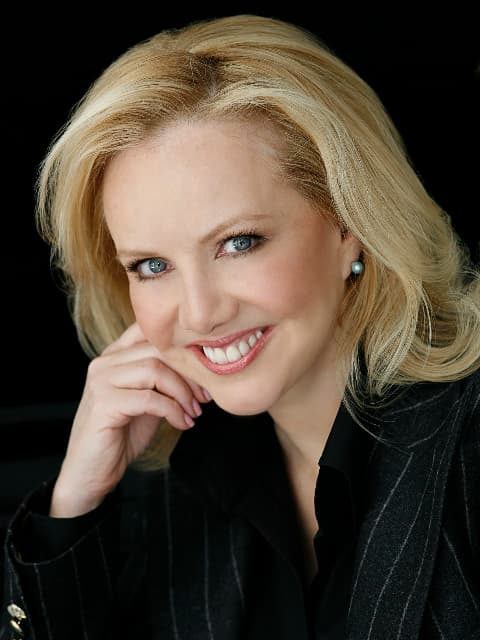
Susan Stroman
Legend of Dance
Why They Matter
Stroman matters because she has repeatedly treated dance as dramatic authorship rather than decoration. Across conventional book musicals and the dance-led structure of Contact, choreography reveals desire, status, comic timing, conflict, and transformation. Her career also models a route from…
Biography
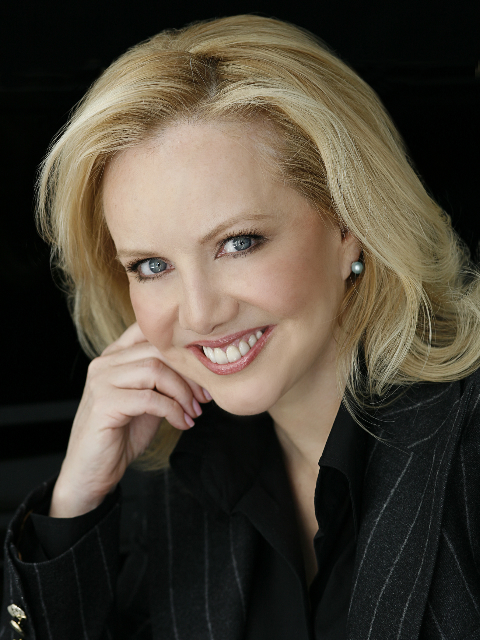
Susan Stroman is an American choreographer, director, performer, and conceiver whose five Tony Awards reflect her transformation of dance into a primary engine of character and narrative on Broadway. Born in Wilmington, Delaware, in 1954, she studied theatre at the University of Delaware, developing the combined dance-and-dramatic vocabulary that would define her professional work.
Stroman began on Broadway as a performer, appearing in the 1977 revival of *Chicago* and the 1979 revival of *Whoopee!*. By 1980, on *Musical Chairs*, she was credited as dance captain and assistant to the director and choreographer—a progression from executing choreography to maintaining and eventually creating it that shaped her later stagecraft.
Her breakthrough as a choreographer came with *Crazy for You* in 1992, earning her first Tony Award for choreography. Her work on the 1994 revival of *Show Boat* brought a second Tony, establishing her ability to organize ensemble movement while keeping individual characters legible within complex stage pictures. In 2000, she directed, choreographed, and co-conceived *Contact* with John Weidman—a production in which three dance-centered stories used movement as the primary means by which characters pursued connection and change. *Contact* brought her a third Tony for choreography.
The following season, Stroman directed and choreographed *The Producers*, winning Tonys for both direction of a musical and choreography in 2001—her fourth and fifth competitive wins. Her later career has ranged across Broadway, ballet, opera, film, and dance-driven dramatic work, including *The Scottsboro Boys*, *Bullets Over Broadway*, and *New York, New York*, extending a consistent concern: using rhythm, spatial design, gesture, and theatrical machinery to clarify story.
Career Highlights
Made her Broadway debut as a performer in the revival of Chicago. IBDB
Appeared in the Broadway revival of Whoopee!. IBDB
Served as dance captain and assistant to the director and choreographer on Musical Chairs. IBDB
Won the Tony Award for Best Choreography for Crazy for You. Tony Awards
Won the Tony Award for Best Choreography for the revival of Show Boat. Tony Awards
Directed, choreographed, and co-conceived Contact with John Weidman; won the Tony for choreography. IBDB: Contact
Won Tony Awards for both direction of a musical and choreography for The Producers. IBDB
Created the full-length Double Feature for New York City Ballet. official biography
Directed and choreographed the Broadway production of The Scottsboro Boys, later receiving Tony nominations for both roles. IBDB
Directed and choreographed Bullets Over Broadway and received a Tony nomination for choreography. IBDB
Directed and choreographed New York, New York, receiving another Tony nomination for choreography. IBDB: New York, New York
Gallery
Legacy & Impact
Stroman matters because she has treated dance as dramatic authorship rather than decoration across conventional book musicals and the dance-led structure of *Contact*. Choreography in her work reveals desire, status, comic timing, conflict, and transformation. Her career models a route from performer and dance captain to choreographer-director, demonstrating the scale on which a woman could hold simultaneous creative leadership roles on Broadway. Each of her major productions remains a collaborative achievement, with writers, composers, designers, performers, and associate choreographers integral to the result.


Explore More Legends
Discover the dancers, teachers, choreographers, and cultural icons who shaped how the world moves.
Keep the thread going
Dance history, technique, and the occasional rabbit hole — in your inbox. Thoughtful, infrequent, unsubscribe anytime.
Free. No spam. One click to leave.