Pas de légumes (1982)
Pas de légumes is a short comic ballet built around a cast of dancers costumed as vegetables, with a central pas de deux for a prince and princess. It began life as a mock-heroic sequence in a 1979 EMI screen adaptation of Hans Christian Andersen's Little Ida's Flowers, in which a potato fulfils his ambition to partner a princess; for the stage the vegetable-versus-royalty joke was reworked around a straightforward classical pas de deux surrounded by an ensemble of onions, cauliflower, cabbage, peas, artichokes, broccoli, lettuce, tomatoes and celery.
What it contains
- Classical Ballet · the central pas de deux for the Prince and Princess of Vegetables, framed by the vegetable ensemble — a traditional pas de deux structure with classical partnering, plus chaine turns used elsewhere in the piece for the comic ensemble Source: "is replaced on stage by a traditional pas de deux for a fairytale prince and princess"
What is danced
The piece pairs a conventional fairytale pas de deux for the Prince and Princess of Vegetables with a large comic ensemble of vegetable characters, each given movement keyed to their shape or texture rather than to a fixed folk or period idiom. The article specifies chaine turns used to make the skirt of Choux Rouge (red cabbage) billow like a crinoline, and a curling flourish of the arms for the Céleris that mimics the leafy heads of celery — both standard classical steps repurposed for visual gag rather than abstract line.
Context
The work dates from 1982, when Frederick Ashton, the founding choreographic voice of British classical ballet, was well into his final decades of activity and continuing to make lighter, character-driven pieces alongside his large narrative ballets. The stage version grew out of a screen project rather than a theatre commission, and its title is a topical joke aimed squarely at a London ballet audience: it puns on the 1978 relocation of Covent Garden's fruit, vegetable and flower market away from the site adjoining the Royal Opera House, the Royal Ballet's home.
Staging history
The ballet was first performed by Sadler's Wells Royal Ballet at Sadler's Wells Theatre on 20 May 1982, with costumes by Rostislav Doboujinsky described as extravagant. The article traces its origin to the 1979 film Stories from a Flying Trunk, directed by Christine Edzard, in which the vegetable roles were danced by Royal Ballet dancers before the sequence was adapted for the stage.
How to watch it
Watch how the classical steps are bent toward caricature: the same chaine turn that would read as neutral in a Petipa adagio is here timed and shaped to make Choux Rouge's costume swing like a hooped skirt, and arm movement for the celery characters is built to echo a vegetable's silhouette rather than to extend the line of the body. The prince-and-princess pas de deux at the centre plays straight, in deliberate contrast to the surrounding vegetable comedy.
Credits
- composer: Gioachino Rossini
More from Gioachino Rossini
Other staged works in the register connected to this one by author or lineage.
- La Boutique fantasqueBallet · 1926Music by Rossini · video
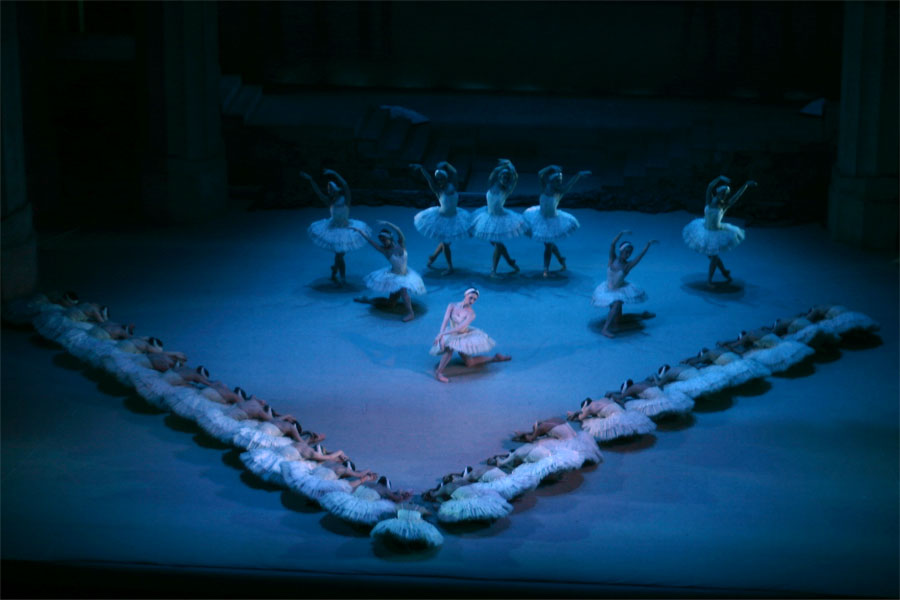 Swan LakeBallet · 1877Same lineage · video
 The NutcrackerBallet · 1892Same lineage · video
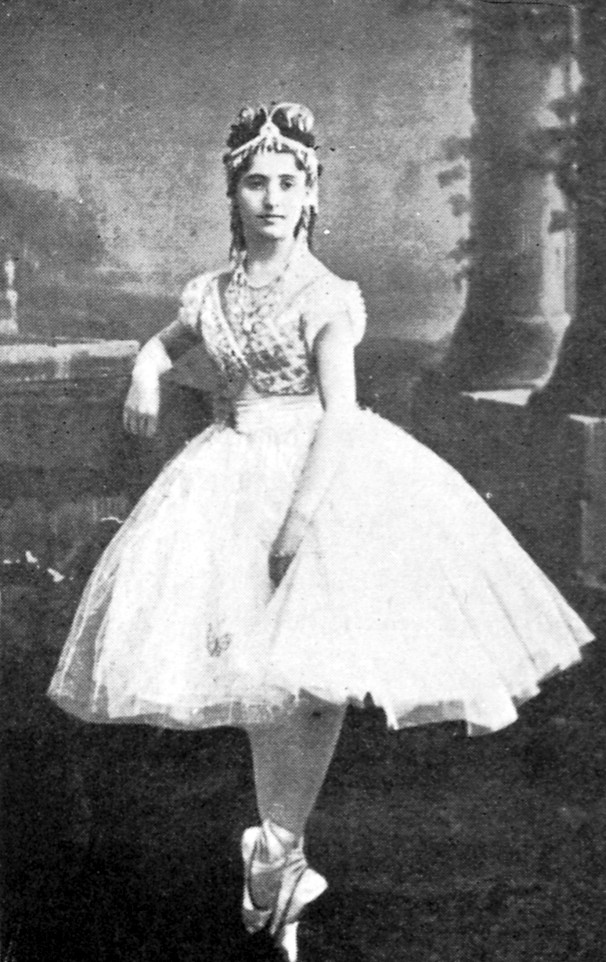 CoppéliaBallet · 1870Same lineage · video
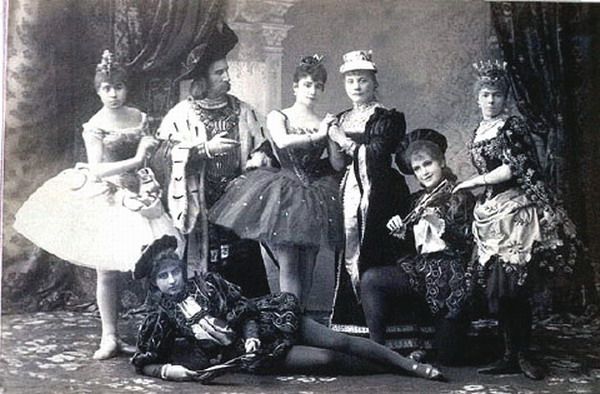 The Sleeping BeautyBallet · 1890Same lineage · video
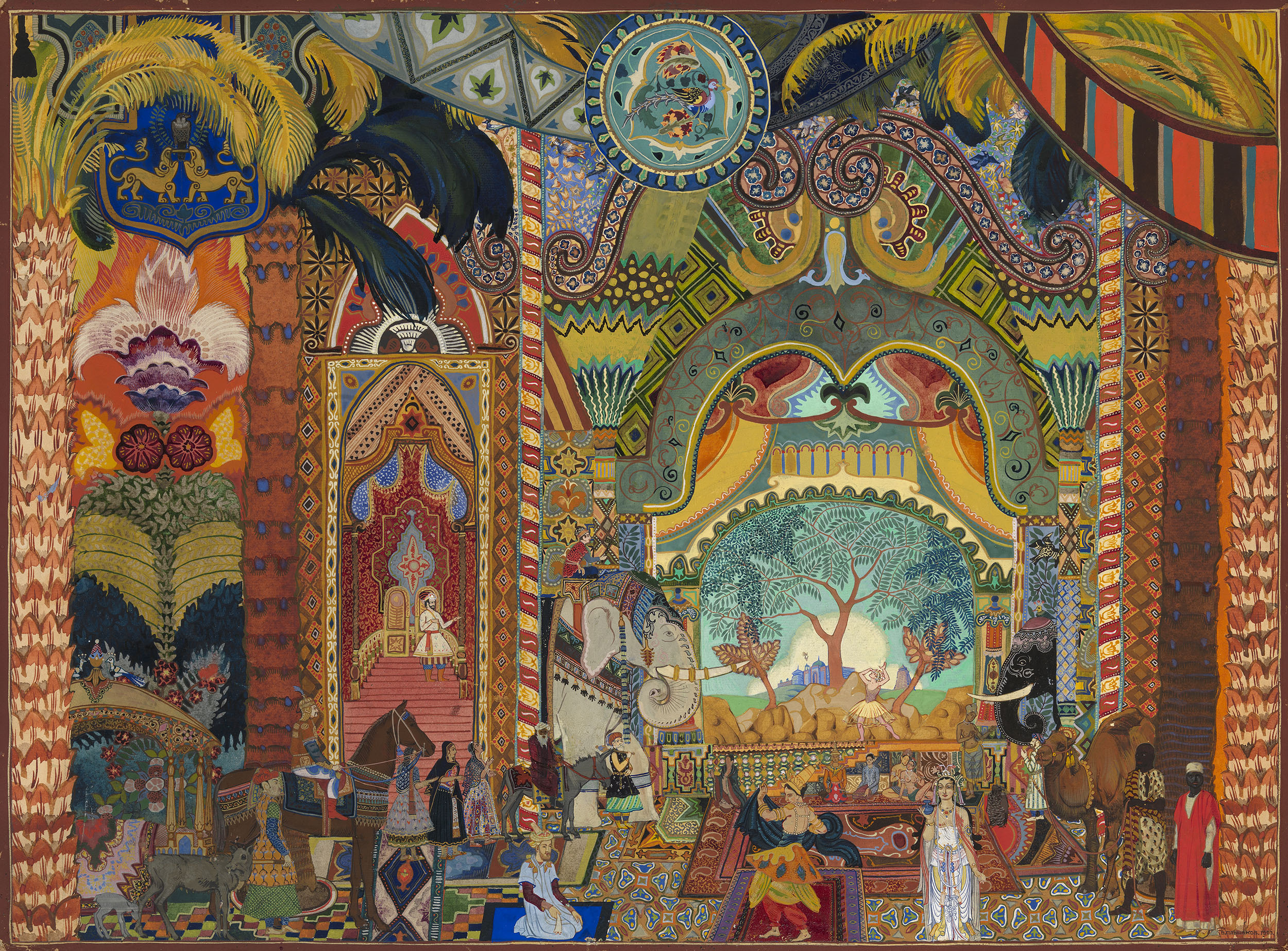 The FirebirdBallet · 1910Same lineage · video
 Stars and StripesBallet · 1958Same lineage · video
 Jazz CalendarBallet · 1968Same lineage · video
