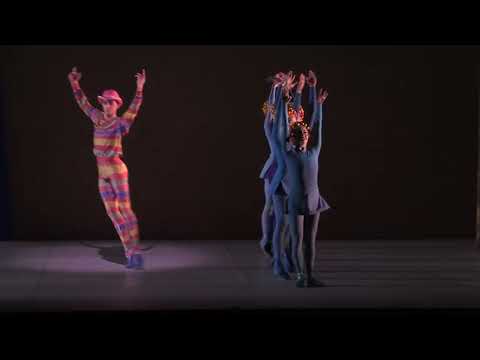
Jazz Calendar (1968)
Jazz Calendar is a one-act, seven-part ballet made by Frederick Ashton in 1968 to a jazz score for twelve instruments by Richard Rodney Bennett, with designs by Derek Jarman. It premiered at the Royal Opera House on 9 January 1968, was performed more than fifty times by the Royal Ballet through 1979, and then dropped from the company's active repertoire; Birmingham Royal Ballet mounted it again in October 1990 at the Birmingham Hippodrome. It survives in the catalogue as an example of a fast-turnaround occasional commission — it replaced a cancelled new production of Aida — built around the nursery rhyme 'Monday's Child'.
What it contains
- Classical Ballet — Wednesday · Wednesday section — Reworks the sustained balances, supported promenades and pointe technique of the Rose Adagio from The Sleeping Beauty, pushed toward comic distortion while keeping the classical partnering structure. Source: "Wednesday's woe is in the form of a "distortion of the Rose Adagio" from The Sleeping Beauty"
- Classical Ballet — Saturday · Saturday section, an all-male ensemble — Staged as a mock ballet class for eight men, turning barre and centre exercises — turnout, jumps, turns — into a comic set piece using standard classical training vocabulary. Source: "Saturday is a send-up of a male ballet class"
- Neoclassical Ballet — Tuesday · Tuesday section, a pas de trois — Modelled explicitly on Ashton's Monotones, implying restrained, plotless, geometric partnering and pure academic line rather than pantomime or character work. Source: "Tuesday is a pas de trois in a style of Ashton's Monotones."
What is danced
The ballet is structured as seven short sections, one per day of the week, following the sequence of the rhyme, and each section is danced in a distinct register rather than a single sustained vocabulary. Monday is a solo built as 'a hymn to narcissism'; Tuesday is a pas de trois that the article explicitly places 'in a style of Ashton's Monotones', i.e. cool, plotless, understated academic partnering rather than dramatic mime. Wednesday reworks the balances and supported promenades of the Rose Adagio from The Sleeping Beauty as a 'distortion' — the same classical vocabulary pushed toward parody. Thursday is mimetic, depicting 'various forms of transport'; Friday is danced as a blues pas de deux (created on Antoinette Sibley and Rudolf Nureyev); Saturday sends up a male ballet class for a large group of men, turning classroom exercises — turnout, jumps, turns — into comedy; and the finale for the full cast mimics the revolving-stage curtain call of the television variety show Sunday Night at the London Palladium. A dancer approaching this work should expect quotation and self-parody (of Ashton's own Monotones and of Petipa's Sleeping Beauty) rather than a single through-line of technique.
Context
The work was assembled at short notice in 1967–68 to fill a gap left when a new Aida production fell through, at a point when Ashton was directing the Royal Ballet and continuing to experiment with material outside grand narrative ballet. Bennett's score long predated the ballet, having been commissioned by the BBC and composed between 1962 and 1964, so Ashton built choreography onto an existing jazz composition rather than the reverse. Derek Jarman, later known primarily as a filmmaker, provided the designs at Nigel Gosling's suggestion — an early theatrical design commission for him.
Staging history
The Royal Ballet gave the work over fifty performances at Covent Garden up to 1979 before it left the company's active repertoire. It was revived once more, by Birmingham Royal Ballet in October 1990 at the Birmingham Hippodrome. Rehearsals for the 1968 premiere, involving many of the original principal cast, were filmed at the Royal Opera House, and the full score was recorded in 1971 by the London Jazz Ensemble under John Lanchbery (Philips 6500 301).
How to watch it
Watch each day-section as a discrete joke or homage rather than expecting narrative continuity: the Tuesday trio should read as an echo of Monotones' calm geometry, Wednesday's balances as a knowing distortion of a famous classical set-piece, and Saturday's ensemble as classroom exercises played for laughs. The Friday pas de deux is where the twelve-bar blues scoring and the partnering are most closely matched, and the finale's group pose deliberately references a specific piece of variety-television staging rather than any dance step.
Structure
- MondayA solo described as 'a hymn to narcissism', danced at the premiere by Vergie Derman.
- TuesdayA pas de trois choreographed in the manner of Ashton's own Monotones, danced by Merle Park, Anthony Dowell and Robert Mead.
- WednesdayA comic distortion of the Rose Adagio from The Sleeping Beauty, danced by Vyvyan Lorrayne with a group of male partners.
- ThursdayA mimetic number depicting various forms of transport, led by Alexander Grant with six girls.
- FridayA blues pas de deux created on Antoinette Sibley and Rudolf Nureyev.
- SaturdayA send-up of a male ballet class for eight men, led by Michael Coleman and Desmond Doyle.
- SundayA full-cast finale mimicking the revolving-stage close of the television variety show Sunday Night at the London Palladium.
Structure read from an encyclopaedia article, not from a libretto or score we hold. Confirm against a programme before treating the numbering as authoritative.
Credits
- composer: Richard Rodney Bennett
In the same lineage
Other staged works in the register connected to this one by author or lineage.
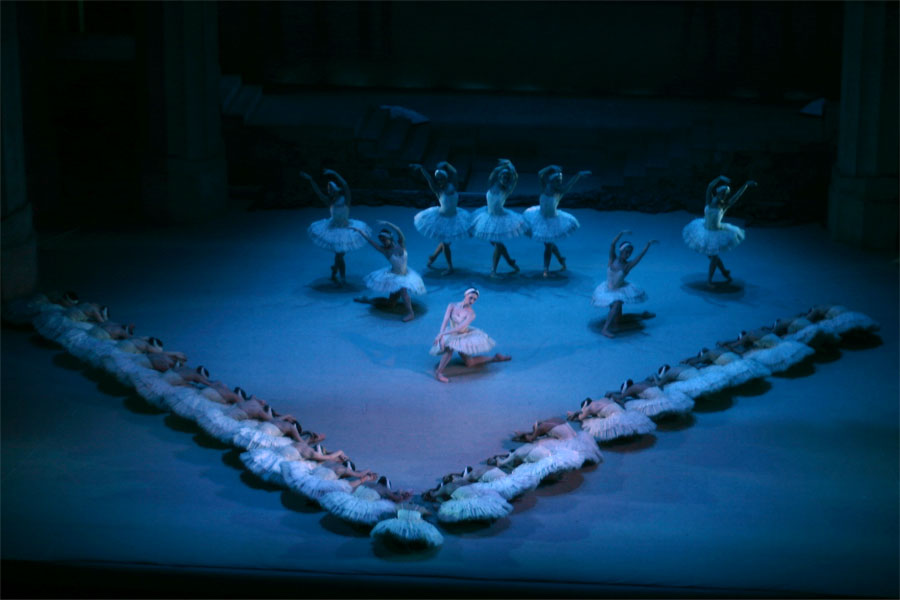 Swan LakeBallet · 1877Same lineage · video
 The NutcrackerBallet · 1892Same lineage · video
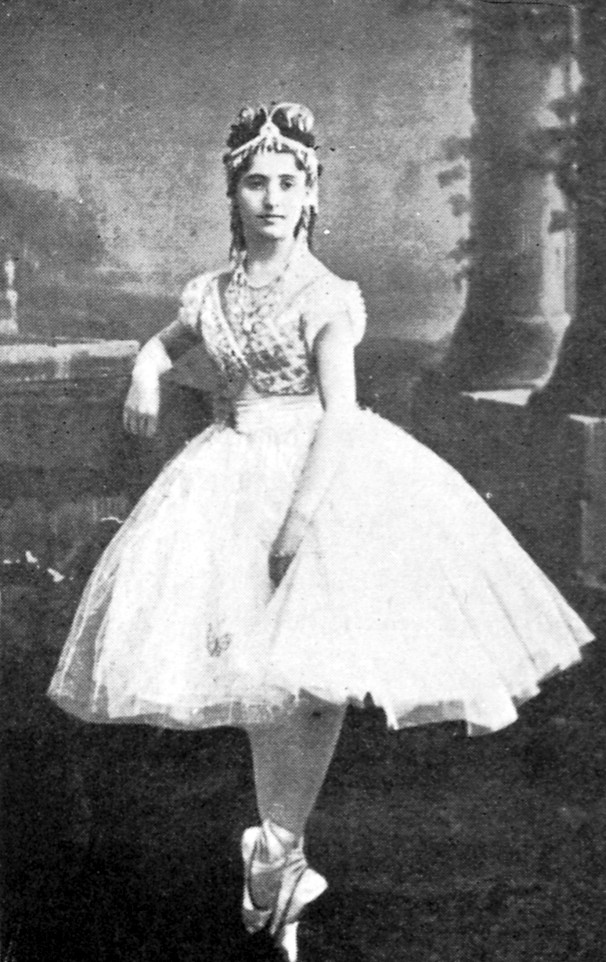 CoppéliaBallet · 1870Same lineage · video
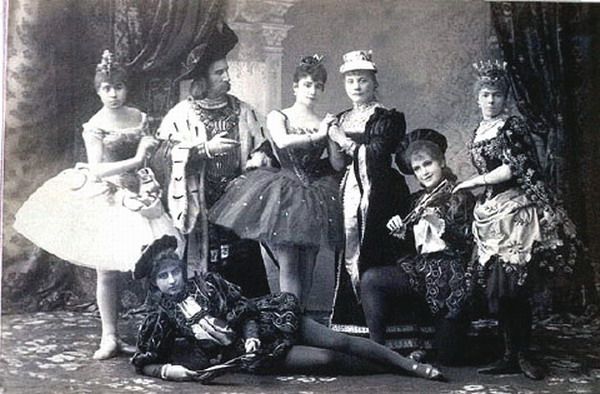 The Sleeping BeautyBallet · 1890Same lineage · video
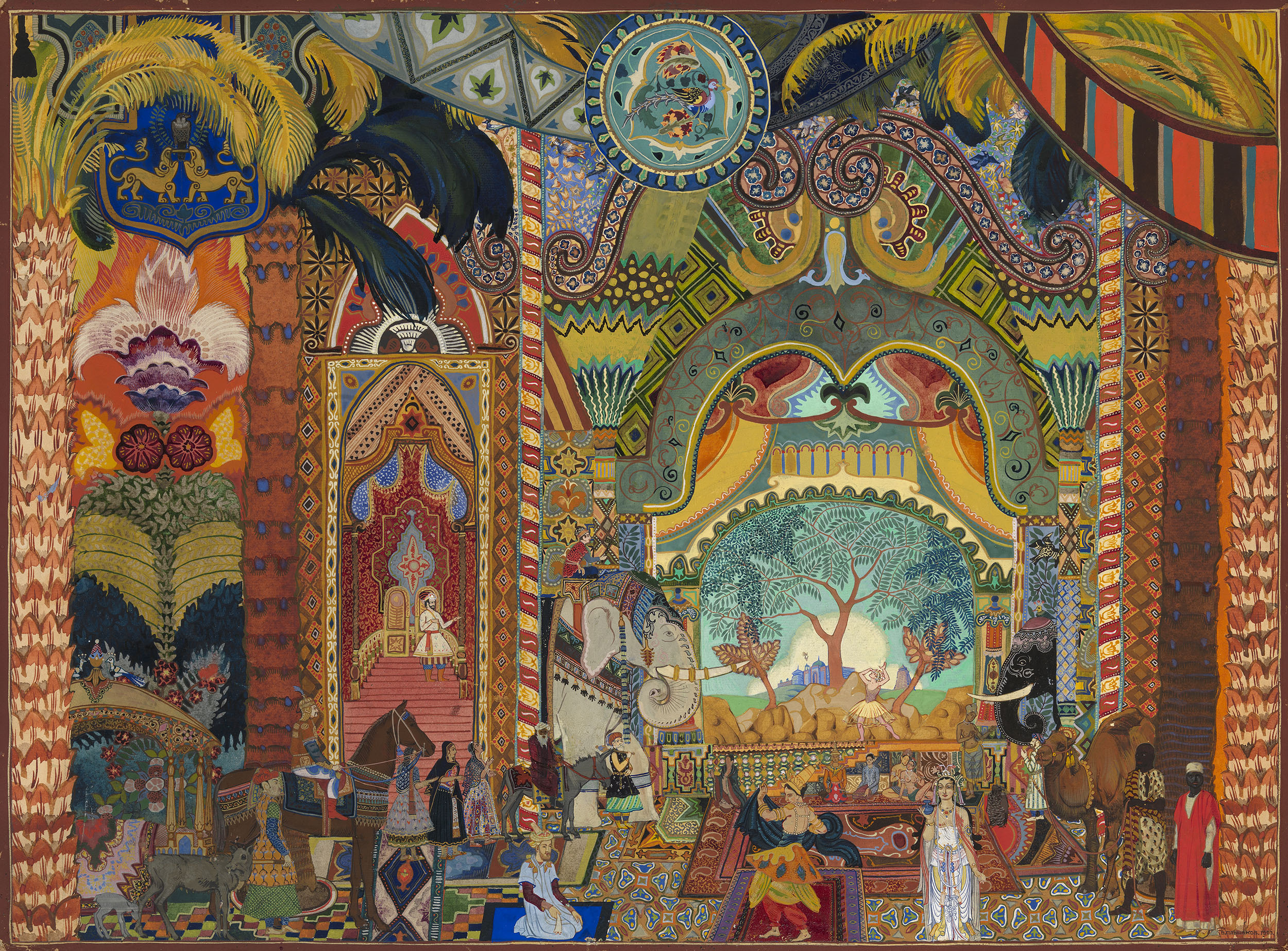 The FirebirdBallet · 1910Same lineage · video
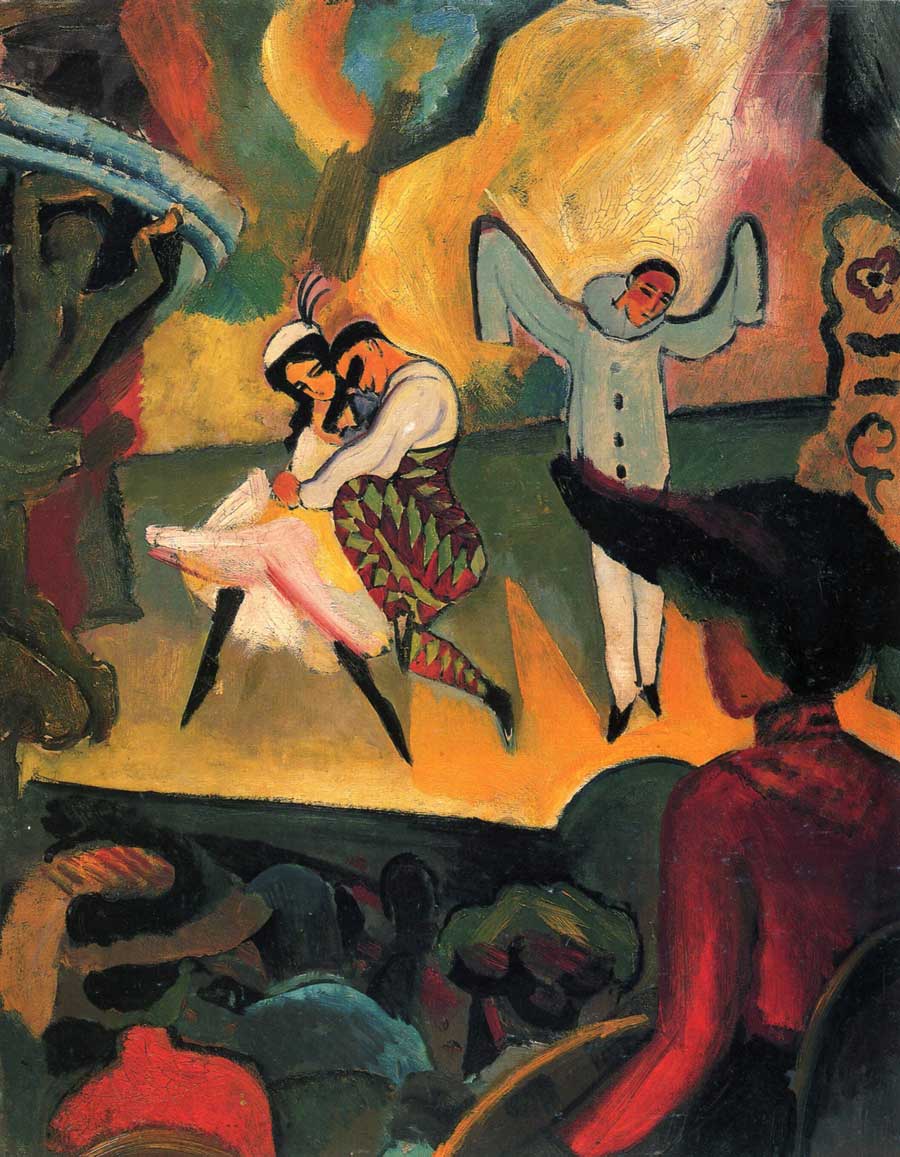 PetrushkaBallet · 1911Same lineage · video
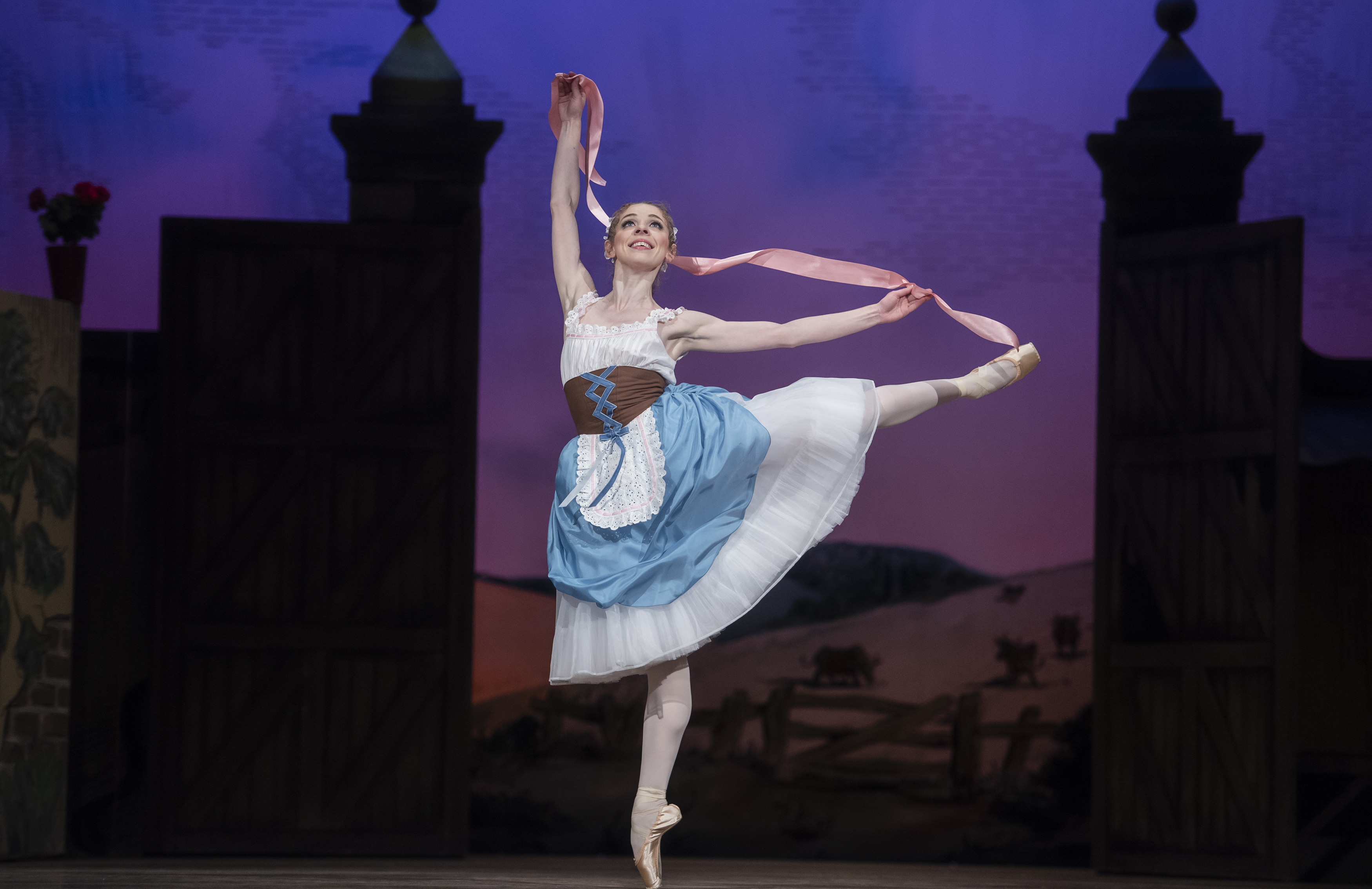 La fille mal gardéeBallet · 1960Same lineage · video
 MovesBallet · 1959Same lineage · video