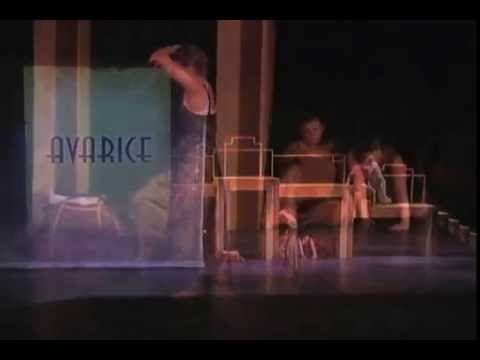
The Seven Deadly Sins (Die sieben Todsünden) is a 1933 "ballet chanté" — a sung ballet — by Kurt Weill to a German libretto by Bertolt Brecht, commissioned by Boris Kochno and Edward James. It premiered at the Théâtre des Champs-Élysées in Paris on 7 June 1933, produced, directed and choreographed by George Balanchine, with the singing role of Anna I taken by Lotte Lenya and the dancing role of Anna II by Tilly Losch.
What is danced
The article gives almost no description of actual step-vocabulary or technique. What it does establish is the work's structural division of labour between two performers embodying one split character: Anna I is 'the principal vocal role' who sings throughout, while Anna II, 'the dancer, is heard only infrequently' — she carries the piece's physical action while Anna I narrates and comments. The satire section notes that within the fiction Anna II is required 'to perform as a cabaret dancer just to please her clientele,' which places at least one sin-scene inside a cabaret-performance frame, but no steps, holds or stylistic markers are described.
Context
The work was made in Paris in mid-1933, immediately after Brecht and Weill fled Nazi Germany, and was Weill and Brecht's last major collaboration. Balanchine choreographed and directed it the same year he was establishing himself in Western Europe before his move to the United States; the commission's condition that James's wife Tilly Losch 'dance opposite her lookalike' Lotte Lenya (who sang) is what generated the split-personality Anna I/Anna II structure before Brecht was even engaged to write the libretto.
Staging history
The Paris premiere transferred to London within weeks, opening at the Savoy Theatre as 'Anna-Anna' on 28 June 1933 in an impromptu translation by Lenya. It was revived with New York City Ballet in 1958 (Lenya again singing, Allegra Kent dancing, in English), and has since been restaged repeatedly with different choreographers attached each time — Pina Bausch (Wuppertal, 1976), Maguy Marin (Lyon Opéra-Ballet, 1987), Will Tuckett for the Royal Ballet (2007), Lynne Taylor-Corbett for New York City Ballet (2011), and others including Jennifer Nichols, Gary Clarke and Ann Yee in later productions, alongside opera-house and concert versions that sometimes drop the dance role or reframe it entirely.
How to watch it
Watch the relationship between the two Annas rather than either performer alone: Anna I sings and largely directs, Anna II dances and is mostly silent, and the drama lies in whether the audience reads them as sisters or as one divided self. Because the choreography has been reinvented by each production's own choreographer, there is no fixed 'authentic' step vocabulary to check a staging against — the constant is the sung/danced split itself.
Structure
- Scene PrologueAnna I introduces the sisters and their plan to earn money for a house on the Mississippi.
- Scene Faulheit / SlothFirst sin scene, city unnamed.
- Scene Stolz / PrideSet in Memphis; Anna I scolds Anna II for pride that interferes with earning money.
- Scene Zorn / WrathSet in Los Angeles; Anna II's anger at injustice is checked by Anna I.
- Scene Völlerei / GluttonySet in Philadelphia.
- Scene Unzucht / LustSet in Boston; Anna II is required to perform to satisfy clients' desires.
- Scene Habsucht / GreedSet in Tennessee (later Baltimore in posthumous versions).
- Scene Neid / EnvySet in San Francisco; Anna II envies those who indulge freely in what she must forgo.
- Scene EpilogueThe sisters return home to the little house; Anna II answers with resignation, 'Yes, Anna.'
Structure read from an encyclopaedia article, not from a libretto or score we hold. Confirm against a programme before treating the numbering as authoritative.
Credits
- composer: Kurt Weill
More from George Balanchine
Other staged works in the register connected to this one by author or lineage.
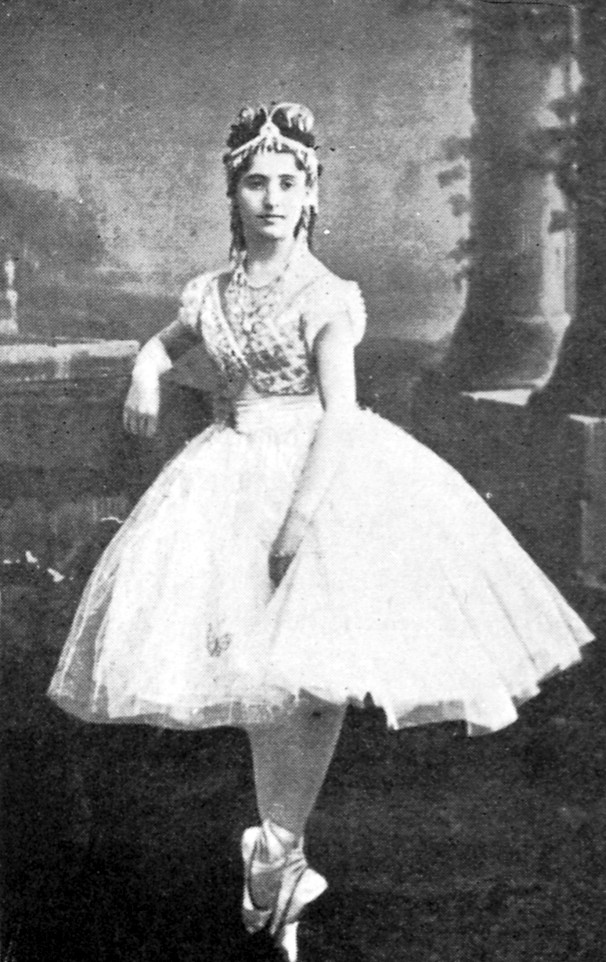 CoppéliaBallet · 1870Balanchine · video
 ApolloBallet · 1928Balanchine · video
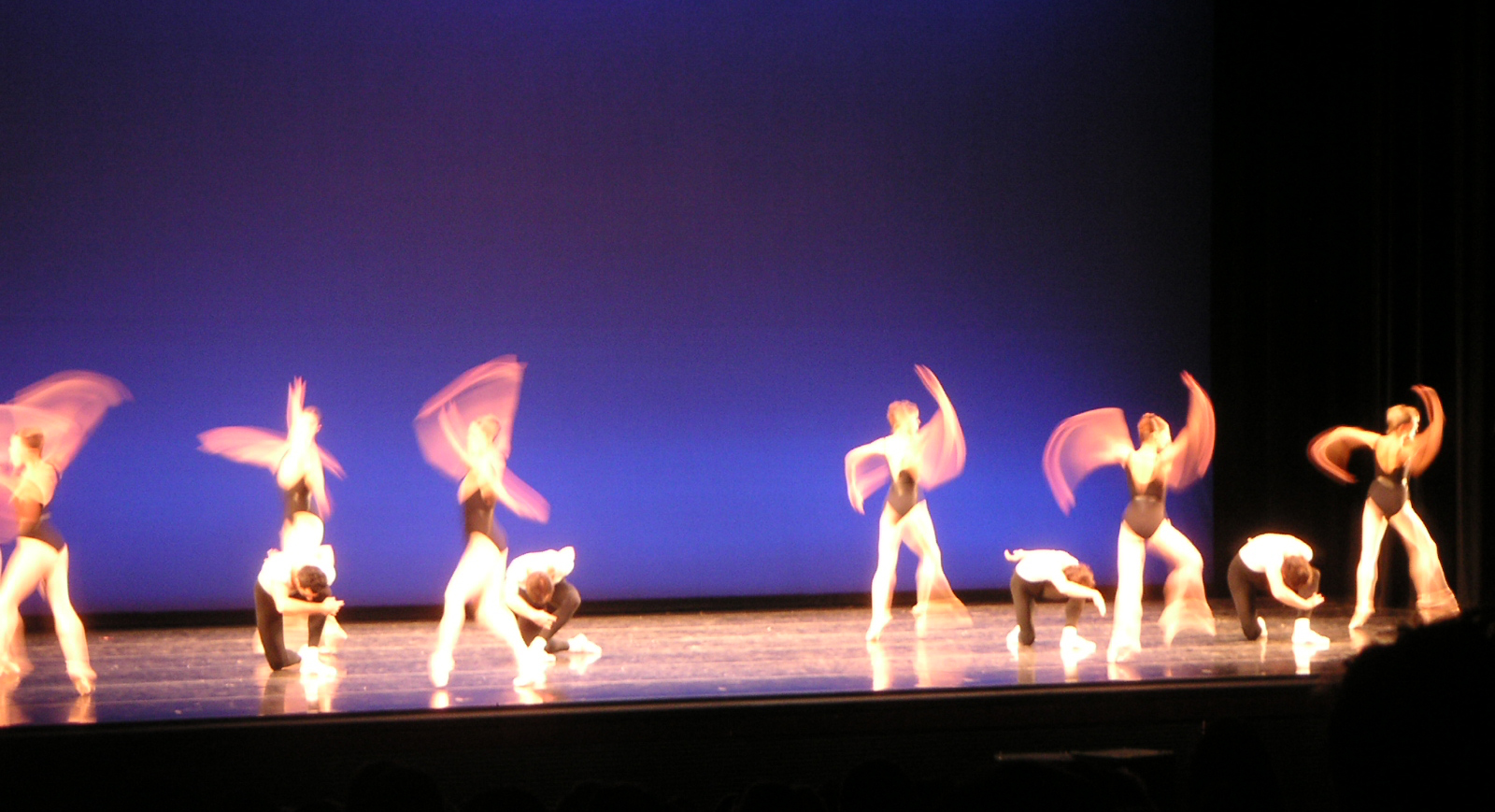 AgonBallet · 1957Balanchine · video
 Le chant du rossignolBallet · 1920Balanchine · video
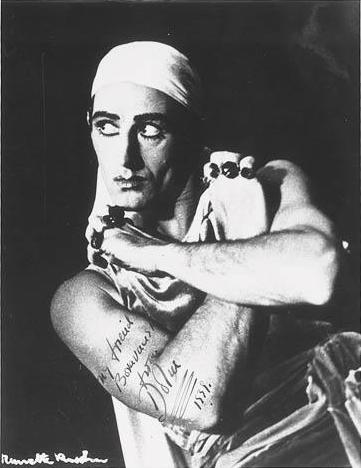 The Prodigal SonBallet · 1929Balanchine · video
 Circus PolkaBallet · 1942Balanchine · video
- TangoTangoBallet · 1982Balanchine
 Raymonda VariationsBallet · 1961Balanchine · video