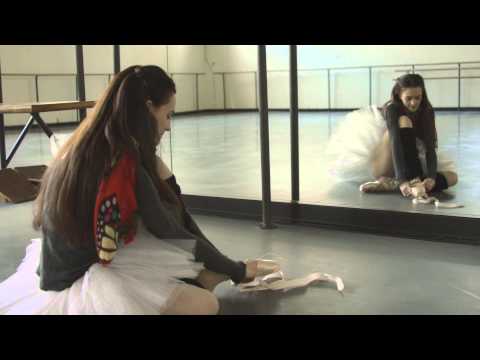
Raymonda Variations is a plotless one-act ballet George Balanchine made for New York City Ballet in 1961, using selected excerpts from Alexander Glazunov's score for the 1898 Petipa/Glazunov Raymonda while discarding its Crusades-era plot of Raymonda, Jean de Brienne and the emir Abderakhman entirely. It belongs to Balanchine's line of 'leotard'-adjacent yet tutu-and-tiara plotless showcase ballets built directly on 19th-century Imperial score and structure, sitting alongside his other Glazunov/Petipa-derived pieces.
What it contains
- Neoclassical Ballet · The entire ballet, from opening ensemble through coda and finale — A plotless suite for two principals and twelve women structured as entrée, adagio, nine solo variations, and coda/finale, danced purely to the music's 'grand and generous manner' with no pantomime or story content. Source: "Instead of following the plot of the 1898 ballet, the Balanchine ballet is plotless."
- Classical Ballet — Nine variations · The adagio and the nine variations — A central pas de deux adagio for the two principals followed by nine separate solo variations for five corps women and the principals, mirroring the classical Petipa grand pas de deux format of entrée-adagio-variations-coda. Source: "This is followed by a series of nine variations, or solos, by five of the girls and the two principals."
What is danced
The ballet is built as an extended classical suite for two principals and a corps of twelve women. Balanchine's own account of the structure describes an opening ensemble of twelve women posing in a garden who dance first, then are joined by the two principals; the principal couple then dance an adagio alone; this is followed by nine separate variations (solos) distributed among five of the corps women and the two principals; the ballet closes with a coda and a full-company finale. This entrée-adagio-variations-coda shape is the classical grand pas de deux formula inherited from Petipa, compressed and accelerated for a plotless showcase rather than a narrative climax.
Context
The piece was made in 1961, well into Balanchine's tenure building New York City Ballet's repertory of plotless, music-driven ballets that stripped 19th-century Imperial vocabulary of its pantomime and narrative scaffolding. It follows his earlier engagements with the same score and choreographic problem: he had danced in the original Raymonda at the Mariinsky as a student, staged Raymonda with Alexandra Danilova for Ballet Russe de Monte-Carlo in 1946, and had already extracted a plotless ballet, Pas de Dix, from the same Glazunov music in 1955. Raymonda Variations is thus a further, more expansive return to the same material, treating Glazunov's score as pure structure for virtuosic classroom-derived dancing rather than illustration of Raymonda's story.
Staging history
The ballet premiered December 7, 1961 at the City Center of Music and Drama under the title Valses et Variations, having been developed under the working title Raymonda; it was renamed Raymonda Variations in 1963. At the premiere the male principal's variations were cut because Jacques d'Amboise was injured, and were restored a month later. The article names later stagings by Houston Ballet, Miami City Ballet, Kansas City Ballet, and Pittsburgh Ballet Theatre, indicating the work has passed into general repertory beyond NYCB.
How to watch it
Watch for the classical grand pas de deux skeleton underneath the plotlessness: an opening ensemble statement, a central adagio for the two leads, then a rapid sequence of nine contrasting solo variations before the whole cast reassembles for the coda and finale. Because there is no mime or story, attention falls entirely on musicality, phrasing against Glazunov's score, and the clarity and speed of the individual variations rather than on characterization.
Structure
- Opening ensembleTwelve women pose and dance in an elegant garden setting before being joined by the female then male principal.
- AdagioThe two principal dancers perform an adagio alone together.
- Nine variationsA sequence of nine solo variations danced by five of the corps women and the two principals.
- Coda and finaleThe full company reassembles for a closing coda and finale.
Structure read from an encyclopaedia article, not from a libretto or score we hold. Confirm against a programme before treating the numbering as authoritative.
More from George Balanchine
Other staged works in the register connected to this one by author or lineage.
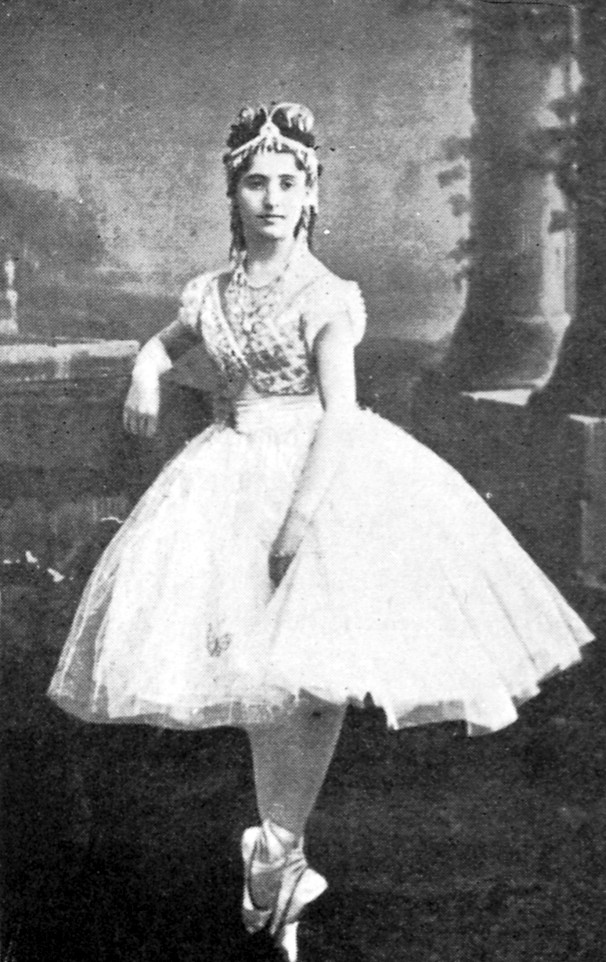 CoppéliaBallet · 1870Balanchine · video
 ApolloBallet · 1928Balanchine · video
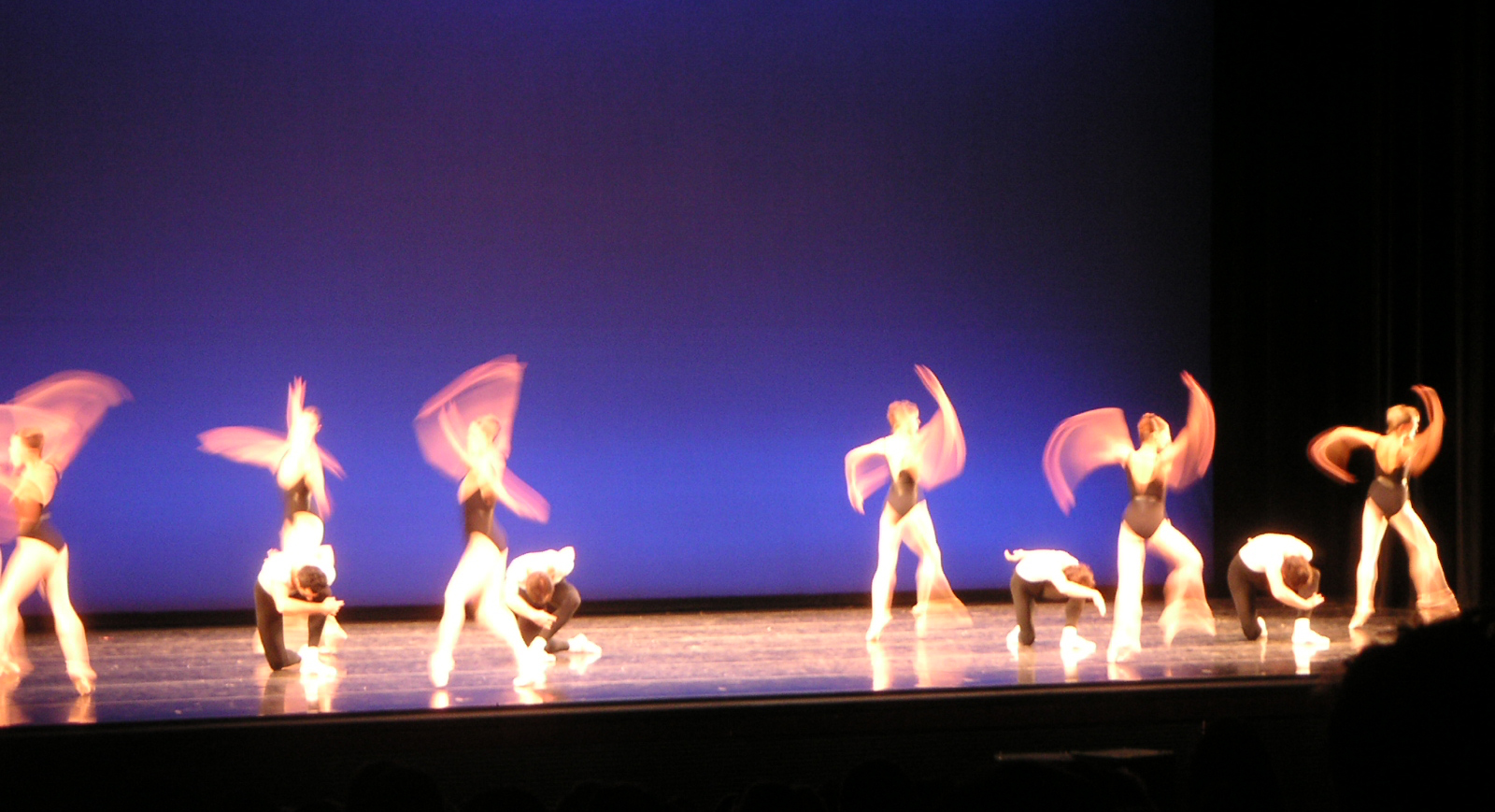 AgonBallet · 1957Balanchine · video
 Le chant du rossignolBallet · 1920Balanchine · video
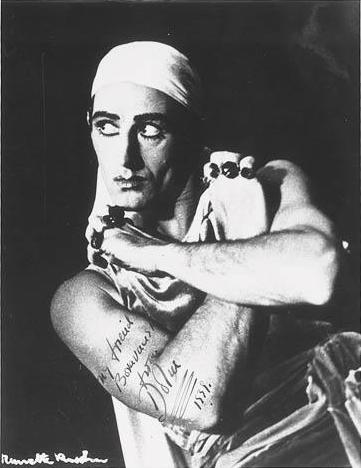 The Prodigal SonBallet · 1929Balanchine · video
 The Seven Deadly SinsBallet · 1933Balanchine · video
 MozartianaBallet · 1933Balanchine · video
 Western SymphonyBallet · 1954Balanchine · video