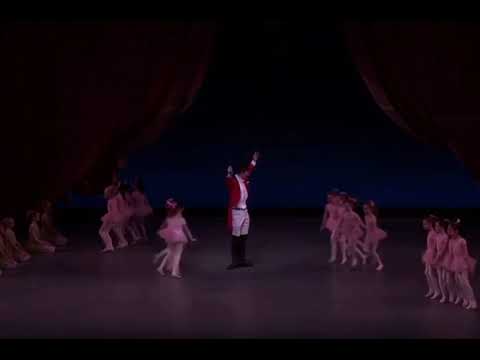
Circus Polka is a novelty ballet Balanchine made in 1942 for the Ringling Bros. and Barnum & Bailey Circus, set to a short Stravinsky score commissioned by phone with the instruction that the elephants be "very young." The premiere paired fifty circus elephants, each in a pink tutu, with fifty women of the circus corps de ballet, led by the elephant Modoc and by Balanchine's wife, principal dancer Vera Zorina.
What it contains
- Classical Ballet · The full 1942 elephant-and-ballerina ballet at its Madison Square Garden premiere — Corps de ballet patterning among the elephants' legs, held poses, elephants lifting dancers overhead, and a featured solo for Zorina built on classical port de bras and partnered embrace Source: "The corps de ballet darted in and out among the elephant legs, treating these columns with the high regard you would expect them to reserve for the Egyptian peristyles in the Temple of Karnak."
What is danced
The choreography is built entirely on the pairing of elephant and ballerina: each elephant carried or partnered one dancer, with the corps de ballet moving in and out among the animals' legs in patterned formation. Contemporary description records lifted poses (the elephants "scooped" the dancers "with infinite grace, high into the air"), sustained held tableaux ("the plastic poses these great but gentle beasts affected"), and a solo passage for Zorina built around being embraced by an elephant's trunk, danced with the port de bras and composure of classical partnering ("clasped in the caressing coils of a trunk...embraced it with warmth and grace which would befit her approach to Balanchine or an Anton Dolin"). Vera Zorina rehearsed her part in five days; the elephant Modoc was drilled in the choreography by Balanchine himself, a fact the article treats as remarkable in its own right.
Context
The commission arrived while Balanchine and Stravinsky, friends and collaborators since Ballets Russes days in the 1920s, were both newly settled in the United States. It sits inside their long partnership as its most eccentric entry: a serious choreographer and composer applying classical ballet's partnering and corps vocabulary to a circus animal act, staged not in a theatre but in the ring at Madison Square Garden. The commission itself is telling of Balanchine's era in America — a choreographer moving between opera houses, Hollywood, and popular commercial spectacle within a single career.
Staging history
The original 1942 Ringling Bros. run gave forty-three performances at Madison Square Garden with the elephant corps, but when Stravinsky's score was withdrawn amid a musicians' labor dispute later that season, the circus substituted Weber's Invitation to the Dance. Stravinsky's own orchestral version premiered separately as a concert piece with the Boston Symphony in 1944 and became repertory for orchestras, especially children's concerts. Balanchine returned to the material twice more without elephants: a 1945 one-time restaging for students of the School of American Ballet at Carnegie Hall, and later Jerome Robbins created an entirely new choreography to the same score for New York City Ballet's 1972 Stravinsky Festival, using young dance students and an adult ringmaster, a version since revived with guest ringmasters including Mikhail Baryshnikov and Robert La Fosse.
How to watch it
In its original form the interest is entirely in the novel partnering — how a ballerina's classical carriage and lifted poses were adapted to being held, carried, and framed by a trained elephant rather than a human partner. In the Robbins version now in NYCB's repertory, watch instead for the deliberately unpolished, exuberant vocabulary given to child dancers against a single adult ringmaster figure, a very different reading of the same four-minute score.
Credits
- composer: Igor Stravinsky
More from George Balanchine
Other staged works in the register connected to this one by author or lineage.
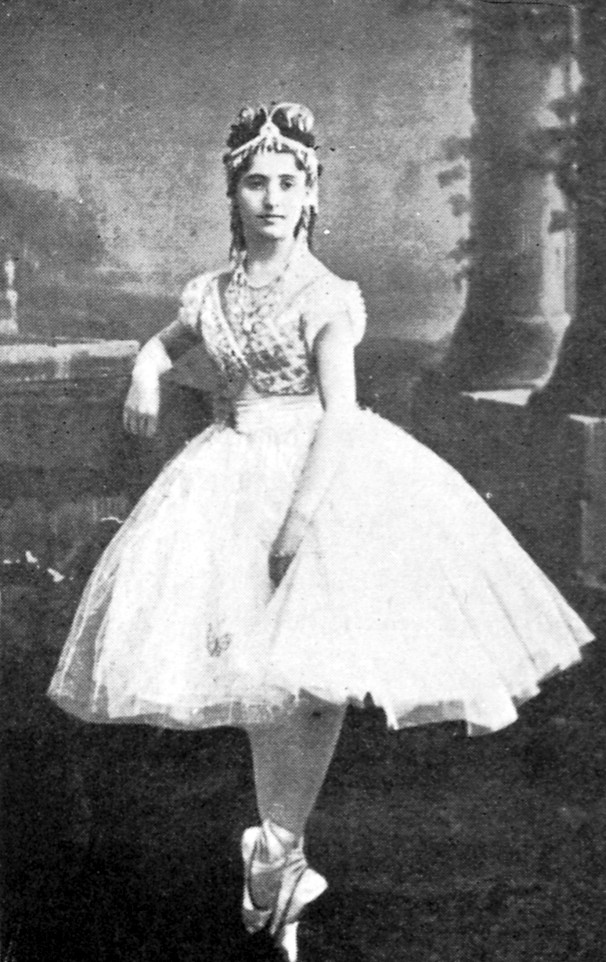 CoppéliaBallet · 1870Balanchine · video
 ApolloBallet · 1928Balanchine · video
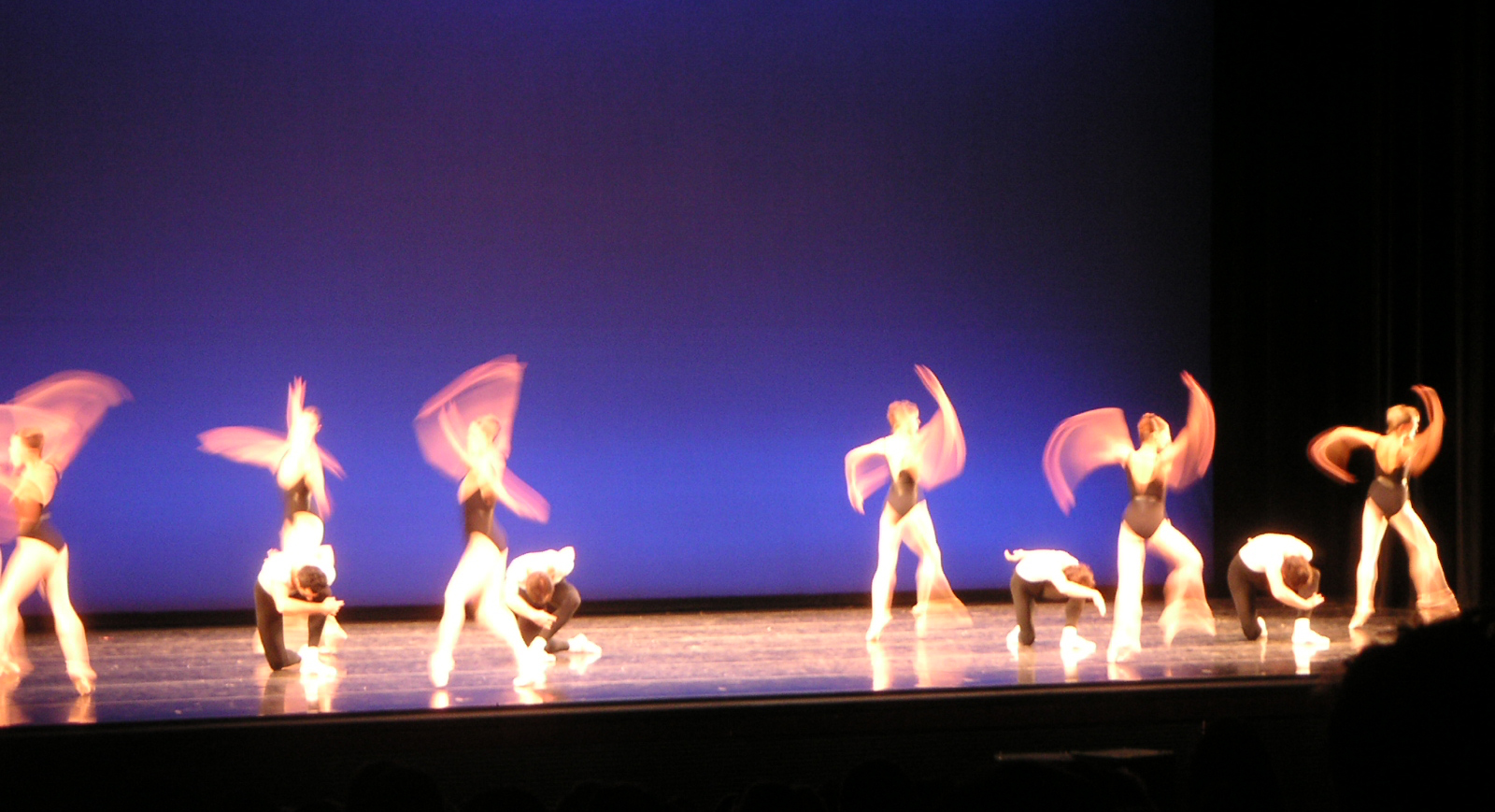 AgonBallet · 1957Balanchine · video
 Le chant du rossignolBallet · 1920Balanchine · video
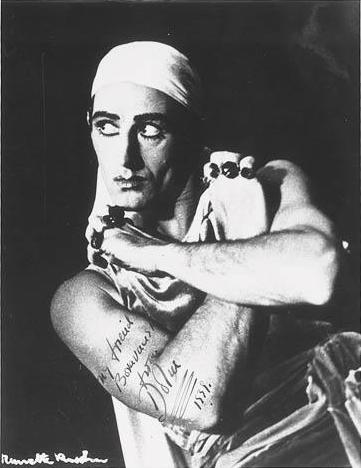 The Prodigal SonBallet · 1929Balanchine · video
 The Seven Deadly SinsBallet · 1933Balanchine · video
 Symphony in Three MovementsBallet · 1972Balanchine · video
 The NutcrackerBallet · 1954Balanchine · video