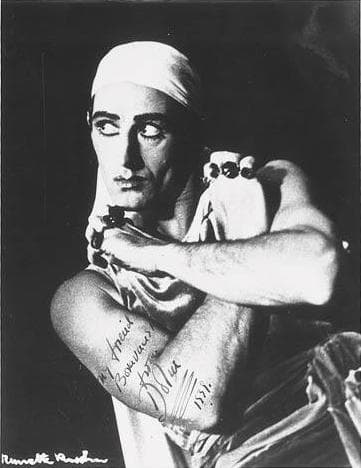
Kuehn, Nanette — National Library of Australia, digital collections: Geoffrey Ingram archive of Australian ballet. · Public domain
Prodigal Son (Le Fils prodigue, Op. 46) is a one-act ballet made by George Balanchine to a score by Sergei Prokofiev, with a libretto by Boris Kochno adapting the parable in the Gospel of Luke. It was created for Diaghilev's Ballets Russes and given its premiere on 21 May 1929 at the Théâtre Sarah Bernhardt in Paris, in what turned out to be the company's final Paris season and, per Susan Au, the last ballet of the Diaghilev era.
What is danced
The article itself does not describe steps, technique or vocabulary in any detail; it is a production and reception history rather than a choreographic analysis, so what follows is drawn from the article's synopsis rather than from step-by-step description. Susan Au's summary, quoted in the article, gives the narrative arc that the choreography follows: the Prodigal's 'rebellious departure from home', his 'seduction by the beautiful but treacherous siren, whose followers rob him', and his final state, 'wretched and remorseful', dragging himself home to his father. This confirms that the work is built around distinct dramatic episodes (departure, seduction, robbery, penitent return) rather than abstract divertissement, but the article gives no further detail on partnering, floor-work, or ensemble patterning within those episodes. The one point of movement-adjacent information the article supplies is that Prokofiev's own conception of the choreography clashed with Balanchine's -- he 'had envisioned a production that was "real"' and saw the Siren as 'demure', which the article says differed 'radically' from what Balanchine put onstage -- indicating the choreography departed from a literal, mimetic staging of the story, though the article does not specify how.
Context
The article situates the work explicitly at the end of an era: Susan Au 'writes in Ballet and Modern Dance that the ballet was the last of the Diaghilev era, choreographed the year the great impresario died.' It was made within the final Ballets Russes Paris season, with Balanchine still working under Diaghilev's patronage and in friction with his composer over how the story should be staged. The article does not describe the broader dance landscape of 1929 beyond this company context.
Staging history
According to the article, the role was created by Serge Lifar at the 1929 premiere, with a cast including Felia Doubrovska, Eleanora Marra, Nathalie Branitzka, Michael Fedorov, Léon Woizikowsky and Anton Dolin. Balanchine's own American Ballet gave the work's first public American performance in 1934. New York City Ballet premiered its production on 23 February 1950 with Jerome Robbins in the title role; Hugh Laing and Francisco Moncion also danced it before it dropped from repertory for a decade, then returned in 1960 with Edward Villella, who wrote about relearning the role in his autobiography. Mikhail Baryshnikov danced it with City Ballet in 1979, and Damian Woetzel performed it at his farewell performance on 18 June 2008; the article also notes NYCB revivals in the 2008 winter and spring seasons.
How to watch it
Watch for the shift the article itself flags: a story told through stylised episodes -- departure, seduction, robbery, penitent return -- staged in a way Prokofiev himself found insufficiently 'real', suggesting a deliberately non-literal, non-mimetic treatment of the parable rather than a pantomime retelling. The role of the title character and of the Siren are the ones to track across different casts and eras, as the article traces the part through a specific lineage of interpreters rather than through changes in the choreography's text.
Credits
- composer: Sergei Prokofiev
More from George Balanchine
Other staged works in the register connected to this one by author or lineage.
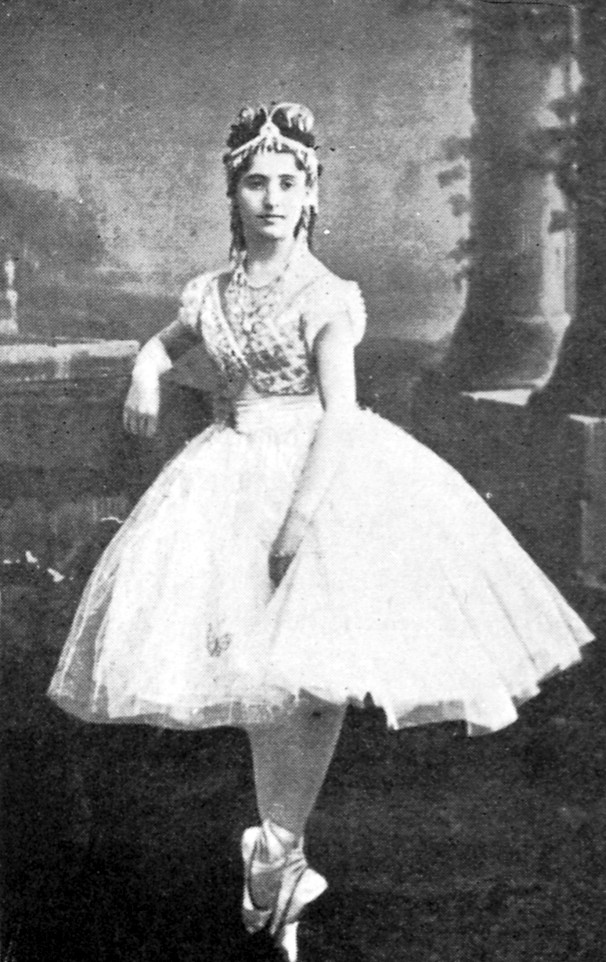 CoppéliaBallet · 1870Balanchine · video
 ApolloBallet · 1928Balanchine · video
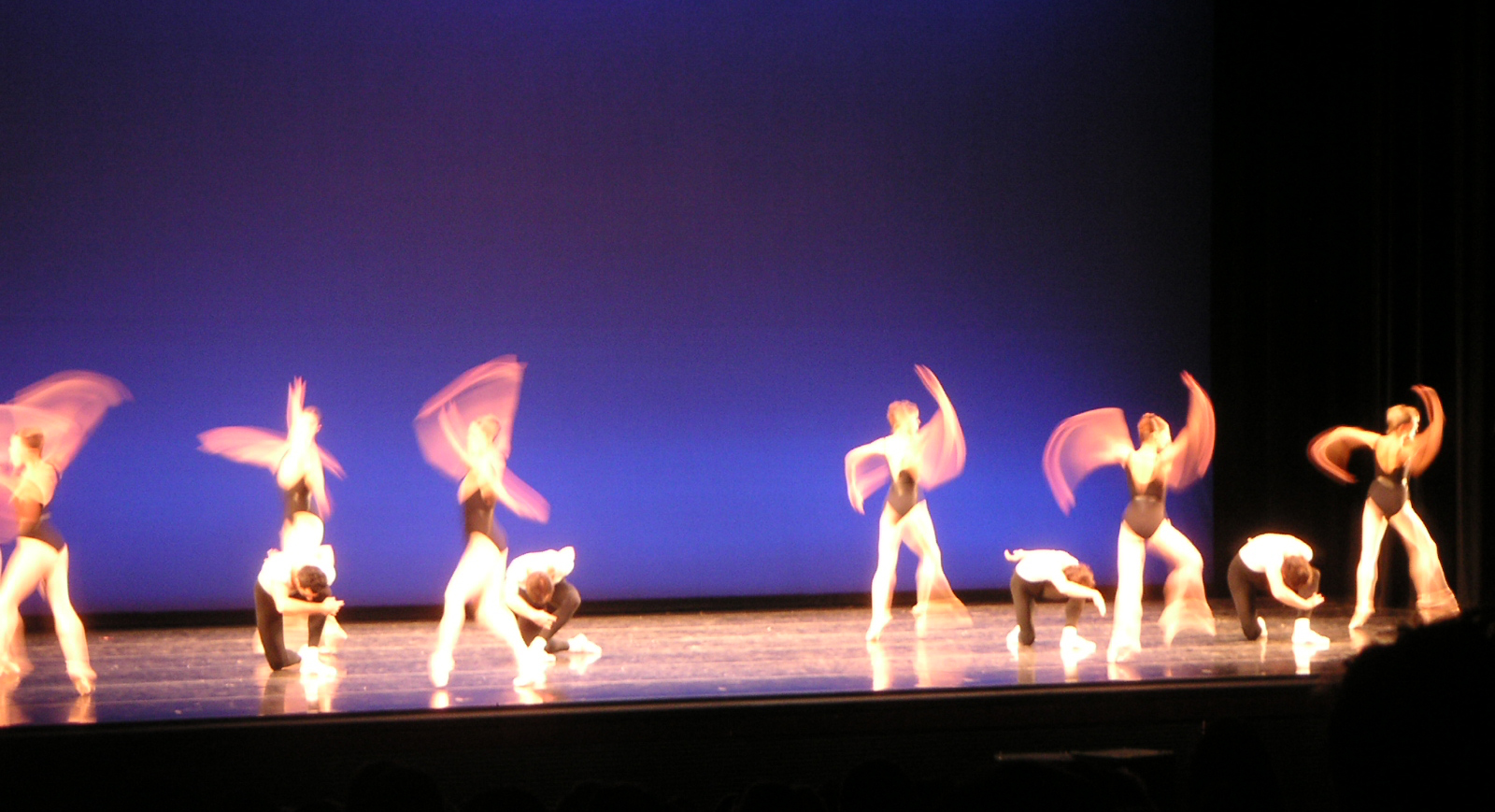 AgonBallet · 1957Balanchine · video
 Le chant du rossignolBallet · 1920Balanchine · video
 The Seven Deadly SinsBallet · 1933Balanchine · video
 Circus PolkaBallet · 1942Balanchine · video
 Square DanceBallet · 1957Balanchine · video
 Tschaikovsky Piano Concerto No. 2Ballet · 1941Balanchine · video