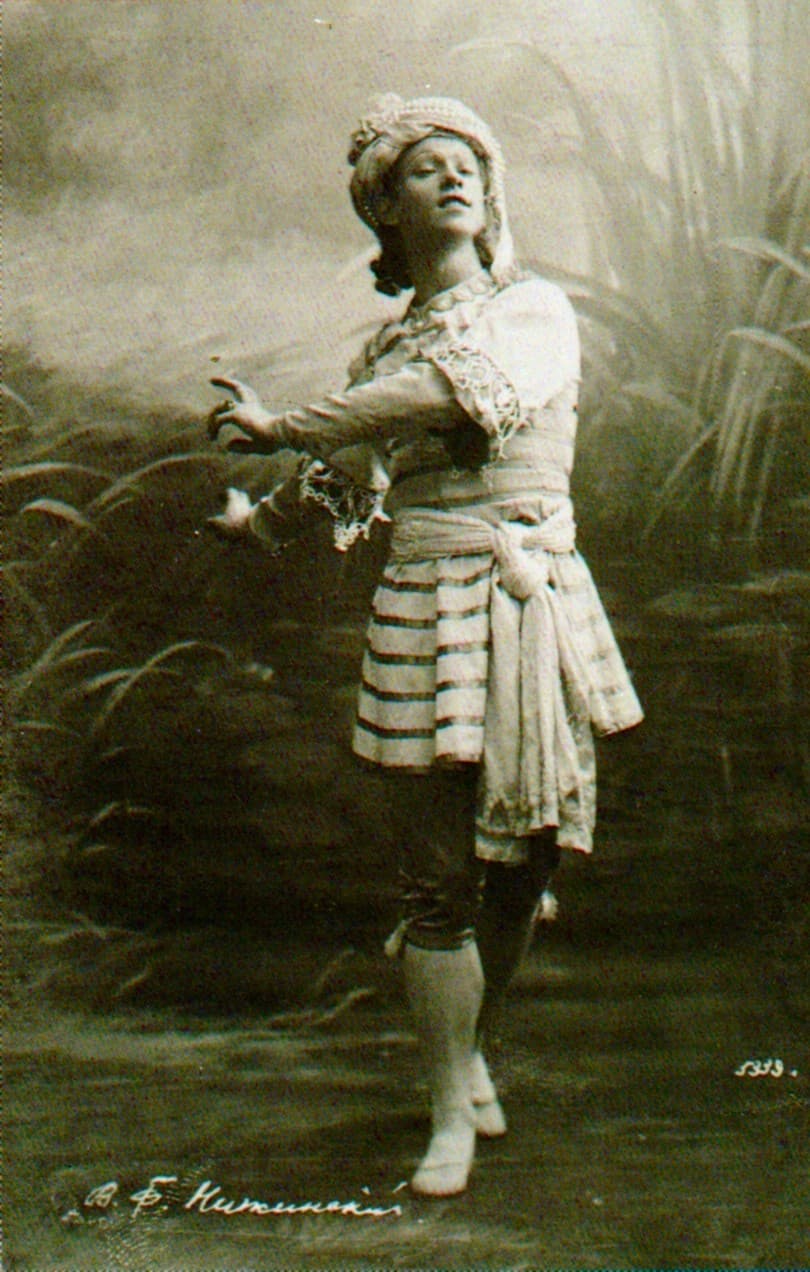
Unknown photographer of the photography department of the Imperial Mariinsky Theatre. St. Petersburg, Russian Empire. — "The Great Russian Dancers" by Gennady Smakov. Knopf, 1984. · Public domain
The Talisman (1889)
Le Talisman (English catalogue title: The Talisman) is a four-act, seven-scene ballet with a score by Riccardo Drigo, built on a libretto by Konstantin Tarnovsky and Marius Petipa. The article records its premiere as 6 February 1889 (25 January O.S.) at the Imperial Mariinsky Theatre in St Petersburg, with choreography by Petipa — details our own record does not hold and which are flagged below for review rather than adopted here.
What it contains
- Classical Ballet · Whole ballet; most durably the extracted Talisman Pas de Deux — Structured as an Imperial grand ballet with a mythological prologue, corps divertissements, a formal pas d'action and a surviving standalone classical pas de deux still in company repertory. Source: "This ballet gave rise to the so-called Talisman Pas de Deux, which is today danced by many ballet companies."
- Classical Ballet — Grand pas d'action / Grand ballabile — La Rose de Bengale · Act II, the Grand pas d'action for Noureddin and Princess Damayanti — Built with the classical pas de deux form of andante, two solo variations and a coda, per the résumé of dances listing under this number. Source: "Noureddin and the Princess Damayanti performing a dance together in which the young Maharajah is haunted by visions of Niriti (Grand pas d’action)"
What is danced
The libretto and the separate résumé of dances show a work built in the standard Imperial grand-ballet architecture: a mythological prologue for the goddess Amravati and her court (Valse des esprits, Entrée de Niriti), a village scene with wedding-guest dances, a palace divertissement act, and a two-tableau final act moving between a bazaar and ancient ruins before an apotheosis. Act II centres on a Grand pas d'action for Noureddin and Princess Damayanti built in the classical pas de deux mould — the résumé lists Andante, Variation I, Variation II and Coda under it — followed by a Grand ballabile for a corps of flower-spirits (La Rose de Bengale) with adage, a Valse des bijoux, a pizzicato variation and grand coda, the full apparatus of a Petipa 'vision' scene.
Running alongside this classical scaffolding is a string of ethnographic-style divertissements that were the era's stock way of signalling 'the East' on the Imperial stage: Danse orientale, Danse nautch, Danse de l'hindoustan in Act II, and Danse des montagnards de l'Himalaya, Pas Katchack and Danse sous le voile in Act III's bazaar scene, plus a comic mimed drunk scene for Vayou (Scène dansante — L'ivresse de Vayou). None of these are flamenco, historic-European, or folk-regional forms as our taxonomy defines them; they are character/exotic divertissement numbers proper to nineteenth-century Russian narrative ballet, and are logged as a taxonomy gap rather than force-fitted.
The ballet's most durable dance legacy, per the article, is the standalone Talisman Pas de Deux extracted from it, still performed by companies independent of the full ballet — this is the piece most dancers will actually encounter today rather than the four-act original.
Context
The premiere falls in the mature Petipa/Drigo period of the Imperial Ballet, the same house and creative partnership responsible for the grand multi-act spectacles built around vision scenes, grand pas d'action, and orientalist divertissement that defined St Petersburg ballet in the 1880s-90s. The article notes the ballet was only a modest success on its own terms — Alexander Benois's memoir, quoted at length, credits Drigo's score rather than the choreography or story with holding the balletomanes' attention, suggesting the work survived in repertory memory chiefly as a vehicle for its music.
Staging history
The ballet was revived twice under Petipa's own supervision at the Mariinsky, in 1895 (with Drigo revising his score) and again in 1909 in a staging by Nikolai Legat based on Petipa's original choreography, with Drigo further revising and reorchestrating. Outside Russia it was given at La Scala, Milan in 1908 under the title Le Porte-bonheur in a staging by Luigi Tornelli, and it resurfaced in 1997 at the Teatro Verdi di Padova in a revival by Paul Chalmer and Ileana Citaristi for the Balletto del Teatro Filarmonico, with Carla Fracci dancing Niriti.
How to watch it
Watch the Act II Grand pas d'action for the classical pas de deux grammar (entrée, adage, solo variations, coda) that the extracted Talisman Pas de Deux still preserves. The bazaar and palace scenes are where the ballet's orientalist character divertissements sit — these read as theatrical exoticism conventional to the period rather than any specific ethnic dance technique, and are worth noting as a period convention rather than an authentic form.
Structure
- Act PrologueIn the clouds, the gods gather around Queen Amravati; Niriti is sent to earth with a protective talisman, accompanied by Vayou, god of the wind.
- Act IAt the weaver Kadoor's hut, wedding-guest dances and a dance for Nal and Nirilya are performed for the visiting Maharajah Noureddin, who later finds and keeps Niriti's fallen talisman.
- Act II · Grand pas d'action / Grand ballabile — La Rose de BengaleIn King Akdar's palace gardens, festival divertissements precede a Grand pas d'action for Noureddin and Princess Damayanti, and later a corps ballabile of flower-spirits led by Niriti tries to reclaim the talisman.
- Act III · Scene 1 · Pas KatchackAt a Ganges bazaar, character dances entertain the crowd; Vayou and Niriti, disguised, attempt to trade for the talisman, and Vayou is made drunk in a comic mimed dance scene.
- Act III · Scene 2 · La danse à l'amourAmong ancient ruins at night, Niriti pleads with Noureddin to return the talisman so she may return to heaven; he ultimately throws it at her feet.
- Act III · Scene 3 · ApotheosisNiriti wavers between heaven and earthly love, drops the talisman, and chooses Noureddin; the talisman ascends to Amravati in the apotheosis.
Structure read from an encyclopaedia article, not from a libretto or score we hold. Confirm against a programme before treating the numbering as authoritative.
Credits
- composer: Riccardo Drigo
More from Riccardo Drigo
Other staged works in the register connected to this one by author or lineage.
 Le Réveil de FloreBallet · 1894Music by Drigo · video
 Les Millions d'ArlequinBallet · 1900Music by Drigo · video
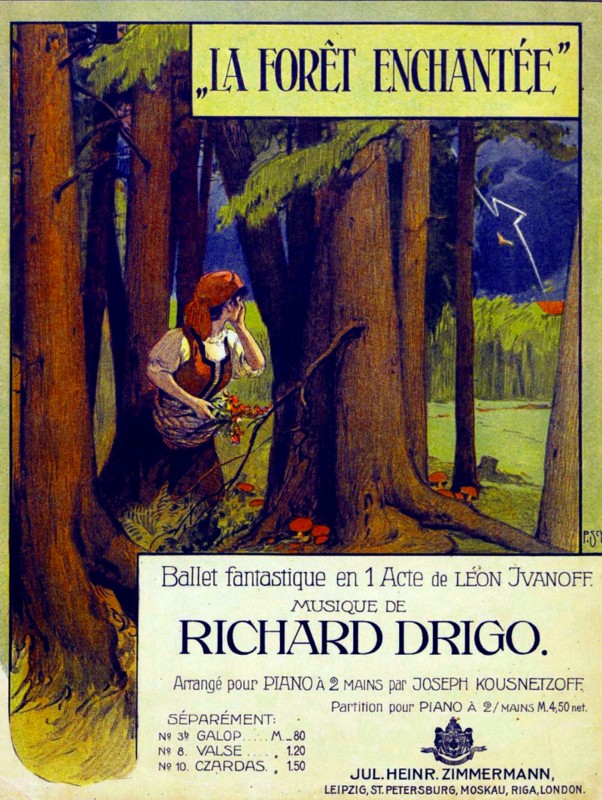 The Enchanted ForestBallet · 1887Music by Drigo · video
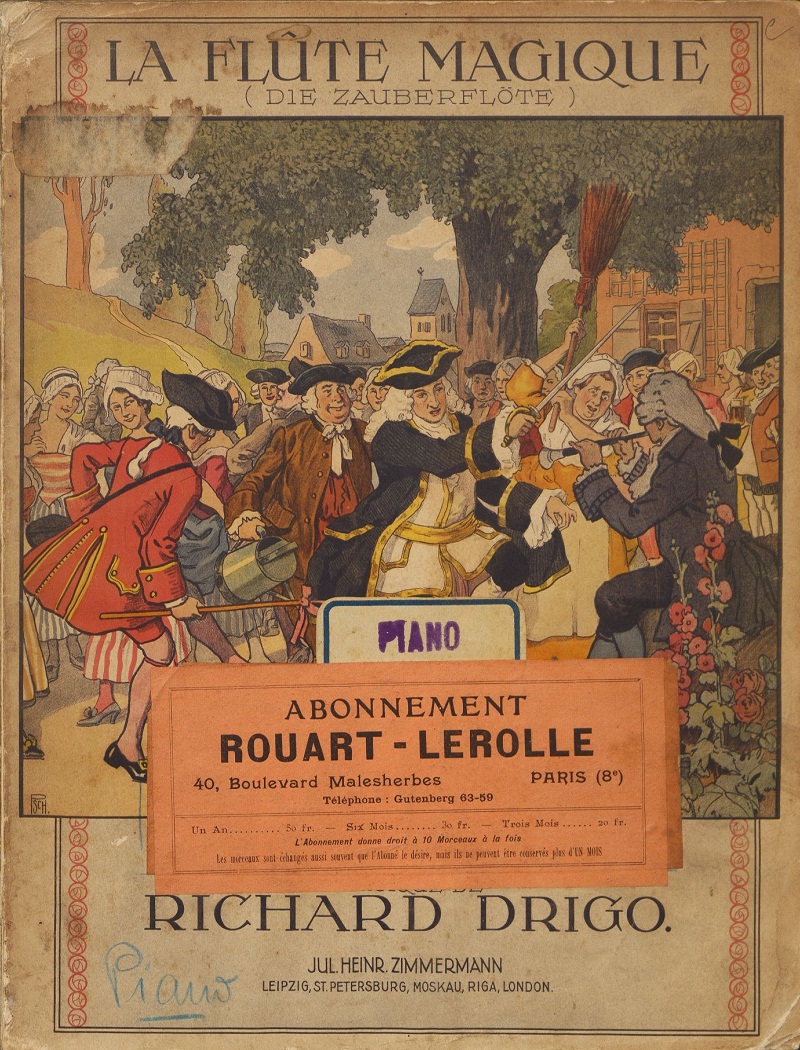 The Magic FluteBallet · 1893Music by Drigo · video
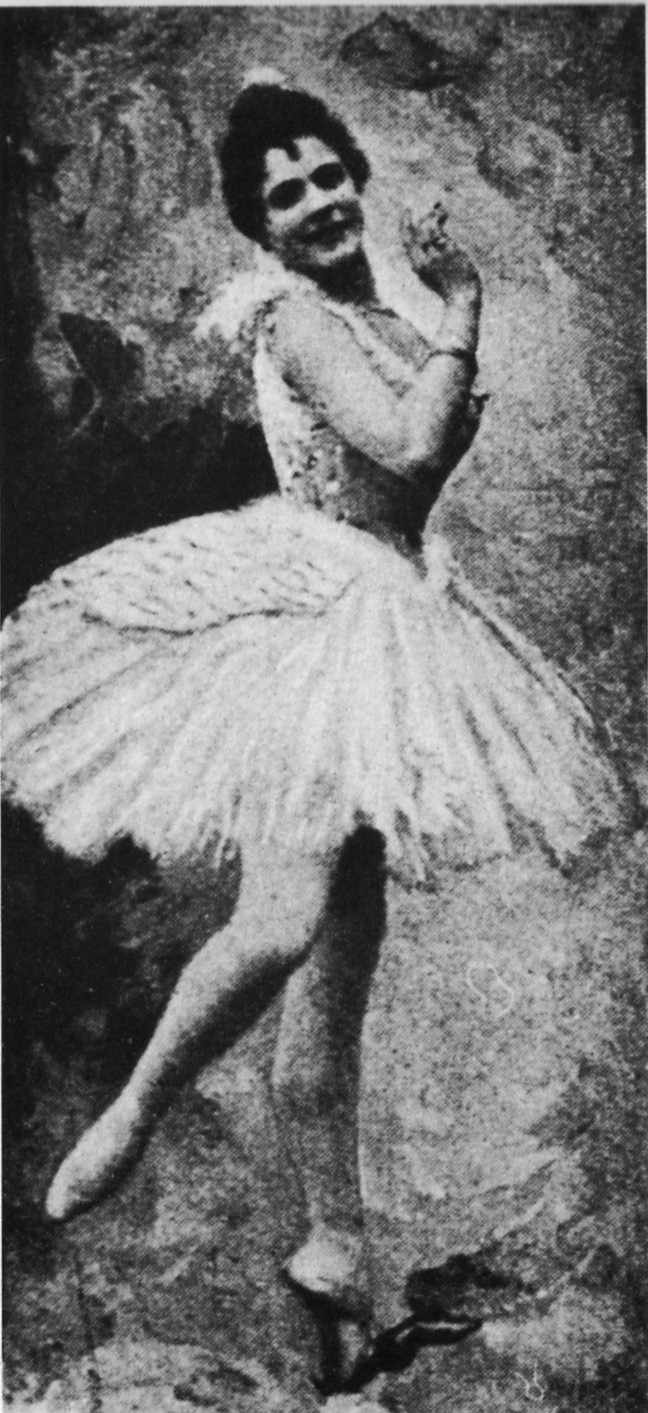 Swan LakeBallet · 1895Music by Drigo · video
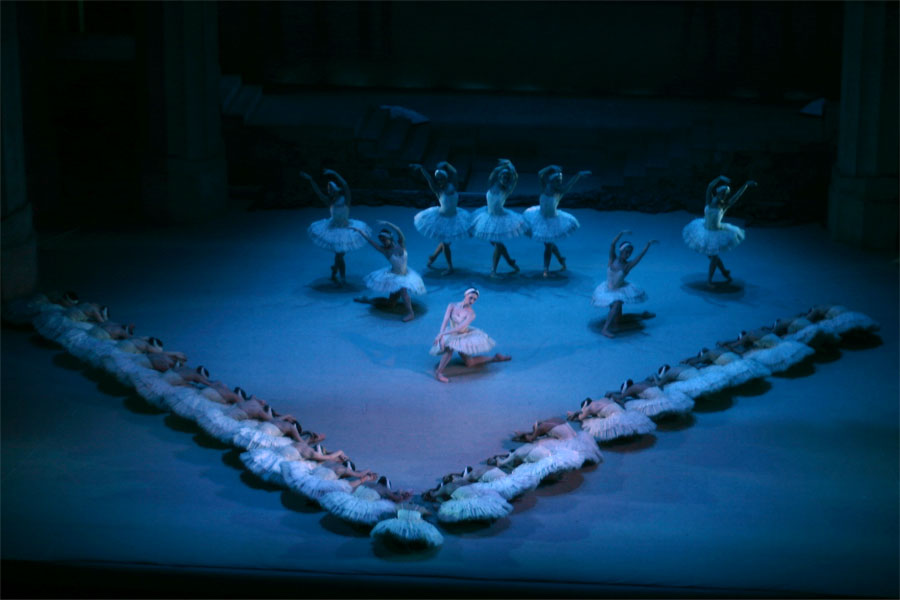 Swan LakeBallet · 1877Same lineage · video
 ZenobiaBallet · 1936Same lineage · video
 The SeasonsBallet · 1899Same lineage