Aerial Hammock (Sling)
Also known as: Aerial sling, Aerial hammock, Fabric sling
History & Cultural Context
The aerial hammock or sling is a length of fabric rigged with both ends fixed together, forming a supportive loop or 'hammock' rather than the two free tails of silks. The closed loop cradles the body, making it more forgiving for beginners and well suited to flowing transitions, rolls, and reclining poses, as well as restorative 'aerial yoga.' It descends from aerial-silks practice and is one of the most accessible entry points into aerial dance while still supporting advanced choreography.
Cultural Significance
A popular beginner-friendly aerial form and the basis of aerial-yoga practice.
Characteristic Movement & Technique
Cradled poses, rolls, wraps, and flowing transitions in a fabric loop.
Partnering Dynamics
Usually solo.
Competitive Context
Showcase rather than a governed sport.
Regional Variations
Global studio practice.
Common Misconceptions
The hammock's closed loop makes it more supportive and beginner-accessible than open-tail silks, but it still supports advanced aerial choreography.
Aerial Hammock (Sling) — In Depth
The aerial hammock — also called an aerial sling — is made from a single length of fabric whose two ends are rigged to the same point, so the material hangs as a doubled loop that cradles the body like a swing or hammock. Because the fabric is already looped, it is generally more forgiving than two-tail aerial silks: the sling supports the body more readily, which makes it a common entry point for newcomers and the apparatus of choice for gentler, flowing sequences, restorative "aerial yoga," and expressive contemporary aerial dance.
Artists use the pocket of the sling to sit, lie, invert, roll, and flow through shapes, and more advanced work adds wraps, beats, and controlled drops similar to those on silks. Its accessibility and the sculptural way the fabric drapes the body have made the hammock popular in cabaret, wellness, and stage contexts alike, and it sits within the same contemporary aerial-arts family as aerial silks and the aerial hoop.
Dance Lineage
Aerial Hammock (Sling) Music & Tempo
Drawn from 21 Aerial Hammock (Sling) tracks in the LODance music library.
Example tracks at practice tempo
- Eggs in one Basket — Tele Novella89 BPM
- Hôtel Nostalgie (feat. Sabrina Halde) — Cirque Éloize131 BPM
- Jeux D'Enfants — Cirque du Soleil97 BPM
- Danish Counterdance — Ole Hoyer104 BPM
- I Just Wanna Shine — Fitz and The Tantrums93 BPM
- Love You Like a Love Song — Selena Gomez & The Scene117 BPM
Who governs Aerial Hammock (Sling)
Federations, councils and examining bodies with a recorded role in this style. No single organisation can tell you this — each one knows only itself.
Sources & Further Reading
Cultural & Historical Context
Aerial Hammock (Sling) emerged from Contemporary circus / studio during the 2000s—present day. Understanding the cultural roots, musical traditions, and social circumstances of this era enriches appreciation for the dance's characteristics and significance.
Primary Source Documents
The Library of Dance contains public-domain primary sources for dance history. Copyrighted modern syllabi are indexed with purchase links to their respective copyright owners. Search by dance name or codifier to discover primary source documents.
Last reviewed: September 2026 — This dance profile synthesizes historical research, cultural documentation, and contemporary practice knowledge to provide authoritative context.
Related Dances
More in Aerial Dance
Aerial Silks
Dance and acrobatics performed while climbing, wrapping, suspending from, and dropping on two lengths of fabric hung from a single point.
Aerial Lyra (Hoop)
Dance and poses performed on and around a suspended steel hoop, spinning or static, blending circus skill with choreographed movement.
Corde Lisse (Aerial Rope)
An aerial circus discipline performed on a single vertically hung soft rope, combining climbs, wraps, held shapes and controlled drops without a safety line.
Aerial Straps
An aerial discipline using two suspended fabric or webbing straps looped around the wrists, built on gymnastic strength holds, swings and high-speed rotational sequences.
Aerial Dance in art
Browse the gallery →Works from the wider Aerial Dance tradition — we have not yet identified enough that depict Aerial Hammock (Sling) specifically.
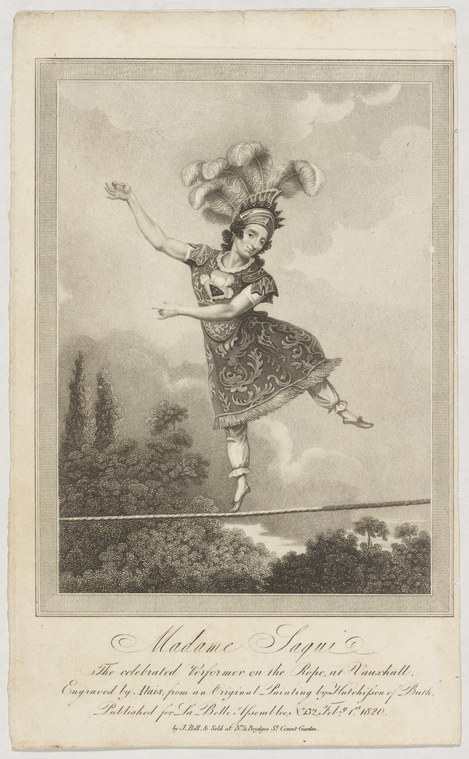
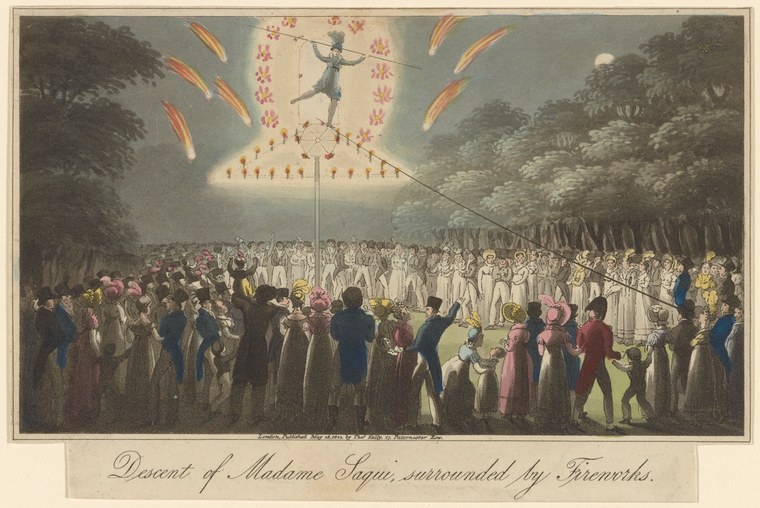
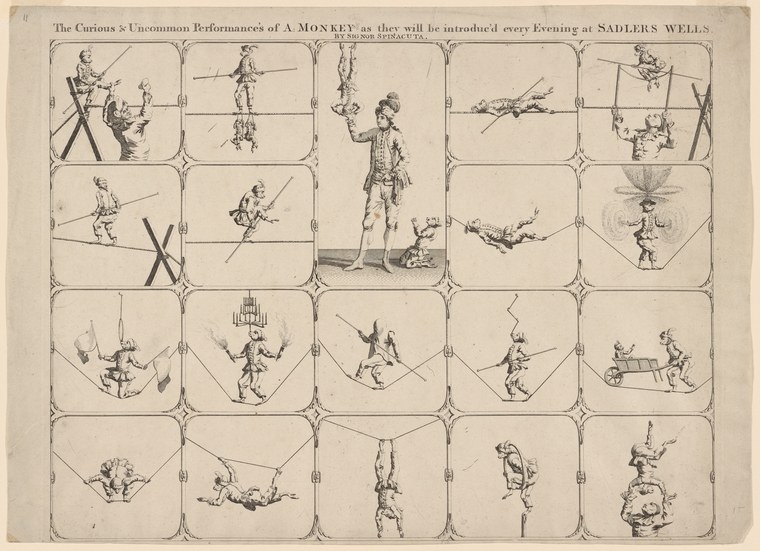
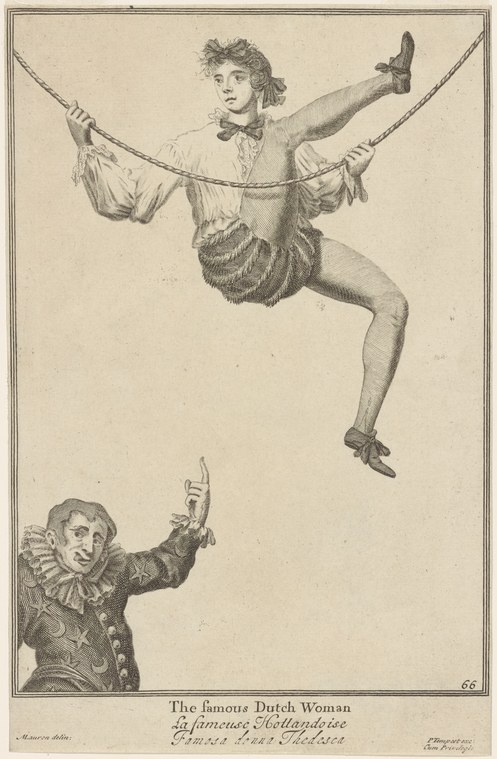
The famous Dutch woman
Unknown artist
Public Domain
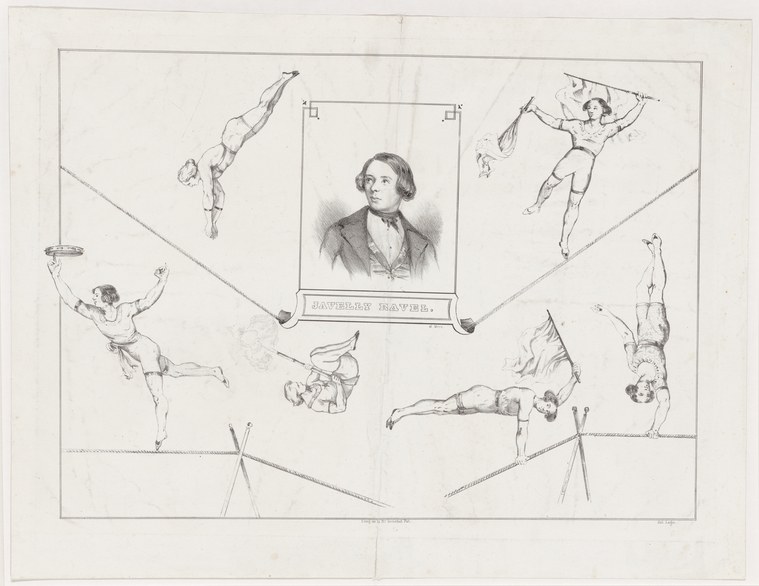
Rope dancing
Unknown artist
Public Domain
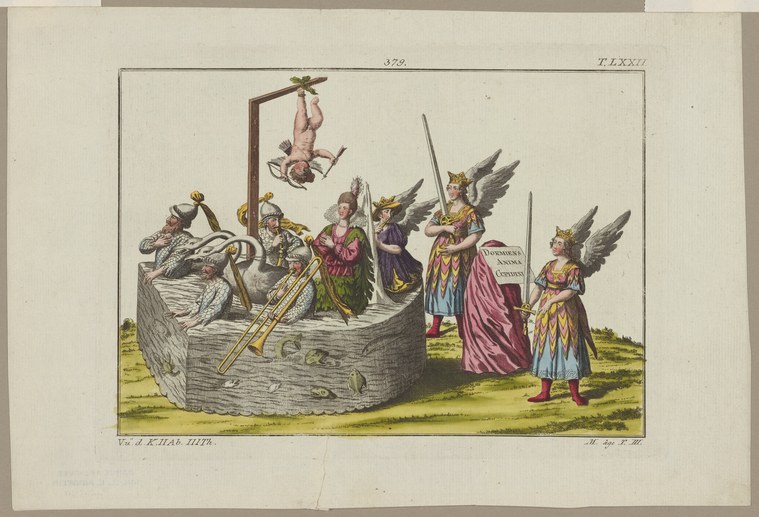
Festivities and spectacles
Unknown artist
Public Domain
Continue Exploring
Lineage of Dance
500 years of dance evolution
Champions of Dance
Winners of marquee national & world titles
Language of Dance
161 dance terms & translations
Listening of Dance
Tempo, timing & musicality tools
Gallery of Dance
5,700+ artworks from museum collections
Attire of Dance
Evolution of dance dress across eras
Keep the thread going
Dance history, technique, and the occasional rabbit hole — in your inbox. Thoughtful, infrequent, unsubscribe anytime.
Free. No spam. One click to leave.