Aerial Lyra (Hoop)
Also known as: Aerial hoop, Cerceau, Lyra
History & Cultural Context
The aerial hoop, or lyra (cerceau), is a circular steel apparatus suspended from one or two points. Performers sit, hang, balance, and pose on and within the hoop, which may spin or remain static, linking shapes with transitions and dance. It draws on traditional circus 'ring' acts but, like silks, was re-choreographed into an expressive aerial-dance form. It rewards flexibility, strength, and clean line, with the rigid frame allowing balances and poses distinct from the soft drops of silks.
Cultural Significance
A widely taught and performed aerial discipline in contemporary circus and cabaret.
Characteristic Movement & Technique
Poses, balances, hangs, and transitions on a static or spinning steel hoop.
Partnering Dynamics
Usually solo; doubles lyra exists.
Competitive Context
Aerial showcases and competitions; no single governing sport.
Regional Variations
Global studio practice.
Common Misconceptions
Lyra is a distinct apparatus from silks and trapeze, with its own rigid-frame vocabulary of balances and poses.
Aerial Lyra (Hoop) — In Depth
The aerial hoop — also known as the lyra, cerceau, or aerial ring — is a suspended circular steel apparatus on which an artist performs poses, spins, transitions, and drops both inside and outside the ring. It may hang from a single point (allowing continuous rotation) or two points (a more stable "static" hoop), and can be performed static, spinning, or swinging. Tabs welded at the top and sometimes the bottom give dancers additional points to grip, hang from, or hook a knee or foot into, enabling the balances and one-point holds that make the discipline visually striking.
As a circus and aerial-dance apparatus it rewards a blend of strength, flexibility, line, and musicality, and it sits alongside aerial silks and static trapeze in the contemporary aerial repertoire taught at circus schools and performed in cabaret, concert, and theatrical settings. Performer Lindsey Stirling is among the popular artists who have brought the suspended hoop to concert stages, playing violin while working the ring above the audience.
Aerial Lyra (Hoop) Music & Tempo
Drawn from 20 Aerial Lyra (Hoop) tracks in the LODance music library.
Example tracks at practice tempo
- Plastic Heart — Nostalghia175 BPM
- Oregano — Chilly Gonzales129 BPM
- I Just Wanna Shine — Fitz and The Tantrums93 BPM
- Primavera — Ludovico Einaudi140 BPM
- The Sound of Silence — Disturbed86 BPM
- I Feel Like I'm Drowning — Two Feet105 BPM
Who governs Aerial Lyra (Hoop)
Federations, councils and examining bodies with a recorded role in this style. No single organisation can tell you this — each one knows only itself.
Legends of Aerial Lyra (Hoop)
Dancers, choreographers and teachers whose work shaped this style.
Aerial Lyra (Hoop) in performance
2 staged works in the Limelight catalogue contain Aerial Lyra (Hoop), 2007–2021 — 1 of them in a named act or number.
- Drawn to Life2021CirqueDream of Colors
Dream of Colors — Aerial hoop work performed as part of the act, involving suspended circular apparatus with the performer executing holds, spins and shapes in the air. Source: "Dream of Colors - Cradle Wheel/Aerial Hoops"
- Koozå2007Cirque · defining style
The Aerial Hoop act, performed as a solo aerial hoop number — Suspended single-hoop (lyra) work performed solo at height, involving spins, holds and drops on the apparatus; confirmed by two separate incident reports of injury during a "solo aerial hoop perf…
Every claim above is quoted from a cited source and names where in the work the style appears. Claims we could not place or could not quote are held back from this list and shown on the work’s own page instead. Browse the full performance catalogue →
Sources & Further Reading
Cultural & Historical Context
Aerial Lyra (Hoop) emerged from European circus tradition during the 1900s—present day. Understanding the cultural roots, musical traditions, and social circumstances of this era enriches appreciation for the dance's characteristics and significance.
Primary Source Documents
The Library of Dance contains public-domain primary sources for dance history. Copyrighted modern syllabi are indexed with purchase links to their respective copyright owners. Search by dance name or codifier to discover primary source documents.
Last reviewed: September 2026 — This dance profile synthesizes historical research, cultural documentation, and contemporary practice knowledge to provide authoritative context.
Related Dances
More in Aerial Dance
Aerial Silks
Dance and acrobatics performed while climbing, wrapping, suspending from, and dropping on two lengths of fabric hung from a single point.
Aerial Hammock (Sling)
A loop of fabric (both ends rigged together) forming a hammock/sling that cradles the body for poses, rolls, and gentler aerial dance.
Corde Lisse (Aerial Rope)
An aerial circus discipline performed on a single vertically hung soft rope, combining climbs, wraps, held shapes and controlled drops without a safety line.
Aerial Straps
An aerial discipline using two suspended fabric or webbing straps looped around the wrists, built on gymnastic strength holds, swings and high-speed rotational sequences.
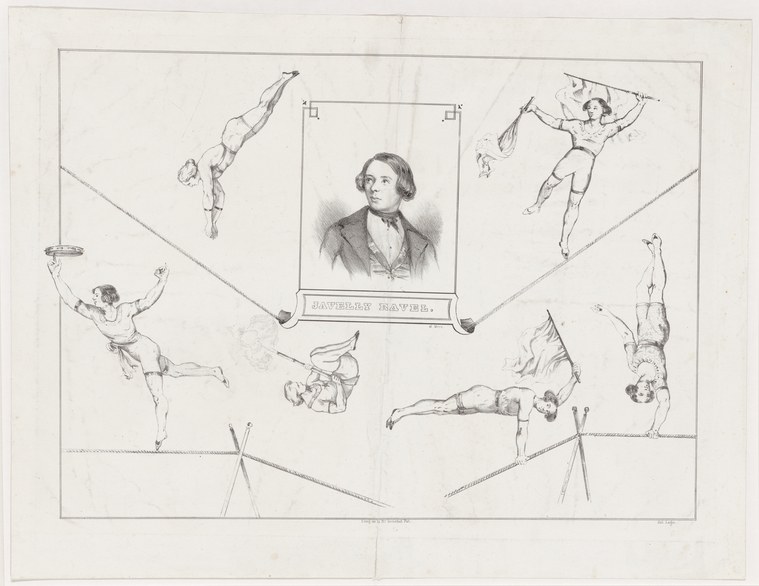
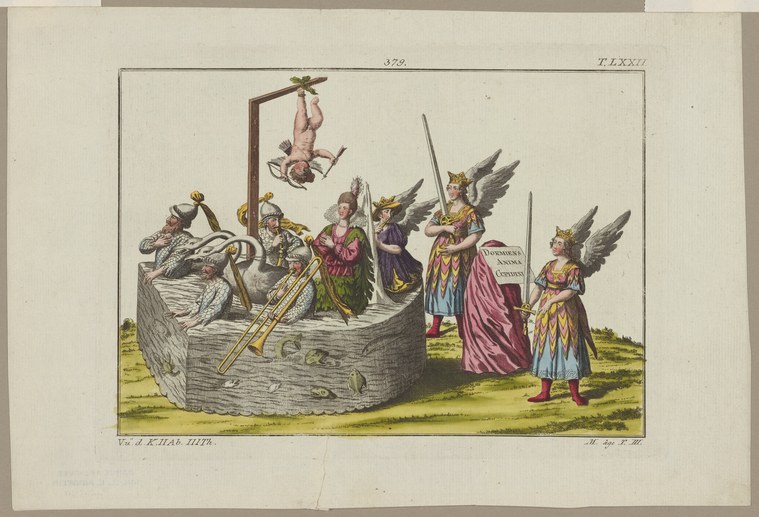
Aerial Dance in art
Browse the gallery →Works from the wider Aerial Dance tradition — we have not yet identified enough that depict Aerial Lyra (Hoop) specifically.
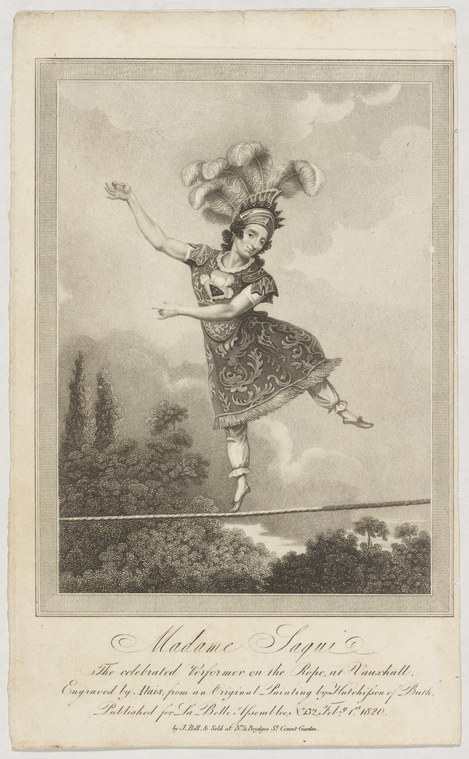
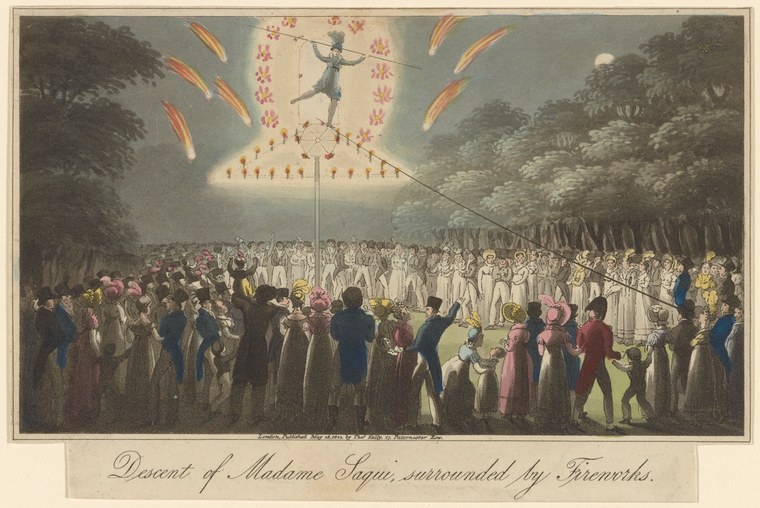
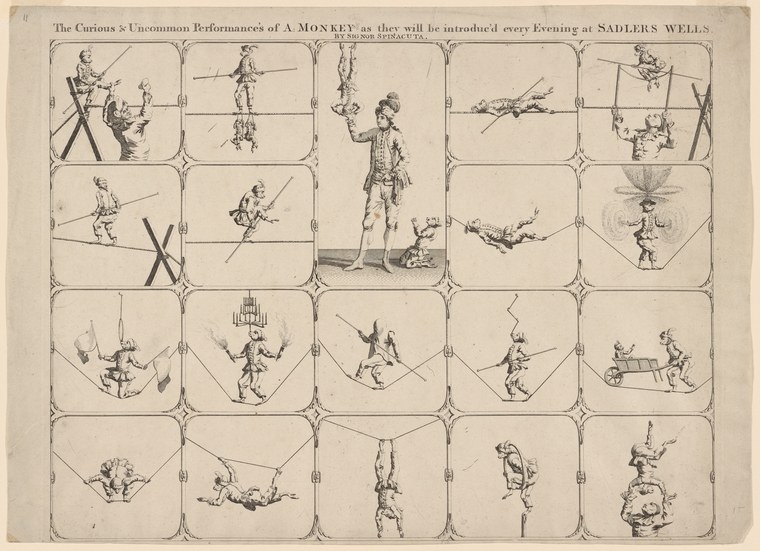
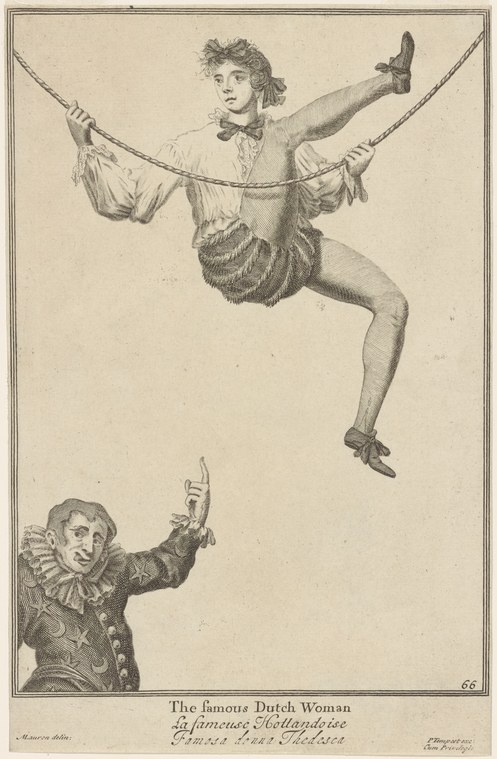
The famous Dutch woman
Unknown artist
Public Domain
Rope dancing
Unknown artist
Public Domain
Festivities and spectacles
Unknown artist
Public Domain
Continue Exploring
Lineage of Dance
500 years of dance evolution
Champions of Dance
Winners of marquee national & world titles
Language of Dance
161 dance terms & translations
Listening of Dance
Tempo, timing & musicality tools
Gallery of Dance
5,700+ artworks from museum collections
Attire of Dance
Evolution of dance dress across eras
Keep the thread going
Dance history, technique, and the occasional rabbit hole — in your inbox. Thoughtful, infrequent, unsubscribe anytime.
Free. No spam. One click to leave.