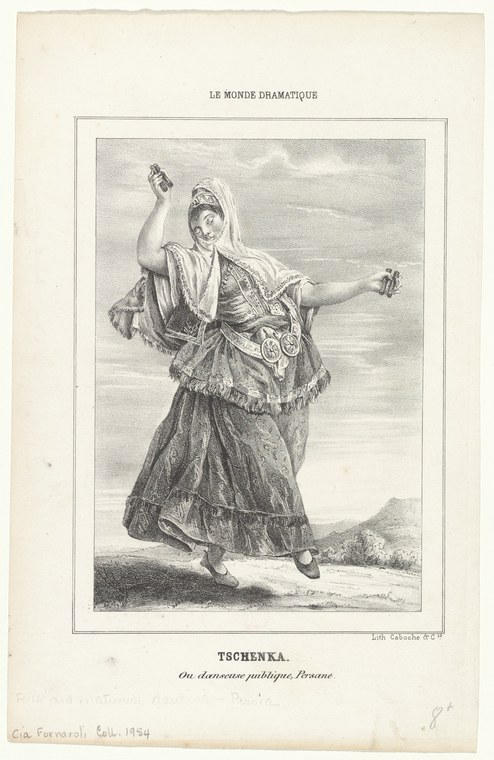
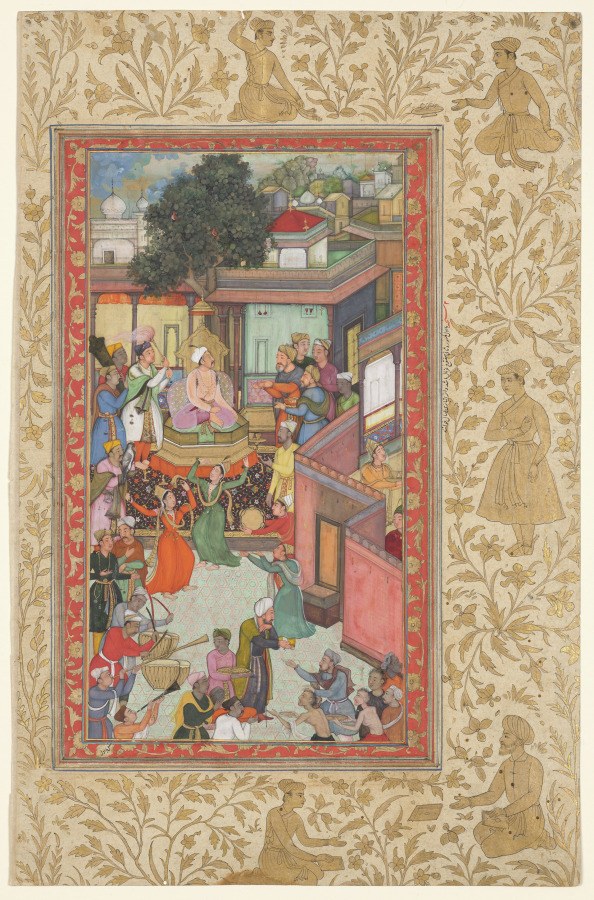
Global Central Asian Nomadic & Folk
Dance traditions from Kazakhstan, Kyrgyzstan, Uzbekistan, Tajikistan, and Turkmenistan, rooted in nomadic culture, felt-making, and courtly traditions.
5 dance styles in this genre
Historical Origins
Central Asian nomadic and folk dances developed over centuries in the steppes, mountains, and valleys of Central Asia, shaped by nomadic pastoral cultures, trade routes connecting East and West, and diverse ethnic groups including Turkic, Persian, and Mongolic peoples. Historical empires and kingdoms established urban cultural centers where court dances developed alongside folk traditions. The Silk Road facilitated cultural exchange, introducing musical and dance influences throughout Central Asia. Nomadic traditions maintained distinctive movement vocabularies adapted to pastoral lifestyles and environments. Folk dances in mountain regions and river valleys developed unique characteristics reflecting local geography and cultures. Soviet rule transformed Central Asian societies in ambivalent ways. Under early Soviet nationalities policy (korenizatsiia, 1920s-1930s), the state funded the creation of professional folk-dance ensembles such as Tamara Khanum's ensemble in Uzbekistan and the Bakhor Ensemble, codifying regional dances under the doctrine "national in form, socialist in content." Later Stalin-era policy curtailed religious and Sufi-linked performance practices and reframed folk dance for stage. Traditional forms persisted in rural communities and family contexts alongside these state ensembles. Following the 1991 independence of the Central Asian republics, governments and communities elevated traditional dance as a marker of national identity. Contemporary Central Asian dances represent continuity with historical traditions while engaging modern aesthetics. Two regional exemplars in the LODance catalog illustrate this lineage: Khorezm Lazgi (inscribed on the UNESCO Representative List of the Intangible Cultural Heritage of Humanity in 2019, with antecedents documented at the Tuproq-qala archaeological site, 1st-6th c. CE) and Kara Jorga, a Kazakh horse-pacing dance also performed by Kyrgyz communities, nominated for UNESCO ICH in 2013.
Cultural Significance
Central Asian nomadic and folk dances carry significance as expressions of Central Asian cultural identity and heritage. Nomadic movement traditions reflect pastoral lifestyles and adaptation to steppes environments. Folk dances maintain social and community functions, marking celebrations, courtship, and seasonal cycles. Through the Soviet period, dance remained a site of identity work — both as community practice that persisted outside state channels and, paradoxically, as state-promoted folk-stage repertoire under nationalities policy. The popular framing of unbroken suppression is contested in the scholarly literature. Contemporary Central Asian dances maintain cultural importance for ethnic identity, national pride, and cultural preservation. For diaspora communities, these dances provide connection to ancestral heritage. The dances reflect Central Asia's historical position as a cultural crossroads where multiple traditions blended. Contemporary practitioners worldwide engage these dances as expressions of Central Asian culture and artistic traditions.
Musical Characteristics
Central Asian music features diverse traditions reflecting regional and ethnic diversity. Traditional music emphasizes string instruments (long-necked lutes, lyres), woodwinds (flutes, pipes), and percussion (drums, cymbals). The music often features modal melodic systems distinct from Western major/minor tonality. Rhythmic structures range from free, improvisational qualities in some traditions to complex metrical patterns in others. Vocal traditions include both narrative singing and rhythmic vocal accompaniment. Contemporary Central Asian music blends traditional elements with modern production and global influences. The music often emphasizes the musician-dancer collaboration, with music supporting and responding to dance.
Core Movement Principles
Central Asian nomadic and folk dances feature diverse movement vocabularies reflecting different regional and ethnic traditions. Nomadic traditions often emphasize upright posture, with movement qualities reflecting equestrian skills and outdoor activities. Footwork patterns emphasize rhythmic precision and changes of direction. Upper body movement ranges from relatively quiet to emphatic depending on tradition. Hip and torso movement appear in many Central Asian dances, with various movement qualities. Group formations often feature circles, lines, or patterns reflecting community participation. Hand and arm gestures often carry cultural meanings. The movement overall emphasizes musical interpretation, rhythmic expression, and community participation.
Modern Usage
Central Asian nomadic and folk dances are actively practiced in Central Asian countries (Kazakhstan, Kyrgyzstan, Tajikistan, Turkmenistan, Uzbekistan) in community celebrations, festivals, and cultural events. These dances appear in theatrical and concert performances, including state-supported artistic presentations. Dance companies and ensembles throughout Central Asia perform traditional and contemporary works. International Central Asian diaspora communities maintain dance traditions in cultural centers and community events. The dances increasingly gain international recognition through festival circuits and cultural exchange programs. Cultural preservation efforts document and teach traditional dances. Contemporary Central Asian choreographers create new work drawing from traditional forms. The dances maintain cultural significance for Central Asian identity while gaining international appreciation.
Dance Styles
Kara-Jorga (Kara Jorgo)
Kazakh folk dance imitating the ambling gait of a pacer horse, danced with rhythmic shoulder sways and articulated joint movements; also performed in Kyrgyzstan as Kara Jorgo.
Kiyiz
Dance depicting felt production process; starts with light running steps and includes stamping movements.
Lazgi
Folk dance of the Khorazm region of Uzbekistan, danced on half-bent legs with trembling shoulder and arm movements and ringing bells; inscribed by UNESCO in 2019 on the Representative List of the Intangible Cultural Heritage of Humanity.
Tajik Eagle Dance
Male dance mimicking eagle movements in majestic flight; demonstrates ancient Tajik culture.
Uzbek Classical Dances
High art classical dances characterized by complex hand gestures and vivid facial expressions; three regional schools.
Global Central Asian Nomadic & Folk on screen
Films and television where global central asian nomadic & folk appears, with the sequences worth watching for.
 This site uses TMDB and the TMDB APIs but is not endorsed, certified, or otherwise approved by TMDB.
Global Central Asian Nomadic & Folk FAQs
Global Central Asian Nomadic & Folk in art
Browse the gallery →Works our catalogue identifies as depicting global central asian nomadic & folk.