History & Cultural Context
Origin and history: Kiyiz is a Kyrgyz folk dance that dramatises the making of felt (kiyiz), one of the oldest and most important crafts of the nomadic Kyrgyz. Felt-making — including the celebrated ala-kiyiz and shyrdak carpets inscribed on UNESCO's intangible cultural heritage list — is traditionally women's work, and the dance grew out of and celebrates this craft, drawing its choreography directly from the stages of felt production. It was inspired by the makers of tush kiyiz, the decorative felt hangings of the Kyrgyz home.
Cultural and social context: The dance honours the labour, artistry and communal cooperation of Kyrgyz women. It belongs to a family of Central Asian labour-imitation dances that transform everyday productive gestures into stylised movement, preserving and dignifying traditional craft knowledge.
Character and feel: It is industrious, warm and communal, building from busy shared activity to a proud display of the finished work.
Technique and movement: Dancers run on with light steps, then mime picking up wool, trampling and pouring water over it, and tamping the felt with sticks. The movement vocabulary — walking from the heel, stepping, sweeping the arms upward with a sharp downward drop of the hand as if kneading the felt, and turns with the hands bent in front of the body — reproduces the real motions of felting. When the imaginary carpet is complete the dancers display it and settle into artistic poses.
Music: It is performed to Kyrgyz folk instrumental music, in which the plucked komuz is central.
Kiyiz Music & Tempo
Drawn from 20 Kiyiz tracks in the LODance music library.
Example tracks at practice tempo
- Naryndan — Ordo Sakhna
- Gulzhan — Ordo Sakhna
- Оп-майда (Club Mix) — ELES BAND
- Kyidum chok — Ordo Sakhna
- Yellow valley | Сары ой — Dinara Kadyrkulova & Nurtai Nur
- Girl's Tune | Кыз кербез — Dinara Kadyrkulova
What to Wear
Attire guidance for Kiyiz and other Global Central Asian Nomadic & Folk dances. Each card below is sized to the moment — class, practice, social, or competition — because the wardrobe shifts as the stakes do.
Reading the cards
In Class
Comfortable clothing allowing wide arm and leg movements. Long skirts or wide pants for women's traditions.
Social Dancing
Traditional dress of the specific cultural tradition for celebrations and performances.
Competition
Full traditional costume specific to the dance's origin culture — often featuring embroidered fabrics, headdresses, and culturally significant jewelry.
Shoes
Soft leather boots or flat shoes traditional to the culture. Some forms use heeled character boots. Modern practice: flat dance shoes or character shoes.
In Practice
Long practice skirts or wide pants are useful early — the dances assume the silhouette and the foot has to learn how the fabric moves.
Price Range
- Budget: Long skirt or wide pants from existing wardrobe; flat dance shoes $30–80.
- Mid: Soft leather character boots $150–350; traditional embroidered pieces $200–700.
- Premium: Hand-embroidered ceremonial costumes $1,500–6,000+.
Quick Tips
- •Suede-soled shoes allow controlled sliding and pivoting — essential for most partner dances.
- •Avoid rubber soles on dance floors; they grip too much and can cause knee injuries.
- •Bring a separate pair of clean shoes for the dance floor to keep it in good condition.
Sources & Further Reading
Cultural & Historical Context
Kiyiz emerged from Kyrgyzstan during 1000 BCE—present day. Understanding the cultural roots, musical traditions, and social circumstances of this era enriches appreciation for the dance's characteristics and significance.
Primary Source Documents
The Library of Dance contains public-domain primary sources for dance history. Copyrighted modern syllabi are indexed with purchase links to their respective copyright owners. Search by dance name or codifier to discover primary source documents.
Last reviewed: October 2026 — This dance profile synthesizes historical research, cultural documentation, and contemporary practice knowledge to provide authoritative context.
More in Global Central Asian Nomadic & Folk
Kara-Jorga (Kara Jorgo)
Kazakh folk dance imitating the ambling gait of a pacer horse, danced with rhythmic shoulder sways and articulated joint movements; also performed in Kyrgyzstan as Kara Jorgo.
Lazgi
Folk dance of the Khorazm region of Uzbekistan, danced on half-bent legs with trembling shoulder and arm movements and ringing bells; inscribed by UNESCO in 2019 on the Representative List of the Intangible Cultural Heritage of Humanity.
Tajik Eagle Dance
Male dance mimicking eagle movements in majestic flight; demonstrates ancient Tajik culture.
Uzbek Classical Dances
High art classical dances characterized by complex hand gestures and vivid facial expressions; three regional schools.
Global Central Asian Nomadic & Folk in art
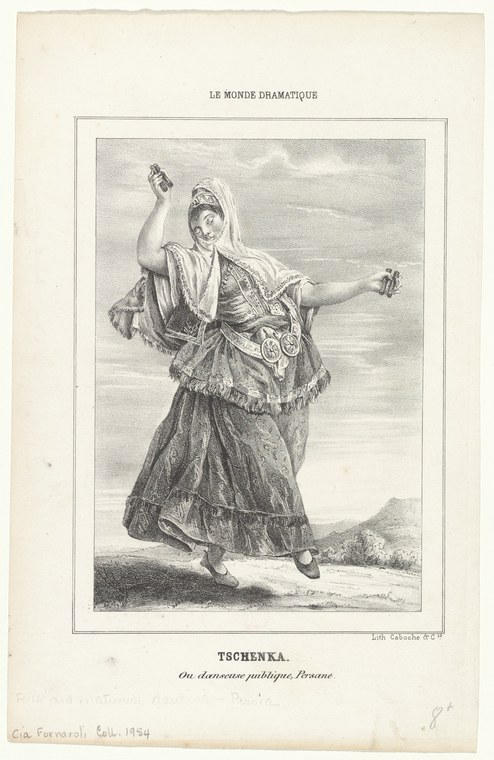
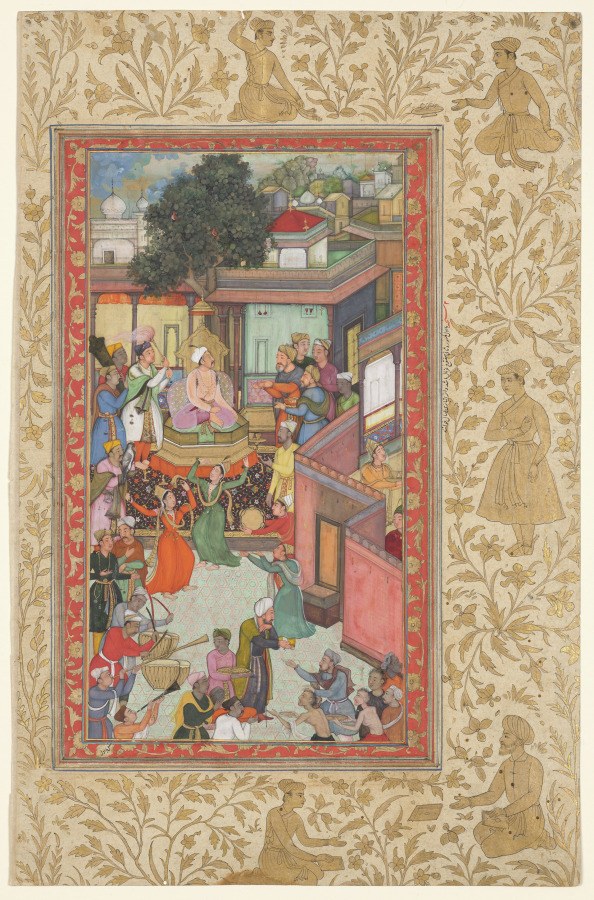
Browse the gallery →Works from the wider Global Central Asian Nomadic & Folk tradition — we have not yet identified enough that depict Kiyiz specifically.

Continue Exploring
Lineage of Dance
500 years of dance evolution
Champions of Dance
Winners of marquee national & world titles
Language of Dance
161 dance terms & translations
Listening of Dance
Tempo, timing & musicality tools
Gallery of Dance
5,700+ artworks from museum collections
Attire of Dance
Evolution of dance dress across eras
Keep the thread going
Dance history, technique, and the occasional rabbit hole — in your inbox. Thoughtful, infrequent, unsubscribe anytime.
Free. No spam. One click to leave.